
PUBG, or PlayerUnknown’s Battlegrounds, really changed the game for battle royale when it came out. It wasn’t just another shooting game; it made you think about survival and strategy in a whole new way. Now, it’s not just a fun game to play with friends, but a serious competitive sport. People are really into it, watching pros play and seeing how the game has grown into something big in the world of esports.
Key Takeaways
- PUBG’s shift from a simple game to a competitive esport shows how much potential it has.
- Good strategy, quick thinking, and teamwork are super important for doing well in PUBG esport.
- Big tournaments and leagues have helped PUBG esport grow a lot, giving players real chances to make a career out of it.
- Players work hard to get better, and teams have coaches, just like in regular sports.
- PUBG Mobile has made the game even bigger, letting more people around the world play and watch competitive matches.
The Genesis of PUBG Esport
From Battle Royale to Competitive Arena
PUBG, or PlayerUnknown’s Battlegrounds, exploded onto the gaming scene and quickly became a global phenomenon. Initially, it was just a fun, chaotic battle royale game. But it didn’t take long for players to see its potential as a competitive esport. The core gameplay—survival, looting, and strategic combat—had all the ingredients for exciting esports matches. It was a matter of time before the community started to shape it into something more.
Early Adaptations for Competitive Play
Turning a casual game into a competitive esport isn’t easy. PUBG needed some serious tweaks. Early on, players and organizers started creating custom rules and formats to make the game fairer and more watchable. This included things like adjusting loot spawns, limiting certain weapons, and figuring out the best ways to score points. These early adaptations were crucial for establishing a baseline for competitive PUBG.
Community-Driven Competitive Initiatives
The official game developers weren’t the only ones driving the competitive scene. The PUBG community played a huge role. Players started organizing their own tournaments and leagues, creating a grassroots movement that helped to define what PUBG esport could be. These community-driven initiatives were essential for testing different rulesets, discovering talented players, and building excitement around the game. It was a collaborative effort that shaped the early days of PUBG esport.
The community’s involvement was key. They provided feedback, tested different approaches, and ultimately helped to create a competitive ecosystem that the official developers could then build upon. Without this initial push, PUBG esport might not be where it is today.
Key Elements of PUBG Esport Gameplay
Strategic Depth and Decision Making
PUBG isn’t just about having quick reflexes; it’s a thinking person’s game. Smart choices are often more important than raw skill. You’ve got to decide when to fight, when to hide, when to move, and where to set up shop. Every game feels different because of the map and the way other players act. It’s like a big puzzle where you’re trying to outsmart everyone else to be the last one standing.
- Choosing the right landing spot.
- Rotating effectively to stay ahead of the blue zone.
- Knowing when to engage in combat and when to avoid it.
The Role of Randomness in PUBG Esport
Okay, let’s be real: PUBG has a lot of randomness. The circle placement, where loot spawns, and even the plane’s flight path are all random. This can be frustrating, but it also keeps things interesting. You can’t just memorize a strategy and win every time. You have to adapt to what the game throws at you. Some people think this makes it unfair for esports, but others argue it adds a layer of complexity that separates the good players from the great ones.
The randomness in PUBG forces players to think on their feet and make quick decisions based on the situation. It’s not always about having the best gear; it’s about making the most of what you have.
Team Coordination and Communication
If you’re playing in squads, communication is key. You need to be able to tell your teammates where enemies are, what loot you find, and what your plan is. Good teams work together like a well-oiled machine, covering each other’s backs and making coordinated pushes. If you’re not talking to your team, you’re basically playing solo, and that’s not a recipe for success.
- Clear and concise communication is vital.
- Effective teamwork can overcome individual skill deficits.
- Roles within the team need to be well-defined and understood.
The Evolution of PUBG Esport Tournaments
Major Global Competitions
PUBG esports really took off with the introduction of major global competitions. These events provided a stage for the best teams to compete for substantial prize pools and recognition. The PUBG Global Invitational (PGI) and the PUBG Global Championship (PGC) stand out as premier tournaments, drawing huge viewership and setting the standard for competitive PUBG.
Think of it like this:
- PGI: Focused on showcasing regional talent and playstyles.
- PGC: The culmination of the competitive season, crowning the world champion.
- These events feature intense matches, strategic gameplay, and high production value, making them a must-watch for fans.
Regional Leagues and Pathways
To foster a sustainable competitive ecosystem, regional leagues and pathways were established. These leagues serve as a breeding ground for new talent and provide a structured route for teams to qualify for global events. It’s like a minor league system in baseball, but for PUBG. These regional competitions are super important because:
- They give local teams a chance to shine.
- They help develop a deeper pool of skilled players.
- They create more opportunities for fans to engage with the esport.
Prize Pools and Professional Opportunities
The growth of PUBG esports tournaments has led to significant increases in prize pools and professional opportunities. Winning teams can earn substantial sums of money, and players can make a living competing in the game. This has attracted more skilled players and teams, further raising the level of competition. The money is a big deal, but so is the chance to be a pro. It’s a dream for many players, and the tournaments make it possible.
The evolution of PUBG esports tournaments has been a journey of growth and refinement. From community-driven events to professionally organized global competitions, the scene has matured significantly. This evolution has not only provided a platform for skilled players but has also created a vibrant and engaging spectator experience.
Player Development and Professionalism in PUBG Esport
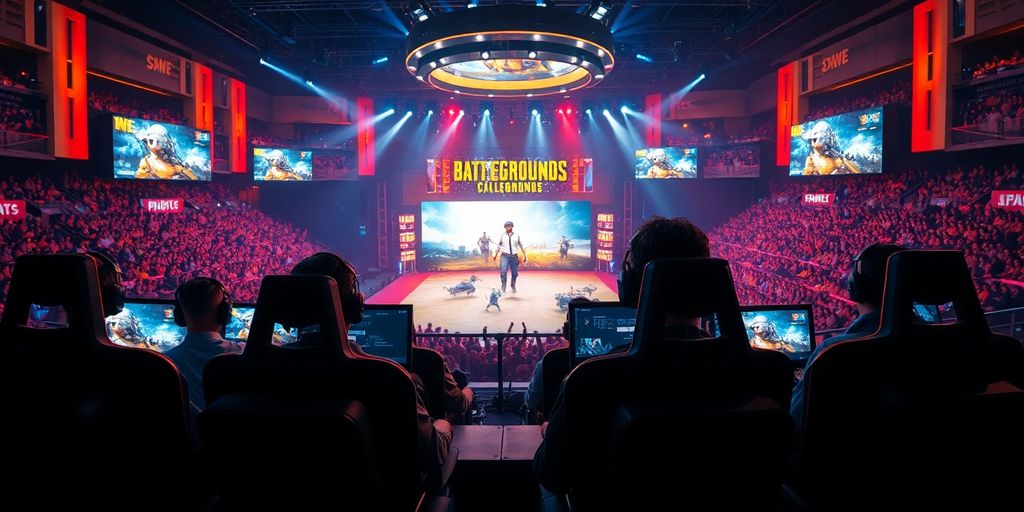
It’s interesting to see how much PUBG esports has grown. It’s not just about playing the game anymore; it’s a whole career path for some people. Let’s check out what it takes to become a pro and what that life is like.
Training Regimens and Skill Refinement
To get good at PUBG esports, you can’t just play casually. Players need serious training. This means hours every day practicing aiming, learning maps, and trying out different strategies. They also watch videos of pro players to learn from them. It’s like any other sport; you have to put in the time to get better. Consistent practice and analysis are key to improving skills in PUBG Esport.
- Aim training exercises
- Map knowledge drills
- Strategy and tactics review
Team Dynamics and Coaching Staff
Being a pro PUBG player isn’t a solo thing. It’s all about teamwork. Teams need to work well together, and that means good communication and trust. Coaches help with this. They watch the team play, give advice, and help them come up with better strategies. It’s like having a teacher for video games, but the stakes are much higher.
- Team communication exercises
- Strategy development sessions
- Conflict resolution workshops
The Life of a Professional PUBG Esport Player
Being a pro gamer sounds cool, but it’s not always easy. There’s a lot of pressure to win, and the hours can be long. Players spend a lot of time traveling to tournaments and practicing. They also have to deal with things like social media and staying healthy. It’s a job like any other, but it can be tough on your body and mind.
It’s a demanding lifestyle that requires dedication, resilience, and the ability to perform under pressure. The life of a professional PUBG Esport player is a mix of intense training, strategic gameplay, and the constant pursuit of improvement.
Here’s a look at a typical week for a pro PUBG player:
| Day | Activity | Hours |
|---|---|---|
| Monday | Team Practice & Strategy | 8 |
| Tuesday | Individual Skill Training | 6 |
| Wed | Scrims vs Other Teams | 8 |
| Thurs | VOD Review & Analysis | 4 |
| Friday | Tournament/Match Day | 6-10 |
| Sat/Sun | Rest/Light Practice/Personal | Varies |
The Impact of Mobile Gaming on PUBG Esport
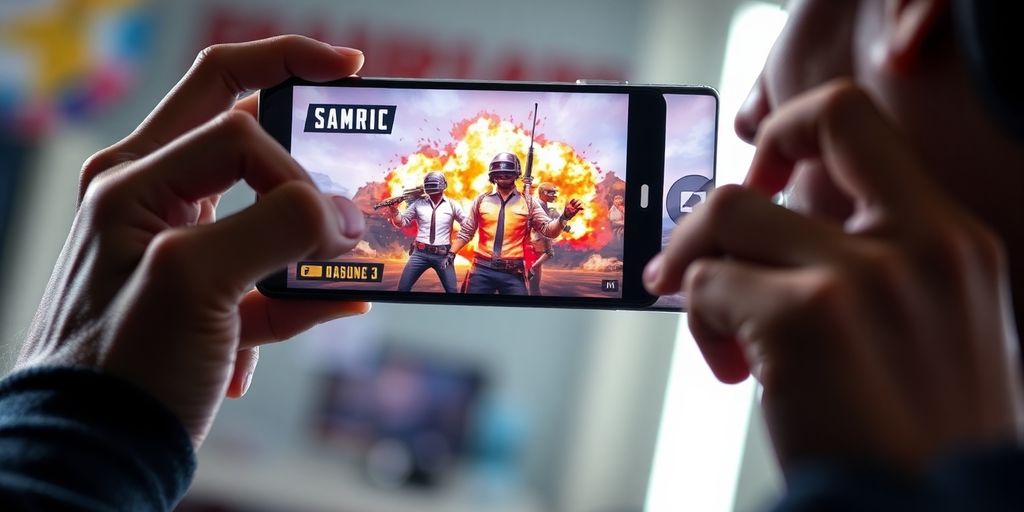
Mobile gaming has really shaken things up in the esports world, and PUBG is no exception. It’s not just a smaller version of the PC game anymore; it’s a whole different beast with its own dedicated scene. The accessibility and convenience of mobile gaming have opened doors for a lot more people to get involved, both as players and viewers. It’s interesting to see how this shift has changed the competitive landscape.
PUBG Mobile’s Esport Dominance
PUBG Mobile has carved out a significant space in the esports scene, often overshadowing its PC counterpart in terms of viewership and player base. It’s kind of wild to think about how a mobile game can pull in bigger numbers than the original, but it speaks to how gaming habits are changing. The mobile version has its own unique meta, strategies, and star players, making it a distinct esport in its own right.
Accessibility and Global Reach
Mobile gaming’s biggest strength is how easy it is for anyone to jump in. You don’t need a fancy gaming rig; just a smartphone. This has made PUBG Mobile super popular in regions where PC gaming isn’t as common. It’s brought in a whole new audience and given players from different backgrounds a chance to compete. It’s pretty cool to see how it’s leveled the playing field.
Dedicated Mobile Esport Ecosystems
PUBG Mobile has built its own complete esports system, with tournaments, leagues, and sponsorships. These events often have huge prize pools, attracting top-tier talent and big-name sponsors. The mobile esports scene is growing fast, and it’s becoming a major force in the industry. It’s not just a side thing anymore; it’s a serious business.
The rise of mobile esports, particularly with games like PUBG Mobile, highlights a significant shift in the gaming industry. It’s not just about having the best hardware anymore; it’s about accessibility, community, and creating a competitive environment that anyone can be a part of. This trend is likely to continue, with mobile esports becoming even more prominent in the years to come.
Challenges and Innovations in PUBG Esport
Addressing Game Balance and Fairness
Game balance is a tricky thing. In PUBG Esport, it’s even more important because money and careers are on the line. The goal is to make sure no single weapon, tactic, or map location gives an unfair edge.
- Regular updates and patches are needed to adjust weapon stats.
- Map changes can prevent players from exploiting certain areas.
- Community feedback is important for identifying balance issues.
It’s a constant back-and-forth. Developers tweak the game, players find new strategies, and then developers tweak again. It’s all about finding that sweet spot where skill matters most, and luck plays a smaller role.
Viewer Engagement and Spectator Experience
Keeping viewers interested is key to a healthy esport. PUBG Esport has to compete with a lot of other games and entertainment options. So, making the viewing experience exciting and easy to follow is important.
- Improved in-game cameras to capture the action.
- Clear and informative on-screen graphics.
- Engaging commentary that explains the strategies.
One thing that could help is a better way to show where players are relative to each other. Right now, it can be hard to keep track of all 16 teams on a big map. Maybe a mini-map overlay or something similar would help.
Technological Advancements in Broadcast
Technology plays a big role in how people watch esports. Better broadcasts can make a big difference in viewer numbers. Think about it: nobody wants to watch a laggy, pixelated stream.
- Higher resolution video (4K or even 8K).
- Lower latency streaming for a more real-time experience.
- Interactive elements that let viewers participate.
| Feature | Current State | Potential Improvement |
|---|---|---|
| Video Quality | 1080p | 4K/8K |
| Stream Latency | 2-3 seconds | <1 second |
| Interactivity | Limited | Polls, predictions |
It’s not just about the visuals, though. Audio is important too. Clear communication between casters and good sound effects can really add to the excitement.
The Future Trajectory of PUBG Esport
Sustaining Growth and Popularity
Keeping PUBG Esport relevant means adapting to what players and viewers want. It’s not enough to just keep doing the same thing. The game needs fresh content, and the esport scene needs exciting storylines. The key is finding a balance between honoring the game’s roots and embracing new ideas. Think about it: new maps, weapons, or even game modes could bring back old players and attract new ones. Plus, better ways to watch and understand the game can make it more fun for everyone involved.
- Consistent updates to the base game.
- Active community engagement for feedback.
- Investing in marketing to reach new audiences.
It’s important to remember that the esport scene relies on a healthy player base. If people stop playing the game, they’ll stop watching the esport. So, keeping the game fun and engaging is priority number one.
New Formats and Competitive Structures
The current tournament format has been around for a while, and maybe it’s time for a change. Shorter matches, different scoring systems, or even team sizes could shake things up. We could see more variety in how tournaments are run, with some focusing on fast-paced action and others on strategic gameplay. The rise of mobile gaming also opens doors for new formats that cater to mobile players. It’s all about finding what works best for both the players and the viewers.
- Experimenting with different match lengths.
- Introducing new scoring metrics.
- Creating mobile-specific tournament circuits.
Integration with the Broader Esport Landscape
PUBG Esport doesn’t exist in a bubble. It’s part of a larger world of competitive gaming. Partnering with other esports organizations, cross-promoting events, and even sharing resources could help PUBG Esport grow. Think about it: a combined tournament featuring multiple games could draw a huge audience. Also, working with established esports teams and coaches can bring new levels of professionalism to the scene. It’s about recognizing that everyone benefits when the entire esport community works together.
- Collaborating with other esport organizations.
- Participating in multi-game events.
- Adopting best practices from other successful esports.
Here’s a quick look at potential integration strategies:
| Strategy | Description |
|---|---|
| Cross-promotion | Promoting PUBG Esport events during other major esport tournaments. |
| Shared Resources | Sharing broadcasting equipment or training facilities with other organizations. |
| Joint Tournaments | Hosting tournaments that feature multiple games. |
Conclusion
So, what does all this mean for PUBG? It’s clear the game has come a long way. It started as a fun, chaotic battle royale, and now it’s a serious esport. The way it balances random elements with player skill is pretty interesting. It lets the best players show what they can do, which is what you want in a competition. As the game keeps changing, and as the people who make it keep working on it, PUBG’s place in the world of competitive gaming seems pretty solid. It’s been a wild ride, and it looks like it will keep going strong.
Frequently Asked Questions
What exactly is PUBG Esports?
PUBG Esports is the professional side of the game PlayerUnknown’s Battlegrounds. It’s where skilled players and teams compete in organized tournaments for big prizes. Think of it like regular sports, but with video games.
How did PUBG Esports become so popular?
PUBG Esports started small, with players just having fun and competing among themselves. Over time, it grew. Game makers and fans worked together to create rules and events that made the game fair and exciting to watch, turning it into a serious competition.
What makes PUBG Esports games so exciting to watch?
PUBG matches are exciting because they mix strategy with a bit of luck. Teams need to plan their moves, decide where to land, and how to fight. But since the safe zone changes randomly, and you find different items each time, every game is a new challenge. This keeps things interesting for both players and viewers.
Has mobile gaming changed PUBG Esports?
Yes, mobile gaming has made a huge impact! PUBG Mobile has its own massive esports scene with tons of players and big tournaments. It’s easier for more people around the world to play on their phones, which has helped PUBG Esports reach a much wider audience.
How do players become good enough for PUBG Esports?
Professional PUBG players spend a lot of time practicing to get better. They work on their shooting skills, learn how to move around the map, and practice working as a team. Many also have coaches who help them improve their strategies and teamwork.
What’s next for PUBG Esports?
The future of PUBG Esports looks bright! It’s always changing with new game updates and ways to play. The goal is to keep growing, bring in more fans, and make sure the game stays fun and competitive for a long time.