
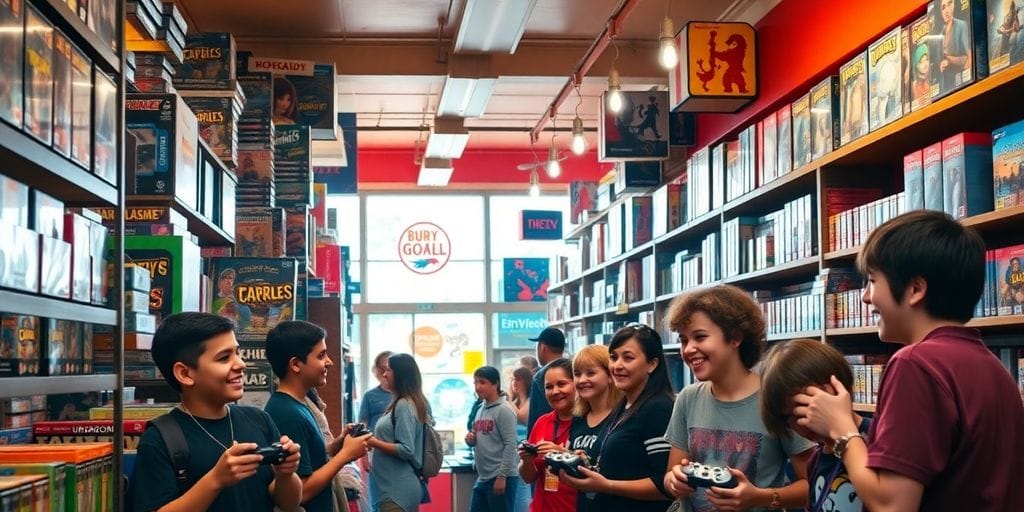
Looking for the perfect spot to grab new games or hang out with fellow players? Finding great game stores close to me can be a bit of a hunt, but it’s totally worth it. This guide will walk you through everything you need to know to find that awesome local game shop that fits your style, whether you’re into board games, card games, or role-playing adventures.
Key Takeaways
- Think about what kinds of games you like and how many people you usually play with.
- Use online maps and look at gaming forums to find stores nearby.
- Always check out the store’s game selection, especially for new stuff or things you need.
- See if the store feels welcoming and if they have space for games or events.
- Ask about loyalty programs or if they fix games; some stores do cool extra stuff.
Understanding Your Gaming Needs
Before you even start searching for a game store, it’s a good idea to figure out what you’re actually looking for. This will save you time and help you find a store that truly meets your needs. Let’s break down some key things to consider.
Identifying Your Preferred Game Genres
What kind of games do you enjoy? Are you into strategy board games, collectible card games, role-playing games, or miniature wargaming? Maybe you like a mix of everything! Knowing your preferred genres will help you narrow down your search. Some stores specialize in certain types of games, while others offer a broader selection. For example, if you’re a die-hard Magic: The Gathering fan, you’ll want to find a store with a strong selection of cards and organized play events for that game.
Considering Your Gaming Group Size
Think about how many people you usually play with. Are you part of a large gaming group, or do you prefer smaller, more intimate sessions? This will influence the types of games you’re interested in. Some games are designed for large groups, while others are better suited for two players. Also, if you have a regular group, consider their preferences as well. Finding games that everyone enjoys can be a challenge, but it’s worth the effort.
Assessing Your Budget for Gaming Supplies
Gaming can be an expensive hobby, so it’s important to set a budget. How much are you willing to spend on new games, accessories, and other supplies? Prices can vary widely, so it’s good to have a realistic idea of what you can afford. Also, consider whether you’re interested in buying used games, which can be a great way to save money. Don’t forget to factor in the cost of things like dice, card sleeves, and miniature paints, which can add up over time.
It’s easy to get caught up in the excitement of buying new games, but it’s important to be mindful of your budget. Consider setting a monthly spending limit and sticking to it. This will help you avoid overspending and ensure that you can continue to enjoy your hobby without breaking the bank.
Locating Game Stores Close to Me
Finding the perfect local game store can feel like a quest in itself. But with a few simple strategies, you can uncover hidden gems and established hubs for gamers in your area. Let’s explore some effective methods for locating game stores near you.
Utilizing Online Search Engines and Maps
Online search engines are your first and most accessible tool. A simple search like "game stores near me" on Google, Bing, or DuckDuckGo can yield a list of nearby options. Don’t forget to use online maps such as Google Maps or Apple Maps. These platforms not only show you the locations of stores but also provide valuable information like customer reviews, operating hours, and contact details. You can even see how far Eagle Rock is from your location.
Exploring Gaming Community Forums and Databases
Gaming communities often maintain lists and discussions about local game stores. Websites like BoardGameGeek (BGG) have forums where users share recommendations and experiences with different stores. These forums can provide insights into the store’s atmosphere, product selection, and community events. Local subreddits dedicated to gaming can also be a great source of information. Check out the board game stores in your area.
Leveraging Social Media for Local Recommendations
Social media platforms like Facebook, Twitter, and Instagram can be surprisingly effective for finding local game stores. Search for local gaming groups or use hashtags like #boardgames[city name] or #lgs[city name] to find posts and recommendations. You can also ask for recommendations directly in local community groups. People are often happy to share their favorite spots and experiences. Don’t hesitate to ask for local recommendations on social media.
Evaluating a Game Store’s Inventory
One of the most important aspects of choosing a game store is its inventory. Does it carry the games you want? Does it have enough variety to keep you interested? Here’s what to look for:
Assessing Board Game and Card Game Selection
When checking out a game store, start with the board games and card games. A good store will have a wide selection, from popular titles to more niche games. Consider these points:
- Variety: Does the store carry different types of board games (strategy, party, family, etc.)?
- New Releases: Are they up-to-date with the latest releases?
- Classics: Do they stock classic games that are always in demand?
A store’s board game and card game selection can tell you a lot about its focus. A store with a broad selection is more likely to cater to a wide range of gamers.
Checking for Role-Playing Game Supplies
For RPG enthusiasts, the availability of RPG supplies is crucial. Look for:
- Core Rulebooks: Does the store carry core rulebooks for popular RPGs like Dungeons & Dragons, Pathfinder, or Call of Cthulhu?
- Supplements: Are there supplementary materials like adventure modules, sourcebooks, and character options?
- Dice and Accessories: A good RPG section will have a variety of dice, character sheets, and other accessories.
Reviewing Availability of Accessories and Miniatures
Don’t forget to check for accessories and miniatures. These items can greatly enhance your gaming experience. Consider:
- Miniatures: Does the store carry miniatures for games like Warhammer 40,000 or historical wargames?
- Gaming Accessories: Look for things like card sleeves, deck boxes, playmats, and dice trays.
- Storage Solutions: Does the store offer storage solutions for your games and miniatures?
Considering Store Atmosphere and Community
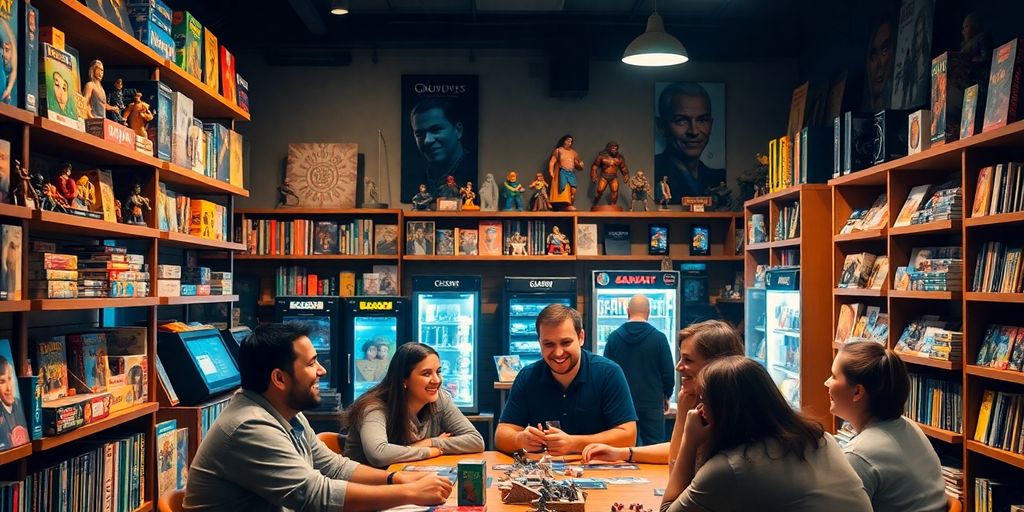
Finding a game store that just sells games is one thing, but finding one that feels like a second home? That’s the goal. The atmosphere and the community can make or break your experience. It’s not just about the products; it’s about the people and the vibe.
Observing Play Space and Event Offerings
Does the store have tables set up for playing games? Are people actually using them? A dedicated play space is a great sign. It means the store encourages people to hang out and play. Check out their event calendar too. Do they host Magic: The Gathering tournaments? Board game nights? RPG sessions? The more events, the better the chance you’ll find something you enjoy and meet like-minded gamers.
Interacting with Staff and Fellow Gamers
Don’t be afraid to strike up a conversation. Are the staff knowledgeable and helpful, or do they just point you to a shelf? Are the other customers friendly and welcoming? A good game store is a community hub, and the people are what make it special. If you’re new to a game, ask for recommendations. See if anyone is willing to teach you. You might just find your new gaming group.
Reviewing Store Policies and Accessibility
What are the store’s policies on things like returns, pre-orders, and using the play space? Are they clearly posted and easy to understand? Also, consider accessibility. Is the store easy to get to? Is it wheelchair accessible? Does it have good lighting and comfortable seating? These things might seem small, but they can make a big difference in your overall experience.
A welcoming game store can be a fantastic place to connect with others who share your interests. It’s a place to learn new games, improve your skills, and build lasting friendships. The atmosphere and community are just as important as the inventory, so take the time to find a store that feels like a good fit for you.
Here’s a quick guide to help you assess the store’s community:
- Staff Interaction: Are they helpful and knowledgeable?
- Customer Interaction: Are people friendly and welcoming?
- Event Participation: Are events well-attended and engaging?
Beyond the Purchase: Store Services
Game stores can be more than just places to buy games. Many offer services that enhance the overall gaming experience. Let’s explore what some local game stores provide beyond the initial sale.
Exploring Organized Play and Tournaments
Many game stores host organized play events and tournaments. These are great ways to meet other gamers, test your skills, and learn new strategies. Stores often run events for games like Magic: The Gathering, Pokémon, and various board games. These events can range from casual meetups to competitive tournaments with prizes. Check the store’s calendar or ask staff about upcoming events. Participating in store events can really boost your enjoyment of the hobby.
Investigating Repair and Customization Services
Some game stores offer repair and customization services. This is especially useful for miniatures or other gaming components that might break or need personalization. For example, a store might offer miniature painting services, terrain building workshops, or even repair broken board game pieces. These services can save you time and effort, and they can also help you create a unique gaming experience. I know a guy who got his Warhammer 40k army painted at a local store, and it looked amazing!
Inquiring About Loyalty Programs and Discounts
Many local game stores have loyalty programs and offer discounts to regular customers. These programs can provide various benefits, such as points for every purchase, exclusive discounts, or early access to new products. Some stores might also offer discounts for students, military personnel, or members of local gaming groups. It’s always a good idea to ask about these programs to see how you can save money on your gaming purchases. Plus, supporting your favorite FLGS is always a good thing.
Local game stores are more than just retail spaces; they’re community hubs. By taking advantage of the services they offer, you can deepen your engagement with the hobby and connect with fellow gamers. Don’t hesitate to ask about organized play, repair services, and loyalty programs to get the most out of your local game store.
Supporting Your Local Game Store
It’s easy to take your local game store for granted. They’re there when you need dice, a new board game, or just a place to play. But these stores are more than just retail spaces; they’re community hubs. Here’s how you can help keep them thriving.
Participating in Store Events
One of the best ways to support your local game store is to actively participate in the events they host. These events can range from casual game nights to more structured tournaments. By showing up, you’re not only having fun but also contributing to the store’s revenue and creating a vibrant atmosphere. Here are a few ways to get involved:
- Attend game nights: Many stores host regular game nights for specific games or genres. This is a great way to meet new people and try out new games.
- Join tournaments: If you’re competitive, consider participating in tournaments. These events often have entry fees, which directly support the store.
- Participate in special events: Keep an eye out for special events like release parties, demo days, and charity events. These are fun ways to support the store and the community.
Providing Constructive Feedback
Your feedback is valuable to your local game store. Store owners and staff want to know what they’re doing well and where they can improve. Providing constructive feedback helps them better serve the community and tailor their game selection to your needs. Here’s how to offer helpful feedback:
- Be specific: Instead of saying "I didn’t like the event," explain what you didn’t like and why.
- Be respectful: Even if you have negative feedback, deliver it in a polite and constructive manner.
- Offer suggestions: If you have ideas for how the store can improve, share them. Store owners are often open to new ideas.
Constructive feedback is a gift. It helps the store grow and adapt to the changing needs of its customers. Don’t be afraid to share your thoughts, but always do so with respect and a desire to help.
Spreading Positive Word-of-Mouth
In today’s digital age, word-of-mouth marketing is more powerful than ever. Sharing your positive experiences with your local game store can attract new customers and help the store thrive. Here are some ways to spread the word:
- Write online reviews: Leave positive reviews on websites like Yelp, Google, and Facebook. Be sure to mention specific things you liked about the store, such as the selection, the staff, or the atmosphere.
- Share on social media: Post about your experiences at the store on social media. Tag the store in your posts and use relevant hashtags.
- Tell your friends: The simplest way to support your local game store is to tell your friends about it. If you know someone who’s looking for a new hobby or a place to play games, recommend your local store. Positive recommendations can make a big difference.
By actively supporting your local game store, you’re not just buying games; you’re investing in a community hub that brings people together and enriches your life. Consider supporting your FLGS today!
Navigating Online Versus Local Shopping
Weighing Price and Convenience Factors
When deciding where to buy your games, price and convenience are big things to think about. Online stores often have lower prices because they don’t have the same costs as brick-and-mortar stores. You might find deals and discounts that you can’t get locally. Also, shopping online is super convenient – you can do it from your couch any time of day. But, you have to wait for shipping, and sometimes shipping costs can eat into those savings. Local stores might be a bit pricier, but you get the game right away. It really comes down to what’s more important to you: saving a few bucks or getting your hands on the game now. For example, you might find a better deal on board games online, but then you have to wait a week for it to arrive.
Considering Immediate Gratification and Expert Advice
One of the best things about going to a local game store is that you get your stuff right away. No waiting for shipping! You can walk out with your new game and start playing it that night. Plus, local game stores often have staff who really know their stuff. They can give you advice, help you pick out a game, and even teach you how to play. Online, you’re on your own – reading reviews and watching videos. Sometimes that’s enough, but other times it’s nice to have someone who can answer your questions in person. Immediate access and expert help are big advantages of shopping locally.
Understanding the Impact on Local Businesses
Shopping at your local game store helps your community. These stores are often small businesses owned by people who live in your town. When you spend money there, you’re supporting them and helping them stay open. This can mean more jobs and a stronger local economy. Online stores, especially the big ones, don’t always have the same connection to your community. So, if you care about supporting local businesses, shopping at a game store near you is a good way to do it.
Supporting local businesses is important for the community. It helps create jobs and keeps money within the local economy. By choosing to shop at a local game store, you’re investing in the well-being of your neighborhood.
Conclusion
So, finding a good game store nearby is a pretty big deal for anyone who likes games. It’s not just about buying stuff; it’s about finding a place where you feel at home, where you can meet other people who like the same things you do. Take your time, look around, and don’t be afraid to ask questions. You might just find your new favorite spot to hang out and play some games.
Frequently Asked Questions
How do I find a good game store close to where I live?
Finding a great game store nearby is easier than you think! You can start by searching online using sites like Google Maps or Apple Maps. Just type in “game stores near me” and see what pops up. Another good idea is to check out gaming websites and forums, like BoardGameGeek. Many gamers share their favorite local spots there. Social media can also be a big help; ask around in local gaming groups for recommendations.
What should I look for in a game store’s inventory?
When you’re looking for a game store, think about what kind of games you like. Do you prefer board games, card games, or role-playing games? Make sure the store has a good variety of the games you’re interested in. Also, check if they have accessories like dice, card sleeves, or miniatures. A store with a wide selection means you’ll likely find what you’re looking for.
What makes a game store’s atmosphere good?
A good game store often has a friendly vibe. Look for places with space where people can play games, and check if they host events or tournaments. Talk to the people who work there and other customers to get a feel for the community. A store that feels welcoming and has a strong group of regulars is usually a good sign.
Do game stores offer anything besides selling games?
Many game stores offer more than just games for sale. They might have game nights, tournaments, or even special events where you can try out new games. Some stores also offer services like fixing game pieces or painting miniatures. Don’t forget to ask about loyalty programs or discounts, as these can save you money in the long run.
How can I support my local game store?
Supporting your local game store is super important! You can do this by buying your games and supplies there instead of online. Go to their events and game nights to meet other players and build the community. If you have a good experience, tell your friends and spread the word. And if you have ideas for improvement, share them nicely with the staff.
Is it better to buy games online or at a local store?
Both online and local shopping have their upsides. Online stores might have lower prices or a bigger selection, and it’s super convenient to shop from home. But local stores let you see the games in person, ask staff for advice, and get your games right away. Plus, buying local helps keep businesses in your community strong and provides a place for gamers to meet and play.