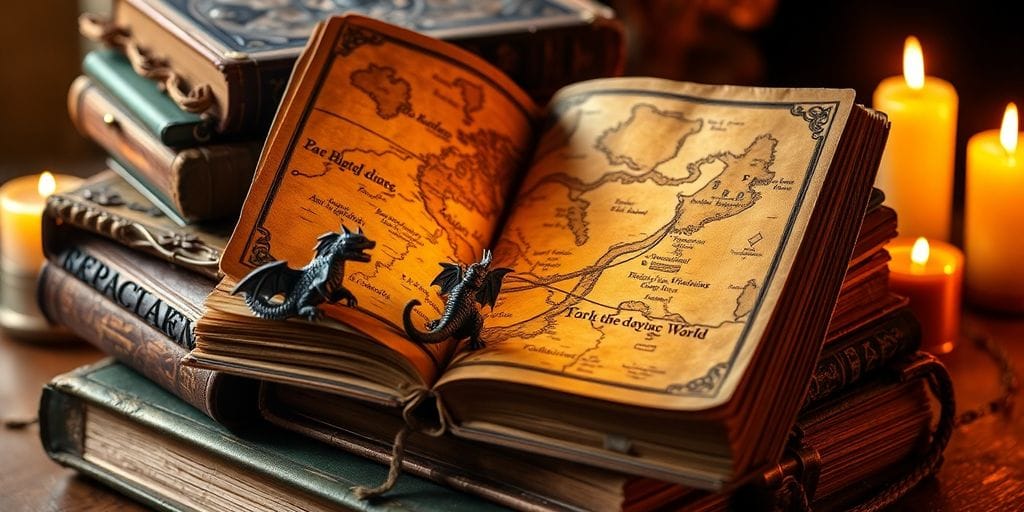
Fantasy books have a special place in literature, pulling readers into amazing worlds. Think about the huge success of “Game of Thrones” books, for example. These stories aren’t just about dragons and magic; they often explore deep ideas and build incredibly detailed places. This article will look at why these kinds of books grab so many people’s attention, using the “books game of thrones” series as a main example, and then we’ll see what else is out there in the fantasy world.
Key Takeaways
- Fantasy stories are popular because they create detailed worlds and interesting characters.
- The “Game of Thrones” books and TV show became a big deal due to their complex plots and themes.
- Beyond Westeros, there are many other fantasy series and new authors to discover.
- Good storytelling in long fantasy series uses strong narrative techniques and character building.
- The success of “books game of thrones” comes from George R.R. Martin’s unique style and how fans connect with the story.
The Enduring Appeal of Fantasy Literature
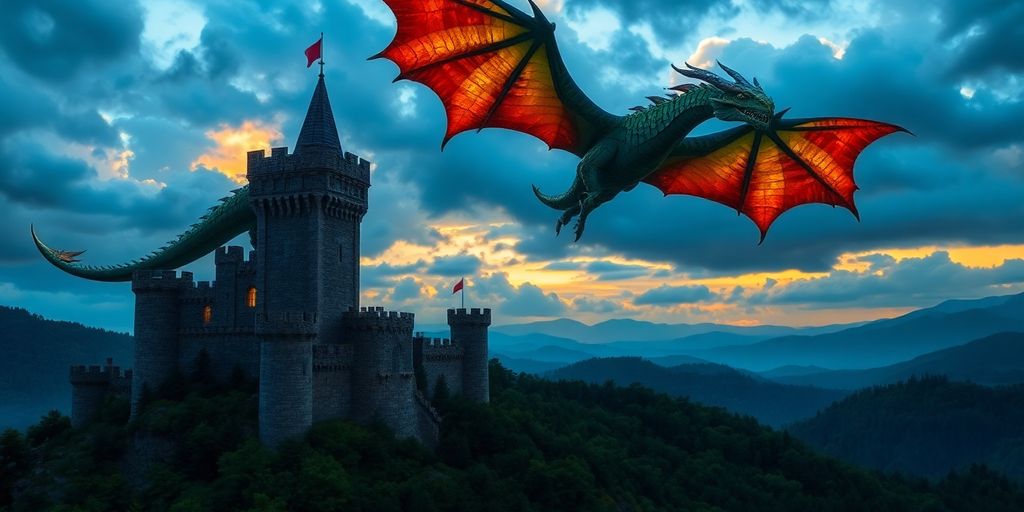
Fantasy literature has a special hold on readers, and it’s not hard to see why. It offers an escape to worlds where anything is possible, where magic exists, and where heroes rise against incredible odds. But what exactly makes this genre so appealing?
Understanding the Genre’s Broad Reach
Fantasy isn’t just about dragons and wizards; it’s a diverse category that includes everything from high fantasy epics to urban fantasy thrillers. You’ve got your classic sword and sorcery, but also steampunk, magical realism, and even some sci-fi crossovers. This variety means there’s something for almost every reader. I think that’s why fantasy books are so popular.
The Role of World-Building in Engaging Readers
One of the biggest draws of fantasy is the immersive world-building. Authors create entire societies, histories, and magic systems from scratch. This level of detail allows readers to get completely lost in the story, feeling like they’re actually visiting another place. A well-built world feels real, even if it’s filled with impossible things.
Character Development as a Core Element
Beyond the magic and adventure, fantasy stories often focus on the personal journeys of their characters. We see them struggle, grow, and make difficult choices. These characters become relatable, even when they’re wielding swords or casting spells. It’s the human element that keeps us invested.
Fantasy literature provides a unique space for exploring complex themes and ideas. It allows us to examine morality, power, and identity in ways that are both entertaining and thought-provoking. The genre’s ability to blend escapism with deeper meaning is a key part of its lasting appeal.
Here are some common elements in fantasy character development:
- Internal conflict: Characters grapple with their own doubts and fears.
- Moral ambiguity: Heroes aren’t always perfect, and villains aren’t always evil.
- Growth and change: Characters evolve throughout the story, learning from their experiences.
Game of Thrones: A Cultural Phenomenon
Game of Thrones wasn’t just a TV show; it became a cultural touchstone. It dominated conversations, influenced fashion, and even impacted baby names. The series, adapted from George R.R. Martin’s books, captivated audiences worldwide with its intricate plotlines, morally gray characters, and stunning visuals. It redefined what fantasy television could be, setting a new standard for production value and narrative complexity.
From Page to Screen: Adapting a Literary Epic
Adapting A Song of Ice and Fire for television was a monumental task. The books are sprawling, filled with hundreds of characters and intricate storylines. The showrunners had to make tough choices about what to include and what to cut, often streamlining plots and merging characters to fit the constraints of a television season. This adaptation process sparked countless debates among fans, with some praising the show for bringing the books to life and others criticizing it for deviating from the source material.
The Impact of Narrative Complexity on Audiences
Game of Thrones distinguished itself through its willingness to kill off major characters, challenge traditional fantasy tropes, and explore complex themes. This narrative complexity kept audiences on the edge of their seats, unsure of who to trust or what to expect. The show’s success demonstrated that viewers were hungry for stories that went beyond simple good-versus-evil narratives.
Exploring Themes of Power and Conflict
At its core, Game of Thrones is a story about power – who has it, who wants it, and what they’re willing to do to get it. The series explores the corrupting influence of power, the futility of war, and the importance of family and loyalty. These themes, while set in a fantastical world, resonated with audiences because they reflect real-world issues and human experiences.
The show’s exploration of political intrigue, moral ambiguity, and the human cost of conflict made it more than just a fantasy series; it was a commentary on society itself.
Beyond Westeros: Expanding Literary Horizons
Okay, so you’ve explored Westeros and are looking for something new? Good! There’s a whole universe of fantasy books out there. It can be a bit overwhelming, but also super exciting. Time to move beyond the familiar and see what else the genre has to offer.
Discovering Diverse Fantasy Universes
Fantasy isn’t just about knights and dragons anymore (though those are still cool!). You can find fantasy worlds inspired by pretty much any culture or historical period you can think of. Want something with a distinctly East Asian flavor? Check. Something drawing on pre-Columbian America? Got it. The possibilities are endless. It’s all about finding what clicks with you.
The Evolution of Modern Fantasy Writing
Fantasy writing has changed a lot. It used to be that most fantasy was pretty straightforward good vs. evil. Now, you see a lot more moral complexity, grayer characters, and stories that really make you think. Authors are also playing with the genre itself, mixing in elements of science fiction, horror, and even romance. It’s a really interesting time to be a fantasy reader. If you are interested in dark fantasy novels, there are many options to choose from.
Connecting with New Authors and Series
Finding new authors and series can feel like a treasure hunt. Here are a few ways to get started:
- Book blogs and websites: Lots of great sites out there that review and recommend fantasy books.
- Social media: Follow authors and readers on platforms like Twitter and Instagram to see what they’re reading and talking about.
- Library and bookstore staff: Don’t be afraid to ask for recommendations! They often know about hidden gems.
It’s easy to get stuck in a rut, reading the same authors over and over. But pushing yourself to try new things can really pay off. You might discover your next favorite book!
The Craft of Storytelling in Epic Sagas
Techniques for Immersive Narrative Creation
Creating an immersive narrative is all about pulling the reader into the world you’ve built. It’s more than just describing things; it’s about making the reader feel like they’re there. One way to do this is through sensory details. Don’t just say the forest is dark; describe the damp smell of the earth, the rustling of unseen creatures, and the way the light filters through the canopy. Another technique is to use a close third-person point of view, allowing the reader to experience the world through the eyes of a character. This can create a strong sense of empathy and investment.
- Use vivid descriptions that appeal to all five senses.
- Incorporate local slang and dialects to add authenticity.
- Show, don’t tell. Let the reader infer information through actions and dialogue.
Immersive storytelling isn’t just about the world itself, but also about the characters who inhabit it. Their struggles, their triumphs, and their relationships all contribute to the overall experience. Make sure your characters feel real, with flaws and motivations that readers can understand, even if they don’t agree with them.
Building Believable Characters and Societies
Believable characters are the heart of any good story, especially in epic sagas. They need to be more than just archetypes; they need to have depth, contradictions, and personal histories that shape their actions. Similarly, societies need to feel lived-in, with their own customs, laws, and social hierarchies. Think about the history of your world and how it has shaped the people who live there. What are their values? What are their fears? How do they interact with each other?
A well-developed character should have clear motivations, flaws, and a compelling backstory.
Consider these elements when crafting your societies:
- Political structure: How is power distributed?
- Economic system: How do people make a living?
- Cultural norms: What are the accepted behaviors and beliefs?
The Art of Pacing and Plot Development
Pacing is key to keeping readers engaged in a long saga. You can’t have every chapter be a high-stakes battle, but you also can’t have too many chapters of exposition. It’s a balancing act. Think about the overall structure of your story and how you want to build tension and release it. Use subplots to add complexity and keep things interesting, but make sure they tie back into the main plot in some way. Don’t be afraid to deviate from the expected path, but always have a clear sense of where you’re going.
| Plot Element | Description and the future of fantasy writing.
Analyzing the Success of Game of Thrones Books
George R.R. Martin’s Unique Contributions
George R.R. Martin didn’t just write fantasy; he reshaped it. His approach to character development, where protagonists face moral ambiguities and consequences for their actions, was a departure from traditional fantasy tropes. This willingness to kill off major characters created a sense of unpredictability that kept readers hooked. He also brought a level of realism to the genre, focusing on the gritty aspects of medieval life, political intrigue, and the psychological impact of war. It’s not just about dragons and magic; it’s about people struggling for power in a brutal world.
The Depth of Historical and Political Intrigue
One of the reasons the Game of Thrones books resonated with so many readers is the intricate web of historical and political allusions woven into the narrative. Martin drew inspiration from real-world events, such as the Wars of the Roses, to create a believable and complex political landscape. The various houses, their histories, and their motivations are all deeply rooted in the world’s lore, making the power struggles feel authentic. This depth allows readers to engage with the story on multiple levels, analyzing the characters’ decisions and predicting the outcomes of their actions. The books aren’t just escapism; they’re a study in power dynamics and human nature.
Fan Engagement and Community Building
The success of Game of Thrones extends far beyond the pages of the books themselves. The series has fostered a massive and active fan community. This community thrives on:
- Online forums and discussion boards
- Fan theories and analyses
- Cosplay and fan art
- Conventions and gatherings
The intense fan engagement has played a huge role in the series’ popularity. Readers feel invested in the world and its characters, leading to passionate discussions and debates. This level of interaction has helped to sustain interest in the books and the television adaptation, creating a cultural phenomenon that continues to evolve.
This engagement isn’t just passive consumption; it’s active participation in a shared narrative. The community amplifies the impact of the books, turning them into a cultural touchstone.
Navigating the World of Book Adaptations
Book adaptations are everywhere these days. It seems like every popular book is getting turned into a movie or TV show. But how do these adaptations actually work? What makes a good adaptation, and what are some of the challenges involved?
Challenges and Triumphs in Media Translation
Adapting a book for the screen is not easy. One of the biggest challenges is figuring out how to translate the author’s vision into a visual medium. What works on the page doesn’t always work on the screen. For example, internal monologues, which are common in books, can be difficult to portray in a movie without using voice-overs, which some viewers find distracting. Another challenge is deciding what to cut. Most books are longer than the average movie or TV season, so adaptors have to make tough choices about what to include and what to leave out. Sometimes these changes are necessary for pacing or clarity, but they can also upset fans of the book.
The Influence of Visual Storytelling on Perception
Visual storytelling can really change how we see a story. The way characters are cast, the sets are designed, and the music is used can all influence our perception of the story. For example, an actor’s portrayal of a character might be very different from how a reader imagined them. Or, a particular scene might be more impactful on screen because of the visual effects or the music. This isn’t necessarily a bad thing, but it’s important to be aware of how visual storytelling can shape our understanding of the story.
Comparing Literary and Screen Interpretations
It’s always interesting to compare the book and the adaptation. Here are some things to consider:
- Character Portrayal: How do the actors compare to your mental image of the characters?
- Plot Changes: Were there any major plot points that were changed or omitted?
- Themes: Did the adaptation capture the main themes of the book?
- Overall Impression: Did you enjoy the adaptation? Did it enhance or detract from your experience of the book?
Ultimately, whether or not an adaptation is successful is a matter of personal opinion. Some people prefer faithful adaptations that stick closely to the source material, while others are more open to changes. The important thing is to approach each adaptation with an open mind and to appreciate it for what it is, rather than simply judging it against the book.
The Future of Fantasy: Trends and Innovations
Fantasy is always changing, and it’s interesting to see where it might go next. It’s not just about dragons and elves anymore (though those are still cool!).
Emerging Voices and Subgenres in Fantasy
We’re seeing a lot more diversity in fantasy now, which is great. More authors from different backgrounds are writing stories, and they’re bringing new perspectives to the genre. This means we’re getting fantasy that explores different cultures, mythologies, and social issues. It’s not just the same old European-inspired settings anymore. For example, there’s a rise in hopepunk, which focuses on characters working together to solve problems, and grimdark, which is the opposite, focusing on morally grey characters in brutal worlds. This expansion of subgenres keeps the fantasy landscape fresh and exciting.
The Role of Technology in Book Consumption
How we read books is changing too. E-books and audiobooks are super popular, and they make it easier than ever to access fantasy stories. You can carry a whole library in your pocket! Plus, there are new ways to interact with books, like online communities and fan forums. People can discuss their favorite characters and theories, and even create their own fan fiction. Artificial intelligence is also starting to play a role, with AI-narrated audiobooks and tools that help authors write their stories.
Sustaining Reader Interest in Long-Running Series
One of the challenges for fantasy authors is keeping readers engaged in long series. It can be tough to maintain the same level of excitement over ten or more books. Some authors use cliffhangers, while others introduce new characters or plot twists to keep things interesting. It’s a balancing act between giving readers what they expect and surprising them with something new.
Authors are experimenting with different narrative structures, like interconnected short stories or multiple perspectives, to keep long series from feeling stale. They’re also focusing on character development and emotional arcs, so readers stay invested in the characters’ journeys even if the main plot slows down.
Wrapping Things Up
So, we’ve looked at how books, especially big ones like the ‘Game of Thrones’ series, can really pull you in. It’s not just about reading words on a page. It’s about getting lost in a whole new world, meeting characters, and seeing how stories can grow and change. Whether it’s a fantasy epic or something totally different, books let us explore ideas and places we might never get to otherwise. They’re a simple way to learn and have fun, all at the same time. It’s pretty cool when you think about it.
Frequently Asked Questions
Why do people love fantasy stories so much?
Fantasy books often take you to amazing, made-up places with their own rules, people, and histories. This deep dive into a new world makes reading them a truly special experience. Think of it like going on a grand adventure without leaving your comfy chair!
What made Game of Thrones such a huge hit?
Game of Thrones became super popular because it told a really complex story with lots of different characters and unexpected twists. It wasn’t just good on paper; the TV show brought it to life in a big way, making even more people interested in the books.
Is it hard to turn a book into a TV show or movie?
When a book becomes a movie or TV show, it’s always a challenge. Filmmakers have to decide what to keep, what to change, and how to show things that were only in your imagination. Sometimes they do a great job, and other times fans might feel like something important was missed.
Are there other fantasy books like Game of Thrones I should read?
Beyond Game of Thrones, there are tons of other fantastic fantasy worlds to explore! Many new authors are writing fresh and exciting stories, and the fantasy genre is always growing with new ideas and types of magic. It’s a great time to find your next favorite series.
What makes George R.R. Martin’s writing special?
George R.R. Martin is known for writing very detailed stories with many characters and deep political plots. He doesn’t shy away from surprising his readers, which makes his books both exciting and sometimes a little shocking.
What’s next for fantasy books?
The future of fantasy looks bright! More and more diverse voices are telling stories, and technology is changing how we read books. Also, authors are finding new ways to keep long book series interesting for many years.