It’s easy to just order a game online or grab one from a big department store, I get it. But there’s something different about a local game shop. It’s more than just a place to buy stuff; it’s a community spot. If you’ve been thinking about finding a new place to hang out and play, or just want to support a local business, this article is for you. We’re going to talk about what makes a local game store great and how you can find the best and nearest game stores to me, or well, to you. It’s 2025, and there are probably more options around than you think.
Key Takeaways
- A good game store feels welcoming from the moment you walk in, with staff who actually know and love the games they sell.
- Check out the play area—it should be clean, with decent tables and a library of games you can actually borrow and play.
- Look for stores that run events like casual game nights, tournaments, or sessions for beginners to learn new games.
- Use social media and online reviews to check out a store’s event schedule and see what other local players are saying about it.
- Figure out if a store focuses on what you like, whether it’s miniature wargames, collectible card games, or unique board games.
The Hallmarks Of A Great Local Game Store
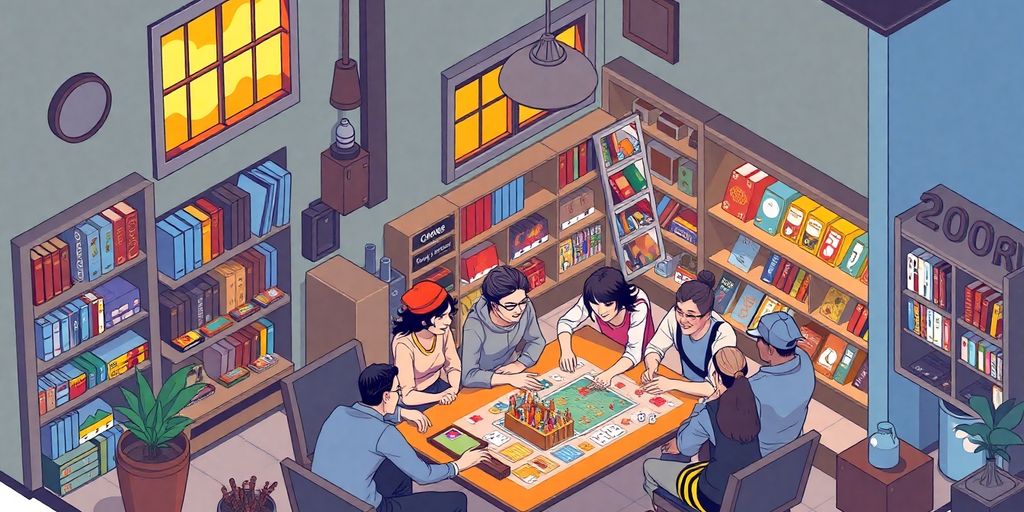
What makes a local game store truly stand out? It’s more than just shelves stocked with the latest releases. It’s about the overall experience, the feeling you get when you walk through the door. It’s about finding a place where you feel welcome, supported, and excited to explore the world of games. Let’s look at some key things that make a local game store great.
A Welcoming And Inclusive Community Atmosphere
A great local game store is a hub for gamers of all kinds. It’s a place where newcomers feel just as comfortable as seasoned veterans. This starts with a friendly and approachable staff, but it extends to the customers themselves. Are people chatting and laughing? Are there groups actively welcoming new players? A positive atmosphere is key. A store that actively promotes inclusivity, perhaps through dedicated women’s or LGBTQ+ gaming groups, signals that everyone is welcome. This is a big deal for building a loyal customer base and a thriving community. You can often get a sense of this atmosphere just by walking in and observing for a few minutes. Or, check out their community reviews online.
Knowledgeable Staff And Passionate Ownership
Having staff who know their stuff is super important. It’s not enough to just stock games; the people running the store should be able to recommend games based on your preferences, explain complex rules, and offer insights into the hobby. Passionate ownership often translates to a well-curated selection and a genuine desire to help customers find the perfect game. They should be up-to-date on new releases, industry trends, and the history of gaming. A good test is to ask for a recommendation based on a game you already love – their response will tell you a lot about their knowledge and passion.
A Curated And Diverse Game Selection
While big box stores might have a wide selection, local game stores often excel at curating their inventory. This means they carefully select games that are high-quality, interesting, and cater to a variety of tastes. A good store will have a mix of popular titles, hidden gems, and games from independent publishers. They should also cater to different gaming preferences, from board games and card games to miniature wargaming and role-playing games. A diverse selection ensures that there’s something for everyone, and it shows that the store is invested in the hobby beyond just selling the latest hotness.
A great local game store is more than just a place to buy games; it’s a community center, a learning hub, and a place where friendships are forged. It’s a place where you can escape the everyday and immerse yourself in the world of gaming. It’s a place where you belong.
Evaluating The In-Store Gaming Environment
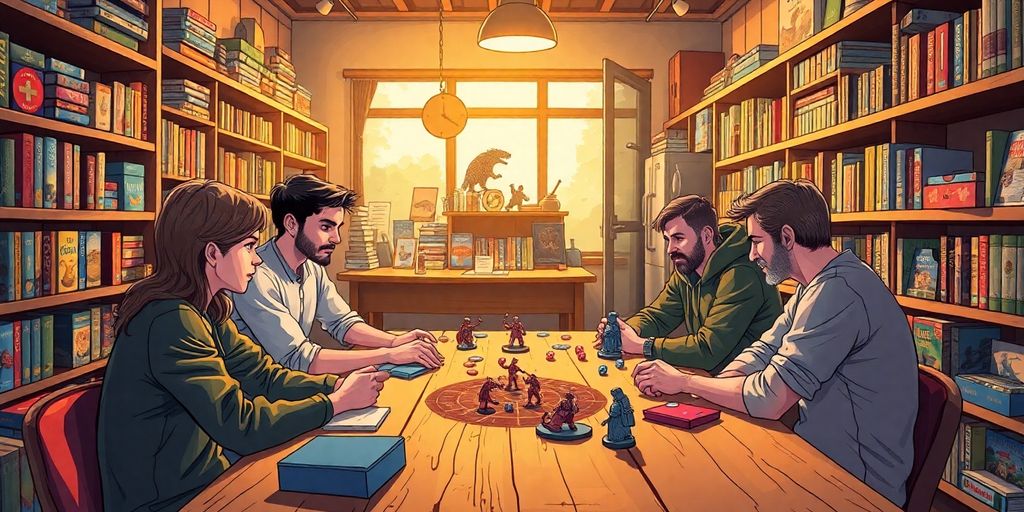
Beyond just stocking games, a great local game store provides an inviting and functional space for playing them. The environment can significantly impact your overall experience, whether you’re a seasoned player or just starting out. Let’s look at what makes a game store’s environment top-notch.
Assessing The Cleanliness And Organization
First impressions matter. A clean and well-organized store shows respect for its customers and its products. Nobody wants to shuffle through dusty shelves or play a game on a sticky table. Look for these signs of a well-maintained space:
- Floors are clean and free of debris.
- Shelves are organized, with games clearly labeled and easy to find.
- Gaming tables are wiped down regularly.
- Restrooms are clean and stocked.
A store’s physical condition speaks volumes about its commitment to providing a positive experience. If the staff takes pride in the appearance of the store, it’s a good sign they care about the other aspects of their business, too.
The Importance Of Well-Maintained Game Libraries
Many local game stores offer a library of games that customers can play in-store. This is a fantastic way to try out new titles before buying them or to enjoy a game that you don’t own. However, a game library is only as good as its condition. A good store will maintain its game libraries well. Here’s what to look for:
- Games are complete with all their pieces.
- Components are in good condition (cards aren’t bent, miniatures aren’t broken).
- Rules are readily available and easy to understand.
- The library is organized and easy to browse.
Comfort And Quality Of Gaming Tables
The gaming tables are where the magic happens. Whether you’re rolling dice, moving miniatures, or strategizing with friends, you’ll want a comfortable and functional space to play. Consider these factors when evaluating the gaming tables:
- Table size: Is there enough room for all players and game components?
- Table surface: Is it smooth and easy to clean? Does it provide good traction for dice and miniatures?
- Chair comfort: Are the chairs comfortable enough for long gaming sessions?
- Lighting: Is the lighting adequate for reading cards and seeing the game board clearly?
| Feature | Ideal | Acceptable |
|---|---|---|
| Table Size | Large enough for 6+ players comfortably | Enough for the game being played, even if tight |
| Table Surface | Smooth, clean, good traction | Mostly clean, some wear and tear |
| Chair Comfort | Ergonomic, adjustable | Basic, but not uncomfortable for a few hours |
| Lighting | Bright, adjustable | Adequate for gameplay |
More Than A Retailer: Events And Community Building
Local game stores are evolving. They’re not just places to buy games anymore; they’re becoming community hubs. The best stores understand this and actively work to create a welcoming environment for all types of gamers. This means hosting events, fostering a sense of belonging, and providing opportunities for people to connect over their shared love of games. Let’s explore how these stores go beyond simple retail.
Finding Your Niche With Themed Game Nights
Game nights are a staple of many local game stores, but the truly great ones offer themed nights to cater to specific interests. Think about it: a dedicated night for Warhammer enthusiasts, another for board game aficionados, and yet another for role-playing game fanatics. These themed nights help people find others who share their passions, making it easier to form lasting friendships.
Here’s a quick look at some popular themed nights:
- Magic: The Gathering Night: For card game battles and trading.
- Board Game Bonanza: Featuring a wide selection of board games, from classics to new releases.
- Dungeons & Dragons Night: A chance to embark on epic adventures with fellow role-players.
Themed game nights are a fantastic way to build a community around specific games. They provide a structured environment for people to meet, play, and learn from each other. This focused approach can be much more effective than simply having open gaming hours.
Tournaments, Leagues, And Competitive Play
For those with a competitive spirit, tournaments and leagues are a major draw. Stores that host regular events like these often attract a dedicated following. These events can range from casual, friendly competitions to more serious, high-stakes tournaments with prizes. A well-run tournament can really boost a store’s profile and bring in new customers. Consider these aspects of competitive play:
- Regular Scheduling: Consistent tournament schedules allow players to plan ahead.
- Varied Formats: Offering different game formats keeps things fresh and exciting.
- Clear Rules and Judging: Fair and consistent rules are essential for a positive experience.
Learn-To-Play Sessions For Newcomers
One of the most important things a local game store can do is welcome new players into the hobby. Learn-to-play sessions are a great way to do this. These sessions provide a friendly and supportive environment for beginners to learn the rules of a new game and get started. A good learn-to-play session can turn a curious observer into a lifelong gamer. Stores can use these sessions to:
- Introduce Popular Games: Focus on games that are easy to learn but offer depth and replayability.
- Provide Experienced Instructors: Knowledgeable and patient instructors are key to a positive learning experience.
- Offer Follow-Up Support: Encourage new players to return by offering ongoing support and guidance.
Using Digital Tools To Find The Nearest Game Stores To You
Finding your local game store used to involve word-of-mouth or aimless wandering. Now, a wealth of digital tools puts these havens for gamers right at your fingertips. It’s easier than ever to locate, evaluate, and connect with the game stores in your area. Let’s explore how to use these resources effectively.
Navigating Online Inventories And Webstores
Many local game stores have embraced the digital age by creating online stores. These webstores often showcase their current inventory, allowing you to browse from the comfort of your home. This is especially useful if you’re looking for something specific, like a rare expansion or a particular miniature. Some stores even offer online ordering with in-store pickup or delivery options. This saves you time and ensures the product you want is available before you make the trip. You can find board games of 2025 online.
Leveraging Social Media For Event Schedules
Social media platforms like Facebook, Instagram, and Twitter are invaluable for staying up-to-date on local game store events. Stores frequently post announcements about upcoming game nights, tournaments, special sales, and learn-to-play sessions. Following your local stores on social media is a great way to discover new games, meet fellow enthusiasts, and participate in the community. Many stores also use social media to run contests and promotions, giving you a chance to win prizes or discounts. It’s a good idea to check their pages regularly for the latest news and happenings.
Reading Community Reviews And Testimonials
Before visiting a new game store, take some time to read online reviews and testimonials. Websites like Google Reviews, Yelp, and even dedicated gaming forums often feature customer feedback about local stores. These reviews can provide insights into the store’s atmosphere, staff knowledge, game selection, and overall customer experience. Pay attention to recurring themes in the reviews, both positive and negative, to get a well-rounded picture of what to expect. Remember that reviews are subjective, but they can be a helpful tool in making an informed decision about where to shop and play. It’s like getting a recommendation from a friend, but on a larger scale.
Online reviews are a great way to get a feel for a store’s atmosphere and customer service before you even walk through the door. They can also alert you to potential issues, such as limited parking or a cramped gaming space.
Identifying A Store’s Unique Specialization
Not all game stores are created equal. While some aim to be a generalist, stocking a little bit of everything, the best local game stores often cultivate a unique specialization. This focus allows them to become a true hub for a specific community, offering expertise and products that you simply won’t find in larger retail chains. Knowing what a store specializes in can help you find the perfect place to pursue your gaming passions.
Havens For Miniature Wargaming Enthusiasts
For those who love the strategic depth and artistic expression of miniature wargaming, finding a store that caters specifically to this hobby is essential. These stores typically offer:
- A wide selection of miniatures, paints, and modeling supplies.
- Dedicated terrain and gaming tables for various wargames.
- Regular events and tournaments for popular systems like Warhammer 40,000, Age of Sigmar, and historical wargames.
These stores often become community hubs, where players can meet, share tips, and participate in organized campaigns. They might also host painting workshops or offer commission painting services.
Hubs For Collectible Card Games
Collectible card games (CCGs) like Magic: The Gathering, Pokémon, and Yu-Gi-Oh! have massive followings, and many local game stores focus primarily on serving this audience. Expect to find:
- A large inventory of singles, booster packs, and sealed product.
- A dedicated space for playing and trading cards.
- Weekly tournaments, drafts, and other organized play events.
These stores often have a bulletin board or online forum where players can connect and arrange trades. Some might even offer card grading services or buy collections. Make sure you check out the Citiesabc organization for more information on local hubs.
Boutiques For Independent And Euro-Style Board Games
If your tastes lean towards strategy board games with intricate mechanics and unique themes, look for a store that specializes in independent and Euro-style games. These stores usually feature:
- A curated selection of games from smaller publishers and international designers.
- Knowledgeable staff who can recommend games based on your preferences.
- Demo copies of games that you can try before you buy.
These stores often host board game nights where you can learn new games and meet other enthusiasts. They might also carry accessories like card sleeves, dice, and game organizers.
Finding Your Community Hub
It’s easy to just click a button and have a game show up at your door. We all do it. But there’s something different about a local game store. These places are more than just shelves of boxes; they’re where you can meet other players, get honest advice from staff who actually play, and maybe even try a game before you buy it. Think of them as the heart of the local gaming community. So, the next time you’re looking for a new game, consider stopping by a local shop. You’re not just buying a product; you’re helping a small business and keeping the local hobby scene alive and well for everyone.
Frequently Asked Questions
Besides a good selection, what should I look for in a local game store?
A truly great game store is about more than just the products on the shelves. It should have a friendly vibe that makes you feel welcome as soon as you step inside. The people working there should be excited about games and happy to help you find what you need, whether you’re a new player or have been in the hobby for years. The best stores are community spots where you can hang out and play.
I’m new to board games. Will I feel out of place at a game store?
Most stores are very welcoming to beginners! It’s actually one of the best places to start. Many shops host special events for new players to learn popular games in a friendly, low-pressure setting. Don’t be shy about telling the staff you’re new; they are usually thrilled to help someone discover the fun of tabletop gaming.
Do all game stores sell the same kinds of games?
Definitely not. Many shops have a special focus. One store might be the best place for miniature wargames, with lots of custom tables and scenery. Another might be a hub for card games like Magic or Pokémon, with tournaments happening all the time. Others might focus on unique board games you can’t find at big box retailers. It’s fun to explore different shops to see what their specialty is.
How can I find out if a store has a specific game I want?
The easiest way is to check the store’s website, as many now have their inventory listed online. If they don’t have a website with a store, a quick phone call is your best bet. You can also try reaching out on their social media pages. Most are happy to check for you and hold an item if they have it.
If I want to play games at the store, what makes for a good play space?
Look for a gaming area that is clean, comfortable, and has good lighting. The tables should be sturdy and big enough for different types of games. It’s also a huge plus if the store has a library of games you can borrow and play right there. This is a great way to try out a game before you decide to buy it.
Why should I shop at a local store instead of just buying games online?
While you might save a few dollars online, shopping locally gives you so much more. You get personal advice from people who love games and can help you find the perfect one. You’re also supporting a small business that provides a space for people to meet, play, and build a community. That experience is something an online cart can’t offer.