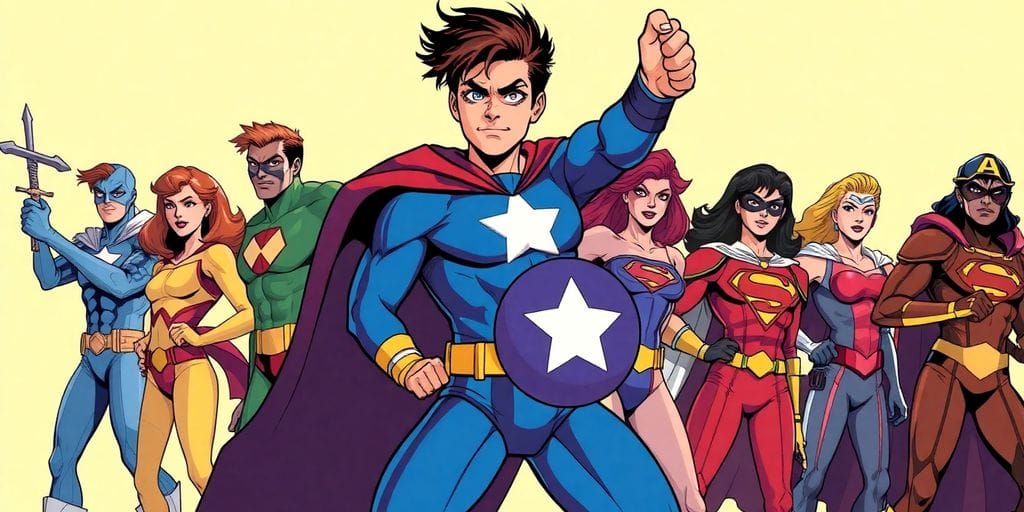
So, you wanna jump into the Marvel Multiverse RPG, huh? It’s pretty cool, letting you create your own hero or even play as an existing one. This game is all about telling awesome stories in the Marvel universe, and it’s not as hard to get into as you might think. We’ll go over what you need to know to get started and have a blast with your friends.
Key Takeaways
- The Marvel Multiverse RPG lets you make your own hero or use famous Marvel characters.
- You’ll need the Core Rulebook to play, and it helps to have some dice and character sheets.
- Game Narrators guide the story and can change things up to fit their group.
- The game has rules for combat and using powers, but you can adjust them for different hero ranks.
- There are pre-written adventures you can use, or you can make up your own stories.
Understanding the Marvel Multiverse RPG
Core Rulebook Essentials
To really get into the Marvel Multiverse Role-Playing Game, you absolutely need the Core Rulebook. Think of it as your superhero training manual. It’s got all the rules, character info, and everything to get started. You can probably find it wherever you bought this adventure book. It’s not just for the Narrator, either; ideally, each player should have their own copy to reference during the game. Also, make sure everyone has a blank character sheet ready to go!
Navigating the Multiverse
The Marvel universe is huge, and the Multiverse makes it even bigger! You don’t have to be a Marvel expert to run these adventures. The Core Rulebook has a good summary of the important stuff. If you are a Marvel expert, that’s great, but don’t worry if you don’t know every single detail. It’s more important to focus on the adventure at hand. If a player wants to know how a specific power works, or some obscure trivia, that’s what the Core Rulebook is for.
Game Components and Setup
Getting ready to play is pretty straightforward. Here’s a quick rundown:
- Core Rulebook: This is a must-have.
- Character Sheets: One for each player.
- Dice: You’ll need a set of dice (d6s) to resolve actions.
- Pencils/Erasers: For character sheets and note-taking.
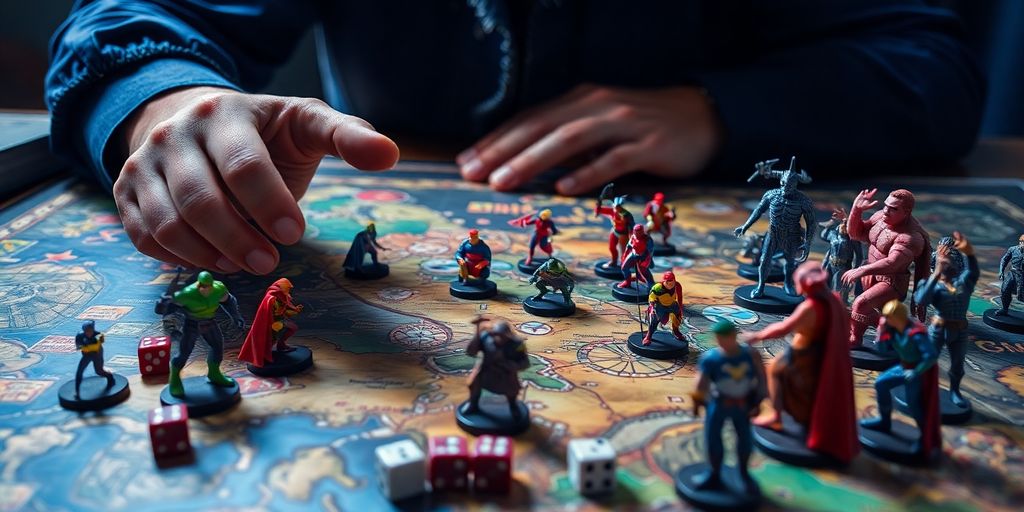
- Optional: Miniatures or tokens to represent characters on a map.
Setting up the game space is important too. Make sure everyone can see and hear each other. A table works great, but you can also play online using virtual tabletop software. The most important thing is that everyone is comfortable and ready to have fun!
Crafting Your Hero’s Journey
The Marvel Multiverse RPG gives you lots of freedom when it comes to making your own hero. It’s not just about picking powers; it’s about building a character with a story, motivations, and a place in the vast Marvel universe. Let’s explore how to bring your hero to life.
Character Creation and Customization
Making a character is one of the most exciting parts of any RPG, and Marvel Multiverse doesn’t disappoint. You start by choosing a concept for your hero – what kind of person are they, and what motivates them? Then, you pick their powers, skills, and traits. The game provides a framework, but the details are up to you. Think about their origin story: How did they get their powers? What are their goals? What are their flaws? These details will shape how you play them.
- Select an Archetype: This gives you a base to build from.
- Choose Powers: Tailor them to your hero’s concept.
- Define Skills: What are they good at besides fighting?
- Develop Traits: These add depth to their personality.
Don’t be afraid to get creative! The Marvel universe is full of unique characters, so let your imagination run wild. Think about how your hero interacts with the world and the other heroes in it. What makes them stand out?
Advancing Character Ranks
As your hero goes on adventures, they’ll grow stronger and more experienced. This is reflected in the game by advancing character ranks. Each rank unlocks new powers, skills, and abilities. It’s a way to show how your hero is evolving and becoming more powerful. The game provides guidelines for when to advance ranks, but you can also adjust it based on your group’s preferences. Do you want a fast-paced game where heroes level up quickly, or a slower, more deliberate progression?
Here’s a simplified example of how advancement might work:
| Rank | Experience Points Needed | New Abilities | Example |
|---|---|---|---|
| 1 | 0 | Starting Powers | Street-level hero |
| 2 | 100 | New Skill | Hero starts using gadgets |
| 3 | 250 | Power Upgrade | Hero can now fly |
Playing Established Marvel Heroes
Want to jump right into the action? The Marvel Multiverse RPG lets you play as established heroes like Spider-Man, Captain Marvel, or Iron Man. The core rulebook includes character sheets for many popular heroes, so you can pick one and start playing right away. This is a great way to learn the game and experience the Marvel universe from the perspective of your favorite characters. You can follow their established storylines or create new adventures for them. It’s your chance to step into their shoes and see what it’s like to be a Marvel hero.
Playing a pre-made hero can be a good way to learn the game mechanics. It also lets you explore the character’s personality and motivations. Think about how they would react in different situations. What are their strengths and weaknesses? How do they interact with other heroes and villains?
Narrating Engaging Adventures
Designing Compelling Plots
Coming up with good stories is key to a fun game. Think about what makes a Marvel story great: high stakes, personal conflicts, and tough choices. Start with a simple idea, like a bank robbery, and then add layers. Maybe the robbers are working for a bigger villain, or maybe one of the heroes has a personal connection to the bank. The best plots have twists and turns that keep players guessing. Don’t be afraid to steal ideas from comics or movies, but always put your own spin on them.
- Start small, then build up.
- Incorporate character backstories.
- Add unexpected twists.
Integrating Villains and Factions
Villains make the world go round, right? A good villain isn’t just someone to punch; they should have goals and motivations that players can understand, even if they don’t agree with them. Factions can add another layer of complexity. Maybe the heroes have to choose between helping the police or working with a group of vigilantes. Think about how the villains and factions interact with each other. Are they allies, rivals, or something else entirely? This can create interesting conflicts and alliances for the players to navigate.
A well-developed villain can be more memorable than the hero. Give them a compelling backstory and clear goals. This makes the game more interesting and gives the players something to really sink their teeth into.
Adapting Adventures for Your Group
Every group of players is different, so you’ll need to adjust your adventures to fit their play styles and preferences. If your players like combat, add more fight scenes. If they prefer roleplaying, focus on dialogue and character interactions. Pay attention to what your players enjoy and try to give them more of it. Don’t be afraid to change things on the fly if something isn’t working. The goal is to have fun, so be flexible and willing to adapt.
- Know your players’ preferences.
- Adjust the difficulty level.
- Be prepared to improvise.
The most important thing is to make sure everyone is having a good time.
Exploring Pre-Written Scenarios
So, you’re thinking about using some pre-made adventures for your Marvel Multiverse RPG campaign? Great choice! It can save you a ton of prep time and give you a solid base to start from. The game has some cool options, and they’re worth checking out.
Starting with Origin Story
"Origin Story" is a good place to jump in. It’s designed to get new players (and Game Narrators) familiar with the rules and the feel of the game. It walks you through the basics of character creation and throws you right into a simple adventure. Think of it as a tutorial that’s actually fun. It’s not super long, so it’s easy to manage, and it does a good job of setting the stage for bigger things.
Progressing Through Chapters
If you like the "Origin Story", you can keep going with the other chapters. They build on each other, creating a longer, more involved story. Each chapter usually introduces new challenges and villains, and they give the players a chance to really develop their characters. You can run them one after another, or you can mix in your own side adventures to keep things fresh. It’s all about what works best for your group.
Don’t feel like you have to stick to the script. If your players get really interested in a side plot, go with it! You can always come back to the main story later. The important thing is that everyone’s having a good time.
One-Shot Adventures and Campaigns
Besides the main storyline, there are also one-shot adventures you can use. These are great for when you don’t have a lot of time, or if you just want to try out a new character or power. You can also string a bunch of one-shots together to create your own campaign. It’s a flexible system, so you can really make it your own. Think of them as building blocks you can use to create something awesome.
Here’s a quick look at how you might structure a campaign using a mix of pre-written and custom content:
- Session 1-3: "Origin Story" – Introduces the basics.
- Session 4-6: A custom adventure focusing on a character’s personal story.
- Session 7-9: A pre-written one-shot that ties into the larger campaign plot.
- Session 10+: Continue with the main storyline chapters, weaving in more custom content as needed.
The Role of the Game Narrator
The Game Narrator (GN) is more than just someone who reads from a book. They’re the architect of the adventure, the voice of the Marvel Universe, and the ultimate guide for the players. It’s a big job, but a rewarding one.
Guiding the Narrative
The GN’s primary job is to keep the story moving. This means:
- Describing scenes in a way that brings them to life.
- Playing the roles of non-player characters (NPCs), from friendly neighborhood cops to supervillains.
- Interpreting the rules and making rulings when things get complicated.
The GN is responsible for setting the stage and ensuring the players have enough information to make informed decisions. It’s not about railroading players, but about creating a cohesive and engaging experience.
Balancing Challenge and Fun
Finding the right balance between challenge and fun is key. Too easy, and the players get bored. Too hard, and they get frustrated. The GN needs to:
- Adjust the difficulty of encounters based on the players’ abilities.
- Provide opportunities for players to shine, showcasing their characters’ strengths.
- Offer hints and clues when players are stuck, without giving away the whole solution.
The best way to think about it is like this: you’re not trying to beat the players. You’re trying to create a memorable story together. Sometimes that means letting them win, and sometimes it means throwing a curveball their way.
Leveraging Marvel Lore
One of the coolest things about the Marvel Multiverse RPG is the rich history and lore it draws upon. The GN can use this to:
- Incorporate familiar characters and locations into the adventure.
- Tie the story into larger Marvel events, making the players feel like they’re part of something bigger.
- Use existing Marvel storylines as inspiration for new adventures.
It’s not necessary to be a Marvel expert, but a basic understanding of the universe can go a long way. There are tons of resources available online and in print to help the GN brush up on their Marvel knowledge.
Strategic Gameplay Mechanics
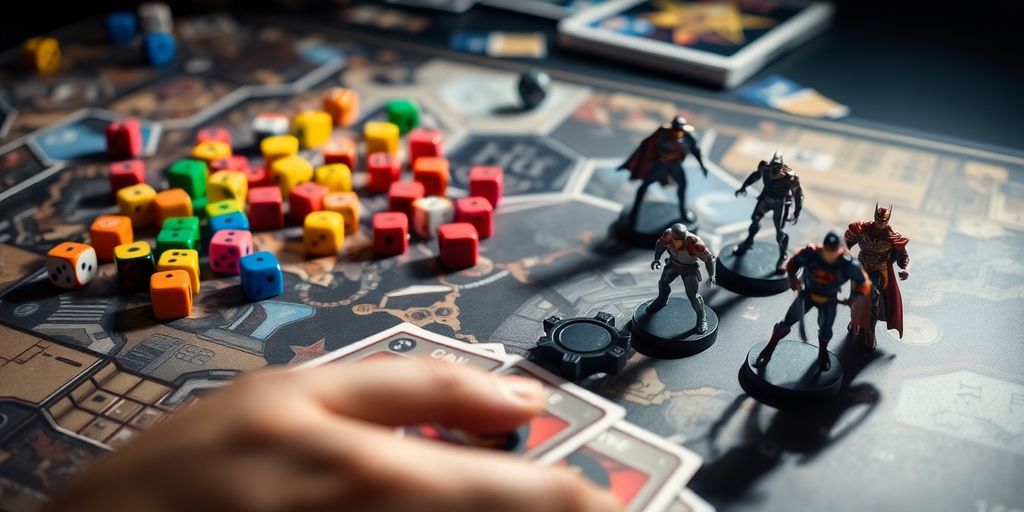
Combat and Conflict Resolution
Okay, so combat. It’s not just about punching the bad guys (though that’s definitely part of it). The Marvel Multiverse RPG uses a system that involves dice rolls, modifiers, and a bit of strategy. Understanding how these elements interact is key to winning fights and keeping your hero in one piece.
- Initiative determines who goes first.
- Attack rolls determine if you hit.
- Damage rolls determine how much damage you deal.
It’s important to remember that combat isn’t always the answer. Sometimes, talking your way out of a situation or using your powers creatively can be more effective than a straight-up brawl. Think like a hero, not just a brawler.
Power Usage and Traits
Your hero’s powers and traits are what make them unique. Each power has its own set of rules and limitations, so it’s important to read the descriptions carefully. Traits can provide bonuses to certain actions or grant special abilities.
Here’s a simple example of how traits might work:
| Trait | Effect |
|---|---|
| Super Strength | +2 to Strength-based attack rolls |
| Genius Intellect | +2 to Intellect-based skill checks |
| Healing Factor | Recover 1d6 hit points per round |
- Consider the energy cost of using powers.
- Think about how your powers interact with the environment.
- Don’t forget about your hero’s weaknesses.
Adjusting for Player Ranks
As your hero gains experience and ranks up, they’ll become more powerful. The game narrator needs to adjust the difficulty of encounters to keep things challenging but fair. This might involve increasing the number of enemies, giving them better equipment, or introducing new threats.
- Increase enemy hit points.
- Add new enemy abilities.
- Introduce environmental hazards.
Deep Dive into Adventure Modules
Time to look at some pre-made adventures! The Marvel Multiverse RPG comes with several adventure modules ready to play. These modules give you a starting point, whether you’re a new or experienced Game Narrator. They offer a structured story, complete with villains, locations, and plot twists. Let’s explore what these modules bring to the table.
The Doom of Earth-56438
This adventure throws your heroes into a world where Doctor Doom reigns supreme. It’s a darker take on the Marvel Universe, where the heroes must fight against an all-powerful dictator. Expect tough choices and high stakes. The module provides a detailed setting, including Doom’s fortress and the oppressed cities under his control. Players will face moral dilemmas as they decide how far they’re willing to go to defeat Doom.
Hell Hath No Fury
This module focuses on a team of female villains causing chaos. Think Enchantress, Lady Deathstrike, and maybe even a new, original villain. The heroes must figure out their plan and stop them before it’s too late. The adventure includes a variety of locations, from hidden lairs to public spaces, where the villains can strike. Expect plenty of action and intrigue as the heroes try to outsmart their foes.
Galaxy of Hurt Challenges
This adventure takes the heroes into space, facing cosmic threats and intergalactic conflicts. It’s a chance to explore the broader Marvel Universe, encountering alien races and powerful artifacts. The module includes:
- Space battles with detailed ship stats.
- Negotiations with alien civilizations.
- Exploration of strange new worlds.
This module is designed for higher-rank heroes, ready to take on challenges beyond Earth. It’s a great way to introduce cosmic elements into your campaign and test the limits of your players’ abilities.
It’s a good way to change things up from the usual Earth-based adventures. It’s also a good way to test your players’ creativity, as they’ll need to come up with new ways to solve problems in unfamiliar environments.
Your Story Starts Now
The Marvel Multiverse RPG gives you a way to tell your own stories in a world you already know. It’s not just about playing a game; it’s about making your own adventures. You get to decide what happens next. This game lets you be part of something big, but in your own way. So, get ready to create some cool stories and see where your imagination takes you.
Frequently Asked Questions
What do I need to play these adventures?
You’ll definitely need the main rulebook for the Marvel Multiverse Role-Playing Game to get started. It has all the basic rules and info you’ll need. You can usually find it wherever you bought this adventure book.
Do I need to be a Marvel expert to play?
Nope, not at all! While knowing a lot about Marvel comics is cool, it’s not a must. Each adventure is set up so you don’t need to be a super-fan. The main rulebook even has a quick summary of Marvel history if you want to learn more.
Can I play as existing Marvel heroes?
Absolutely! You can totally start with famous Marvel heroes like Daredevil and make them stronger as you play. You can even change their powers and traits to make them unique. It’s your game, so have fun with it!
How should I play through these adventures?
You can play each adventure by itself, like a short story, or link them all together to tell a bigger tale. “Origin Story” is a great place to begin, especially for new players, because it’s simpler. But you can jump into any chapter you like!
Can I change the villains in the adventures?
Yes, you can! We give you profiles for all the bad guys, but if you want to swap them out for different villains, or even ones you make up, go for it! Just remember that players might expect a certain Marvel feel, so don’t change too much.
What if my heroes’ power levels don’t match the adventure?
Sometimes your heroes might be stronger or weaker than what the adventure suggests. If the difference isn’t huge, you’re probably fine. If it’s a big difference, you might need to make the adventure a bit easier or harder to match your group.