Big changes are coming to League of Legends esports in 2025. Get ready for a whole new look at how pro teams play and compete. Riot Games is shaking things up to make the game even more exciting for fans and better for the teams involved. We’re talking about new tournaments, different league setups, and some cool gameplay twists. It’s all about making lol esports bigger and better than ever. Let’s dive into what you can expect in the coming year.
Key Takeaways
- Regional leagues are going to look different, with some combining and new multi-region ones popping up.
- There will be a third major international tournament added to the yearly schedule, making for more high-stakes matches.
- New gameplay rules like ‘Fearless Draft’ are coming, along with chances for new teams to join the top levels.
- The business side of lol esports is getting an overhaul to help teams and Riot Games stay strong for the long haul.
- Fans can expect more engaging ways to watch and follow their favorite teams, with a focus on keeping viewership growing.
Evolving the Global LoL Esports Landscape
It’s 2025, and the League of Legends esports scene looks a bit different. After years of growth and change, Riot Games is making some pretty big adjustments to how the whole system works. The goal? To make things more exciting, more competitive, and, importantly, more sustainable for everyone involved. Let’s break down the key changes.
Consolidation of Regional Leagues
Remember when there were like a million different regional leagues? Well, those days are gone. Over the past few years, Riot has been working to consolidate things, and that trend is continuing. We’ve seen smaller regions get folded into larger ones, like when the Oceanic league was integrated into the Southeast Asia’s Pacific Championship Series (PCS). This consolidation aims to concentrate talent and resources, creating more competitive leagues overall.
Introduction of New Multi-Region Leagues
Building on the idea of consolidation, we’re seeing the rise of entirely new multi-region leagues. The Americas League is a prime example, bringing together teams from North America and Latin America to compete in a single, larger league. The idea is to create bigger rivalries, more exciting matches, and a more unified experience for fans across the region. It’s a bold move, and it will be interesting to see how it plays out.
Strategic Restructuring for Sustainability
All of these changes are happening for a reason: sustainability. Running a global esports league is expensive, and Riot wants to make sure that LoL esports can thrive for years to come. That means finding ways to reduce costs, increase revenue, and create a more stable ecosystem for teams and players. The league restructuring is a big part of that, as it aims to streamline operations and create a more efficient competitive structure.
The changes to the global LoL Esports landscape are designed to create a more competitive and sustainable ecosystem. By consolidating regional leagues, introducing new multi-region leagues, and strategically restructuring the competitive format, Riot Games aims to ensure the long-term health and success of LoL Esports.
New International Tournament Structure
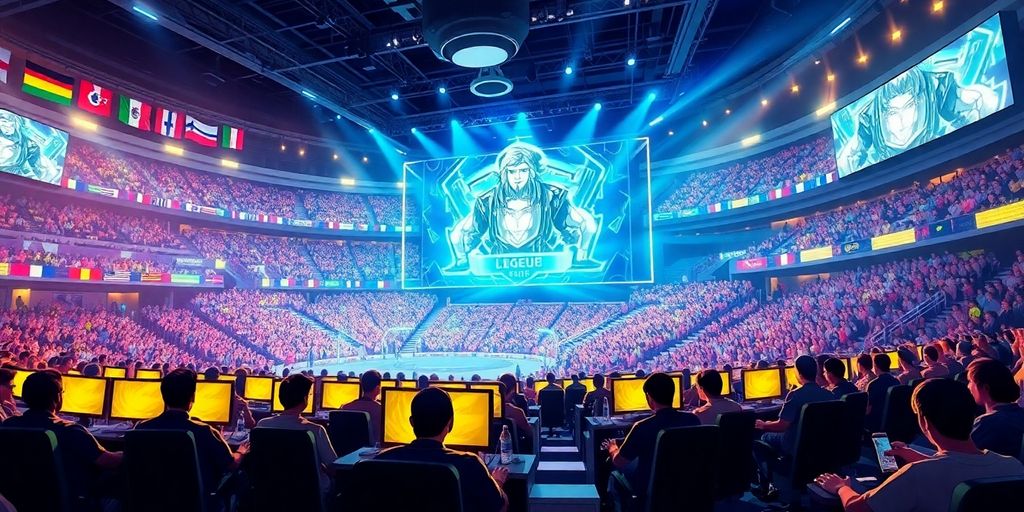
It sounds like Riot is shaking things up on the international stage! More global competition is something fans have wanted for a while, and it looks like they’re delivering. Let’s break down what to expect.
Addition of a Third Global Event
Get ready for more international League of Legends! Riot is introducing a third global tournament to the calendar. This new event will kick off the season, acting as the first split for all regions. This means we’ll see top teams from around the world clashing much earlier in the year. The goal is to showcase the latest in-game changes and introduce new competitive formats right from the start. The plan is to experiment with the format each year, keeping things fresh and exciting. The initial round will involve regional play, with each of the major regions sending one team to the international stage in March. The teams will then compete in a round-robin format, followed by a four-team bracket to determine the ultimate winner.
Enhanced Stakes in Cross-Regional Matchups
With the addition of a new global tournament and changes to existing ones, cross-regional matchups are about to become even more important. The new tournament will feature a round-robin stage where every region plays every other region. This will give fans a better sense of each region’s strength early in the season. MSI is also moving later in the year, which will give teams more time to prepare and potentially lead to higher-quality matches. The Americas region is also getting a revamp, with the North and South conferences sending teams to international events. This will create more opportunities for cross-regional play and potentially shake up the established power rankings.
Unified Split Schedule Across All Leagues
One of the biggest changes is the move to a unified split schedule across all leagues. This means that all regions will start with the new international tournament, which will serve as their first split. The second split will then qualify teams for MSI, which is moving to roughly the beginning of July. Finally, the third split will culminate in a Regional Championship, where each region will crown a season-long champion. This unified schedule should make it easier for fans to follow the global LoL Esports scene and understand the stakes of each tournament. It also allows Riot to better coordinate events and introduce new features across all regions at the same time.
This restructuring aims to capitalize on the strengths of each region, grow the existing fan bases, improve competitive play, and enhance the pathway to pro play. The goal is to forge a unique and vibrant competitive landscape that leverages the rich history and potential from North to South, creating something as distinctive as the fan community.
Innovations in Gameplay and Competition
League of Legends Esports in 2025 is all about shaking things up. We’re not just talking minor tweaks; we’re looking at changes that could redefine how the game is played and how teams compete. The goal? To keep things fresh, exciting, and unpredictable for both players and viewers. It’s a bold move, but one that Riot hopes will pay off in the long run.
Implementation of Fearless Draft
The Fearless Draft is here, and it’s a big deal. This means that once a champion is picked by a team in a best-of series, it can’t be picked again by either team for the rest of that series. This forces teams to have deeper champion pools and develop more diverse strategies. No more relying on comfort picks every game; adaptability is now key. This change impacts LoL coaches, who are now viewed as tacticians, diversity records are being smashed, and meta developing faster between -and even during- matches.
Experimentation with Guest Team Slots
Imagine a world where teams from developing regions get a shot at competing against the best in the world. That’s the idea behind guest team slots. Select leagues will invite teams from smaller regions to participate in their regular season or tournaments. This gives these underdog teams valuable experience and exposure, while also spicing things up for the established teams. It’s a win-win, fostering growth in the global LoL Esports scene.
Promotion and Relegation Opportunities
To make things even more interesting, promotion and relegation are becoming more common. This means that teams in lower-tier leagues have a chance to climb their way to the top, while struggling teams in the top leagues risk getting demoted. This creates a more competitive environment at all levels, as teams are constantly fighting to prove themselves. It also adds an extra layer of excitement for fans, as they get to witness the rise of new talent and the fall of old giants.
The introduction of Fearless Draft, guest team slots, and promotion/relegation opportunities are all designed to create a more dynamic and engaging competitive landscape. These changes aim to reward innovation, adaptability, and hard work, ensuring that the best teams rise to the top and that the LoL Esports scene remains fresh and exciting for years to come.
Financial Sustainability and Business Models
New Business Model for Teams and Riot Games
The financial model supporting LoL Esports is getting a refresh. For teams, the goal is to create more stable revenue streams. Riot Games is looking at ways to better share revenue and reduce costs. The aim is to ensure teams can invest in talent and infrastructure without constantly teetering on the edge of financial ruin.
Increased Financial Viability for Organizations
Several changes are being implemented to help organizations stay afloat. These include:
- Reducing the number of teams in Tier-1 leagues to concentrate revenue distribution.
- Exploring new sponsorship opportunities that go beyond traditional methods.
- Implementing cost-saving measures across the board, from production to team operations.
It’s not just about money in, but also about managing expenses effectively. Teams are being encouraged to adopt best practices in financial management to ensure long-term stability.
Long-Term Growth Strategies for LoL Esports
Looking ahead, the focus is on building a sustainable ecosystem. This involves:
- Expanding the fanbase through engaging content and innovative viewing experiences.
- Attracting new sponsors and partners who see the value in LoL Esports.
- Developing new revenue streams, such as merchandise, in-game items, and digital collectibles.
- Investing in grassroots programs to nurture the next generation of talent.
Ultimately, the goal is to create a self-sustaining ecosystem where teams, players, and Riot Games can all thrive. It’s a long game, but the potential rewards are significant.
Fan Engagement and Viewer Experience

Higher Stakes and More Entertaining Matches
It’s pretty simple: people want to watch exciting games. In 2025, the focus is on making sure every match feels important. The new tournament structure, with its increased emphasis on cross-regional play, is a big part of this. No more meaningless games; every win and loss should have a real impact on a team’s journey. This means more intense rivalries, closer matches, and, hopefully, fewer predictable outcomes. The goal is to keep viewers on the edge of their seats, knowing that anything can happen.
New Ways to Engage with the Sport
Watching isn’t enough anymore. Fans want to be part of the action. In 2025, expect to see a lot more interactive elements integrated into broadcasts and online platforms. Think fantasy leagues with real prizes, prediction games that reward accurate calls, and maybe even the ability to directly influence certain in-game decisions through viewer polls. The idea is to turn passive viewers into active participants, making them feel like they’re contributing to the outcome.
- Co-streaming is becoming more common, allowing popular personalities to add their flavor to the official broadcast.
- In-game events tied to esports tournaments, letting players earn exclusive rewards by watching and participating.
- More behind-the-scenes content, giving fans a closer look at their favorite teams and players.
The goal is to create a more immersive experience for fans, blurring the line between watching and playing. This means more opportunities to interact with the game, the players, and each other.
Continued Focus on Viewership Growth
Ultimately, the success of LoL Esports depends on its ability to attract and retain viewers. This means not only making the game more exciting but also making it more accessible. Expect to see more efforts to reach new audiences, including:
- Simplified broadcast formats that are easier for newcomers to understand.
- More content in different languages, catering to a global audience.
- Partnerships with mainstream media outlets to promote LoL Esports to a wider audience.
Viewership numbers are important, but so is viewer satisfaction. The goal is to create a loyal fanbase that will stick around for the long haul. It’s a balancing act, but one that Riot Games is committed to getting right.
Key Regional League Developments
Changes in Americas League Structure
The Americas League has seen some big changes. The merger of North and South America into the LTA region is still finding its footing. It’s a work in progress, but the potential is there. The LCS is working on a system where teams from the North American Challengers League (NACL) and Liga Regional Norte (LRN) can compete for a ‘guest spot’ in the North Conference. This is meant to keep things fresh and give new talent a shot.
Updates to Asia-Pacific Competitive Play
The Asia-Pacific region is also seeing some shifts. The new APAC league will use a hybrid model, mixing franchised teams with promotion opportunities. This is intended to create a more sustainable environment. The LCP, hailing from the Pacific, is a wildcard. They might not always win, but they’re known for bold playstyles that can upset more experienced teams.
Impact on Established Regional Powerhouses
Changes in regional leagues are bound to shake things up for the established powerhouses. The Fearless Draft of 2025 is a real game-changer. Teams can’t rely on a few key draft picks anymore. It’s all about flexibility and adaptability. Coaches are becoming more important as tacticians, and the meta is evolving faster than ever.
These changes are all about making the regional leagues more competitive and sustainable. The goal is to capitalize on the strengths of each region, grow the fan base, and improve the overall level of play. It’s a work in progress, but the hope is to create a unique and vibrant competitive landscape.
The Future of Professional Play
Increased Competitiveness Among Teams
In 2025, expect a surge in team competitiveness. The introduction of multi-regional leagues and a third international tournament means teams will face a wider array of playstyles and strategies. This increased exposure should lead to faster adaptation and innovation across the board. We’re likely to see less predictability in match outcomes, with upsets becoming more common as teams learn to exploit each other’s weaknesses more effectively. The new format is designed to push teams to their limits, fostering a more dynamic and exciting competitive environment.
Adaptation to Evolving Game Mechanics
League of Legends is a game that never stands still, and professional players must constantly adapt. The implementation of Fearless Draft, where champions picked in previous games are banned for the remainder of the series, will force players to expand their champion pools and develop more flexible strategies. This change alone will significantly impact team compositions and in-game decision-making. Teams that can quickly master new champions and adapt to evolving meta-game trends will have a distinct advantage. It’s not just about individual skill anymore; it’s about adaptability and strategic thinking.
Player Development in the New Ecosystem
The revamped LoL Esports ecosystem in 2025 places a greater emphasis on player development. The introduction of guest team slots and promotion/relegation opportunities creates a clearer pathway for amateur players to reach the professional level. This increased accessibility should lead to a larger pool of talent and more competition for starting positions. Teams will need to invest in scouting and training programs to identify and nurture promising young players. The future of professional play depends on the ability to develop the next generation of stars.
The changes coming to LoL Esports are designed to create a more sustainable and competitive environment for both teams and players. By increasing the stakes and providing more opportunities for growth, we hope to see a new era of innovation and excitement in professional play.
Looking Ahead: The Future is Now
So, as we wrap things up, it’s pretty clear that 2025 is going to be a big year for League of Legends esports. We’re talking about a lot of changes, from how the regional leagues work to new international events. It’s all about making the game more exciting for fans and also making sure the whole system can keep going strong. There’s a lot to look forward to, and it’ll be interesting to see how these updates play out. It feels like the game is really moving into a new phase, and that’s something to be excited about.
Frequently Asked Questions
Why are these big changes happening in LoL Esports for 2025?
Riot Games is making big changes to make LoL esports more fun to watch and to help teams make more money. They’re adding a new big tournament, changing how some leagues work, and trying out new game rules.
Will there be more international tournaments in 2025?
Yes, there will be a new major international event, making it three big tournaments each year. This means more chances for teams to show off their skills on the world stage.
What is ‘Fearless Draft’ and how will it change games?
The new “Fearless Draft” rule means teams can’t pick the same champions they’ve already won with in a series. This will make games more exciting and force teams to use different strategies.
How will regional leagues be different?
Some smaller regional leagues are joining together, like in the Americas and Asia-Pacific. This will create bigger, stronger leagues with more competition.
How will these changes help teams make more money?
The goal is for teams to earn more money and have a more stable business. Riot is working on new ways for teams and the game itself to be more successful in the long run.
What does this mean for fans watching LoL Esports?
Fans can expect more exciting games, new ways to follow their favorite teams, and a more competitive scene overall. The changes are designed to make watching LoL esports even better.