
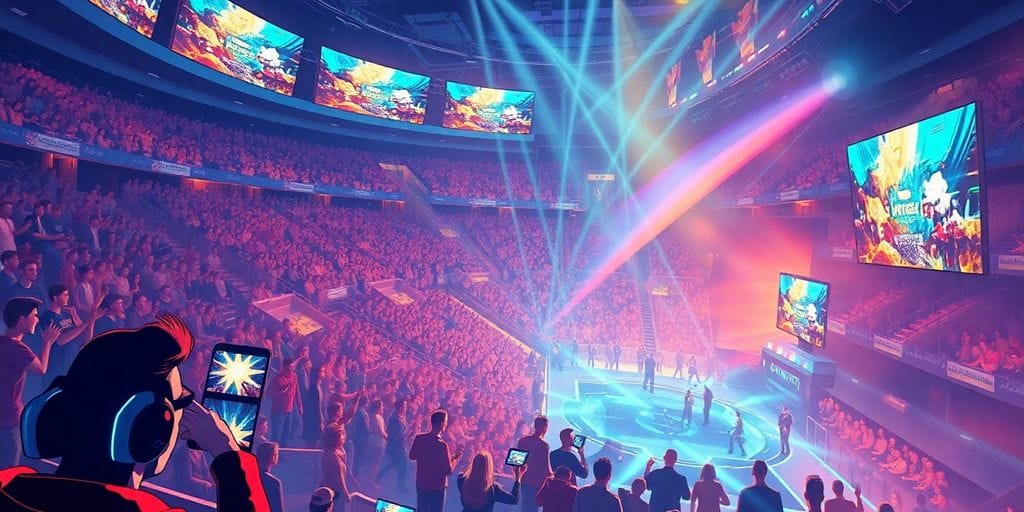
So, you’re curious about the most popular esports in 2025 but don’t necessarily want to pick up a controller yourself? That’s totally fine! The world of competitive gaming is huge, and it’s not just about the players. There’s a whole scene around it, from the massive online audiences to the passionate fan communities. We’re going to break down what makes these games so big and how you can get involved, even if you’ve never played a single match.
Key Takeaways
- The esports industry is a massive global market, with billions of players and significant economic impact.
- You don’t need to play a game to enjoy watching it; live events and online platforms offer a compelling spectator experience.
- Esports culture thrives on team identities, player personalities, rivalries, and the constant buzz on social media.
- Fans can engage with esports through data analysis, following industry news, and understanding game strategy shifts.
- There are many ways for non-players to participate, from online discussions and fantasy leagues to supporting creators and teams through merchandise and crowdfunding.
The Evolving Landscape of Competitive Gaming
Competitive gaming, or esports, has transformed dramatically over the past decade. What started as a niche interest for a few has exploded into a global phenomenon, reshaping the entertainment industry. The sheer scale of the gaming market is staggering, with billions of dollars in revenue generated annually. This growth isn’t just about more people playing games; it’s about how games are played, watched, and experienced.
Understanding the Growth of the Gaming Market
The video game industry is now larger than both the film and music industries combined. This expansion is fueled by technological advancements, increased accessibility, and a growing acceptance of gaming as a legitimate form of entertainment and competition. The market continues to diversify, with mobile gaming, cloud gaming, and virtual reality all playing significant roles in its ongoing development. The future looks bright for continued expansion, with new technologies always on the horizon.
Key Statistics on Global Gamer Demographics
Understanding who plays games is key to understanding the market. The global gamer population is vast and diverse, spanning all ages, genders, and geographic locations. While traditionally associated with younger males, recent data shows a significant increase in female gamers and older demographics participating in gaming.
| Demographic | Percentage |
|---|---|
| Total Global Gamers | ~3.3 Billion |
| Female Gamers | ~45% |
| Gamers Aged 18-34 | ~60% |
This broad demographic reach means esports appeals to a wide audience, not just those who actively play the games themselves. The accessibility of games across various platforms, from high-end PCs to mobile devices, contributes to this widespread participation.
The Economic Impact of Esports
The economic footprint of esports is substantial. It encompasses revenue from game publishers, tournament organizers, sponsorships, advertising, merchandise, and media rights. Major esports events attract massive viewership, both online and in person, creating significant economic activity in host cities. The industry also supports a wide range of jobs, from professional players and coaches to casters, analysts, event staff, and marketing professionals. The continued investment from major brands and venture capital firms signals strong confidence in the sector’s economic viability and future potential. The growth of esports betting platforms further highlights the financial engagement within the competitive gaming scene.
The rapid evolution of competitive gaming means that understanding its current state requires looking beyond just the games themselves. It involves recognizing the massive market forces at play, the diverse audience engaging with the content, and the significant economic contributions the industry makes on a global scale.
Beyond Gameplay: The Spectator Experience
Not everyone who loves esports wants to play. And that’s perfectly fine. There’s a whole world of activity around competitive gaming that doesn’t require fast reflexes or grinding through ranked matches. Whether you’re into strategy, team drama, or the thrill of live competition, you can enjoy esports just as much – maybe even more – without ever picking up a controller.
The Appeal of Live Esports Events
One of the easiest ways to feel connected to the action is by watching tournaments and streams. Events like the League of Legends World Championship or The International are polished productions full of energy, emotion, and crowd-driven hype. You don’t need to be a ranked player to appreciate a wild comeback or a clutch play with everything on the line. The spectacle itself is a huge draw.
Leveraging Platforms for Viewership
Platforms like Twitch, YouTube, and Kick have made esports viewership a global phenomenon. These platforms offer more than just live broadcasts; they provide chat features for real-time interaction, VODs (Video On Demand) for catching up, and clips for reliving memorable moments. Many fans follow games like Valorant, League of Legends, or CS: GO, but have no interest in playing them. For structure and match tracking, resources like Liquipedia are great tools; they’re easy to navigate and full of information on brackets, teams, and upcoming events. Whether you want to follow casually or dive deep into stats, it’s all there.
Appreciating Esports Without Playing
Much of what makes esports appealing lives off the main stage. It’s in the rivalries between teams, the player streams, Twitter banter, and behind-the-scenes documentaries. If you enjoy storylines, who said what, who switched teams, or who’s beefing with whom, then you’re in the right place. Teams build identities, and their fan bases are loyal, loud, and often hilarious. Following these squads gives you more than just game results; it offers a narrative. You can follow strategy discussions, explore draft theory, or just laugh at community reactions to unexpected upsets. Podcasts and YouTube channels often unpack matches in a way that makes it easy for new spectators to follow, and since no one’s gatekeeping, you can learn as you go without needing to prove your rank. You’ll also find fan-friendly articles that mix humor and analysis, especially when major updates shake up the scene. It’s a solid way to stay informed without getting bogged down in jargon. You can show up for the storylines. You can be the friend who always knows about the next tournament. You can argue about who deserved the MVP or why a coach’s draft was a disaster. All of that is just as valid as playing the game. Pallavi’s work offers keen insights into emerging trends across business, technologies such as AI, blockchain, and the metaverse, and societal shifts. Her expertise lies in analyzing and understanding the impact of these advancements. emerging trends
The Culture Surrounding Esports
Esports culture is a vibrant tapestry woven from more than just the games themselves. It’s about the stories that unfold both on and off the digital stage, creating a rich environment for fans to connect with. Team identities and the passionate communities that rally around them are central to this experience. Think of organizations like G2 or FaZe Clan; they aren’t just groups of players, but brands that cultivate distinct personalities and loyal fan bases. These fans are often loud, engaged, and bring a lot of humor to the scene, making following a team about much more than just tracking wins and losses.
Team Identities and Fan Loyalty
Fans develop deep connections with teams, often mirroring the loyalty seen in traditional sports. This connection is built through consistent performance, engaging team personalities, and strong branding. Teams that invest in their identity and interact with their fanbase tend to cultivate a more dedicated following. This loyalty can translate into significant support through merchandise sales, event attendance, and online engagement.
Player Personalities and Rivalries
The individual players within these teams are often stars in their own right. Their personalities, playstyles, and interactions with other players and teams create compelling narratives. Intense rivalries between star players or teams can become major talking points, drawing in viewers who might not otherwise follow the game closely. These personal stories add a layer of drama and excitement that keeps fans invested.
The Role of Social Media in Fandom
Social media platforms are incredibly important for esports culture. They serve as the primary channels for teams and players to communicate with fans, share behind-the-scenes content, and engage in banter. Twitter, in particular, is often a hub for real-time reactions to matches, transfer rumors, and community discussions. This constant stream of interaction helps build a strong sense of community and keeps fans informed and entertained, even between major tournaments.
Engaging with Esports Data and News
Esports is a fast-moving world, and keeping up with all the changes can feel like a lot. But if you’re interested in the scene, whether you play the games or just watch, there are plenty of ways to stay informed. It’s not just about watching matches; it’s also about understanding what’s happening behind the scenes and why certain things are important.
Analyzing Performance Through Statistics
For those who like numbers, esports offers a lot to look at. You can find stats on player performance, team win rates, and even how specific in-game items or abilities affect outcomes. Websites and apps often track these details, making it easy to see who’s doing well and why. It’s like looking at batting averages in baseball, but for digital athletes.
- Player Kill/Death Ratios (K/D): A common metric showing how many more kills a player gets than deaths.
- Assist Counts: How often a player helps their teammates get a kill.
- Objective Control: For games with specific goals, like capturing points or planting bombs, this tracks how much time a team spends controlling those areas.
- Economic Stats: In games where players buy gear, tracking how much money players earn and spend can show strategic advantages.
Following Industry News and Rumors
Keeping up with esports news is pretty straightforward. Many websites and social media accounts focus on reporting on major tournaments, team changes, and player transfers. You’ll also find articles that talk about upcoming game updates, which can really shake up how games are played. It’s a good way to know what’s coming next.
The esports scene changes quickly. New strategies emerge, players switch teams, and game updates can alter the entire competitive landscape. Staying informed means you can better appreciate the skill and adaptability of the players and teams you follow.
Understanding Meta Shifts and Strategy
Community Engagement for Non-Players
Even if you don’t play video games yourself, there are many ways to get involved with the esports scene. It’s not just about button mashing; it’s about community, strategy, and shared excitement. Think of it like following a sports team – you don’t have to be a professional athlete to be a passionate fan.
Participating in Online Discussions
Online forums, social media groups, and dedicated Discord servers are buzzing with activity. Here, fans discuss recent matches, analyze player performances, and share their predictions. Joining these conversations is a great way to learn more about the games and the culture surrounding them. You can ask questions, offer your own thoughts, and connect with people who share your interest. It’s a friendly space for newcomers to learn the ropes.
Fantasy Esports Leagues
Fantasy esports leagues offer a competitive yet casual way to engage with professional play. You draft virtual teams of real players, and your team’s performance is based on how those players do in actual matches. It adds an extra layer of excitement to watching tournaments, as you’re personally invested in the success of your chosen players. Many platforms make it easy to join or even create your own league with friends.
Low-Barrier Involvement Opportunities
Supporting esports doesn’t always require a deep knowledge of the game mechanics. Many smaller tournaments and community events rely on viewer support to keep going. This can come in the form of donations, subscriptions to streamers, or simply sharing content. These actions directly contribute to the growth and sustainability of the esports ecosystem. Even casual viewers can make a difference by spreading the word or cheering on their favorite teams. It’s a way to be part of the action without needing to be in the arena, or even on the controller. You can find many ways to support the growth of esports through these avenues.
Being a fan is about more than just playing the game; it’s about appreciating the skill, the drama, and the community that makes esports so captivating. There are plenty of entry points for everyone.
Supporting the Esports Ecosystem
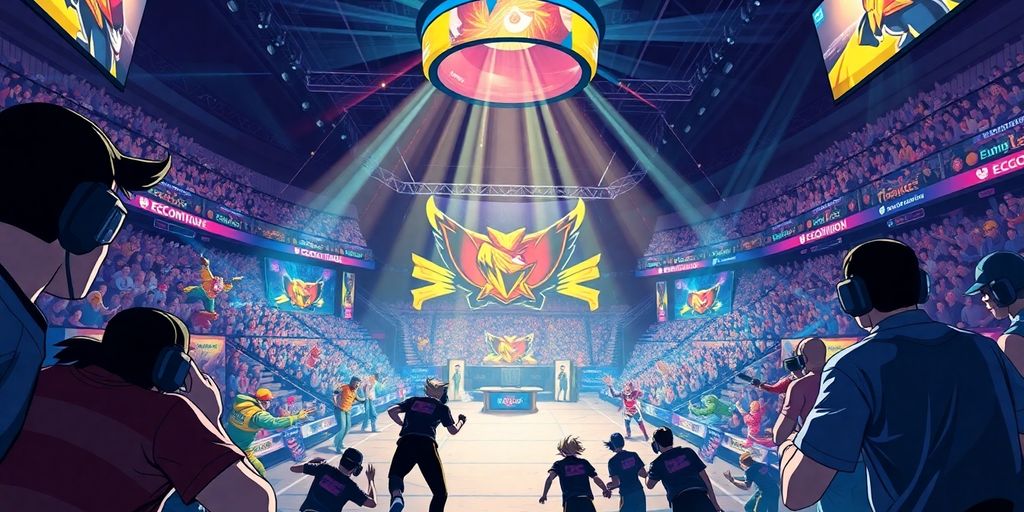
Esports isn’t just about the players on screen or the games themselves; it’s a whole industry with many moving parts. Supporting this ecosystem means contributing to its growth and sustainability, and there are several ways fans can do this, even if they don’t play competitively.
The Impact of Merchandise Sales
Buying official team jerseys, hats, hoodies, or even accessories like mousepads and keycaps is a direct way to support your favorite organizations. These sales provide crucial revenue that helps teams cover operational costs, pay players, and invest in better facilities and content creation. It’s a tangible way to show your allegiance and contribute to the financial health of the teams you cheer for. Many teams also offer exclusive merchandise drops, creating a sense of community and urgency among fans.
Crowdfunding and Viewer Support
Many esports events, especially smaller or independent tournaments, rely heavily on community support to run. This can come in the form of direct donations during live streams, subscriptions to content creators who cover esports, or purchasing in-game items where a portion of the proceeds goes towards prize pools or event funding. A prime example is Dota 2’s The International, where community purchases of the Battle Pass significantly boost the prize money. This model allows fans to directly influence the scale and success of the events they love.
Creator Economies in Esports
Beyond teams and tournaments, a vibrant creator economy exists around esports. Streamers, analysts, commentators, and content creators play a vital role in building communities and making esports accessible. Supporting these individuals through platforms like Twitch subscriptions, YouTube memberships, or direct donations helps them continue producing content, analyzing games, and fostering engagement. Many creators also offer exclusive perks or early access to content for their supporters, creating a mutually beneficial relationship. Building a successful NFT marketplace development can also be a way for creators to monetize their digital assets and engage with their audience in new ways.
The growth of esports is a collective effort. Every purchase of merchandise, every donation to a stream, and every subscription to a content creator contributes to the overall health and expansion of the competitive gaming landscape. It’s a powerful demonstration of how passionate communities can directly impact the industries they love.
The Visual Spectacle of Esports
Esports is more than just what happens on screen during a match; it’s a vibrant visual experience that extends far beyond the gameplay itself. This visual dimension is a huge part of what draws people in, whether they’re hardcore players or just casual observers. It’s about the energy, the creativity, and the way fans express their passion.
The Art of Cosplay in Gaming
Cosplay has become a massive part of the esports scene, allowing fans to bring their favorite characters and game elements to life. People spend hours crafting intricate costumes, replicating the looks of game champions, agents, or even iconic in-game items. This dedication is often showcased at major gaming events and conventions, turning these gatherings into colorful displays of creativity. It’s a way for fans to connect with the games they love on a more personal, artistic level, and it adds a unique visual flair to the entire esports landscape.
Showcasing Talent at Conventions
Gaming conventions are where much of this visual talent is put on full display. Beyond cosplay, these events often feature elaborate stage setups for tournaments, fan art exhibits, and opportunities for attendees to interact with game developers and artists. The energy at these events is electric, with attendees often dressed in team apparel or game-themed outfits, creating a lively atmosphere. It’s a chance for the community to gather, celebrate their shared interests, and witness the creative output of the esports world firsthand.
Appreciating Fan Creations
Beyond official events and cosplay, the esports world thrives on a constant stream of fan-made content. This includes everything from custom animations and fan art to edited highlight reels and even original music inspired by games. These creations often go viral within communities, shared across platforms like Reddit, Twitter, and YouTube. Appreciating these diverse fan contributions offers another layer of engagement with esports, highlighting the passion and creativity that the games inspire. It shows how deeply these titles impact their audiences, leading to a rich tapestry of shared artistic expression.
The Evolving Landscape of Esports Fandom
Esports has grown into a massive entertainment industry, and you don’t need to be a pro player to get involved. Whether you’re drawn to the intense rivalries, the strategic depth of the games, or the vibrant community culture, there are many ways to participate. From following your favorite teams and players on social media to enjoying the high-quality broadcasts and engaging with fan communities online, the world of esports is more accessible than ever. It’s a space where passion for competition and entertainment brings millions together, proving that the appeal of esports extends far beyond just playing the games themselves.
Frequently Asked Questions
How big is the gaming market right now?
The gaming world is huge and getting bigger! It’s like a giant online playground that brings in billions of dollars. More and more people are playing games on computers, phones, and consoles, making it a major part of entertainment today.
What exactly is esports and why do people watch it?
Think of esports like regular sports, but with video games. Millions of people watch exciting matches online or in big arenas. You don’t have to play the game yourself to enjoy watching amazing players make incredible moves.
What makes the esports community so special?
Esports is more than just playing games. It’s also about the teams, the players’ personalities, and the fun rivalries between them. Social media and online chats are where fans talk about their favorite teams and players, making it a whole community.
How can I learn about esports strategies and news?
You can follow esports by checking out sports news websites that cover games, or by watching videos where people break down strategies. It’s a great way to learn about new game updates and see how players change their tactics.
How can someone who doesn’t play games get involved in esports?
Even if you don’t play, you can still join the fun! You can chat with other fans online, join fantasy esports leagues where you pick virtual teams, or just enjoy watching the excitement without needing to be a pro gamer.
How do fans support the esports world?
Fans can support esports by buying cool merchandise like jerseys or posters. Many teams also get help from fans through online donations or by buying special in-game items, which helps keep the games and tournaments going.