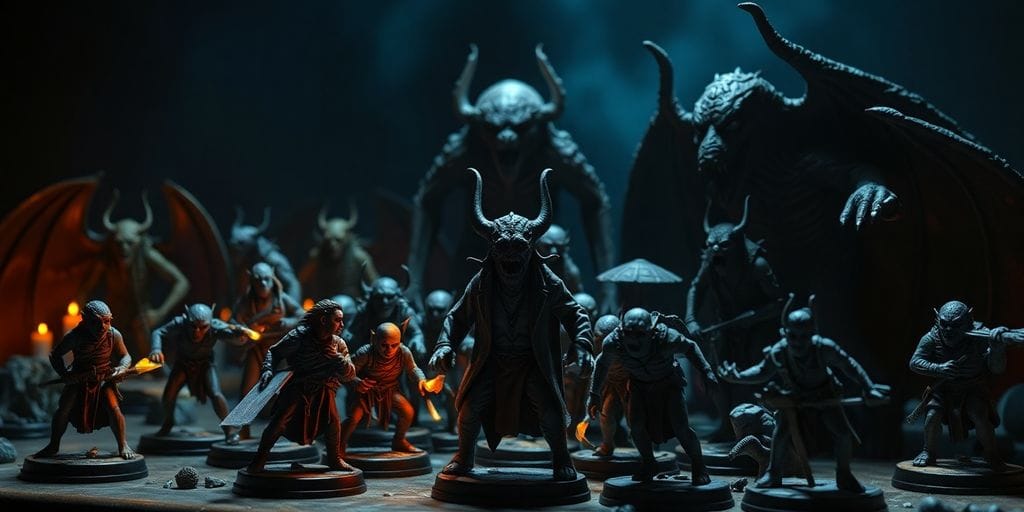
Thinking about getting into Call of Cthulhu? Or maybe you’ve been playing for a while and want to add some more flair to your game nights. Well, you’ve probably seen those cool little figures that represent investigators and the creepy things they run into. This article is all about those miniatures – what makes them neat, how to get them, and how they can make your games even more exciting. We’ll cover everything from picking out your first investigator figure to dealing with ancient horrors on your tabletop.
Key Takeaways
- Call of Cthulhu RPG miniatures can really bring your game sessions to life, making encounters feel more real.
- You can start with basic investigator figures or go all-in on collecting a variety of Mythos creatures and cultists.
- These miniatures help visualize scenarios, especially during combat, and boost immersion for everyone at the table.
- There are many types of miniatures available, including historical settings and specific campaign themes.
- The detail, materials, and painting of call of cthulhu rpg miniatures all contribute to their overall quality and impact on your game.
Exploring the World of Call of Cthulhu RPG Miniatures
Understanding the Appeal of Tabletop Miniatures
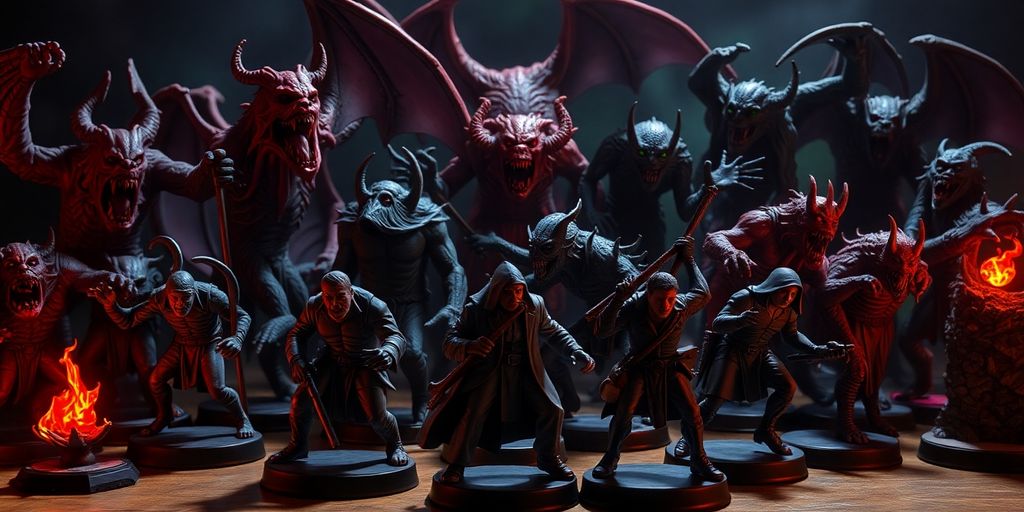
So, you’re getting into Call of Cthulhu, and you’ve seen these little figures people use. What’s the big deal with miniatures in tabletop roleplaying games? Well, for starters, they give you a physical representation of the characters and creatures you’re dealing with. Instead of just imagining your investigator cowering in a dark alley, you can actually see them there on the table. It makes the whole experience feel more grounded, even when you’re dealing with things that defy reality. These small figures help bridge the gap between the story in your head and the shared space of the game table. They can really help set the mood, especially when you’re facing down some unspeakable horror.
The Role of Miniatures in Immersive Gameplay
Miniatures do more than just look cool; they actively contribute to how you play. When you’re in the middle of a tense investigation, having your investigator miniature placed on a map of a creepy old mansion can really draw you into the scene. It helps everyone at the table keep track of where people are, especially during those moments when things get a bit chaotic, like a chase through narrow streets or a desperate fight in a dusty library. They also help the Keeper, the person running the game, to describe the environment and the threats more effectively. It’s easier to point to a miniature of a Shoggoth and say, "It’s right there, blocking the exit!" than to just describe it.
Key Elements of Call of Cthulhu RPG Miniatures
When you start looking at Call of Cthulhu miniatures, you’ll notice a few things. They come in different sizes, but most are around the 28mm scale, which is pretty standard for these kinds of games. This means a human figure is about an inch tall. The detail on them can vary a lot. Some are really simple, while others have tiny little buttons on a coat or the scales on a creature’s skin. You’ll also find they’re made from different materials, like plastic or metal, which affects how they feel and how much they cost.
Here are some common types you’ll encounter:
- Investigators: These are your player characters. You’ll find a wide variety, from grizzled detectives and brave archaeologists to nervous academics and resourceful journalists.
- Mythos Creatures: This is where the horror really comes in. Think Cthulhu himself, Deep Ones, Mi-Go, and all sorts of alien entities that are best not described in too much detail.
- Cultists and Henchmen: These are the human (or formerly human) antagonists who serve the Mythos. They can range from robed figures performing dark rituals to thugs hired to do dirty work.
- Monsters and Horrors: Beyond the core Mythos creatures, there are often other beasts and unnatural things that populate the world, adding variety to encounters.
The appeal of these miniatures lies in their ability to make the abstract tangible. They provide a focal point for the imagination, grounding the often-unimaginable horrors of the Cthulhu Mythos in a physical form that players can interact with and react to on the game table.
Acquiring Your Investigator and Monster Collections
Starting your journey into the world of Call of Cthulhu often means building a collection of miniatures to represent your brave, or perhaps not-so-brave, investigators and the unspeakable horrors they encounter. It’s not just about having figures; it’s about bringing the tangible presence of your characters and the terrifying Mythos creatures to your gaming table. This can feel a bit overwhelming at first, with so many options out there, but let’s break down how to get started and grow your collection.
Essential Miniatures for Starting Investigators
When you’re first stepping into the shoes of an investigator, you’ll want a few core figures to represent your player characters. Think about the archetypes you might encounter: the grizzled detective, the curious academic, the resourceful journalist, or the stoic doctor. Many starter sets or introductory bundles include a small selection of generic investigator figures that can serve well. These often come unpainted, giving you the chance to personalize them right from the start. It’s a good idea to pick up a few different poses and styles to give your group some variety.
- The Classic Investigator: Look for figures in period-appropriate clothing, perhaps holding a magnifying glass, a notebook, or a trusty sidearm.
- Specialized Roles: Consider figures that hint at specific professions, like someone holding a medical bag or a stack of books.
- Action Poses: Some investigators might be depicted in more dynamic poses, ready for action or fleeing from danger.
Encountering Mythos Horrors Through Miniatures
No Call of Cthulhu game is complete without the terrifying creatures from the Mythos. These are the miniatures that truly bring the cosmic dread to life. You’ll want to start with some of the more common threats your investigators might face. This could include shambling cultists, grotesque Deep Ones, or perhaps a lurking Shoggoth. The detail on these figures can really sell the horror, so pay attention to sculpt quality.
The sheer variety of Mythos creatures means your collection can grow indefinitely, each new monster adding a fresh layer of terror to your scenarios.
Here are some common Mythos entities to consider for your initial collection:
- Cultists: Often depicted in robes, these are your go-to for early-game antagonists.
- Deep Ones: Amphibious humanoids with unsettling features, perfect for coastal or aquatic encounters.
- Ghouls: Creatures that dwell underground, known for their hunger for human flesh.
- Mi-Go: Alien beings from Yuggoth, often depicted with strange, insectoid features.
Expanding Your Collection with Themed Sets
Once you have a basic set of investigators and some common monsters, you might want to look at more specialized collections. Many companies release themed sets that focus on specific eras, locations, or types of scenarios. For example, you might find sets dedicated to the 1920s, the Dark Ages, or even a "Pulp Cthulhu" set with more action-oriented figures. These can be a great way to quickly acquire a range of miniatures that fit a particular campaign or mood. Keep an eye out for limited edition releases or Kickstarter campaigns, as these often provide unique sculpts and great value.
- Era-Specific Sets: Collections tailored to the 1920s, Victorian era, or even future settings.
- Location-Based Sets: Miniatures designed for specific environments like Arkham, Innsmouth, or ancient ruins.
- Scenario-Specific Packs: Some sets are designed to accompany particular published adventures, providing all the necessary figures.
Enhancing Your Call of Cthulhu Experience
Utilizing Miniatures for Scenario Visualization
Sometimes, just reading about a scene isn’t enough. Miniatures can really help you and your group picture what’s happening. Imagine your investigators creeping through a dimly lit mansion, or facing down a shambling horror in a forgotten tomb. Having those figures on the table makes the environment feel more real. It’s like looking at a snapshot of the game world. This helps everyone understand the layout of a room, where characters are in relation to each other, and the scale of the threats they face. It’s particularly useful for complex combat or when describing a particularly unsettling location. You can even use them to mark important objects or points of interest.
The Impact of Miniatures on Roleplaying Immersion
When you’re playing Call of Cthulhu, the goal is to get lost in the story, right? Miniatures can really help with that. Seeing your investigator, represented by a small figure, standing against a monstrous foe can make the stakes feel higher. It adds a tactile element to the game that just isn’t there with purely theater-of-the-mind play. It’s not just about combat, either. A well-placed miniature can represent a key non-player character, a mysterious artifact, or even a clue. This visual aid can spark roleplaying moments and make the world feel more alive. It’s a way to ground the often abstract horrors of the Mythos in something tangible.
Customizing Your Call of Cthulhu RPG Miniatures
Once you’ve got your miniatures, the fun doesn’t stop. Many players find great satisfaction in painting their figures. It’s a chance to add your own personal touch to your investigators and the creatures they encounter. You can match the colors to descriptions in the rulebooks, or go wild with your own interpretations. Beyond painting, some people like to modify their miniatures. This could be as simple as adding a bit of flocking to a base to represent grass, or as complex as converting a figure to look exactly how they imagine a specific character or monster. It’s all about making the game world your own.
The act of painting miniatures can be a calming, almost meditative experience. It requires focus and patience, qualities that often serve investigators well when facing the unknown. Even a simple paint job can bring a miniature to life, transforming a plain piece of plastic or metal into a character with a story.
Discovering Diverse Miniature Offerings
Investigating Historical and Pulp Cthulhu Miniatures
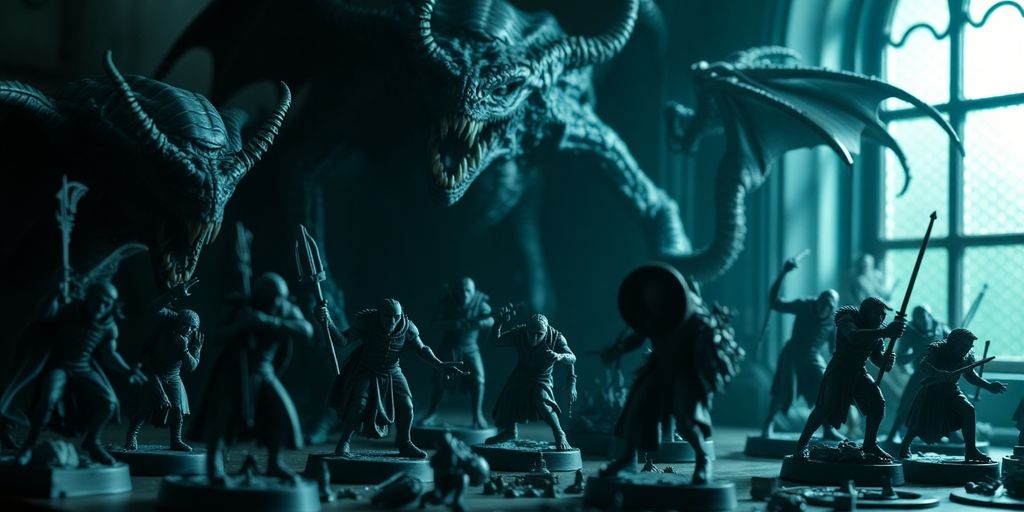
When you think of Call of Cthulhu, you probably picture the 1920s, right? Think fedoras, trench coats, and gaslight. Many miniature lines focus on this classic era, giving you investigators dressed in period-appropriate attire, ready to face down unspeakable horrors. But the game isn’t limited to just one time period. There are also fantastic options for those who enjoy the more action-packed "Pulp Cthulhu" variant, which often features more rugged adventurers, exotic locales, and a faster pace. You can find miniatures that capture this pulp feel, with characters in safari gear or daring pilots.
Beyond the 1920s, you might also find miniatures that cater to other historical settings that have been explored in Call of Cthulhu supplements. For instance, there are sets that represent different eras, like:
- Victorian Era: Think Sherlock Holmes meets cosmic dread.
- Dark Ages: Imagine knights and monks confronting ancient evils.
- World War II: Investigators in uniform facing occult Nazi experiments.
These historical settings offer a different flavor to your investigations and can really change the feel of a campaign.
Exploring Mythos Creatures and Cultist Miniatures
No Call of Cthulhu game is complete without the monsters and the madmen who worship them. Miniature manufacturers really let their imaginations run wild here. You’ll find everything from shambling horrors to towering, alien entities.
- Cultists: These come in all shapes and sizes, from robed figures performing dark rituals to everyday people secretly serving dark gods.
- Mythos Creatures: This is where the truly bizarre stuff comes in. Expect to see miniatures representing iconic creatures like Deep Ones, Ghouls, Mi-Go, and of course, various avatars or manifestations of Cthulhu himself.
- Aberrations: Beyond the named creatures, there are countless amorphous blobs, tentacled monstrosities, and things that defy easy description.
The sheer variety of monstrous miniatures available means you can populate your game with a truly terrifying bestiary. It’s always a treat to see how different artists interpret these otherworldly beings.
Finding Unique Miniatures for Specific Campaigns
Sometimes, a standard set of investigators and monsters just won’t cut it. Maybe you’re running a campaign set in a specific, unusual location, or perhaps you need figures that represent unique NPCs. Many smaller companies and independent artists create highly specialized miniatures. You might find:
- Location-Specific Figures: Miniatures designed for a particular scenario or setting, like a haunted asylum or a sunken city.
- Character-Specific Sculpts: Unique sculpts of famous investigators from fiction or even custom characters created by fans.
- Themed Accessory Packs: Sets that include props like ancient artifacts, occult symbols, or specific weapons that add flavor to your scenes.
Keep an eye on crowdfunding sites and independent miniature retailers; that’s often where the most unique and campaign-tailored pieces can be found. It’s a great way to get exactly what you need to make your game truly your own.
The Craftsmanship Behind Call of Cthulhu Miniatures
Detail and Scale in Miniature Design
When you pick up a Call of Cthulhu miniature, the first thing you might notice is the level of detail. These aren’t just simple figures; they’re often sculpted with incredible care to capture the essence of investigators, cultists, and the truly bizarre creatures from the Mythos. Think about the tiny wrinkles on a fedora, the frayed edges of a trench coat, or the unsettling texture of a Shoggoth’s pseudopods. This attention to detail is what really brings the game world to your tabletop. The scale is usually around 28mm, which is pretty standard for roleplaying games. This size makes them manageable to handle and paint, but also detailed enough to be visually interesting. It’s a balance that designers work hard to get right, making sure each piece tells a story even before you start painting.
Materials and Durability of Miniatures
What are these little guys actually made of? Most Call of Cthulhu miniatures are cast in either plastic or metal. Plastic ones, often found in starter sets or larger boxed games, are usually quite durable and easy to assemble. They’re great for beginners and can take a bit of rough handling, which is good if you’ve got a chaotic game night. Metal miniatures, on the other hand, tend to have sharper details and a bit more heft. They can be more fragile, especially smaller parts like weapons or antennae, so you need to be a bit more careful with them. Both have their pros and cons, and the choice often comes down to personal preference and how you plan to use them. If you’re just starting out, plastic is probably the way to go, but if you want that extra bit of crispness in the sculpt, metal is worth considering.
The Art of Painting and Finishing Miniatures
Once you have your miniatures, the real fun for many people begins: painting them. This is where you can really make your collection your own. You don’t need to be a professional artist to get good results. Start with a basic primer, then block in the main colors. Washes can add depth to shadows, and dry brushing can highlight raised details. For Call of Cthulhu, you can go for realistic colors for your investigators, or get really creative with unnatural hues for Mythos creatures. It’s a process that requires patience, but seeing a painted miniature come to life on the table is incredibly rewarding. Plus, a well-painted miniature can really help set the mood for a scenario, making those terrifying encounters feel even more real. It’s a hobby within a hobby, and there’s a huge community out there sharing tips and techniques if you ever get stuck.
Integrating Miniatures into Your Game Sessions
So, you’ve got your investigators, your monsters, and maybe even a few bits of scenery. Now what? Bringing these figures to the table can really change how a game feels. It’s not just about knowing where everyone is; it’s about making the story feel more real.
Strategic Placement for Combat Encounters
When a fight breaks out, miniatures become super useful. Instead of just saying "the cultist is to your left," you can point to the figure on the map. This helps everyone understand the battlefield. Think about cover – a miniature can sit behind a table or a wall piece, showing that it’s protected. This makes combat more tactical.
- Line of Sight: Use miniatures to see who can target whom. If a monster is behind a pillar miniature, it might not be able to see your investigator.
- Movement: Track how far characters move. A 30-foot move can be measured out on the table, making sure no one goes too far or not far enough.
- Area Effects: Spells or gas clouds can be represented by tokens or even a cluster of miniatures, showing who is affected.
Using miniatures for combat turns the abstract rules into a visual puzzle. It helps players think about positioning and risk in a more concrete way, making those tense moments even more gripping.
Representing Investigators and Non-Player Characters
Every character, whether they’re the heroes or just someone they meet in a dusty library, can have a miniature. This makes the cast of your game feel more solid. You can have a specific miniature for your main investigator, and then use generic ones for other people they meet, like a worried shopkeeper or a gruff police detective. This helps players keep track of who’s who, especially when there are a lot of people involved.
- Distinguishing Allies and Foes: Use different colored bases or simple markers to quickly tell your player characters apart from the bad guys.
- Tracking Status: A small colored bead or a tiny token can show if a character is injured, charmed, or under some other effect.
- NPC Identification: Having unique miniatures for important non-player characters makes them memorable. Think of the grizzled professor or the shifty informant – giving them a figure makes them feel more like real people in the story.
Bringing Eldritch Locations to Life with Miniatures
It’s not just about the people and monsters; the places matter too. You can use miniatures and small terrain pieces to build the scene. Imagine an investigator creeping through a dark, abandoned asylum. You can use small walls, doorways, and maybe even a spooky tree miniature to show the layout. This helps players visualize where they are and what they might encounter.
- Map Building: Use miniatures and terrain to create a physical representation of the game map, making exploration more engaging.
- Environmental Storytelling: Place miniatures of objects like overturned carts, scattered books, or flickering lanterns to add detail and hint at past events.
- Scale and Perspective: Seeing the environment laid out with miniatures can give players a better sense of the scale of the locations they are exploring, from cramped alleyways to vast, echoing halls.
Your Cosmic Journey Awaits
So, you’ve seen the variety of miniatures available for Call of Cthulhu. From the basic starter sets that get you going for just a few dollars, to more specialized collections and even wargame figures, there’s a lot out there to bring your investigations to life. Whether you’re a seasoned Keeper or just starting, these figures can really add to the atmosphere of your game sessions. They help make those terrifying monsters and desperate investigators feel more real on the tabletop. Plus, with bundles often supporting good causes like the World Wildlife Fund, you can build your collection and help out at the same time. It’s a great way to get more from your gaming experience.
Frequently Asked Questions
What are Call of Cthulhu RPG miniatures?
These are small figures, usually made of plastic or metal, that represent the characters and monsters you encounter in the Call of Cthulhu roleplaying game. They help bring the game’s spooky stories to life on your table.
Why should I use miniatures in Call of Cthulhu?
Miniatures make the game more visual and easier to follow, especially during tense moments like chases or fights. They help you and your friends picture where everyone is and what’s happening, making the game feel more real and exciting.
Where can I buy Call of Cthulhu miniatures?
You can find them at game stores, online shops that sell roleplaying game stuff, and sometimes directly from the game’s publisher, Chaosium. Special bundles are also often available, which can be a great way to start your collection.
Do I need to paint the miniatures?
No, you don’t have to! Many people enjoy painting them to add more detail and personality, but they look great right out of the box too. It’s a fun hobby within the hobby if you’re interested.
Are there miniatures for different time periods in Call of Cthulhu?
Yes! While the classic setting is the 1920s, there are miniatures for other eras too, like ancient Rome or even more action-packed ‘pulp’ adventures. This lets you match your figures to whatever kind of story you’re playing.
Can I use miniatures for places and not just characters?
Absolutely! Some sets include miniatures for buildings, furniture, or environmental details that can make your game’s locations really stand out. It’s a fantastic way to set the scene for your investigators.