
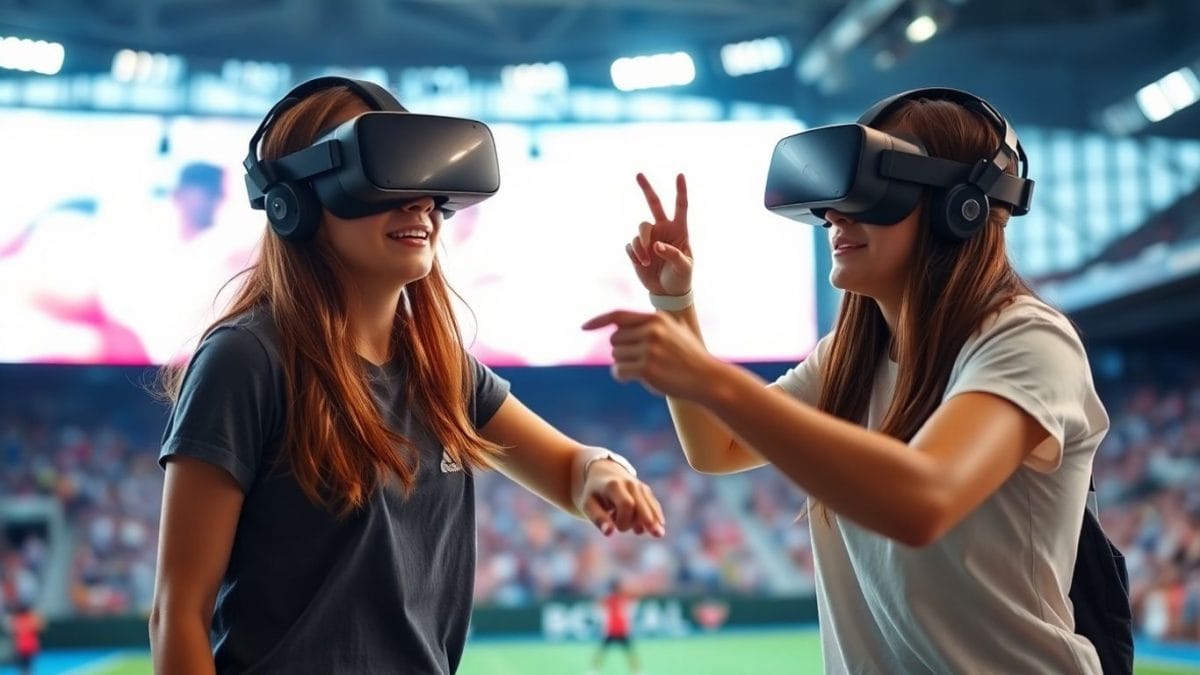
A recent study from Michigan State University suggests that augmented reality (AR) and virtual reality (VR) sports games can significantly improve psychological well-being and combat loneliness. By engaging players in immersive, interactive experiences that mimic real-world sports, these technologies foster a sense of social connection and real-time communication, proving beneficial even for those experiencing isolation.
Key Takeaways
- AR/VR sports games enhance psychological well-being by fostering social presence and real-time communication.
- Individuals experiencing loneliness reported stronger positive effects from these immersive gaming experiences.
- The technology offers a new avenue for therapeutic interventions, particularly for those struggling with social isolation.
The Science Behind the Screen
Researchers at Michigan State University’s Department of Kinesiology investigated the psychological benefits of AR/VR technology. Their study, published in the International Journal of Human-Computer Interaction, surveyed 345 individuals who played various AR/VR sports games like table tennis and bowling. The findings indicate that greater engagement in these games correlated with higher levels of psychological well-being.
Fostering Social Connection in Virtual Worlds
The study highlights that AR/VR sports games create a strong sense of "being with others" through avatars, live communication, and nonverbal cues. This social presence is crucial in enhancing players’ psychological well-being. Lead authors Sanghoon Kim and Sangchul Park emphasized that psychological well-being is multifaceted, influenced by both virtual experiences and their connection to real-life relationships.
Loneliness and Gaming: A Surprising Link
Interestingly, the positive impact of AR/VR sports gaming was more pronounced for individuals who reported higher levels of loneliness. This suggests that these immersive games can serve as a valuable tool for mitigating feelings of isolation. The researchers even speculated about the potential for AR/VR sports games to be incorporated into therapeutic interventions for those facing loneliness or mental health challenges.
Looking Ahead: Potential and Pitfalls
While the findings are promising, the researchers caution that AR/VR sports games are not a universal solution for loneliness. Some users may still feel uncomfortable interacting in virtual settings, hindering their ability to form connections. Therefore, the study encourages careful consideration and regulation of AR/VR use to support mental health effectively. Educating users, practitioners, and policymakers on both the potential benefits and drawbacks is essential for harnessing this technology responsibly.