
Alright, so 2016 was a pretty wild year for games, especially if you’re into role-playing. It felt like a lot of JRPGs, which sometimes get overlooked, really started showing up in a big way. We saw some big names and some smaller, but still really good, titles hit the shelves. It was a time when the genre felt like it was getting a fresh breath of air, and there was a lot to look forward to for fans. If you were looking for a new rpg game 2016 definitely delivered.
Key Takeaways
- Final Fantasy Explorers mixed Monster Hunter loot with the classic FF job system.
- Persona 5 was a major highlight, considered a top pick by many.
- Final Fantasy XV was highly anticipated and a strong contender.
- The Legend of Heroes: Trails of Cold Steel offered a deep JRPG experience.
- Octopath Traveler brought back nostalgic 16-bit visuals and unique character stories.
1. Final Fantasy Explorers
Final Fantasy Explorers landed on the 3DS as a bit of a surprise package, aiming to blend the familiar Final Fantasy job system with the kind of addictive monster-hunting loop that games like Monster Hunter are known for. It’s a title that Square Enix put out there, and it’s already available for people to pick up, though finding a physical copy might be a little tricky.
The game really tries to capture that feeling of cooperative play, letting you team up with friends to take down powerful monsters. It’s a pretty neat idea, especially for a handheld. The core gameplay involves taking on quests, gathering materials, and then using those to craft better gear. You can switch between different jobs, like the classic Black Mage or Knight, which adds a good amount of variety to how you approach combat.
Here’s a quick look at some of the jobs you can expect:
- Knight
- Black Mage
- White Mage
- Thief
- Dragoon
- Monk
It’s a game that seems built for short bursts of play, perfect for the 3DS. Whether the long-term appeal holds up really depends on how engaging the quest design and the loot system are over time. It’s definitely an interesting direction for a Final Fantasy spin-off, trying something a bit different from the usual turn-based or action-RPG fare.
The developers clearly wanted to create a game that felt like a fresh take on the Final Fantasy formula, focusing on action and teamwork rather than a grand, sweeping narrative. It’s a bold move, and for fans looking for something a bit more immediate and less story-heavy, this might just hit the spot.
2. Persona 5
Persona 5 arrived with a lot of anticipation, and for good reason. Atlus, the studio behind it, has a strong track record with the Persona series, consistently putting out high-quality Japanese role-playing games. This installment promised a fresh experience, and early glimpses showed off a very stylish game set in a modern city.
The game’s aesthetic is a major draw, featuring a unique visual design that blends anime influences with a slick, urban feel. Players step into the shoes of a group of phantom thieves, each with their own distinct personality and motivations. The gameplay loop involves balancing daily life activities, like attending school and building relationships, with venturing into a surreal alternate reality known as the Metaverse to steal the desires of corrupt adults.
One of the standout features is its turn-based combat system. It’s fast-paced and visually dynamic, encouraging players to exploit enemy weaknesses. Building a strong team of Personas, which are essentially summoned manifestations of the characters’ psyches, is key to overcoming the game’s challenges.
The narrative explores themes of rebellion, freedom, and societal critique, all wrapped in a compelling story that keeps players invested.
While the exact release date was a moving target for a while, the buzz surrounding Persona 5 suggested it would be a significant release for 2016. The game’s blend of social simulation, dungeon crawling, and stylish presentation made it one of the most talked-about RPGs of the year.
3. Final Fantasy XV
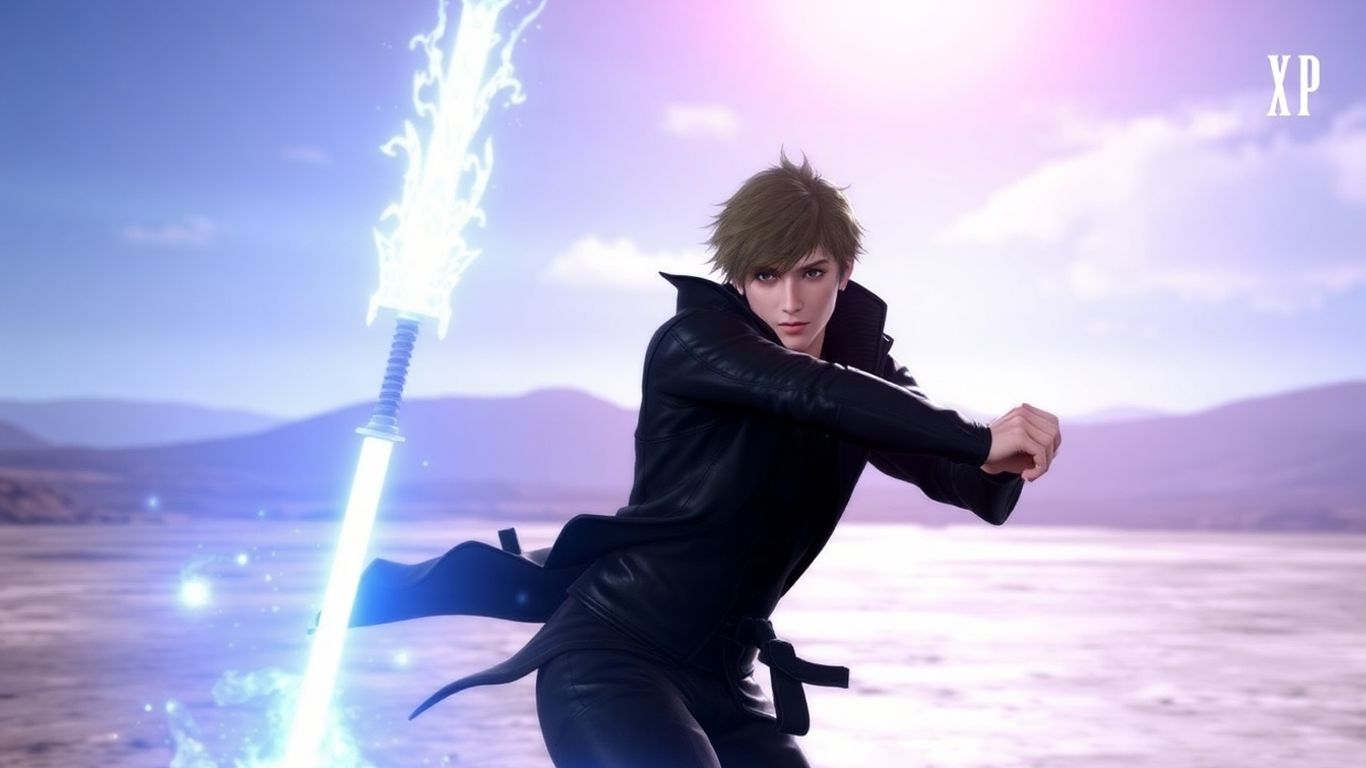
Final Fantasy XV is a game that many have been waiting for a very long time. Originally announced way back in 2006 as Final Fantasy Versus XIII, it’s had a decade in development. This long wait has given the development team at Square Enix plenty of time to refine the game, especially after listening to feedback from the Episode Duscae demo released in 2015. The game is visually stunning, with a high production value that matches its high profile.
The journey of Noctis and his friends is set to be an epic one, blending action-packed combat with a compelling narrative. The open-world environment promises a lot of exploration, and the car mechanics add a unique touch to traversing the vast landscapes. Players can expect a mix of traditional Final Fantasy elements and new gameplay systems that aim to modernize the series.
Here’s a look at some key aspects:
- Characters: Follow Prince Noctis and his loyal companions – Gladiolus, Ignis, and Prompto – on their quest.
- World: Explore the expansive world of Eos, from bustling cities to wild, untamed territories.
- Combat: Experience a real-time combat system that allows for strategic use of weapons and magic.
The development process for Final Fantasy XV has been unusually transparent, with the team actively engaging with player feedback to shape the final product. This dedication to refinement suggests a polished experience upon release.
4. The Legend Of Heroes: Trails Of Cold Steel
The Legend of Heroes: Trails of Cold Steel brought a fresh perspective to the JRPG landscape in 2016. This entry in the long-running series focuses on the students of Thors Military Academy, blending school life simulation with tactical turn-based combat. It’s a game that really takes its time to build its world and characters, which can be a good thing if you enjoy getting invested.
One of the standout features is the "Tactical Link" system. This allows players to form bonds with fellow students, which then translates into combat bonuses. Building these relationships isn’t just for show; it directly impacts your effectiveness in battle, offering advantages like increased critical hit rates or the ability to perform follow-up attacks. It adds a layer of strategy that goes beyond just picking the right skills.
Here’s a quick look at some of the core mechanics:
- Character Bonding: Develop relationships with classmates to unlock combat advantages.
- Tactical Turn-Based Combat: Engage in strategic battles where positioning and skill usage are key.
- School Life Simulation: Balance your academic and social life with combat training.
The narrative weaves a complex political and social tapestry, exploring themes of class disparity and military ambition through the eyes of its young protagonists. It’s a story that feels grounded despite its fantastical elements.
The game’s world-building is particularly strong, with a detailed history and interconnected lore that rewards players who pay attention. While it might seem like a slow burn initially, the payoff is a deeply engaging experience with a memorable cast. It’s definitely a title for those who appreciate a well-crafted story and strategic gameplay.
5. Legend Of Legacy
Legend of Legacy is a role-playing game that came out for the Nintendo 3DS in 2016. It was developed by FuRyu and published by Atlus in North America. The game features a classic JRPG style with a focus on exploration and turn-based combat. Players take on the role of a group of adventurers who are drawn to a mysterious island called Avalon.
The game’s combat system is a key feature, utilizing a formation-based approach where character positioning affects battle outcomes. This adds a layer of strategy beyond simply choosing attacks. Players can customize their characters’ abilities and equipment, allowing for different playstyles. The story follows the journey of the protagonists as they uncover the secrets of Avalon and its inhabitants.
Legend of Legacy aims to recapture the feel of older JRPGs, offering a deliberate pace and a focus on discovery. It’s a title that rewards players who enjoy a more traditional adventure.
Here’s a look at some of the game’s core elements:
- Exploration: Players traverse diverse environments on Avalon, uncovering hidden paths and secrets.
- Combat: A turn-based system where character placement and abilities are important.
- Character Customization: Players can upgrade skills and equip different gear to tailor their party.
- Story: A narrative centered around uncovering the mysteries of the island and its past.
6. Etrian Odyssey 2 Untold: The Fafnir Knight
Etrian Odyssey 2 Untold: The Fafnir Knight brings a fresh take to the dungeon-crawling genre on the Nintendo 3DS. This entry offers two distinct ways to play: Story Mode and Classic Mode. Story Mode introduces a narrative with pre-set characters and a developing plot, focusing on a group of adventurers tasked with protecting the kingdom from a curse. It’s a welcome addition for those who prefer a more guided experience. Classic Mode, on the other hand, sticks to the series’ roots, allowing players to create their own party from scratch and explore vast, procedurally generated labyrinths.
The game’s core loop involves exploring intricate dungeons, battling monsters, and managing your party’s skills and equipment. The Fafnir Knight himself is a unique character class that can transform, adding a strategic layer to combat. Players will need to carefully map their progress through the dungeons, as the game rewards thorough exploration and strategic thinking. The difficulty can be quite high, especially in Classic Mode, so preparation is key.
Here’s a look at the two main modes:
- Story Mode: Features a pre-written narrative with unique characters and plot events.
- Classic Mode: Allows for complete player freedom in character creation and dungeon exploration.
The game also includes a robust character customization system, letting you choose from various classes, skills, and appearances. This allows for a high degree of replayability and personalized gameplay. The visual style is distinct, with a hand-drawn aesthetic that brings the world and its creatures to life.
The blend of challenging dungeon crawling and character progression makes Etrian Odyssey 2 Untold: The Fafnir Knight a standout title for fans of the genre. Its dual modes cater to both story-driven players and those who love the pure exploration and customization that the series is known for.
7. Stella Glow
Stella Glow is a tactical RPG that landed on the Nintendo 3DS in 2016. Developed by Imageepoch and published by Atlus, it puts players in the role of Alto, a young man who discovers he can awaken the powers of the "Songstresses." These powerful women are the only ones capable of stopping the world from being frozen by the mechanical Witch Hilda and her army. The game features a turn-based combat system where positioning and character abilities are key to success.
The core gameplay loop involves recruiting and training a team of Songstresses, each with unique skills and personalities. As you progress, you’ll engage in strategic battles, manage your party’s growth, and experience a story that blends fantasy elements with a coming-of-age narrative.
Here’s a look at some of the key Songstresses you’ll encounter:
- Alto: The protagonist, a young man with the ability to awaken Songstresses.
- Lisette: A kind-hearted Songstress who specializes in water magic.
- Hilda: The primary antagonist, a powerful witch who seeks to freeze the world.
- Archie: A loyal companion who aids Alto on his journey.
The narrative focuses on Alto’s efforts to gather the Songstresses and prevent Hilda’s destructive plans. It’s a story about friendship, responsibility, and the power of music.
Stella Glow offers a solid RPG experience with its engaging story, strategic combat, and charming characters. It’s a title that fans of tactical RPGs will likely find quite enjoyable.
8. Dragon Quest XI
Dragon Quest XI, released in 2017, was a significant entry for the long-running series. It managed to stay true to its roots while offering a fresh experience for both new and returning players. The game is known for its vibrant world, memorable characters, and a story that can easily span over 80 hours of gameplay.
The game’s commercial success, with over 6 million units sold worldwide, was matched by strong critical reception, cementing its place as a standout turn-based RPG.
Dragon Quest XI features a classic turn-based combat system that fans of the genre will appreciate. The adventure takes players across a vast world filled with diverse environments, from lush forests to bustling cities, each populated by the series’ signature quirky monsters and characters. The narrative follows the Luminary, a young hero destined to defeat the forces of darkness.
The game’s design philosophy clearly aimed to honor the series’ legacy, providing a familiar yet refined experience that appealed to a broad audience.
Key aspects that make Dragon Quest XI a notable RPG include:
- Rich Storytelling: A compelling plot with a large cast of characters, each with their own motivations and backstories.
- Charming Visuals: A colorful and detailed art style that brings the world and its inhabitants to life.
- Engaging Combat: A traditional turn-based system that is easy to learn but offers strategic depth.
- Extensive Content: A massive world to explore with numerous side quests and activities to undertake.
9. Octopath Traveler
Octopath Traveler really leaned into a specific kind of nostalgia, and it worked. The game uses a visual style that looks like a classic 16-bit RPG, but with modern touches, giving it a really distinct look. You play as one of eight different characters, and each one has their own story to follow. This structure, where you can tackle the stories in almost any order, was pretty unique for its time.
It’s not just about the visuals, though. The combat is turn-based, which is a familiar system for many RPG fans. What sets it apart is the "Break" and "Boost" system. You can break an enemy’s guard by hitting their weaknesses, which stuns them and makes them take more damage. Then, you can use "Boost" points to power up your own attacks, making them hit harder and faster. It adds a layer of strategy to every fight.
The game’s soundtrack is also a big part of its charm, really capturing that classic RPG feel while still sounding fresh.
Here’s a quick look at the characters and their starting abilities:
- Olav: Warrior – Starts with a sword and can use basic attacks.
- Cyrus: Scholar – Uses elemental magic and can identify enemy weaknesses.
- Tressa: Merchant – Can buy items from townsfolk and has a unique "Gather" ability.
- Ophilia: Cleric – Focuses on healing and support magic.
- Primrose: Dancer – Uses buffs and debuffs to control the flow of battle.
- Alfyn: Apothecary – Can mix items and has a unique "Concoct" ability.
- Therion: Thief – Specializes in stealing items and has fast, precise attacks.
- H’aanit: Hunter – Uses animal companions in combat and excels at ranged attacks.
Octopath Traveler was a big hit, selling over two million copies. It really showed that there’s still a strong appetite for this style of RPG, and it even paved the way for a sequel.
10. Monster Hunter World
Capcom really stepped up their game with Monster Hunter World. This entry in the long-running series felt like a massive evolution, offering a more accessible yet still deep experience. It managed to blend its combat systems in a way that felt natural, even for players new to the franchise.
The game’s success was undeniable, making it a significant milestone for the Monster Hunter series. It provided a vast, living world to explore, filled with challenging monsters that required strategy and preparation to hunt. The integration of environmental elements into the hunt mechanics was particularly well-done, adding another layer of depth to each encounter.
Monster Hunter World offered a satisfying progression system, allowing players to craft and upgrade gear from the monsters they defeated. This loop of hunting, gathering, and crafting was incredibly addictive. The game also supported cooperative play, making it a fantastic experience to share with friends as you tackled the toughest beasts together.
The sheer scale of the monsters and the environments they inhabited was breathtaking. Each hunt felt like a significant undertaking, demanding careful observation and adaptation to the creature’s behavior.
Key features that made Monster Hunter World stand out:
- Seamless World Design: No more loading screens between areas, creating a more immersive experience.
- Deep Combat Mechanics: A refined combat system that offered a high skill ceiling.
- Extensive Crafting: A robust system for creating and upgrading weapons and armor.
- Cooperative Multiplayer: Designed from the ground up for playing with others.
Looking Back and Moving Forward
As we wrap up our look at the RPG landscape of 2016, it’s clear that this year offered a lot for fans of the genre. From expansive worlds to engaging stories and varied gameplay styles, the titles we’ve discussed represent a strong showing. Whether you were drawn to the deep mechanics of a complex world or the charm of a classic turn-based adventure, 2016 provided plenty of memorable experiences. The continued innovation and passion seen in these games suggest a bright future for RPGs, with many players eagerly anticipating what comes next.
Frequently Asked Questions
What makes 2016 a special year for RPG fans?
2016 was a really big year for role-playing games, especially Japanese RPGs (JRPGs). Many great games came out, giving fans a lot to play and enjoy throughout the year.
Which Final Fantasy game was a highlight in 2016?
Final Fantasy XV was a major release in 2016. It was highly anticipated and offered a huge adventure with a compelling story and engaging gameplay.
Was Persona 5 released in 2016?
Yes, Persona 5 was a major RPG that came out in 2016. It’s known for its stylish presentation, deep story, and unique blend of dungeon crawling and social simulation.
Are there any classic RPG series that had new entries in 2016?
Absolutely! Series like Dragon Quest and The Legend of Heroes also had new games released in 2016, bringing their signature styles and stories to players.
What kind of gameplay can I expect from games like Octopath Traveler?
Octopath Traveler brought back a classic feel with its 16-bit inspired graphics and multiple character stories. It offered a unique way to experience an RPG adventure.
Were there any games that mixed popular gameplay styles in 2016?
Yes, Final Fantasy Explorers tried to mix the action of hunting monsters with the job system from Final Fantasy. Monster Hunter World also offered a big adventure with deep combat.