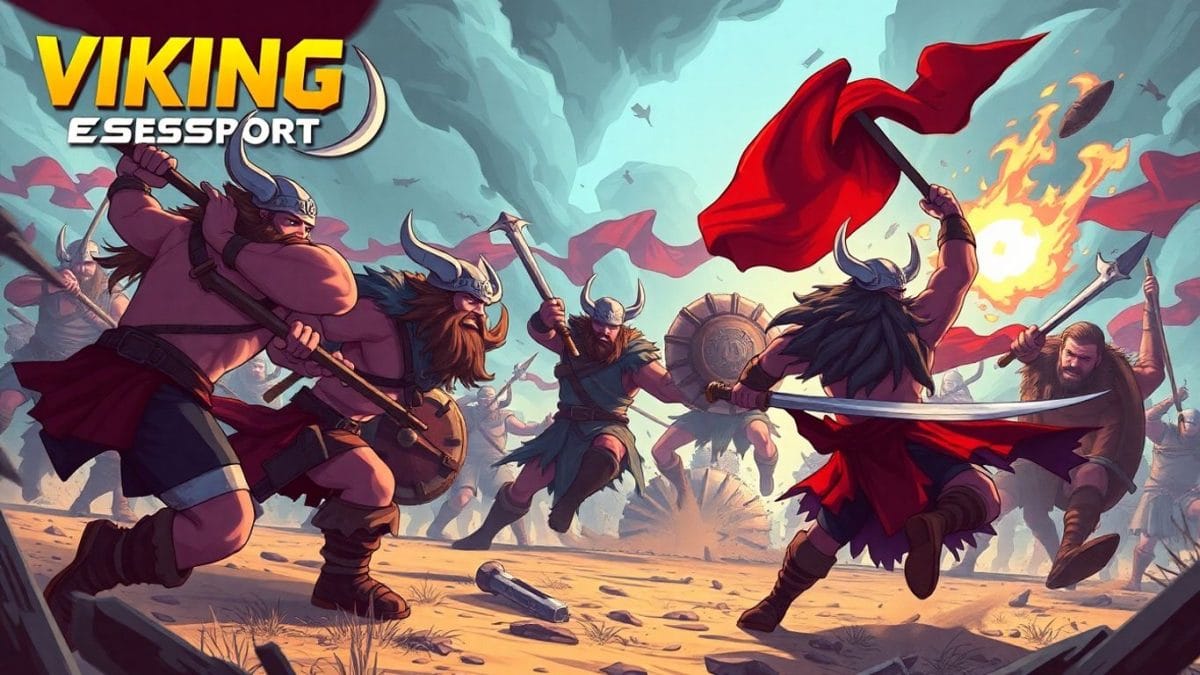
Competitive gaming, often called esports, has really taken off. It’s not just a hobby anymore; it’s a whole scene with players, teams, and big events. This article looks at how viking esport became so popular, what makes it tick, and where it might be headed. We’ll explore the people involved, the money side of things, and how players and fans connect. Plus, we’ll think about what viking esport means for culture and entertainment today.
Key Takeaways
- Viking esport has grown from simple competitions to a major global event, impacting economies and culture.
- The viking esport world involves players, teams, organizers, and sponsors, creating a complex ecosystem.
- Technology, game design, and community are key factors driving the success and evolution of viking esport.
- Viking esport raises questions about work, play, and gender roles within the gaming world.
- The future of viking esport includes professionalization, new trends, and discussions about its social effects.
The Evolution of Viking Esport
From Arcade Competitions to Global Spectacles
Competitive gaming, or what we now call esports, didn’t just appear overnight. Its roots go way back, even before the internet was a common thing. Think about the early days of arcades. People would gather, not just to play games, but to see who could get the highest score. It was a local competition, a way to show off skills in games like Pac-Man or Donkey Kong. Shows like "Starcade" in the early 80s even brought these arcade battles to television, giving a glimpse of what competitive gaming could be.
Then came the 90s, and with networked computers, games like Doom allowed players to compete against each other over local networks. This was a big step. The real shift, however, happened as the internet became more widespread, allowing for global competition and the birth of professional gaming as we know it. Suddenly, players weren’t just competing in their basements; they were facing off against people across the world.
This growth wasn’t just about playing games. It was about building communities, organizing events, and creating a spectator experience. Early tournaments, like the World Cyber Games, started to resemble traditional sports events, with opening ceremonies, large prize pools, and dedicated fan bases. It was a transition from a hobby to something much bigger, a structured activity with its own culture and economy.
The Economic and Cultural Impact of Viking Esport
Esports has grown into a massive industry. Back in the early 70s, a competition at Stanford University had about 20 attendees. Fast forward to today, and the global esports industry is worth hundreds of millions of dollars, attracting millions of viewers worldwide. This isn’t just about video games anymore; it’s a significant economic force.
Here’s a look at some of the growth:
- Revenue Growth: The industry’s revenue has seen consistent increases year over year.
- Viewer Numbers: Millions tune in to watch major esports tournaments.
- Job Creation: The sector supports jobs in broadcasting, marketing, event management, and more.
This economic boom has had a ripple effect. It’s created new business models, attracted major sponsors from outside the gaming world, and even influenced traditional media. Culturally, esports has become a new form of entertainment, blending digital play with the excitement of live competition. It’s a phenomenon that reflects our increasingly digital lives and how we find community and competition in new spaces.
The journey from simple arcade high scores to massive global tournaments shows how technology and human desire for competition can create entirely new cultural landscapes.
Defining Viking Esport: A New Form of Entertainment
So, what exactly is Viking Esport? At its core, it’s competitive video gaming. But it’s more than just playing games; it’s organized, it’s skilled, and it’s often watched by large audiences. Think of it as a sport, but played with digital tools instead of physical ones.
Key characteristics include:
- Organized Competition: Events are structured with rules, schedules, and often professional management.
- Skilled Players: Participants train rigorously to master game mechanics and develop strategies.
- Spectator Appeal: Matches are broadcast live, attracting viewers who follow teams and players.
This blend of skill, competition, and viewership makes Viking Esport a distinct form of entertainment. It’s a modern spectacle that appeals to a generation that grew up with video games, offering a dynamic and engaging experience that continues to evolve.
Understanding the Viking Esport Ecosystem
The Role of Players, Teams, and Organizers
The Viking Esport scene, like any competitive endeavor, relies on a structured ecosystem where different groups play specific roles. At the core are the players, the individuals who dedicate countless hours to mastering the game. They aren’t just playing; they’re training, strategizing, and pushing the boundaries of what’s possible within the game’s mechanics. Following closely are the teams, often formed by players who share a common goal and synergy. These teams provide a framework for collaboration, practice, and often, a shared identity that fans can rally behind. They can range from informal groups of friends to highly organized professional units with coaches and support staff.
Then there are the organizers. These are the entities that make the competitions happen. They might be tournament organizers (TOs) who set up brackets, manage schedules, and ensure fair play, or league operators who run season-long events. Without organizers, the competitive structure would simply not exist. They are the backbone, creating the platforms where talent can be showcased and rivalries can be forged.
- Players: The individuals who compete.
- Teams: Groups of players working together.
- Organizers: Entities that facilitate competitions.
The interplay between these groups is what gives Viking Esport its structure and dynamism. A strong player base needs organized events to test their skills, and successful events often depend on talented players and cohesive teams to draw an audience.
Sponsorships and Business Models in Viking Esport
Sponsorships are a major driving force behind the financial viability of Viking Esport. Companies, both within and outside the gaming industry, see value in associating their brands with popular games, teams, and events. This can take many forms, from direct team sponsorships, where a company’s logo appears on player jerseys, to event sponsorships, where a brand might be the title sponsor of a major tournament. These partnerships provide the necessary funding for prize pools, player salaries, production costs, and marketing efforts.
Beyond sponsorships, other business models are emerging. Merchandise sales, media rights for broadcasts, and even in-game item sales tied to competitive events contribute to the ecosystem’s revenue. The goal is to create a sustainable model that supports the growth of the scene while providing returns for investors and stakeholders.
| Revenue Stream | Description |
|---|---|
| Sponsorships | Brands paying to associate with teams, players, or events. |
| Media Rights | Selling broadcast rights to streaming platforms or traditional media. |
| Merchandise | Selling branded apparel, accessories, and other fan-related items. |
| Ticket Sales | Revenue from spectators attending live events. |
| Advertising | On-screen ads during broadcasts or at live venues. |
The Spectator Experience and Community Engagement
The spectator experience is absolutely vital to Viking Esport’s success. It’s not just about watching skilled players; it’s about the shared excitement, the drama of close matches, and the feeling of being part of something larger. High-quality broadcasts, often featuring expert commentary and engaging analysis, are key to drawing and retaining viewers. Streaming platforms like Twitch and YouTube have become the primary venues for this, allowing fans to watch live events, interact with each other in chat, and connect with their favorite players and teams.
Community engagement goes hand-in-hand with the spectator experience. This involves building a loyal fanbase through social media, fan forums, and direct interaction with players. Creating opportunities for fans to feel connected, whether through Q&A sessions, fan art contests, or even amateur tournaments, strengthens the overall ecosystem. A vibrant community is the lifeblood of any esport, ensuring continued interest and support.
- Live Broadcasts: High-quality streams with engaging commentary.
- Online Interaction: Chat features and social media for real-time engagement.
- Fan Content: Encouraging user-generated content like highlights and analysis.
- Community Events: Organizing meetups, Q&As, and smaller fan tournaments.
Key Factors Shaping Viking Esport
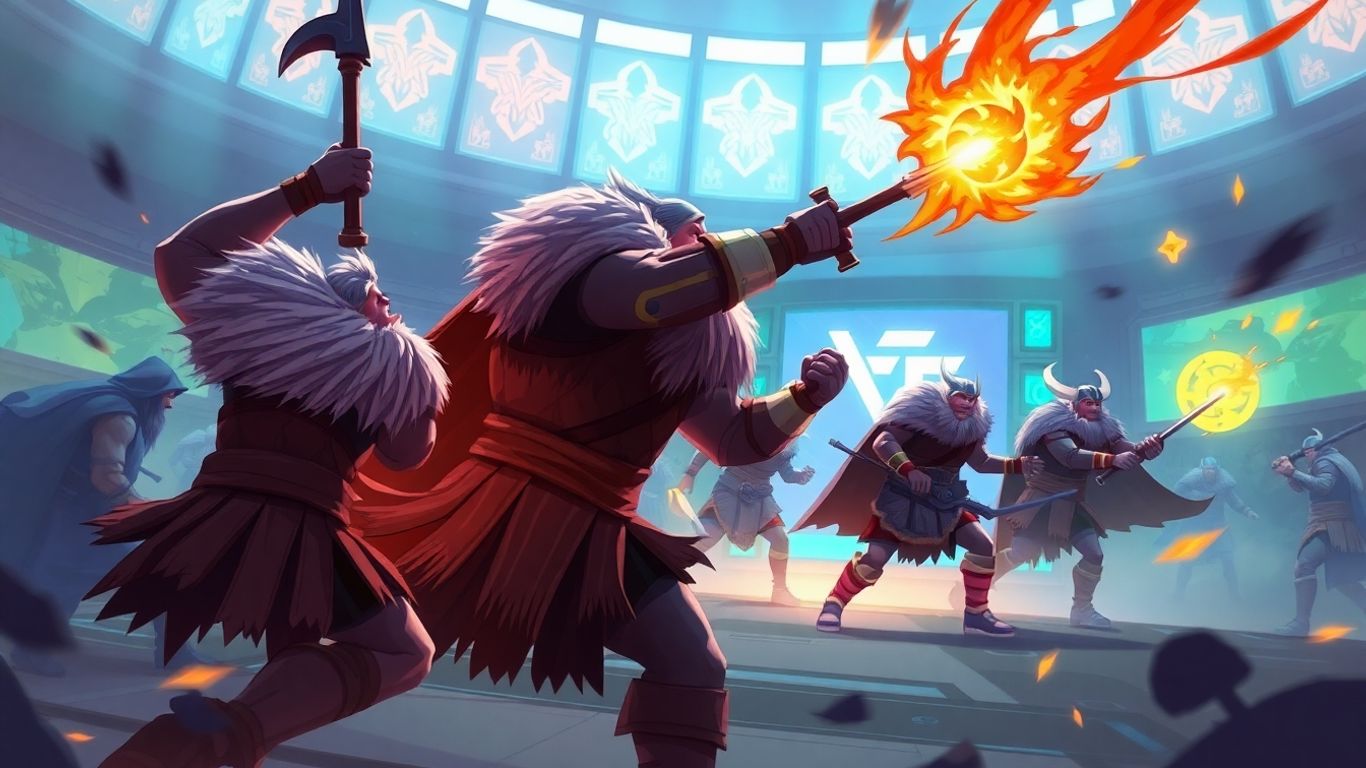
Several elements come together to shape the Viking Esport landscape, influencing everything from how games are played to how communities form. It’s a mix of technology, the games themselves, and the people involved.
Technological Advancements and Their Influence
Technology is the bedrock of Viking Esport. Think about it: without powerful computers and fast internet, none of this would be possible. The constant push for better graphics, faster processors, and lower latency directly impacts the player experience.
- Hardware Evolution: Faster CPUs and GPUs allow for more complex game worlds and smoother gameplay.
- Network Infrastructure: High-speed internet is non-negotiable for competitive play, reducing lag and ensuring fair matches.
- Software Development: Game engines and development tools are constantly improving, leading to more sophisticated and engaging titles.
Gameplay Mechanics and Competitive Strategies
At its core, Viking Esport is about the games. The specific rules, controls, and objectives within each game create the framework for competition. Different games require vastly different skill sets and approaches.
- Game Design: Developers carefully craft mechanics that allow for depth and strategic play. This includes character abilities, map design, and item systems.
- Meta-Game: Within any popular Viking Esport title, a
Viking Esport: A Deeper Cultural Analysis
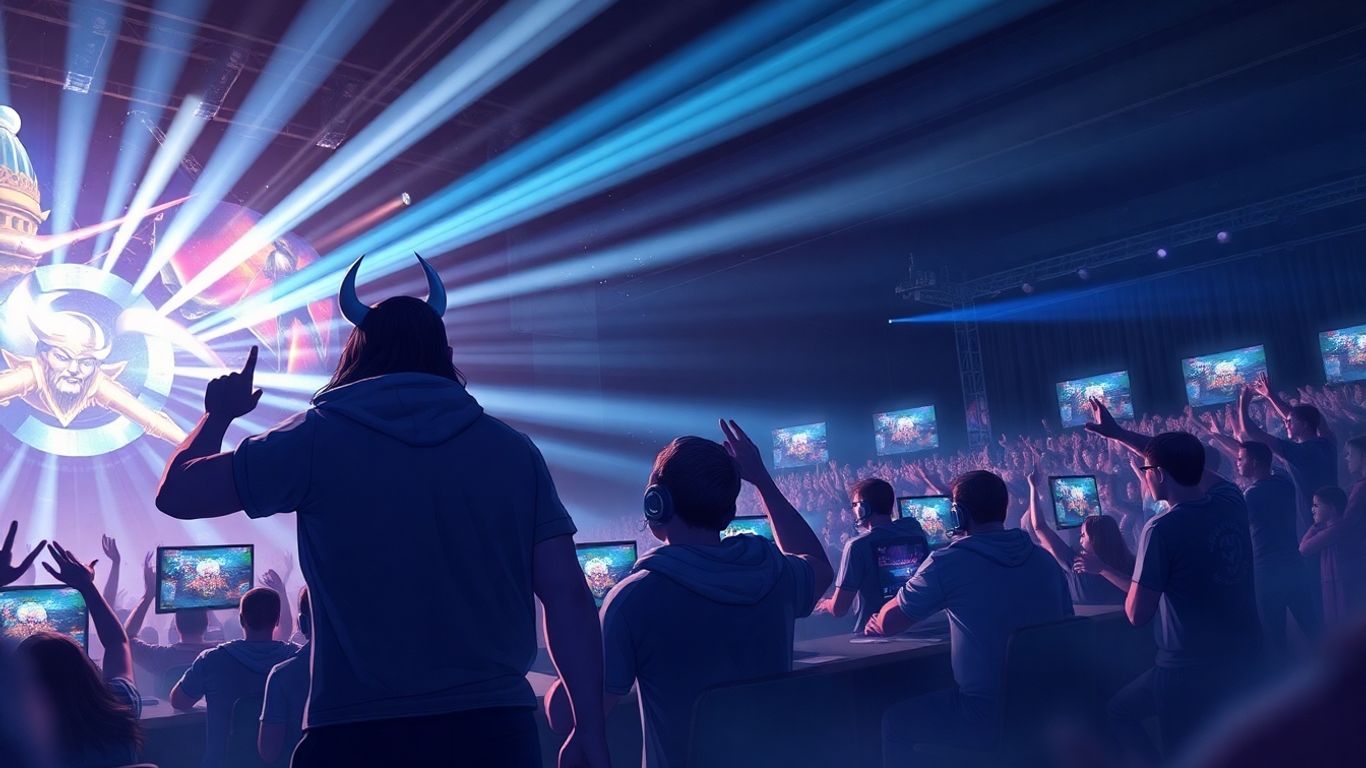
Viking Esport and Notions of Play and Work
It’s interesting to think about how playing games, which started as just fun, has turned into something that looks a lot like work for many people involved in Viking Esport. We see players spending hours practicing, strategizing, and competing, much like someone in a traditional job. This blurs the lines between what’s considered leisure and what’s considered a profession. The dedication required to excel in Viking Esport often mirrors the commitment found in traditional sports or demanding careers.
Here’s a look at how this shift happens:
- Time Commitment: Top players dedicate 8-12 hours a day to practice, review, and team meetings.
- Performance Pressure: Unlike casual gaming, professional play comes with expectations for consistent high performance.
- Financial Stakes: Salaries, prize money, and sponsorships mean that performance directly impacts livelihood.
- Structured Regimes: Many teams implement strict schedules for training, nutrition, and even sleep.
The transition from a hobby to a career in Viking Esport isn’t just about getting paid; it’s about adopting a professional mindset. This involves managing stress, dealing with public scrutiny, and constantly striving for improvement, even when the motivation might naturally wane.
Gender Dynamics within the Viking Esport Scene
When we look at who plays and who watches Viking Esport, we can’t ignore the gender aspect. Historically, many competitive gaming scenes have been dominated by men. This can create certain environments and expectations. While Viking Esport is growing and becoming more inclusive, there are still conversations happening about representation and how women and non-binary individuals experience the competitive gaming world.
Some points to consider:
- Representation: Are there enough visible female or non-binary professional players and streamers?
- Community Culture: How welcoming are online and offline communities to players of all genders?
- Stereotypes: Are there common assumptions about who plays certain games or how they should play?
- Opportunities: Are there equal opportunities for sponsorship, team placement, and recognition?
The Influence of Viking Esport on Media and Society
Viking Esport isn’t just a niche activity anymore; it’s starting to show up in mainstream media and influence broader cultural trends. Think about how sports are covered – Viking Esport is getting similar treatment with dedicated news outlets, commentators, and even broadcast deals. This growing presence means that the way we think about entertainment, competition, and even celebrity is changing.
Consider these influences:
- Media Coverage: More traditional media outlets are reporting on major Viking Esport tournaments and players.
- Cultural Integration: Elements of Viking Esport culture, like player slang or game-specific strategies, are starting to appear in general conversation.
- Economic Impact: The industry’s growth creates jobs in broadcasting, marketing, event management, and more.
- Perception of Gaming: It’s helping to shift the perception of video games from a solitary pastime to a legitimate spectator activity and career path.
The Future Trajectory of Viking Esport
Emerging Trends and Future Developments
The world of Viking Esport is always shifting, and keeping up with what’s next is part of the fun. We’re seeing a lot of new ideas pop up. For instance, games that blend traditional Viking lore with modern competitive gameplay are gaining traction. Think about games where players might manage a longship crew in a strategic battle, or where character progression is tied to Norse mythology. It’s not just about the games themselves, though. The way we watch and interact with Viking Esport is changing too. Virtual reality (VR) and augmented reality (AR) are starting to play a bigger role, offering more immersive ways to experience tournaments and player performances. Imagine being able to stand virtually beside your favorite player during a match, or seeing stats and player info overlaid onto the live action. This tech could really change how fans connect with the scene.
Professionalization and Governance in Viking Esport
As Viking Esport grows, so does the need for clear rules and structures. We’re moving towards more formal organizations that handle everything from player contracts to tournament regulations. This professionalization is important for making sure the scene is fair and sustainable. Think about it like traditional sports – they have leagues, governing bodies, and player associations. Viking Esport is heading in that direction. This means more standardized rulesets, better player welfare programs, and clearer pathways for aspiring pros. It’s a big step from the early days of informal online matches. Establishing robust governance will be key to ensuring the long-term health and integrity of Viking Esport.
Social Benefits and Potential Risks of Viking Esport
Like any growing activity, Viking Esport has its upsides and downsides. On the positive side, it can be a great way for people to connect, build communities, and develop skills like teamwork and strategic thinking. It offers a platform for people who might not fit into traditional sports to find a competitive outlet. Plus, it can be a source of entertainment and even careers for many. However, there are also risks to consider. Issues like player burnout, the potential for addiction, and the need for healthy gaming habits are important. We also need to think about accessibility and making sure the scene is inclusive for everyone. It’s a balancing act, making sure the benefits are maximized while the potential harms are managed.
The ongoing development of Viking Esport presents a fascinating case study in how digital entertainment evolves. As technology advances and player communities mature, the structures and cultural impact of competitive gaming will continue to transform, mirroring broader societal shifts in how we define sport, work, and leisure.
The Evolving Landscape of Competitive Gaming
From its early days of small gatherings to the massive global events we see today, competitive video gaming has certainly come a long way. It’s more than just playing games now; it’s a whole industry with its own stars, teams, and dedicated fans. We’ve seen how this hobby has grown into a serious pursuit, changing how we think about play, work, and even sports. As technology keeps changing and more people get involved, esports will likely continue to evolve, offering new ways for people to connect and compete. It’s a fascinating area to watch as it shapes our culture and entertainment.
Frequently Asked Questions
What exactly is Viking Esport?
Viking Esport is a term for competitive video gaming. Think of it like sports, but played on computers or consoles. People play games against each other in organized events, sometimes for big prizes and with lots of fans watching.
How did competitive gaming start?
It actually began way back in the 1970s with small contests at places like universities. Over time, it grew from simple arcade challenges to huge international events with professional players and big audiences, similar to traditional sports.
Who are the main people involved in Viking Esport?
There are the players who compete, the teams they belong to, the people who organize the events and tournaments, and the companies that sponsor these activities. Fans are also a huge part of it, making it exciting to watch.
Is Viking Esport a real sport?
That’s a big question people debate! While it involves skill, strategy, and competition like traditional sports, it’s played digitally. Many consider it a new kind of sport or a major form of entertainment.
How has technology changed Viking Esport?
Technology is super important! Faster internet, better game graphics, and platforms for streaming games live have made it possible for players to compete globally and for fans everywhere to watch and connect.
What’s the future like for Viking Esport?
It’s growing really fast! We’re seeing more professional leagues, bigger prize pools, and more attention from businesses. It’s becoming a major part of entertainment and could even bring social benefits, though we also need to think about potential downsides.