
Thinking about getting into the esports world, maybe even managing a team? It’s a wild ride, for sure. You see these pro players duking it out, and it looks all glitz and glory, but there’s a whole lot more going on behind the scenes. It’s not just about playing games; it’s about strategy, teamwork, and a ton of practice. If you’ve ever wondered how these teams actually function or what it takes to be a big shot in the esport manager game, you’ve come to the right place. We’re going to break down what esports really is, what skills you need, and how you can even start building your own career in this fast-growing industry.
Key Takeaways
- Esports is organized competitive video gaming, distinct from casual play due to its structured training, teams, and focus on winning.
- Choosing a game involves liking the genre, having natural skill, and considering the game’s long-term popularity and community.
- Success in esports demands sharp reflexes, strategic thinking, and strong communication, alongside physical and mental well-being.
- Building an esports career means consistent practice, learning from analysis, and taking care of your health.
- An esport manager game involves understanding team roles, managing players effectively, and using data to improve performance.
Understanding the Core of Esports Management
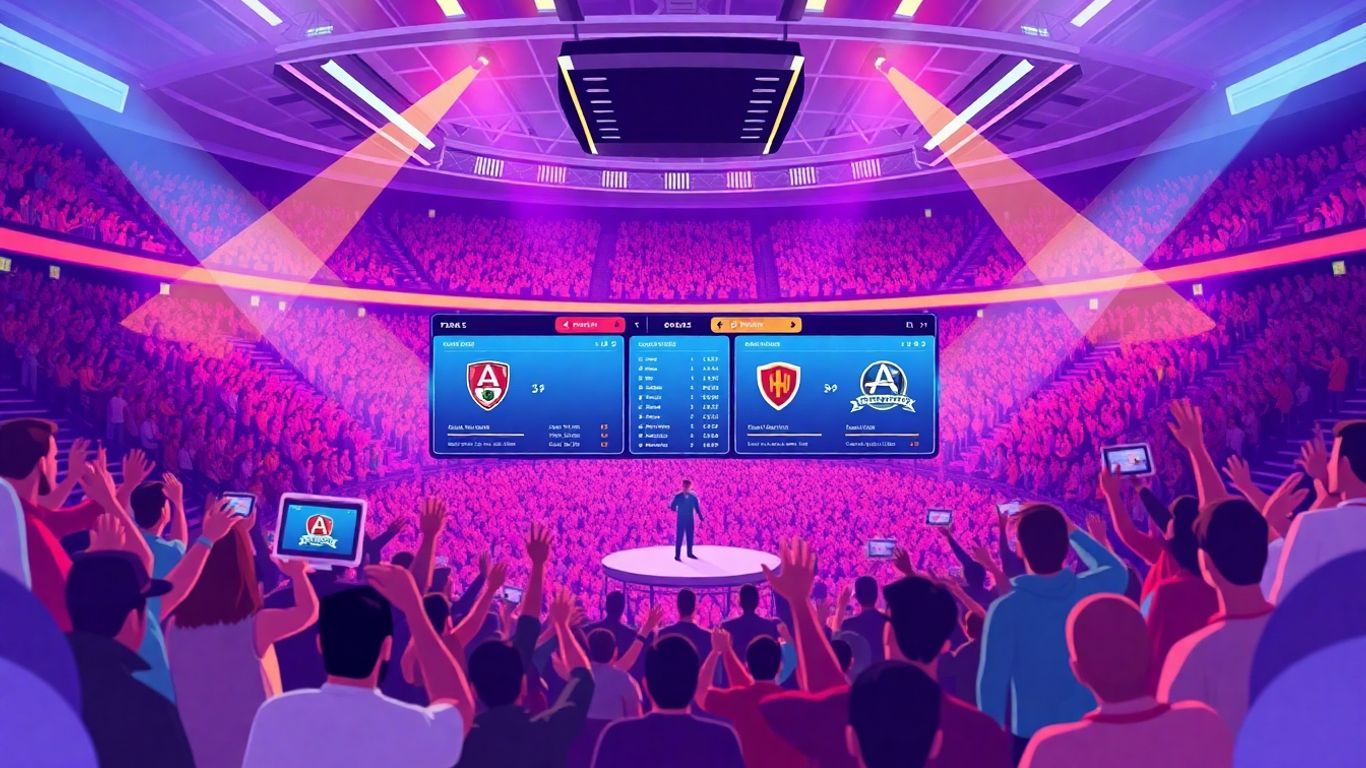
Esports, or competitive video gaming, has rapidly grown from a hobby into a massive global industry. It’s not just about playing games; it’s about organized competition, professional players, and dedicated teams striving for victory. Think of it like traditional sports, but with controllers and keyboards instead of balls and rackets. This field demands a unique blend of strategic thinking, quick reflexes, and strong teamwork, all within a fast-paced digital arena. The structure mirrors traditional sports with leagues, tournaments, coaches, and even player transfers. The fan base is huge, with major events drawing viewership numbers that rival some of the biggest sporting spectacles in the world. It’s a complex ecosystem where talent, strategy, and business all play a part.
Defining Esports and Its Competitive Nature
At its heart, esports is organized, competitive video gaming. The key difference from casual gaming is the intent and structure. While playing games for fun is great, esports is about structured training, strategic planning, and competing at a high level. Professional players and teams dedicate significant time to honing their skills, practicing specific game mechanics, and developing team strategies. This dedication is what separates them from recreational players. The competitive nature means there’s a clear focus on winning, with tournaments offering prize money, titles, and recognition. It’s a pursuit of mastery within a digital environment, requiring discipline and a commitment to improvement.
The Evolving Esports Landscape
The world of esports is constantly changing. What’s popular today might be different tomorrow. New games emerge, older ones evolve, and player strategies shift. This dynamic environment means that staying competitive requires constant adaptation. The industry itself is growing rapidly, attracting more investment from big companies outside of gaming. This influx of resources is professionalizing the scene, leading to better facilities, higher player salaries, and more organized events. We’re also seeing more educational institutions get involved, offering esports programs and scholarships, which helps legitimize the field and create clearer career paths. Discussions about esports inclusion in major sporting events also highlight its growing ambition and mainstream appeal.
Key Components of the Esports Ecosystem
The esports world is built on several interconnected parts. You have the players, who are the athletes performing in the games. Then there are the teams, which are often organized like professional sports franchises, complete with coaches, analysts, and support staff. Tournament organizers are vital; they create the events where competition happens, handling everything from scheduling to rules. Sponsors and brands play a big role too, providing financial backing and helping to grow the industry’s reach. Finally, there are the fans, whose passion and support are what make esports so vibrant. Each of these components works together to create the complete esports experience.
The digital nature of esports means that data plays a massive role in understanding performance. From individual player statistics to team-wide strategic effectiveness, analyzing game data helps identify strengths, weaknesses, and areas for improvement. This data-driven approach is becoming as important as raw skill in achieving consistent success.
Choosing Your Path in the Esports Arena
Stepping into the competitive world of esports can feel overwhelming, especially when you’re figuring out where you fit in. It’s not just about picking a game; it’s about finding a game that aligns with your interests and abilities, and one that has a solid future. Think of it like choosing a sport to train for – you wouldn’t pick something you dislike or that has no leagues to compete in.
Identifying Your Passion and Game Genre
This is arguably the most important first step. You’ll be spending countless hours playing, practicing, and strategizing, so picking a game you genuinely enjoy is key to staying motivated. Consider what kind of gameplay excites you. Are you drawn to the fast-paced action of first-person shooters (FPS), the complex team coordination of multiplayer online battle arenas (MOBAs), the strategic depth of real-time strategy (RTS) games, or perhaps the unpredictable nature of battle royales?
- Action/Shooter: Games like Valorant, Counter-Strike 2, or Call of Duty.
- MOBA: League of Legends, Dota 2, or Mobile Legends: Bang Bang.
- Battle Royale: Fortnite, Apex Legends, or PUBG.
- Strategy: StarCraft II or Age of Empires IV.
Your passion will fuel your dedication, making the grind feel less like work and more like a rewarding pursuit.
Assessing Natural Aptitude and Skill
While passion is vital, it’s also wise to be realistic about your natural talents. Some games require lightning-fast reflexes and precise mouse control, while others demand a more cerebral approach to strategy and resource management. Try out different genres and see where your strengths lie. Do you find yourself naturally picking up complex mechanics, or do you excel at anticipating opponent moves and making split-second decisions?
It’s helpful to get an honest assessment from friends or online communities about your performance. Reaching high ranks in a game’s competitive ladder can be a good indicator of your potential. Focusing on a game where you have a natural edge will significantly shorten your path to improvement.
Evaluating Game Longevity and Community Support
Choosing a game with a stable and active community is important for long-term engagement. Look for games that have a consistent player base, regular updates from developers, and a healthy esports scene with ongoing tournaments and events. A game that is constantly evolving keeps the meta fresh and provides new challenges.
Consider these factors:
- Developer Support: Are the developers actively updating the game and addressing issues?
- Player Base: Does the game have a large and active player count?
- Esports Ecosystem: Are there established leagues, tournaments, and prize pools?
- Community Health: Is the community generally positive and welcoming, with active forums or Discord servers?
A game with a strong foundation and a dedicated following offers a more stable environment for aspiring players and managers to build their careers within.
Some players opt for well-established titles with proven track records, which often means higher competition. Others might take a chance on a newer, rising game, which could offer fewer newcomers but carries the risk of the game fading away. Researching trends and community sentiment can help you make a more informed decision about where to invest your time and effort.
Essential Skills for Esports Success

Getting good at esports isn’t just about playing a lot. It takes a mix of abilities that really make a difference when you’re competing. Think of it like any other sport; you need the right physical and mental tools to perform at your best.
Mastering Reaction Speed and Mechanical Proficiency
This is what most people think of first when they picture esports. It’s about how fast you can react and how well you can control your character or actions in the game. In fast-paced games like first-person shooters or fighting games, having quick reflexes and precise control over your mouse, keyboard, or controller is super important.
- Flick Shots: In shooter games, quickly moving your aim to a target and shooting accurately in a fraction of a second.
- Last Hitting: In games like MOBAs, timing your attacks to get the final blow on enemy units to earn more in-game currency.
- Combo Execution: In fighting games, performing a sequence of moves perfectly, often within very tight time windows.
While good equipment can help, it’s the player’s trained skill that truly sets them apart. It takes hours and hours of practice to get these mechanics down.
Developing Strategic Thinking and Adaptability
Beyond just quick fingers, you need a sharp mind. This is often called "game sense." It means understanding the game deeply – not just the rules, but the best ways to play, what strategies are working right now (the "meta"), and the pros and cons of different choices like characters or weapons. You have to guess what your opponent might do and make the right call under pressure, often in a blink. This includes managing your resources, knowing where to be on the map, timing your attacks, and figuring out when your team is strongest.
The esports world changes fast. Games get updated, which can totally change how you play. Being able to learn new strategies quickly and adjust your style is key to staying competitive. You also need to figure out how to counter what your opponents are doing, right in the middle of a match.
Cultivating Teamwork and Communication
For team-based games, talking to your teammates is like the glue holding everything together. You need to share information clearly and quickly – like where enemies are or what abilities have been used. You also need to adjust your plans together during the game and give each other helpful feedback. Good teamwork means trusting your teammates, doing your part in the team’s plan, and working together smoothly. Being able to communicate and work as a unit when things get crazy is a skill all on its own.
Building Your Esports Career Foundation
So, you’ve picked your game and you’re ready to climb the ranks. That’s awesome! But getting good at esports isn’t just about playing a lot. It’s about smart practice and building a solid base for whatever you want to do in the scene, whether that’s playing, coaching, or managing. Think of it like building a house; you need a strong foundation before you can add the fancy stuff.
The Role of Training and Practice Regimens
Just showing up and playing won’t cut it if you’re serious about improving. Professional players and teams have structured training schedules. This means setting aside specific times for practice, not just when you feel like it. It’s about focused sessions where you work on particular skills. Maybe one day is all about aiming drills, another is dedicated to learning new strategies, and another is for playing actual matches to test what you’ve learned.
- Consistency is Key: Aim for regular practice sessions, even if they’re short. It’s better to play for an hour every day than for five hours once a week.
- Deliberate Practice: Don’t just go through the motions. Identify your weaknesses and actively work on them. If you struggle with a certain map or a specific character, dedicate time to mastering it.
- Vary Your Routine: Mix up your practice. Include drills, scrimmages (practice matches against other teams), and reviewing your own gameplay.
Building good habits early on will make a huge difference down the line. It’s not just about raw talent; it’s about how you train.
Leveraging Professional Analysis and Feedback
Watching yourself play might feel a bit strange at first, but it’s one of the best ways to see where you’re going wrong. Most esports games have a replay system. Use it! Watch your matches, especially the ones you lost. What decisions did you make? Where did you position yourself? Did you miss important cues?
- Record Your Gameplay: Use software to record your matches. This gives you an objective look at your performance.
- Seek Constructive Criticism: Share your replays with teammates, friends who play the same game, or even coaches if you have one. Ask them for honest feedback.
- Analyze Opponent Strategies: Pay attention to how other players and teams operate. What are their common tactics? How do they react to different situations?
Maintaining Physical and Mental Well-being
This is super important, and often overlooked. Being a pro gamer or working in esports is demanding. You need to be in good shape, both physically and mentally, to perform at your best. Sitting for hours on end can take a toll, and the pressure of competition can be intense.
- Physical Health: Make sure you’re getting enough sleep, eating reasonably well, and getting some exercise. Even a short walk can help clear your head and improve focus.
- Mental Resilience: Learn to handle losses and setbacks. Esports can be frustrating, so developing coping mechanisms is vital. Take breaks when you need them to avoid burnout.
- Balance: Don’t let gaming consume your entire life. Maintain friendships, hobbies, and other interests outside of the game. This helps keep things in perspective.
Navigating the Esports Manager Game
Stepping into the shoes of an esports manager is a whole different ballgame than just playing. It’s about building something, guiding talent, and making the tough calls that can lead to victory or, well, not. Think of it like being the coach, the general manager, and the business mind all rolled into one. You’re not just managing players; you’re managing a whole operation, from scouting new talent to making sure your team has the best gear and support.
Key Roles in Team Structures
Every successful esports team has a well-defined structure, and as a manager, you’ll be overseeing many of these roles. Understanding who does what is pretty important for keeping things running smoothly.
- General Manager: This is often the top dog, responsible for the overall business side, player contracts, sponsorships, and long-term team strategy.
- Head Coach: Focuses on in-game performance, developing strategies, running practice sessions, and providing direct player guidance.
- Analyst: Digs into game data, opponent tendencies, and performance metrics to provide actionable insights for the coaching staff and players.
- Team Manager/Operations Manager: Handles the day-to-day logistics, travel, equipment, and player welfare, ensuring the team can focus on competing.
- Social Media/Content Manager: Builds the team’s brand, engages with fans, and creates content to keep the community invested.
Strategies for Effective Team Management
Managing an esports team isn’t just about winning matches; it’s about building a sustainable and successful organization. This requires a mix of strategic planning and hands-on leadership.
- Talent Acquisition: Finding the right players is key. This involves scouting, tryouts, and understanding not just skill but also personality and how well they fit into a team environment.
- Player Development: Once you have your team, you need to help them grow. This means providing resources for practice, coaching, and personal improvement.
- Performance Optimization: Keep an eye on player health, both physical and mental. Burnout is real in esports, so managing workloads and ensuring rest is vital.
- Building Team Cohesion: A team that communicates well and trusts each other will perform better. Organizing team-building activities and fostering a positive environment are important.
The best managers understand that success in esports is a marathon, not a sprint. It requires consistent effort in player development, strategic planning, and maintaining a healthy team environment.
The Importance of Data Analytics in Performance
In today’s esports landscape, data is king. Gut feelings can only take you so far; real insights come from analyzing performance metrics. This helps in making informed decisions about everything from player training to in-game strategies.
Here’s a look at how data can be used:
- Player Statistics: Tracking individual player performance metrics like kill/death ratios, objective control, and resource management.
- Match Analysis: Breaking down game replays to identify successful strategies, common mistakes, and opponent patterns.
- Trend Identification: Spotting shifts in the game’s meta or identifying emerging talent based on performance data.
| Metric | Player A | Player B | Team Average |
|---|---|---|---|
| Average KDA | 2.5 | 3.1 | 2.8 |
| Objective Capture % | 65% | 72% | 68% |
| First Blood Rate | 15% | 20% | 18% |
| Win Rate (Last 10) | 60% | 70% | 65% |
Exploring Popular Esports Titles
The world of esports is incredibly varied, with different types of games attracting different kinds of players and fans. Understanding these categories is key to finding your niche, whether you’re looking to play, manage, or just follow the action. Each genre has its own unique demands and appeal.
Understanding Diverse Game Genres
Esports isn’t just one thing; it’s a collection of competitive games, each with its own rules and style of play. Think of it like traditional sports – you have basketball, soccer, and tennis, all different but all sports. In esports, we see similar distinctions.
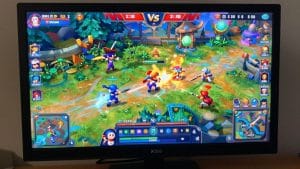
- Multiplayer Online Battle Arena (MOBA): These games typically involve two teams, often five players each, battling on a map. The main goal is to destroy the opponent’s base. Players pick characters with special abilities, and success comes from teamwork, strategy, and knowing when to attack or defend. Games like League of Legends and Dota 2 are prime examples.
- First-Person Shooter (FPS): In FPS games, you see the game through the eyes of your character. You use guns and other tools to outplay opponents. These games demand quick reflexes, accurate aiming, and strong communication within a team. Counter-Strike 2 and Valorant are well-known titles in this genre.
- Fighting Games: These are usually one-on-one contests where players pick characters with unique moves. Winning requires mastering character abilities, understanding how different characters match up against each other, and outsmarting your opponent mentally. Street Fighter and Tekken are classic examples.
The landscape of esports is always changing. New games emerge, and existing ones get updates that can completely shift how they are played competitively. Staying aware of these changes is part of the challenge and excitement.
Identifying Top-Tier Competitive Games
When looking at esports, some games stand out due to their large player bases, organized leagues, and significant prize pools. These are the games that draw the biggest crowds and the most professional attention.
| Genre | Popular Titles | Key Skills |
|---|---|---|
| MOBA | League of Legends, Dota 2 | Strategy, Teamwork, Decision Making |
| FPS | Counter-Strike 2, Valorant | Aim, Reflexes, Communication, Tactics |
| Fighting | Street Fighter 6, Tekken 8 | Execution, Spacing, Mind Games |
| Battle Royale | PUBG: Battlegrounds, Fortnite | Survival, Positioning, Resource Management |
The Rise of Mobile Esports
It’s not just PC and consoles anymore. Mobile gaming has exploded, and with it, mobile esports. Games played on smartphones and tablets are now a massive part of the competitive scene. They offer accessibility, allowing more people to compete. Popular mobile titles often mirror their PC counterparts, with MOBAs, FPS, and battle royale games leading the charge. The convenience of playing on a mobile device has opened up esports to a whole new global audience. Games like PUBG Mobile, Call of Duty Mobile, and Mobile Legends: Bang Bang have huge competitive followings and professional leagues, proving that high-level competition can happen anywhere.
The Esports Arena Awaits
So, you’ve explored the world of esports, from understanding what it is to how players train and compete. It’s clear that esports is more than just playing video games; it’s a serious pursuit that demands skill, strategy, and dedication, much like traditional sports. Whether you’re looking to become a pro player, join a team behind the scenes, or simply become a more informed fan, the journey into esports is accessible. The industry continues to grow, offering exciting opportunities for everyone involved. Keep learning, keep practicing, and most importantly, enjoy the game. The esports arena is vast, and your place in it is waiting to be claimed.
Frequently Asked Questions
What exactly is esports?
Esports is basically organized competitive video gaming. Think of it like professional sports, but with video games. Instead of running on a field, players use their skills in video games, often competing in teams for prize money and recognition. It’s all about skill, strategy, and teamwork, not just playing for fun.
How do I get started in esports?
To start, pick a game you really enjoy and are passionate about. Learn its rules inside and out, and practice a lot. Watch how the pros play, join online communities to talk with other players, and don’t be afraid to ask for advice. Remember, getting good takes time and effort, so be patient and keep practicing.
What skills do I need to be good at esports?
You’ll need quick reflexes and good control over your game (like using a mouse and keyboard). Being able to think ahead, come up with smart strategies, and adapt when things change is super important. Plus, working well with your teammates and talking clearly to each other is key to winning.
How important is training and practice?
Training and practice are everything! Just like traditional athletes, esports players spend many hours honing their skills. This includes practicing game moves, studying strategies, and even working on their physical and mental health to stay sharp and handle pressure.
What do esports managers do?
Esports managers are like the coaches and organizers for a team. They help with things like finding and signing players, planning practice sessions, creating strategies, and making sure the team works well together. They use data to see how the team is doing and help them improve.
Are there esports games for phones?
Yes, absolutely! Mobile esports are becoming really popular. Many games you can play on your smartphone have big competitive scenes with tournaments and professional players. Games like PUBG Mobile and Mobile Legends are great examples of popular mobile esports.