Remember the days of blowing into cartridges and waiting for games to load? The PlayStation 1 era brought us some truly amazing role-playing games that still hold up today. While graphics have definitely changed, the stories, characters, and gameplay of these classic rpg game ps1 titles offer a unique kind of fun. Let’s take a look back at some of the best ones you should definitely check out if you missed them the first time around, or if you just want to relive some gaming history.
Key Takeaways
- Final Fantasy IX offers a return to classic Final Fantasy roots with modern gameplay tweaks and memorable characters.
- Suikoden II is celebrated for its epic story, large cast of recruitable characters, and blend of army and traditional battles.
- Chrono Trigger remains a masterpiece with its time-traveling plot, unforgettable characters, and engaging combat system.
- Wild Arms combines RPG elements with puzzles and a unique Wild West setting, making it a memorable experience.
- Grandia features a dynamic combat system that blends turn-based and real-time elements, focusing on strategic counters.
1. Final Fantasy IX
Final Fantasy IX feels like a warm hug from the past, a deliberate return to the series’ roots after the more modern, sci-fi leanings of its predecessors. Released in 2000, it’s a game that wears its heart on its sleeve, presenting a vibrant world filled with memorable characters and a story that balances lighthearted adventure with surprisingly deep emotional moments. You play as Zidane Tribal, a charming thief who, along with his troupe of actors, gets entangled in a plot that threatens to consume the world. The game’s art style is a standout, with a distinct, almost storybook aesthetic that gives its diverse locations and characters a unique charm. It’s a visual treat that holds up remarkably well.
What really makes FFIX special is its cast. From the spunky princess Garnet to the stoic knight Steiner and the enigmatic Vivi, each character feels fleshed out with their own motivations and growth arcs. Their interactions are often humorous, but they also tackle themes of identity, purpose, and loss with a sincerity that can catch you off guard. The combat system, while turn-based, introduces the "Trance" mechanic, which adds a layer of strategic depth when characters enter a powered-up state. It’s familiar enough for series veterans but offers enough new twists to keep things interesting.
While the game is a love letter to the classic Final Fantasy formula, it also introduces some unique gameplay elements. The "Ability Learning" system, where characters can equip different gear to learn new skills, encourages experimentation and customization. It’s a satisfying way to tailor your party to your preferred playstyle.
Beyond the main story, there’s a surprisingly robust card game called Tetra Master, which can be quite addictive, and plenty of side quests to keep you busy. Final Fantasy IX is a masterclass in JRPG design, offering a complete and satisfying experience that feels both nostalgic and fresh. It’s a perfect send-off for the PlayStation 1 era of Final Fantasy and a must-play for anyone who appreciates a well-told story with unforgettable characters.
2. Suikoden II
Suikoden II is a game that really sneaks up on you. When it first came out on the PlayStation, it didn’t exactly set the world on fire. But over time, people started to realize just how special it was, and now it’s considered by many to be one of the best RPGs on the system, and honestly, one of the best ever made. It tells a really involved story about war, friendship, and, well, betrayal, set in a world with a lot of political intrigue. You’re not just fighting monsters; you’re caught up in a massive conflict.
One of the coolest things about Suikoden II is the sheer number of characters you can recruit. We’re talking over 100 potential party members, known as the ‘Stars of Destiny.’ Finding them all and getting them to join your cause is a huge part of the fun. It makes your headquarters feel alive as more and more people show up. The game mixes traditional turn-based combat with these massive army battles, which is a pretty neat change of pace. And the pixel art? It’s just gorgeous, even by today’s standards. It really shows how much detail could be packed into 2D graphics back then.
The emotional weight of the story and the relationships you build with your characters are what truly make Suikoden II stand out. It’s a game that isn’t afraid to explore darker themes and create genuinely memorable moments.
Here’s a quick look at some of its standout features:
- Vast Cast of Recruitable Characters: Discover and recruit over 100 unique individuals, each with their own skills and stories, to join your cause.
- Dual Combat Systems: Engage in classic turn-based battles for individual encounters and command armies in large-scale strategic warfare.
- Rich Political Narrative: Experience a deeply woven plot filled with political maneuvering, war, and the complex bonds of friendship.
- Stunning Pixel Art: Enjoy beautifully crafted 2D sprites and environments that have aged remarkably well.
Suikoden II is a true gem that deserves all the praise it gets. If you’re looking for an RPG with a deep story, tons of characters, and a world you can get lost in, this is definitely one you shouldn’t miss.
3. Chrono Trigger
When people talk about the greatest RPGs ever made, Chrono Trigger is almost always on that list. And honestly, it’s hard to argue with them. This game, which originally came out on the Super Nintendo, got a second life on the PlayStation 1 as part of the Final Fantasy Chronicles compilation. It’s a time-traveling adventure that’s just as good now as it was back then.
The story follows a young man named Crono who gets caught up in a plot that spans across different eras, from prehistoric times to the distant future. It’s a really engaging narrative that keeps you hooked, and the fact that your choices can actually lead to different endings is pretty wild. You’re not just playing through a story; you’re shaping it.
What really makes Chrono Trigger stand out are its characters and the world itself. You’ve got a memorable cast, including a frog knight and a robot with a lot of personality, and the hand-drawn cutscenes, especially the anime intros and outros designed by Akira Toriyama (yeah, the Dragon Ball guy!), are just fantastic. The music, too, is legendary, with contributions from both Yasunori Mitsuda and Nobuo Uematsu. It all comes together to create an experience that feels truly special.
The combat system is a big part of why Chrono Trigger still feels so fresh. It’s not just random button mashing; it’s a turn-based system where positioning and using character-specific "Techs" together can really turn the tide of battle. Plus, no random encounters! You see enemies on the map, and you can often avoid them or get the first strike, which makes exploring a lot less of a chore.
Here’s a quick look at what makes Chrono Trigger a must-play:
- Engaging Time-Traveling Plot: A story that spans multiple historical periods, with consequences for your actions.
- Memorable Characters: A diverse and likable cast, each with their own unique abilities and backstories.
- Stunning Presentation: Beautiful sprite work, animated cutscenes, and an unforgettable soundtrack.
- Multiple Endings: Your decisions matter, leading to a variety of conclusions to the epic saga.
- Innovative Combat: A strategic turn-based system that encourages teamwork and clever use of abilities.
If you’re looking for an RPG that has it all – a great story, fantastic characters, and gameplay that holds up incredibly well – Chrono Trigger is the one. It’s a true classic for a reason.
4. Wild Arms
Wild Arms was one of the early RPGs to hit the PlayStation, and honestly, it still holds up pretty well. You might expect older games to feel a bit clunky, but this one mixes classic RPG elements with some interesting puzzle-solving in its dungeons. Plus, the battle system is pretty engaging.
Sure, it’s not perfect. The battle graphics look pretty simple by today’s standards, and some of the characters are a bit one-note. But overall, it’s a really memorable experience. Where else can you find mechs running around in a Wild West setting? That unique blend is a big part of what makes Wild Arms stand out.
Here’s a quick look at what makes Wild Arms special:
- Unique Setting: A blend of Western and sci-fi elements that’s rarely seen in RPGs.
- Dungeon Puzzles: Beyond just fighting monsters, you’ll need to use your tools and wits to get through dungeons.
- Engaging Combat: Features a solid turn-based battle system that requires some thought.
- Tools and Abilities: Your characters have unique tools that are used both in and out of combat, adding another layer to exploration and problem-solving.
While some aspects might feel a little dated, the core gameplay loop and the sheer originality of its world make Wild Arms a journey worth taking. It’s a game that dared to be different, and that spirit shines through even now.
5. Suikoden
While its sequel, Suikoden II, often gets the spotlight, the original Suikoden is where it all began and is absolutely worth your time. Released in 1996, this game set the stage for what would become a beloved series, focusing on a grand narrative of war, politics, and the bonds of friendship. You play as the son of a general in the Scarlet Moon Empire, who finds himself on the opposite side of his father’s regime. The core of the game revolves around recruiting 108 unique characters, known as the Stars of Destiny, to join your cause and help you reclaim your homeland.
Recruiting these characters is a huge part of the fun. Each Star of Destiny has their own personality and often a side quest or specific requirement to join your army. Building up your headquarters, which grows as you gain more allies, feels incredibly rewarding. It’s not just about collecting them all; many of these characters are vital for different aspects of your growing army, from strategists to blacksmiths.
The combat system is a classic turn-based affair, but it’s polished and engaging. What really sets Suikoden apart are the large-scale army battles. These are strategic, almost like a simplified real-time strategy game, where you command your troops against enemy forces. It adds a whole other layer to the gameplay that was quite innovative for its time.
Suikoden’s strength lies in its character-driven story and the sheer joy of building your own army. The world feels alive with its many towns and dungeons, and the journey to unite the 108 Stars is a memorable one.
Here’s a quick look at what makes Suikoden special:
- Recruit 108 Stars of Destiny: Each character brings something unique to your army and story.
- Engaging Turn-Based Combat: Classic battles that are easy to learn but offer strategic depth.
- Epic Army Battles: Command your forces in large-scale conflicts that feel significant.
- Growing Headquarters: Watch your base expand and evolve as you recruit more allies.
Even though the graphics are dated by today’s standards, the charming pixel art and the depth of the story and gameplay make Suikoden a true gem that holds up remarkably well. It’s a fantastic starting point for the series and a must-play for any PS1 RPG enthusiast.
6. Vagrant Story
Vagrant Story, released in 2000, is a bit of an outlier in the PS1 RPG landscape, and that’s precisely what makes it so special. Developed by Yasumi Matsuno, a name synonymous with intricate game design, this title offers a darker, more mature experience than many of its contemporaries. Instead of grand, sweeping epics, Vagrant Story focuses on a single protagonist, Ashley Riot, an agent tasked with a dangerous mission in the city of Leá Monde. The game’s narrative is complex, weaving a tale of political intrigue, ancient cults, and forbidden magic.
What really sets Vagrant Story apart is its unique combat and progression system, centered around a mechanic called ‘Risk’. This system directly ties your offensive capabilities to your defensive stats and accuracy. The longer you engage a single enemy, the more powerful your attacks can become, but you also become more vulnerable. This creates a constant push-and-pull, forcing players to carefully consider every action. It’s a system that demands patience and strategic thinking, rewarding those who master its nuances.
Beyond the combat, the game features intricate dungeon designs filled with puzzles that require more than just brute force to overcome. The visual presentation, with its detailed character models and atmospheric environments, was quite impressive for the time and still holds up remarkably well. Vagrant Story is a masterclass in atmosphere and intricate gameplay mechanics.
Here’s a look at some of its key features:
- Risk System: A core mechanic that balances offensive power with defensive risk.
- Complex Dungeons: Labyrinthine environments filled with puzzles and traps.
- Mature Storyline: A dark, political narrative with a focus on intrigue.
- Unique Combat: Strategic engagement that rewards careful planning.
Vagrant Story doesn’t hold your hand. It expects you to learn its systems and adapt. This can be a steep learning curve for some, but the payoff is an incredibly deep and rewarding experience that few other games on the system can match.
7. Grandia
Grandia, released in 1999, tells the story of Justin, a young boy with dreams of becoming a great adventurer. While it might not have been the first game to introduce new ideas to the RPG genre, it certainly left a lasting impression on players. A big part of its charm comes from its combat system, which cleverly blended turn-based strategy with real-time action. This hybrid approach meant that timing your attacks was key. If you managed to hit an enemy with a specific move just as they were about to act, you could interrupt their turn and gain a significant advantage. It’s a shame that the series hasn’t seen a new installment since Grandia III in 2006, as this game showed a real knack for making traditional battles feel fresh and exciting.
The game’s world is vibrant and full of life, encouraging exploration and discovery at every turn. Its focus on a young protagonist’s journey of growth and self-discovery makes it a relatable and engaging experience for players of all ages.
Grandia’s strengths lie in several areas:
- Innovative Combat: The unique blend of real-time and turn-based elements kept battles engaging and strategic. Learning to counter enemy actions was a core mechanic that rewarded thoughtful play.
- Engaging Story: Justin’s quest to explore the world and uncover ancient secrets is a classic adventure narrative that is both heartwarming and exciting.
- Memorable Characters: The cast of characters you meet along the way are well-developed and add a lot of personality to the journey.
- Beautiful Presentation: For its time, Grandia featured colorful graphics and a charming art style that made its world a joy to explore.
8. Breath of Fire IV
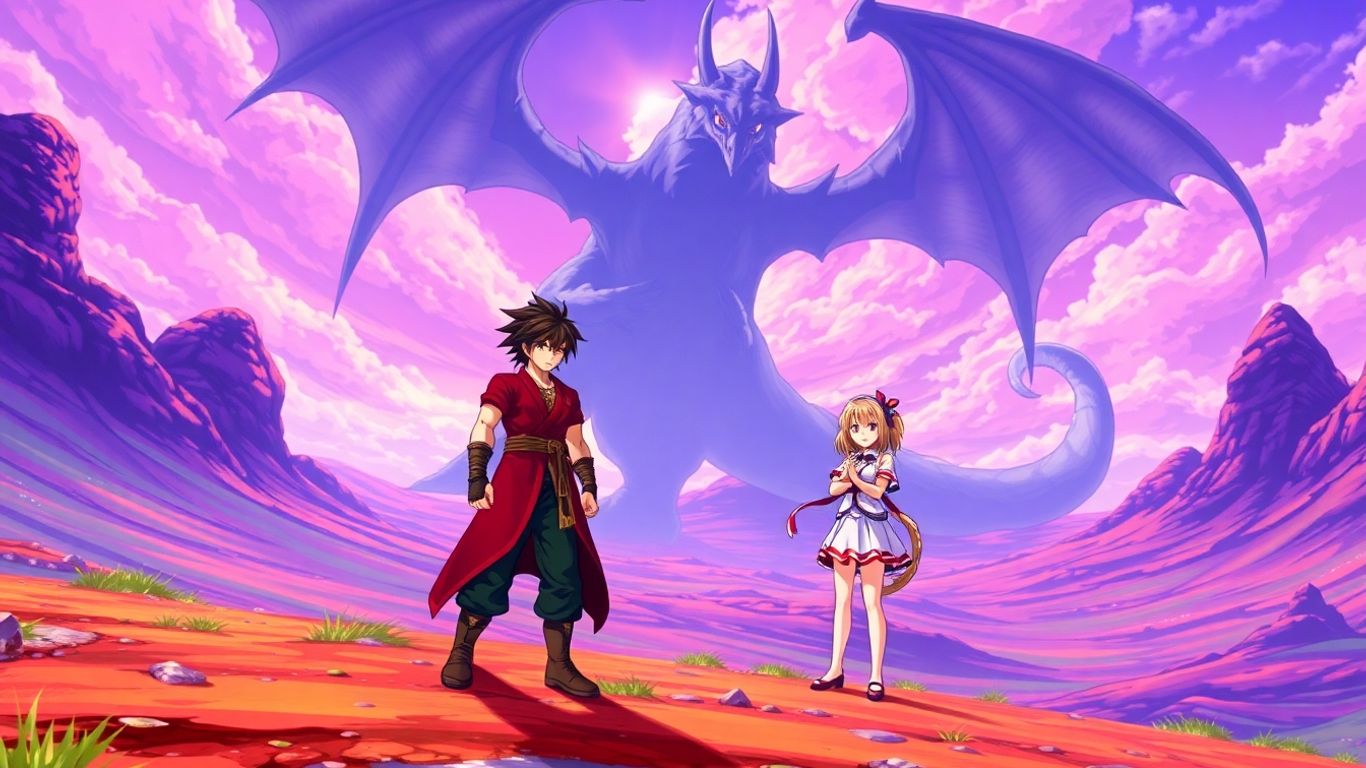
Capcom’s Breath of Fire series has a special place in the hearts of many RPG fans, and Breath of Fire IV is a shining example of why. Released in 2000, this entry really shows off what could be done with 2D sprites on 3D backgrounds, creating visuals that are still striking today. The character art, in particular, is just beautiful and proves that you don’t need mountains of polygons to make a game look good.
What really sets Breath of Fire IV apart is its unique character progression. Instead of a standard leveling system, your characters can learn new skills by apprenticing under various masters scattered throughout the world. This adds a lot of strategic depth, letting you customize your party in ways that many games, even modern ones, don’t offer. The combat itself is pretty traditional for the series, but it’s solid and enjoyable, and it doesn’t get in the way of the adventure.
The game’s art style and character designs are a real highlight, offering a visual feast that stands the test of time. It’s a testament to the skill of the artists involved.
Here’s a look at some of the key features:
- Apprentice System: Characters can learn unique skills by studying under different masters, allowing for deep party customization.
- Dual Protagonists: The story follows two distinct characters, Ryu and Fou-Lu, offering different perspectives on the world and its conflicts.
- Stunning 2D Art: Features gorgeous sprite work and detailed environments that were ahead of their time.
- Dragon Transformations: Ryu can transform into powerful dragons, adding a significant combat advantage.
While the combat might feel familiar to fans of older RPGs, it’s well-executed and complements the engaging story and exploration. Breath of Fire IV is a fantastic RPG that deserves to be remembered and played.
9. Chrono Cross
Chrono Cross arrived on the PlayStation in 2000, and while it wasn’t the direct sequel to Chrono Trigger many fans might have expected, it carved out its own unique identity. This game is a vibrant tapestry of parallel worlds, intricate character stories, and a battle system that feels fresh even today. You play as Serge, a young man who finds himself in an alternate reality where he died years ago. The core of the game revolves around exploring these two different worlds and the consequences of choices made across them.
One of the standout features is the combat. It’s a real-time system with a twist. As you attack, you build up "elements," which are essentially magical abilities. These elements can be used to cast spells or trigger special attacks. The trick is that using elements depletes them from your available pool for the rest of the battle, so you have to manage them carefully. The elemental grid system, which changes the battlefield’s dominant element with each turn, adds a layer of strategic depth that can significantly impact your party’s effectiveness and the enemies’ weaknesses.
Chrono Cross also boasts an absolutely massive cast of playable characters, well over 40 in total. While not all of them are deeply developed, finding and recruiting these unique individuals is a huge part of the game’s appeal. Each character has their own backstory and motivations, adding to the rich world-building.
Here’s a look at some of the key elements that make Chrono Cross special:
- Parallel Worlds: The ability to travel between two distinct realities is central to the plot and gameplay.
- Vast Character Roster: Discover and recruit dozens of unique party members, each with their own skills.
- Strategic Element System: Manage your magical abilities carefully in a dynamic combat system.
- Stunning Visuals: The game’s art direction and environments were breathtaking for their time and still hold up well.
- Branching Storylines: Player choices can lead to different outcomes and endings.
The game’s narrative is complex, weaving together themes of fate, identity, and the interconnectedness of lives across different dimensions. It’s a story that rewards attention to detail and encourages multiple playthroughs to fully grasp its intricacies.
While it might not have the same time-travel focus as its predecessor, Chrono Cross offers a compelling and visually striking RPG experience that remains a highlight of the PlayStation’s library.
10. Final Fantasy Anthology
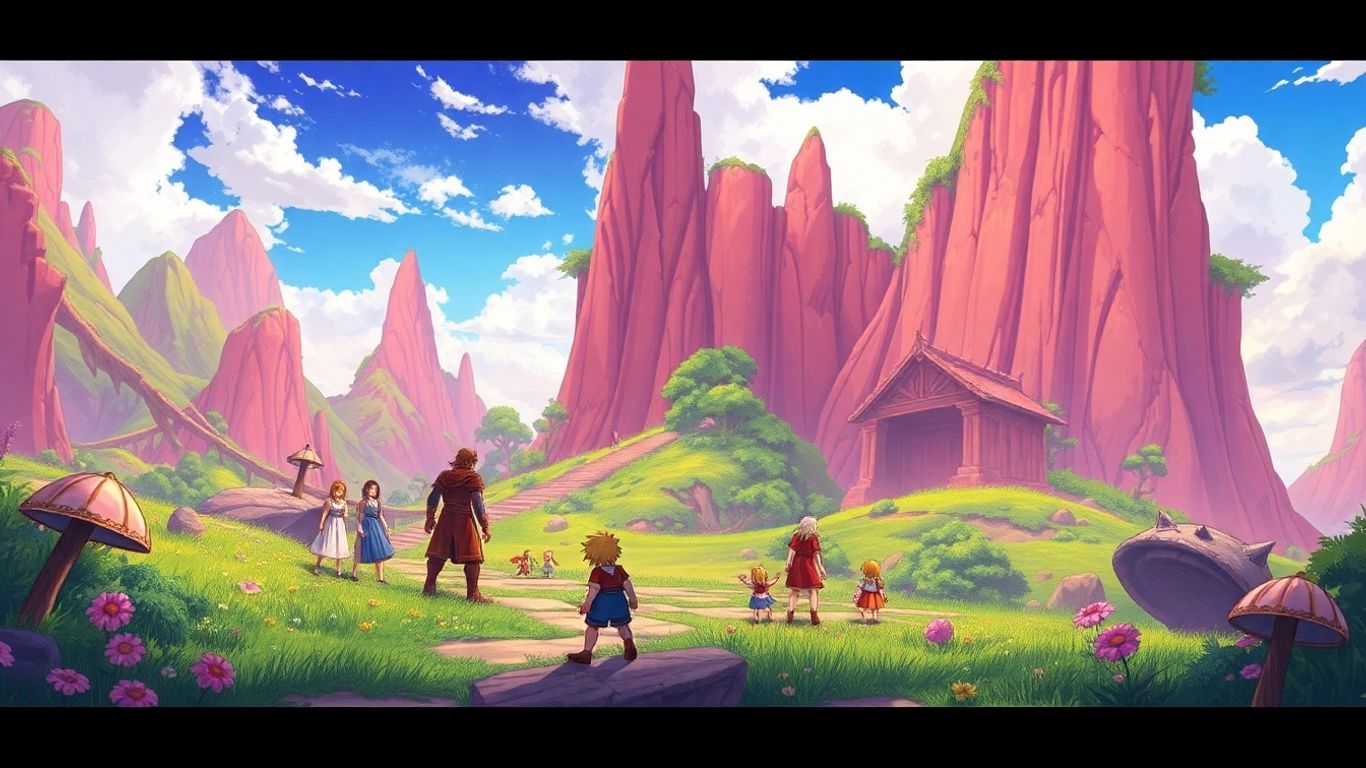
For those who appreciate the artistry of 2D sprite-based role-playing games, Final Fantasy Anthology is a collection that truly shines. This release brings together two of the most celebrated entries in the series: Final Fantasy V and Final Fantasy VI. These games represent a high point for the franchise before its leap into 3D, offering intricate stories, memorable characters, and deep gameplay mechanics that still hold up remarkably well.
Final Fantasy VI, in particular, is often lauded as one of the greatest RPGs ever made. It features a sprawling narrative set in a unique steampunk-inspired world, complete with a large cast of playable characters, each with their own distinct abilities and backstories. The game’s story tackles mature themes and boasts a villain, Kefka, who remains one of gaming’s most iconic antagonists. The presentation, including its famous opera scene, was groundbreaking for its time and still leaves an impression.
Final Fantasy V, while perhaps less known in the West initially, is celebrated for its incredibly robust Job System. This system allows for a vast amount of customization, letting players mix and match classes to create unique character builds. The game offers a lighter tone than FFVI but is packed with charm, humor, and a surprisingly engaging story. It’s a masterclass in RPG design that rewards experimentation and strategic thinking.
This collection provides enhanced versions of both games, often including new CGI cutscenes and other bonus content that makes revisiting these classics even more appealing. For fans looking to experience the pinnacle of 2D Final Fantasy or for newcomers wanting to see where the series’ storytelling and gameplay truly began to mature, Final Fantasy Anthology is an indispensable addition to any PlayStation library.
The inclusion of both Final Fantasy V and Final Fantasy VI on a single disc offers a fantastic value, showcasing two distinct yet equally brilliant facets of the series’ 2D era. It’s a testament to how far sprite-based storytelling and gameplay could be pushed.
A Lasting Legacy
The PlayStation 1 era was a golden age for role-playing games, and revisiting these titles today is a rewarding experience. While graphics have certainly evolved, the core elements that made these games special—compelling stories, memorable characters, and engaging gameplay—remain as strong as ever. Whether you’re diving back into a beloved favorite or discovering a hidden gem for the first time, these PS1 RPGs offer a unique window into gaming history. They laid the foundation for many of the mechanics and narrative styles we see in modern RPGs, and their influence is undeniable. So, dust off your old console or explore digital options; these classics are well worth your time and are sure to provide hours of enjoyment, proving that great game design truly stands the test of time.
Frequently Asked Questions
Why are old RPGs still fun to play?
Even though the graphics might look a bit old-fashioned now, classic RPGs often have amazing stories, memorable characters, and fun gameplay that still holds up. They focused a lot on making the game engaging, which is why people still love them.
Are PS1 RPGs hard to find and play today?
Not really! Many of these games are available to buy digitally on modern consoles like the PlayStation Store. Some have even been updated or re-released on other platforms like PC or Nintendo Switch.
What makes a game a ‘classic’ RPG?
Usually, ‘classic’ RPGs are games from the 80s and 90s, like those on the Super Nintendo or the original PlayStation. It’s more about the time they came out and how they influenced games that followed, rather than a strict rule.
Do I need special equipment to play these games?
You don’t need the original PlayStation console anymore. You can often buy them digitally on current systems. If you want to play on a computer, you might need to use something called an emulator, but make sure you own the game legally.
What’s the difference between JRPGs and Western RPGs?
JRPGs (Japanese Role-Playing Games) like Final Fantasy often focus more on a strong story, defined characters, and turn-based battles. Western RPGs, like some older PC games, tend to give you more freedom to explore and make choices that affect the story.
Are there any PS1 RPG collections?
Yes, there are! Some discs bundle together multiple games from a series, like the Final Fantasy collections. These are a great way to get several classic games at once, and they often work on newer PlayStation consoles like the PS2 or PS3.