It’s pretty wild to think about how far mobile gaming has come, right? What started as something we used to kill time on the bus or during lunch breaks has turned into a full-blown competitive scene. And one game that’s really making waves in this space is Brawl Stars. This article is going to look at how Brawl Stars went from just another fun mobile game to a serious esport contender, exploring what makes it tick and where it might be headed.
Key Takeaways
- Brawl Stars started as a casual mobile game but quickly developed a competitive edge, attracting players looking for more than just quick fun.
- Supercell, the game’s developer, has played a big role in shaping Brawl Stars into a viable esport through consistent updates and a clear vision.
- The game’s core mechanics are easy to pick up but offer enough depth to keep players engaged and strategizing, which is key for competitive play.
- A diverse cast of characters (Brawlers) and various game modes allow for a lot of strategic variety, making both playing and watching exciting.
- The growth of Brawl Stars esport is supported by official tournaments, community events, and the rise of professional teams and streamers.
The Genesis Of Brawl Stars Esport
From Casual Mobile Game to Competitive Arena
Brawl Stars, launched by Supercell in 2018, quickly made a name for itself in the crowded mobile gaming market. Initially, it was seen as another fun, accessible title from the creators of Clash of Clans and Clash Royale. Its vibrant art style, quick match times, and simple-to-learn controls made it a hit with a broad audience. Players could jump into short, action-packed matches, often teaming up with friends for some casual fun. It felt like a game designed for quick bursts of entertainment, perfect for playing on the go. However, beneath the surface of this casual appeal, the game’s mechanics were laying the groundwork for something much bigger: a competitive scene.
Supercell’s Vision for Brawl Stars
Supercell has a history of supporting their games long-term, and Brawl Stars was no exception. While the initial focus was on player enjoyment and broad appeal, the developers clearly had an eye on the potential for organized play. They designed the game with distinct character abilities, team-based objectives, and a variety of game modes that naturally lend themselves to strategic depth. This wasn’t just about button-mashing; it was about understanding character matchups, map control, and coordinated team play. Supercell’s ongoing commitment to updates, introducing new Brawlers, game modes, and balance changes, showed a dedication to keeping the game fresh and evolving, which is vital for any esport.
Understanding the Core Gameplay Loop
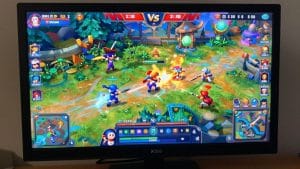
At its heart, Brawl Stars is a fast-paced multiplayer arena brawler. Matches typically last only a few minutes, making them easy to digest for both players and spectators. The core gameplay loop involves:
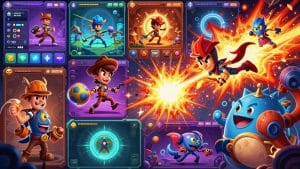
- Selecting a Brawler: Each Brawler has unique attacks, abilities, and a powerful ‘Super’ move. Choosing the right Brawler for the game mode and team composition is the first layer of strategy.
- Objective-Based Gameplay: Modes like Gem Grab, Bounty, and Heist require teams to work together to achieve specific goals, rather than just eliminating opponents.
- Team Coordination: Success often hinges on how well players communicate and coordinate their actions, using their Brawlers’ abilities in synergy.
- Progression and Improvement: Players earn rewards, unlock new Brawlers, and upgrade existing ones, providing a sense of continuous growth and mastery.
The game’s design prioritizes quick, engaging matches that are easy to pick up but offer significant room for skill expression and strategic thinking. This blend of accessibility and depth is what allowed Brawl Stars to transition from a casual pastime to a burgeoning esport.
This combination of accessible fun and underlying strategic complexity created a fertile ground for competitive play to emerge organically. Players started to take the game more seriously, forming teams and practicing to climb the in-game leaderboards, setting the stage for the official esports initiatives that would follow.
Key Elements Fueling Brawl Stars Esport Growth
Diverse Roster of Brawlers and Strategic Depth
Brawl Stars isn’t just about button-mashing; it’s a game built on a foundation of distinct characters, each with their own unique abilities and playstyles. This variety is a massive draw for competitive play. You’ve got tanks that can absorb a lot of damage, sharpshooters who excel at long range, and assassins who can quickly close the gap and take down key targets. Learning the strengths and weaknesses of each ‘Brawler,’ as they’re called, and understanding how they synergize with teammates is where the real strategy comes in. It’s not enough to just pick your favorite; you have to pick the right Brawler for the map, the game mode, and the enemy team’s composition.
- Understanding Brawler Roles: Each Brawler generally falls into a category like Tank, Damage Dealer, Support, or Controller. Knowing these roles helps teams build balanced compositions.
- Synergy and Counter-Picks: Certain Brawlers work exceptionally well together, creating powerful combos. Conversely, other Brawlers are designed to shut down specific enemy types.
- Map Awareness: Different maps favor different Brawlers. A wide-open map might be great for snipers, while a map with lots of cover benefits close-range fighters.
The sheer number of Brawlers, each with a unique Super ability, means that the meta can shift dramatically with just a few balance changes. This keeps the game fresh and requires players to constantly adapt their strategies.
Accessible Yet Deep Multiplayer Modes
One of the smartest things Supercell did with Brawl Stars was to offer a variety of game modes that are easy to jump into but offer a surprising amount of strategic depth. Whether you’re playing a quick 3v3 Gem Grab match or a chaotic free-for-all in Showdown, the core mechanics are simple to grasp. You move with a virtual joystick and aim your attacks. However, mastering these modes requires more than just basic controls. Understanding objectives, controlling key areas, and coordinating with your team are vital for success, especially as you climb the ranks.
Here’s a look at some of the popular modes:
- Gem Grab: A classic 3v3 mode where teams fight to collect and hold 10 gems. If you get taken out, you drop your gems.
- Brawl Ball: Think of it as soccer with Brawlers. Score two goals against the opposing team to win.
- Showdown: A battle royale-style mode where players fight to be the last one standing. It can be played solo or in duos.
Constant Updates and Content Evolution
Supercell has a strong track record of supporting their games with regular updates, and Brawl Stars is no exception. New Brawlers are introduced periodically, bringing fresh abilities and strategies into the mix. Game modes are often tweaked, and new ones are added, keeping the experience from getting stale. Beyond just gameplay, there are also seasonal events, cosmetic items, and balance adjustments that keep the community engaged and the competitive scene dynamic. This commitment to evolving the game is a major reason why Brawl Stars has maintained its popularity and fostered a thriving esports environment.
The Competitive Landscape of Brawl Stars Esport
Brawl Stars has really carved out its own space in the esports world, moving beyond just being a fun mobile game. It’s got a structure that supports both big official events and smaller community-run tournaments, which is pretty cool.
Official Tournament Structures and Leagues
Supercell, the folks behind Brawl Stars, have put a good amount of effort into creating official competitive pathways. The Brawl Stars Championship (BSC) is the main event, acting as the global stage for top teams. It’s structured in a way that allows teams to climb through regional qualifiers and eventually reach international showdowns. This system gives aspiring pros a clear goal and a path to follow.
- Regional Qualifiers: Teams compete within their own regions to earn a spot in higher-tier events.
- Monthly Finals: These events serve as stepping stones, leading to the global championship.
- World Finals: The pinnacle of the Brawl Stars competitive year, where the best teams from around the globe battle it out for the championship title and a significant prize pool.
This structured approach helps build consistent hype and gives fans a narrative to follow throughout the year.
The Role of Community-Driven Events
While the official circuits are important, the Brawl Stars community also plays a huge part. Lots of smaller, independent tournaments pop up regularly. These events are often run by content creators, esports organizations, or even just passionate groups of players. They’re super important because:
- They provide more opportunities for players to compete and gain experience, especially those not yet at the top tier.
- They can experiment with different formats and rules, sometimes acting as a testing ground for new ideas.
- They keep the competitive spirit alive between the larger official events, giving fans more content to enjoy.
These community events really show how invested the player base is in the competitive side of Brawl Stars.
Emergence of Professional Teams and Players
As the competitive scene has matured, we’ve seen a rise in dedicated professional teams and players. Big esports organizations have started to invest in Brawl Stars rosters, bringing in experienced players and providing them with the resources to train and compete full-time. This professionalization has a few key effects:
- Increased Skill Ceiling: Pro players push the boundaries of what’s possible in the game, developing new strategies and counter-strategies.
- Higher Production Value: Professional teams often have better content creation, streaming, and social media presence, which helps grow the game’s audience.
- Inspiration for New Players: Seeing successful pros can motivate younger players to take the game more seriously and aim for a competitive career.
The dedication and skill displayed by these professional players are a major draw for both aspiring competitors and spectators alike. It’s this blend of official structure, community involvement, and professional talent that makes the Brawl Stars competitive landscape so dynamic.
Player Engagement and Spectator Appeal
Why Players Flock to Brawl Stars Esport
Brawl Stars has managed to capture the attention of players not just as a casual pastime, but as a serious competitive pursuit. A big part of this is how approachable the game is right from the start. You can jump into a match and understand the basics pretty quickly, which is great for getting new people hooked. But don’t let that simplicity fool you; there’s a lot of depth once you start playing more. The variety of characters, called Brawlers, each with their own unique abilities and playstyles, means you’re always discovering new strategies and team compositions. It’s this mix of easy-to-learn mechanics and a high skill ceiling that keeps players coming back, wanting to improve their game and climb the ranks.
What Makes Brawl Stars Engaging to Watch
Watching Brawl Stars can be just as exciting as playing it, and that’s a big deal for its esports scene. The matches are usually fast-paced, often lasting only a few minutes, which makes it easy to follow even if you’re just tuning in. The visual style is bright and clear, so you can easily tell what’s happening on screen, even during intense team fights. Plus, the diverse cast of Brawlers means you get to see a wide range of cool abilities and flashy ultimates. It’s this constant action and visual flair that keeps viewers entertained and invested in the outcome of each match. The game also does a good job of showing off clutch plays and comebacks, which are always crowd-pleasers.
The Impact of Streaming and Content Creation
Streaming platforms and content creators have played a massive role in growing Brawl Stars’ esports presence. Many professional players and aspiring competitors regularly stream their gameplay, offering viewers a direct look into high-level play, strategies, and practice sessions. These streamers often interact with their audience, answering questions and building a community around the game. Beyond live streams, content creators produce guides, highlight reels, and analysis videos that help players improve and keep fans engaged between tournaments. This consistent flow of content not only educates and entertains but also helps to build hype for major esports events, drawing in both existing fans and newcomers to the competitive scene.
Challenges and Opportunities in Brawl Stars Esport
Navigating the Mobile Esports Ecosystem
Mobile esports are a whole different ballgame compared to their PC or console counterparts. For Brawl Stars, this means dealing with a massive, diverse player base that often juggles gaming with daily life. The biggest hurdle is keeping players engaged when they might only have a few minutes to play between classes or during a commute. Maintaining a competitive edge while remaining accessible to casual players is the tightrope Brawl Stars has to walk. This ecosystem also means dealing with a wide range of devices and internet connections, which can affect the fairness and smoothness of matches. It’s a constant balancing act to ensure the game runs well for everyone, no matter their setup.
Monetization and Sponsorship in Brawl Stars
Supercell has done a pretty good job with Brawl Stars’ monetization, focusing on cosmetic items and battle passes rather than pay-to-win mechanics. This approach generally works well for the esports scene because it keeps the playing field level. However, attracting big-name sponsors can still be a challenge. Mobile esports, while growing, doesn’t always command the same sponsorship dollars as established PC titles. Companies might be hesitant to invest heavily until the mobile scene matures further. The key for Brawl Stars will be to continue demonstrating a strong, dedicated player base and a professional tournament structure that sponsors can see themselves in.
Here’s a look at potential revenue streams:
- In-game purchases: Skins, emotes, and other cosmetic items.
- Battle Pass: Seasonal progression system offering rewards.
- Esports viewership incentives: Potential for in-game rewards tied to watching tournaments.
- Sponsorships: Partnerships with brands for tournaments and content.
Future Potential and Expansion of Brawl Stars Esport
The future for Brawl Stars esports looks pretty bright, honestly. The game has a solid foundation with its unique characters and fast-paced gameplay that’s easy to pick up but hard to master. The biggest opportunity lies in continued global expansion. As more regions adopt mobile gaming, Brawl Stars can tap into new talent pools and fan bases. Think about how popular it could become in areas where mobile gaming is already king.
The game’s cartoonish art style and diverse cast of characters make it visually appealing and relatable to a broad audience, which is a huge plus for attracting both players and viewers.
Expanding the official tournament circuit with more regional events and perhaps even a global league could really solidify its place in the esports world. Collaborations with popular streamers and content creators will also be vital for keeping the game in the public eye and bringing new fans into the competitive scene. It’s all about building on the momentum and making sure the game stays fresh and exciting for years to come.
The Future is Mobile Esports
So, what does all this mean for the future? Brawl Stars has really shown us that mobile games can be more than just a way to kill time. It’s become a serious contender in the esports world, drawing in players and viewers alike. We’ve seen how a game built for quick, fun matches can grow into something with real competitive depth. With its constant updates and a community that’s always ready for a new challenge, Brawl Stars isn’t going anywhere. It’s a prime example of how mobile gaming is evolving, proving that you don’t need a fancy console or PC to compete at a high level. The scene is only going to get bigger, and it’s exciting to think about what’s next for Brawl Stars and mobile esports as a whole.
Frequently Asked Questions
What exactly is Brawl Stars and why is it good for esports?
Brawl Stars is a super fun, fast-paced game where you team up with friends or go solo to fight in different game modes. It’s great for esports because it’s easy to learn but has a lot of strategy, and the matches are quick and exciting to watch.
How did Brawl Stars become an esport?
It started as a popular mobile game that many people enjoyed playing. As more players got really good, they started competing, and Supercell, the company that made the game, saw this and began setting up official tournaments and leagues to support the growing competitive scene.
What makes the characters in Brawl Stars special for competitive play?
Each character, called a ‘Brawler,’ has totally unique skills and powers. This means teams have to think carefully about who to pick and how to use them together to create smart strategies, which makes the game really interesting to play and watch.
Are there big tournaments for Brawl Stars?
Yes, there are! Supercell runs official events like the Brawl Stars Championship, and there are also many smaller tournaments organized by the community. These events give players a chance to compete for prizes and show off their skills.
Why do people like watching Brawl Stars esports?
It’s super exciting! The matches are fast, there’s a lot of action, and you can see amazing plays. Plus, with popular streamers and content creators showing off their skills and talking about the game, it’s easy for new fans to get into watching.
What’s next for Brawl Stars esports?
The game is always getting updated with new characters and features, which keeps things fresh. The developers are likely looking for ways to make the esports scene even bigger, maybe with more international events and better ways for players to make a living playing the game.