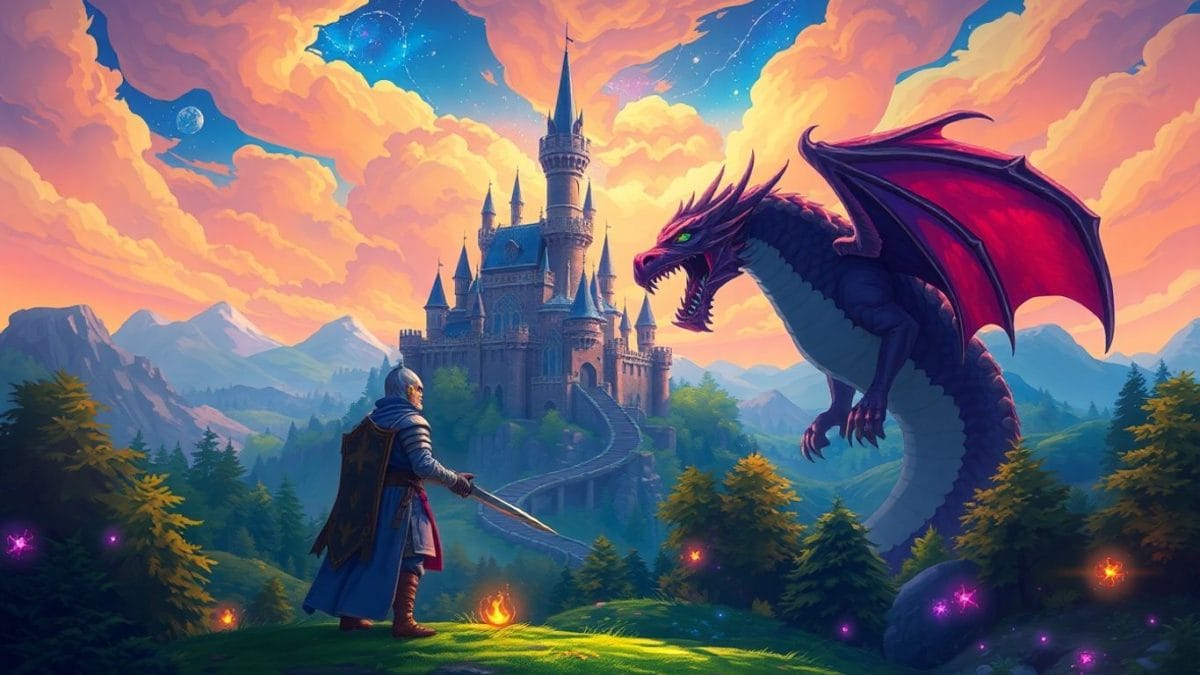
So, you’re looking for your next big adventure, huh? Something with a bit of magic, maybe some dragons, or perhaps a galaxy far, far away? That’s where fantasy RPG games come in. They let you step into someone else’s boots and live out a whole different life, making choices that actually matter. It can be a lot to sort through, though. There are so many out there, each promising an epic story. We’ve sifted through the noise to find some of the absolute best fantasy RPG games that are totally worth your time. Get ready to find your next obsession.
Key Takeaways
- The Witcher 3: Wild Hunt offers a vast, morally complex world with Geralt of Rivia, a monster hunter for hire.
- Skyrim provides an enormous open world where players can forge their own destiny as the Dragonborn, with tons of quests and flexibility.
- Mass Effect 2 is a space opera with a strong narrative, memorable characters, and impactful player choices.
- Dragon Age: Inquisition immerses players in the world of Thedas, balancing strategic combat with political intrigue and a looming supernatural threat.
- Divinity: Original Sin 2 is a deep, tactical RPG experience with robust character customization and cooperative play.
1. The Witcher 3: Wild Hunt
When you talk about modern fantasy RPGs, it’s hard to avoid mentioning The Witcher 3: Wild Hunt. Released in 2015 by CD Projekt Red, this game throws you into the boots of Geralt of Rivia, a monster hunter for hire. It’s a massive world, full of political intrigue, personal stories, and, of course, plenty of monsters to track down.
What really sets The Witcher 3 apart is its storytelling. The main quest is engaging, but it’s the side quests that often steal the show. Many of these feel like complete, self-contained stories, with well-developed characters and meaningful choices. You’re not just fetching items; you’re often making tough decisions that have real consequences, sometimes forcing you to pick the lesser of two evils. This moral ambiguity makes the world feel more alive and less like a simple good versus evil scenario.
The game’s world is gritty and lived-in. It doesn’t shy away from showing the harsh realities of life for ordinary people in a world filled with magic and monsters. This grounded approach makes the fantastical elements feel more impactful.
The combat system is action-oriented, focusing on swordplay and a bit of magic, known as Signs. While it can feel a bit simple at times, especially once you get the hang of it, the variety of monsters and the need to prepare for each fight keeps things interesting. Alchemy plays a big role too, letting you craft potions and oils that give you an edge in battle.
Here are a few things that make The Witcher 3 stand out:
- Rich Narrative: Deep lore adapted from novels, with compelling characters and branching storylines.
- Meaningful Choices: Decisions often have significant, sometimes unexpected, impacts on the world and its inhabitants.
- Vast Open World: A beautifully realized continent filled with diverse landscapes, cities, and hidden secrets.
- Engaging Side Content: Numerous side quests that are as well-written and impactful as the main story.
While some players might find the equipment progression a bit clunky or the combat repetitive after many hours, the sheer quality of the writing, the depth of the world, and the freedom to explore make The Witcher 3 a landmark title in the RPG genre. It’s a game that respects your time by offering meaningful content at every turn, making it a truly epic adventure.
2. Skyrim
Stepping into the vast, snowy province of Skyrim feels like opening a well-worn atlas of adventure. This installment of The Elder Scrolls series throws you into a world teeming with dragons, ancient prophecies, and a deep, branching narrative that you truly get to shape. You are the Dragonborn, a prophesied hero with the soul of a dragon, destined to stop the return of Alduin, the World-Eater.
What makes Skyrim so enduring is its sheer freedom. You can spend hours just exploring the rugged mountains, delving into forgotten Nordic ruins, or getting caught up in the political machinations of the ongoing civil war between the Imperial Legion and the Stormcloaks. The game doesn’t just present you with a world; it invites you to live in it. Character progression is wonderfully flexible, allowing you to become anything from a stealthy archer to a powerful mage, or a mix of both.
Here are just a few of the things that keep players coming back:
- Vast Open World: A massive map filled with diverse environments, from frozen tundras to lush forests.
- Flexible Character Building: Develop your skills in any direction you choose, with no rigid class system.
- Endless Quests: Beyond the main story, there are hundreds of side quests, faction storylines, and radiant quests to undertake.
- Modding Community: An incredibly active modding scene that adds new content, improves graphics, and even overhauls gameplay.
The true magic of Skyrim lies in its ability to make you feel like you’re forging your own legend. Every cave explored, every dragon slain, and every choice made contributes to a personal saga that is uniquely yours. It’s a game that respects your time by offering a seemingly infinite well of content, ensuring that your adventure never truly has to end.
While the main quest is compelling, the real draw is the emergent storytelling that happens as you play. You might set out to clear a dungeon and end up stumbling upon a new faction questline, or perhaps you’ll get sidetracked by a dragon attack on a nearby village. Skyrim offers a sandbox for epic tales, where the player is both the author and the protagonist. It’s a landmark title that continues to define what an open-world RPG can be.
3. Mass Effect 2
Mass Effect 2 really takes the foundation laid by its predecessor and builds something truly special on top of it. While the first game introduced us to Commander Shepard and the galaxy-saving conflict, Mass Effect 2 focuses more on the personal journey and the relationships Shepard forms with their crew. It’s a game that understands the power of a good team, and you’ll spend a lot of time getting to know the diverse cast of characters who join you on your mission.
The game’s narrative is structured around recruiting a squad for a dangerous, almost suicidal mission, and ensuring each member is loyal to you before the final push. This loyalty system is a standout feature. You undertake specific loyalty missions for each squadmate, which not only flesh out their backstories and motivations but also unlock powerful abilities and ensure they’re ready for the ultimate challenge. Failing to gain their loyalty can have serious consequences later on, making these personal quests feel incredibly important.
Mass Effect 2 also refines the gameplay significantly. The combat feels more fluid and impactful than in the first game, with better cover mechanics and more satisfying weapon feedback. While it leans more into the action-RPG side of things, the role-playing elements are still very much present. Your choices in dialogue, your decisions during missions, and how you build your character all matter. The Paragon and Renegade morality system returns, allowing you to play Shepard as a noble hero or a ruthless pragmatist, with your choices shaping how the galaxy perceives you and influencing certain outcomes.
Here’s a look at some of the key squadmates you might recruit:
- Garrus Vakarian: A Turian vigilante seeking justice.
- Tali’Zorah vas Neema: A Quarian engineer with a mysterious past.
- Mordin Solus: A Salarian scientist with a complex moral compass.
- Jack: A powerful biotic with a troubled history.
- Thane Krios: A Drell assassin facing his mortality.
The focus on character development and the high stakes of the mission create a truly memorable experience. It’s a game where you genuinely care about the people fighting alongside you, and their survival feels earned.
Mass Effect 2 is often cited as a high point for the series, and for good reason. It masterfully blends a compelling story, engaging characters, and refined gameplay into an unforgettable space opera.
4. Dragon Age: Inquisition
Dragon Age: Inquisition drops you into the shoes of the Inquisitor, a survivor of a massive explosion that tore a hole between the world and a demonic realm. Your main goal? To close this "Breach" and figure out who or what caused it. This game really opens up the world of Thedas, letting you explore huge zones that feel alive with things to do. You’ll be building up your Inquisition, gathering allies, and making some pretty big decisions that affect the political landscape.
One of the standout features is the party system. You recruit a diverse group of companions, each with their own stories, personalities, and skills. Building relationships with them is a big part of the experience, and their input can be pretty important. The combat is a mix of real-time action with the option to pause and issue tactical commands, which is great for planning out those tougher fights.
Here’s a look at some of the key companions you might meet:
- Cassandra Pentaghast: A Seeker of Truth, she’s a skilled warrior and a loyal ally.
- Solas: An enigmatic elven mage with a mysterious past.
- Varric Tethras: A charismatic rogue and storyteller, always ready with a quip.
- Iron Bull: A formidable Qunari warrior who leads the Bull’s Chargers.
The sheer scale of Dragon Age: Inquisition is impressive, offering a world that feels vast and full of potential for adventure. Managing your Inquisition’s resources and influence adds another layer to the gameplay, making your role feel significant.
While the main story is compelling, the game also offers a ton of side quests and activities. You can send agents on missions, craft gear, and even influence diplomatic relations. It’s a game that rewards players who want to get lost in its world and make their mark on it. The variety in quests and the freedom to approach them in different ways keep things interesting for a long time.
5. Final Fantasy VII
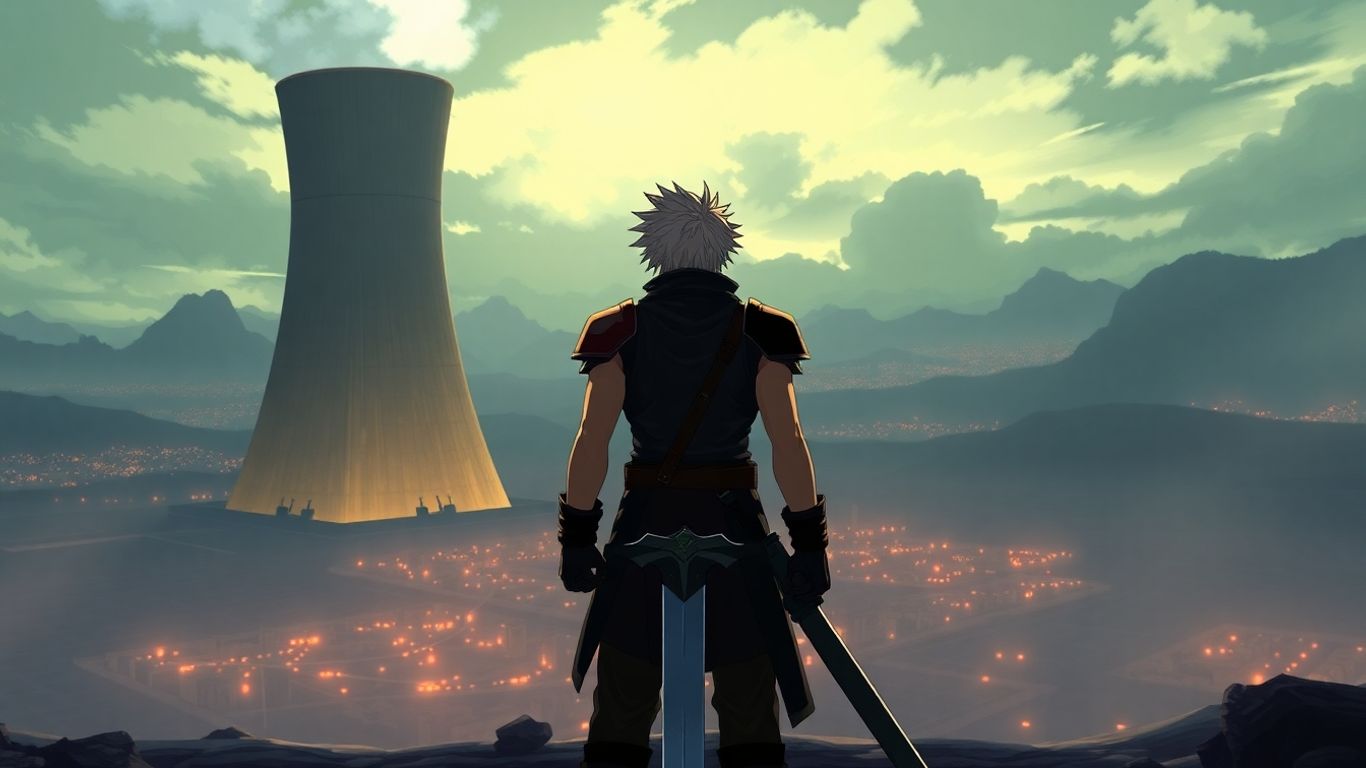
Stepping into the sprawling, dystopian metropolis of Midgar, Final Fantasy VII remains a landmark title in the RPG genre. Originally released in 1997, this game introduced a generation to the epic saga of Cloud Strife and his fight against the oppressive Shinra Electric Power Company and the enigmatic Sephiroth. Its blend of a compelling narrative, memorable characters, and a then-groundbreaking 3D presentation set a new standard for role-playing games.
The story unfolds with Cloud, a mercenary with a mysterious past, joining the eco-terrorist group AVALANCHE. Their goal is to stop Shinra from draining the planet’s life force, known as Lifestream, for energy. What begins as a fight against corporate greed quickly escalates into a world-spanning conflict with far-reaching consequences.
Key elements that make Final Fantasy VII a standout include:
- Character Development: Players become deeply invested in Cloud, Tifa, Aerith, Barret, and the rest of the party, each with their own motivations and backstories.
- Materia System: This unique magic system allows players to customize character abilities by equipping Materia orbs, offering a flexible approach to combat and exploration.
- World Exploration: From the slums of Midgar to the vast plains and ancient forests, the world is rich with secrets, side quests, and optional challenges.
- Epic Storytelling: The narrative tackles mature themes like environmentalism, loss, and identity, all wrapped in a grand, cinematic experience.
While the original PlayStation version was revolutionary for its time, subsequent remasters and the recent remake project have brought its world and characters to new audiences. However, the original’s charm and impact are undeniable, offering a deep and emotional journey that still holds up today.
6. Divinity: Original Sin 2
If you’re looking for an RPG that really lets you think and plan, Divinity: Original Sin 2 is a fantastic choice. It’s a game where your decisions, both in dialogue and in combat, have real weight. You play as a "Sourcerer," someone with the ability to use powerful magic that’s feared and outlawed in the world of Rivellon. The story kicks off with your character being exiled, and from there, it’s up to you to figure out your place and purpose.
What makes this game special is its incredible freedom. The world is a giant sandbox, and the game often gives you multiple ways to solve problems. Need to get past a guard? You could talk your way through, sneak around, use a teleportation spell, or even just cause a distraction. This level of player agency is pretty rare and makes every playthrough feel unique.
Combat is turn-based and takes place on a grid, but it’s far from simple. The environment plays a huge role. You can set oil slicks on fire, electrify puddles of water, or freeze enemies solid. Combining different elemental effects is key to overcoming tougher challenges. It’s a system that rewards experimentation and clever thinking.
Here are some of the things you can expect:
- Deep Character Customization: Build your character from the ground up, choosing race, origin story, and skills. You can even play as one of the pre-made origin characters, each with their own personal questline.
- Cooperative Play: Grab up to three friends and tackle the entire game together. Coordinating your party’s abilities can lead to some truly epic moments.
- Rich Lore and Storytelling: The world of Rivellon is detailed and full of interesting characters and political intrigue. The writing is sharp, often humorous, and always engaging.
- Environmental Interactions: Use the world around you to your advantage in combat and exploration. Rain can douse fires, but it can also make surfaces electrified.
The game doesn’t hold your hand. It expects you to pay attention to your surroundings, read quest logs carefully, and think critically about your next move. This can be a bit daunting at first, but the payoff in terms of satisfaction is immense when you pull off a clever plan.
Divinity: Original Sin 2 is a modern classic for a reason. It offers a huge amount of content, a compelling narrative, and a level of freedom that few other RPGs can match. If you enjoy tactical combat and a world that reacts to your choices, this is definitely a game you should check out.
7. Persona 5
Persona 5, and its expanded version Persona 5 Royal, throws players into a world that feels both familiar and fantastically strange. You play as a high school student who, along with a group of friends, discovers they can enter a parallel world called the Metaverse. Here, they transform into the Phantom Thieves of Hearts, stealing the distorted desires from the hearts of corrupt adults. It’s a game that really makes you think about societal issues, all wrapped up in an incredibly stylish package.
The gameplay loop is pretty unique. By day, you’re managing your life as a student in Tokyo – attending classes, studying, and building relationships with confidants. These relationships aren’t just for show; they actually power up your abilities in the Metaverse. Then, when night falls, or when the story calls for it, you’re diving into dungeons, battling shadows, and pulling off heists. The blend of daily life simulation and dungeon crawling is what makes Persona 5 so compelling.
Combat is turn-based, but it’s got a lot of flair. You can exploit enemy weaknesses to get extra turns, and when you defeat a group of enemies, you can often initiate a ‘Hold Up’ where you can negotiate for items, money, or even recruit them into your Persona collection. These Personas are essentially summoned spirits that grant you different abilities, and collecting and fusing them is a huge part of the game’s progression.
Here’s a quick look at some of the core elements:
- Daily Life Simulation: Balancing school, part-time jobs, and social interactions.
- Dungeon Crawling: Exploring intricate palaces and Mementos, the collective unconscious.
- Turn-Based Combat: Strategic battles utilizing Personas and exploiting enemy weaknesses.
- Social Links (Confidants): Building relationships that provide tangible gameplay benefits.
Persona 5 doesn’t shy away from mature themes, exploring corruption, societal pressures, and the struggle for justice. It does so with a narrative that is both engaging and thought-provoking, making you question the world around you while you’re busy stealing hearts.
If you’re looking for an RPG that offers a deep story, a unique aesthetic, and gameplay that keeps you hooked for dozens, if not hundreds, of hours, Persona 5 is definitely worth your time. It’s a game that sticks with you long after the credits roll.
8. Fallout: New Vegas
Stepping into the Mojave Wasteland in Fallout: New Vegas feels like returning to a familiar, yet distinctly different, post-apocalyptic landscape. Developed by Obsidian Entertainment, this 2010 title is often hailed by long-time fans as a true spiritual successor to the original Fallout games, and it’s easy to see why. The game throws you into the shoes of a courier who survives a brutal attack and is left for dead, setting you on a path to uncover who tried to kill you and why.
What truly sets New Vegas apart is its emphasis on player choice and consequence. Unlike many RPGs where quests have a single, straightforward solution, New Vegas often presents multiple paths, each influenced by your character’s skills, your reputation with various factions, and your own moral compass. You might talk your way out of a sticky situation, sneak past enemies, or go in guns blazing – and the world will react accordingly. This reactivity makes the wasteland feel alive and your decisions genuinely impactful.
Here are some of the key factions you’ll encounter:
- New California Republic (NCR): A democratic, expansionist government trying to bring order to the wasteland.
- Caesar’s Legion: A brutal, militaristic society inspired by ancient Rome.
- The Strip: The independent, heavily fortified heart of New Vegas, controlled by three powerful families.
- Brotherhood of Steel: A technologically advanced, isolationist group focused on acquiring and hoarding pre-war technology.
The game isn’t without its quirks. It inherited some of the technical limitations and gameplay mechanics from its predecessor, Fallout 3, which some players found a bit dated even at the time of release. However, for many, the depth of the role-playing, the intricate quest design, and the sheer amount of freedom offered more than make up for any rough edges. Fallout: New Vegas offers an unparalleled level of replayability, allowing you to experience the Mojave in vastly different ways with each playthrough. Whether you’re a charismatic diplomat, a stealthy assassin, or a brute force warrior, the game provides the tools and the narrative space to truly embody your chosen character.
The world of New Vegas is a complex tapestry of political intrigue, desperate survival, and moral ambiguity. Every settlement, every character, and every questline feels like it has a history and a purpose within the larger conflict for control of the region. It’s a place where your actions, no matter how small they seem, can ripple outwards and change the fate of thousands.
9. Elden Ring
FromSoftware took their signature challenging combat and intricate world design and expanded it into a massive open world with Elden Ring. This game throws you into The Lands Between, a place filled with demigods, ancient secrets, and plenty of danger. The sheer scale of exploration here is what sets it apart from previous Souls-like titles. You’re given an incredible amount of freedom to go wherever you please, uncovering hidden dungeons, optional bosses, and lore scattered across a vast landscape.
While the open world is huge, it’s the legacy dungeons that really shine. These are more traditional, handcrafted areas filled with intricate level design, secrets to find, and challenging boss encounters that feel like the heart of the Souls experience. You’ll spend hours just trying to see what’s around the next bend, and often, you’ll be rewarded with something interesting, whether it’s a new weapon, a powerful spell, or a tough enemy.
Elden Ring offers a lot to do, and a single playthrough can easily stretch over 100 hours if you’re looking to see a good chunk of what it has to offer. The combat remains as demanding as ever, but new mechanics like Spirit Ashes give you some help in those tougher fights, letting you summon allies to aid you. The weapon arts system also returns, giving you more ways to customize your playstyle and adapt to the many different enemies and bosses you’ll face.
The game’s vastness can sometimes feel a bit overwhelming, with loot and points of interest spread far and wide. Some players might miss the more focused level design of earlier games, but the sense of discovery in Elden Ring is undeniable. It’s a journey that rewards curiosity and persistence, offering a truly epic adventure for those willing to brave its challenges.
10. Kingdom Come: Deliverance
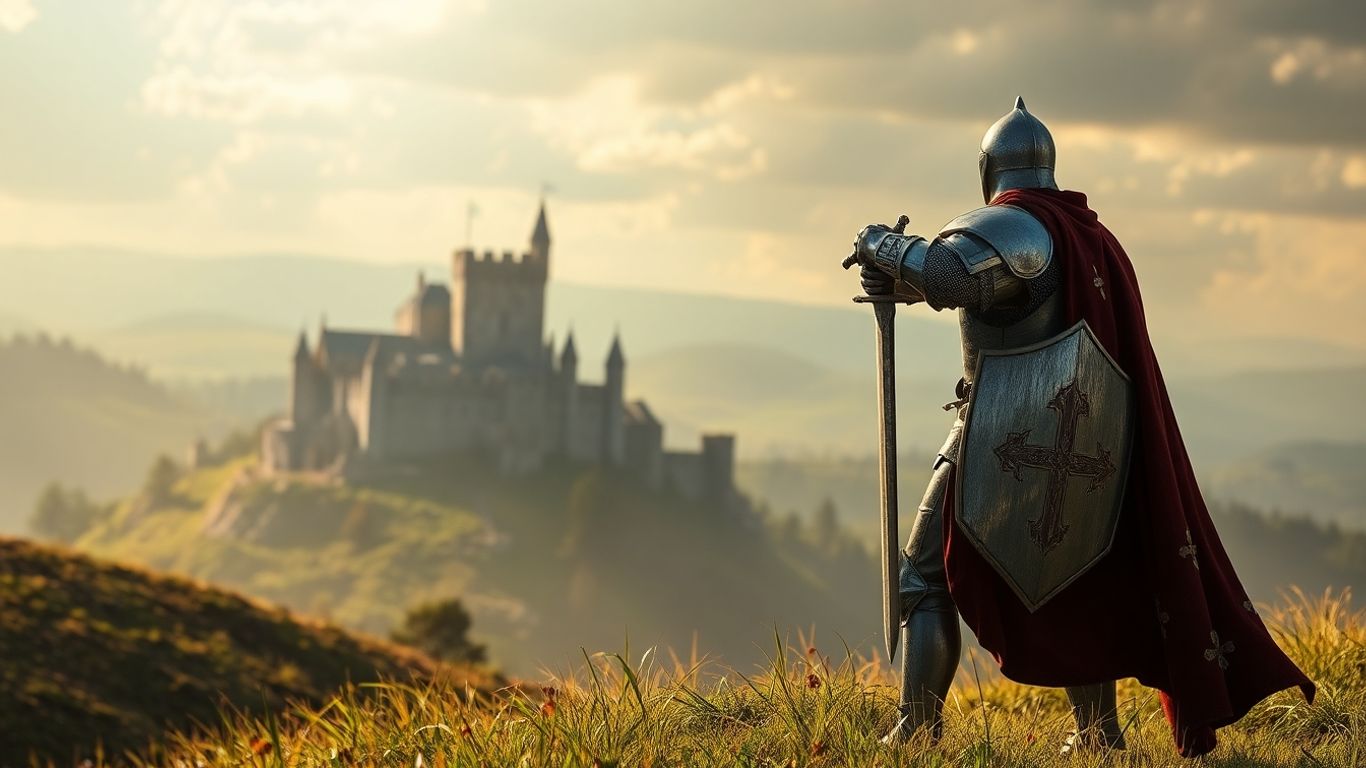
Stepping away from dragons and magic, Kingdom Come: Deliverance offers a grounded, historical RPG experience set in 15th-century Bohemia. Developed by Czech studio Warhorse, this game aims for a high degree of historical accuracy, immersing players in a world without fantasy elements. You play as Henry, a blacksmith’s son caught up in a civil war, and your journey is one of survival, learning, and rising through the ranks.
The game’s commitment to realism is its defining feature. This extends to its combat system, which is a complex, directional melee system that requires careful timing for blocking, parrying, and striking. It’s not about button mashing; it’s about understanding your opponent and the mechanics. Beyond combat, Henry needs to eat, sleep, and maintain his gear. Even simple tasks like reading require learning the in-game alphabet.
Here are some key aspects that make Kingdom Come: Deliverance stand out:
- Authentic Medieval Setting: From the architecture and clothing to the social dynamics and even the language, the game strives for an accurate portrayal of the period.
- Deep Skill System: Henry’s abilities grow through use. Whether you’re swinging a sword, picking locks, or brewing potions, the more you do it, the better you become.
- Consequence-Driven Narrative: Your actions have weight. Decisions made in quests can affect your reputation, relationships with NPCs, and the overall state of the world.
- Challenging Realism: The game doesn’t hold your hand. Survival requires planning, resource management, and a willingness to learn from mistakes.
The world of Kingdom Come: Deliverance is meticulously crafted, presenting a believable and often harsh medieval landscape. Players must adapt to its rules, where a simple brawl can be deadly and social standing matters. This focus on authenticity creates a unique role-playing experience that rewards patience and careful observation.
While the game can be demanding and has a steep learning curve, for those seeking an RPG that prioritizes historical immersion and realistic gameplay over magic and monsters, Kingdom Come: Deliverance provides an unforgettable adventure.
Your Next Adventure Awaits
So, we’ve looked at some truly amazing role-playing games. Whether you’re drawn to sprawling open worlds, deep stories, or challenging combat, there’s definitely something here for you. It’s pretty cool how these games let you step into different lives and explore worlds you’d never see otherwise. Picking just one can be tough, I know, but hopefully, this guide has given you a good starting point for your next big gaming journey. Happy adventuring out there!
Frequently Asked Questions
What exactly is an RPG?
An RPG, or Role-Playing Game, is a type of game where you get to be a character in a made-up world. You make choices that affect the story, improve your character’s skills, and go on exciting adventures. Think of it like acting in a play, but you get to decide what happens next!
Are RPGs only for people who play games a lot?
Not at all! While some RPGs can be quite deep, there are many different kinds. Some are easier to jump into and focus more on the story, while others are for players who love figuring out tricky strategies. There’s an RPG out there for everyone, no matter how much you play games.
What makes a good RPG game?
A good RPG usually has a cool story that pulls you in, interesting characters you care about, and a world that feels alive and fun to explore. Being able to make your character unique and have your choices matter also makes an RPG really special.
Do I need to play older games to understand new ones?
Usually, no. Most RPGs tell their own stories, so you can jump right into the latest game without playing the ones that came before. Sometimes, playing older games can give you a better sense of the series’ history, but it’s not required to enjoy the adventure.
What’s the difference between an open-world RPG and a more focused one?
An open-world RPG lets you explore a huge map freely, going wherever you want and doing quests in almost any order. A more focused RPG might guide you more directly through its story and levels, like following a specific path. Both can be amazing, just in different ways!
How important are graphics in an RPG?
Graphics can make a game look amazing, but they aren’t everything. A game with a fantastic story, fun gameplay, and memorable characters can be great even if it doesn’t have the fanciest graphics. What truly matters is how the game makes you feel and the adventure it offers.