The Otaku phenomenon has grown into a global creative force. Fans are becoming co-creators through fan art, cosplay, and viral content. How is this passionate community changing anime, manga, and pop culture from the ground up? And how can your brand connect with this strong source of engagement and creativity? Let us find out.
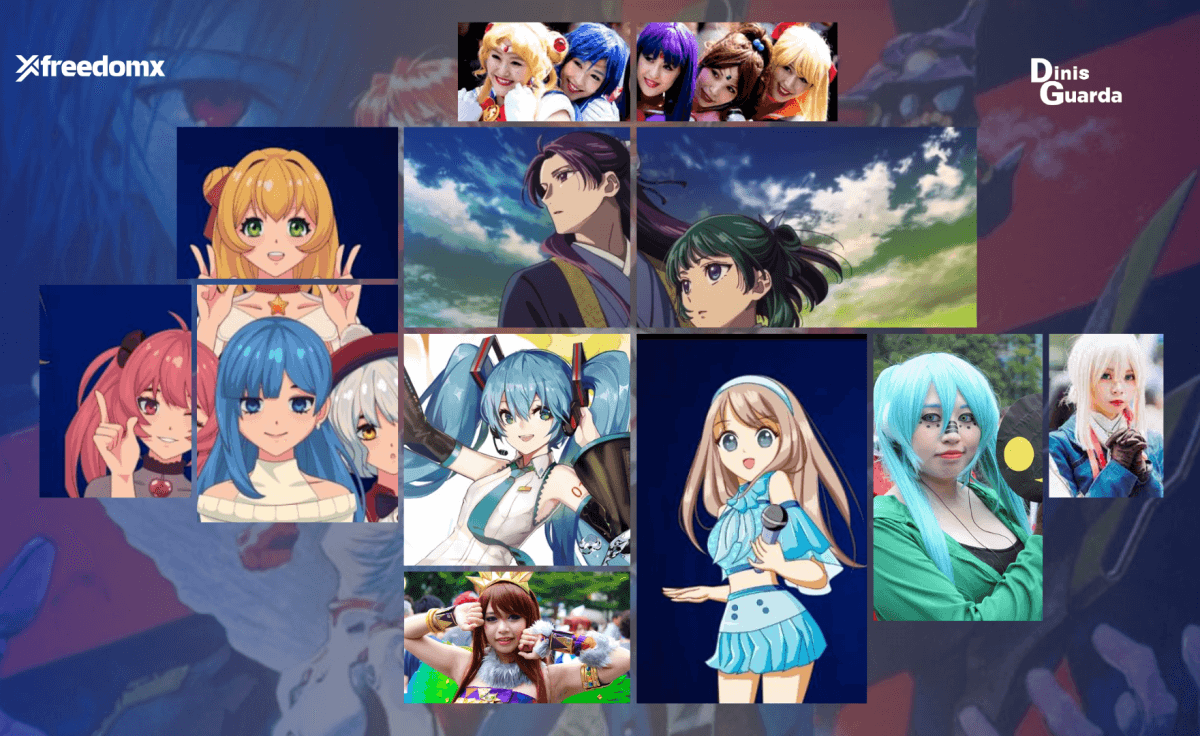
Imagine a world where fans are not just spectators but active creators who shape the media they enjoy. This captures the otaku phenomenon, a lively and passionate community built on a love for anime, manga, and Japanese pop culture. At first, the term “otaku” was linked to socially withdrawn or obsessive fans.
However, it has changed into something much bigger: a global, creative power that blurs the lines between creators and audiences.
Otaku culture is not just about consuming content; it’s about being part of it. From fan art and fan fiction to cosplay and community projects, otaku have redefined what it means to be a fan.
The birth of otaku culture
To understand the otaku phenomenon, we must first look at its origins. The term “otaku” itself was coined in Japan in the 1980s. Originally, it was a term used to describe individuals with obsessive interests in specific hobbies, especially anime, manga, and video games.
It carried a somewhat negative connotation, one of social awkwardness, isolation, and excessive devotion. The word “otaku” actually means “your house” or “your family” in Japanese, but it’s colloquially used to refer to someone else’s domain, highlighting how these individuals often become inward-facing, choosing to immerse themselves in their beloved worlds of fantasy rather than engaging with the outside world.
At its core, otaku culture represents an intense form of fandom where fans not only consume content but also become deeply engaged in it. Over time, however, the term has evolved, and otaku are no longer seen purely as isolated, obsessive fans. Instead, they are creators, influencers, and thought leaders in their own right, contributing to the worlds they adore. This transition from passive consumption to active participation marked the beginning of a revolution in fandom.
The rise of media mix
One of the most defining features of otaku culture is the media mix, a concept that refers to the strategic use of multiple media platforms to expand and deepen a story. In the world of anime, for example, a single story might be told through a combination of manga, television shows, films, video games, and merchandise. This multimedia approach creates a much richer experience for fans, who find themselves interacting with the content across different platforms.
The media mix concept is not just about creating more ways to consume content; it’s about expanding the universe, building layers of meaning, and allowing fans to immerse themselves in every possible corner of the narrative. For the otaku, this creates an opportunity to deeply engage with characters, worlds, and stories in a way that traditional forms of media could never achieve.
From passive consumption to active participation
One of the most fascinating aspects of otaku culture is how it transforms fandom from passive consumption into active participation. In the early days, fans were simply spectators—watching anime, reading manga, and consuming whatever was presented to them. But as technology evolved, so did the nature of fandom.
The internet played a huge role in this shift. Fan forums, blogs, and social media became platforms for fans to discuss, dissect, and critique their favourite works. It wasn’t long before these fans began creating their own content, fan art, fan fiction, video edits, and even entire fan-made anime episodes.
The rise of fan participation has reshaped how media is created. In many ways, fans are no longer just consumers; they are co-creators. A great example of this is the phenomenon of fan translations, where fans take it upon themselves to translate anime, manga, and other media for global audiences.
While professional translations are often slow or unavailable, fans take matters into their own hands, providing immediate access to content in multiple languages. This grassroots level of involvement has made otaku culture a global phenomenon, connecting people across borders and giving them the opportunity to experience content in ways that traditional distribution models never could.
Moreover, fan fiction and fan art have exploded in popularity. These creative outlets allow fans to rewrite stories, reimagine characters, and expand on the worlds that they love. In doing so, they don’t just admire the original works, they actively shape their future.
The blurred line between creator and audience is a hallmark of otaku culture, and it’s one of the reasons why otaku communities are often so fiercely devoted. These fans don’t just want to consume, they want to contribute to the ongoing evolution of their beloved franchises.
The sociological impact of otaku culture
But what does it mean to be part of an otaku community? And how has this culture affected the broader sociological landscape? The otaku phenomenon is not just a quirky subculture—it’s a global social movement. Its members often find connection and community within the fandom, sometimes even forming lifelong friendships and professional networks.
Otaku culture has created new forms of social interaction that transcend traditional social structures. In a world that increasingly feels disconnected due to technology, fans find belonging within their shared interests.
Online forums, conventions, and social media groups give fans spaces where they can connect with others who share their passions, regardless of geography or background. In many ways, otaku culture has become a new form of “tribalism,” where identity and community are built around a shared love for anime, manga, and video games.
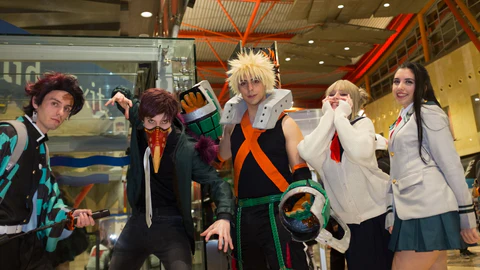
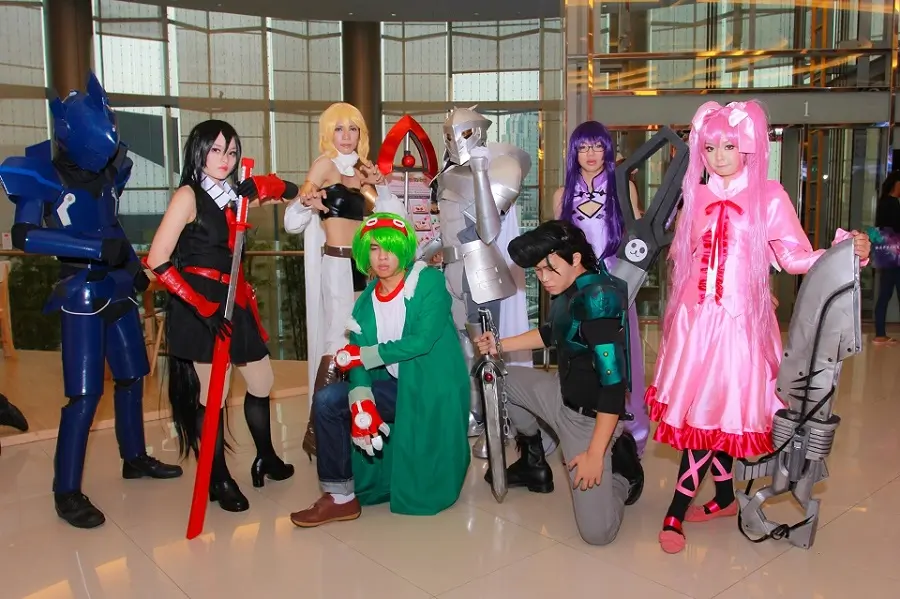
This has also led to the rise of cosplay as a cultural phenomenon. Cosplay, the act of dressing up as characters from anime, manga, or video games, is an extension of this participatory culture. It’s not just about looking like a character, it’s about embodying them, performing their stories, and becoming part of a living, breathing manifestation of fandom.
Cosplay has grown into a creative art form in its own right, with conventions and events that celebrate this form of self-expression. What started as a niche activity is now a worldwide phenomenon, with fans from all walks of life donning elaborate costumes and bringing their favourite characters to life.
Otaku as influencers and creators
What is particularly unique about otaku culture is how it has evolved from niche fandom into a mainstream creative force. Otaku have become a major force in the media and entertainment industries, not only as consumers but as influencers and creators.
Many of today’s top anime creators and manga artists were once otaku themselves. They were fans who grew up consuming the very media they would later contribute to. The influence of otaku culture on the anime industry, for instance, is profound.
The creators of anime shows and manga series often acknowledge the role that their passionate fanbases have played in shaping their work. Whether through fan feedback, fan-driven theories, or even the creativity showcased in fan art, otaku are influencing the direction of their favourite stories.
In some ways, otaku are now leading the charge in crowdsourced creativity. Fans can leverage platforms like Kickstarter or Patreon to fund their own creative projects. Through these platforms, fans can directly support creators they love, ensuring that the work continues.
In many cases, otaku-driven content is now being taken seriously by mainstream publishers and producers, who recognise the immense value of their engaged fanbases. What began as a subculture has now become a legitimate creative industry force.
The future of the otaku phenomenon
As we look to the future, the otaku phenomenon shows no signs of slowing down. In fact, the evolution of technology, particularly in virtual reality (VR) and augmented reality (AR), promises to take fan engagement to new heights. Imagine being able to step into your favourite anime world, interact with characters, or even participate in storylines.
The development of VR and AR technologies will only make it easier for fans to immerse themselves in the media they love and contribute to it in entirely new ways.
Moreover, the globalisation of otaku culture continues to grow. No longer confined to Japan, otaku culture has spread across the world, with passionate fans in North America, Europe, and beyond. Platforms like Crunchyroll, Funimation, and Netflix have made anime more accessible to global audiences, while conventions such as Comic-Con and Anime Expo draw tens of thousands of fans every year.
The future of the otaku phenomenon lies in the continuing symbiotic relationship between fans and creators. As the internet continues to evolve and technology continues to advance, we will likely see even more dynamic, interactive forms of media emerge, forms where the lines between creator and consumer are completely dissolved. In the world of otaku, the fan is no longer just a passive viewer; they are a co-creator, an influencer, and a driving force behind the media they consume.