
Get ready, Survivor fans! Entertainment Tonight has the inside scoop on the brand-new Tribal Council set for Survivor Season 49. Host Jeff Probst is giving us a sneak peek at the shipwrecked spectacle, and let me tell you, it’s packed with more detail and pirate flair than ever before. We’re talking cannons, treasure, and a whole lot of strategic drama waiting to unfold. This is the entertainment tonight survivor exclusive you won’t want to miss.
Key Takeaways
- The Survivor 49 Tribal Council set is designed to look like a 17th-century pirate ship, complete with 49 cannons, adding a grand visual element to the game.
- Jeff Probst explained the set’s theme symbolizes the cutthroat nature of Survivor, where alliances can turn into betrayal, much like pirates fighting over treasure.
- New elements at the voting booth include updated parchment and an urn, alongside the ‘Shot in the Dark’ advantage, which offers a chance at immunity but forfeits a vote.
- The show continues to feature twists like split Tribal Councils and the strategic use of advantages, such as extra votes, which significantly impact gameplay and alliances.
- Casting for Survivor 49 included alternates who were unexpectedly thrust into the game just before filming, adding a unique dynamic and highlighting the importance of game integrity.
Survivor Season 49 Tribal Council: A Shipwrecked Spectacle
This season of Survivor, the 49th, brings us a Tribal Council set that’s truly something else. Forget your typical beach bonfire; we’re talking about a full-on shipwreck. The entire area is designed to look like a massive, beached 17th-century galleon, a pirate ship that’s seen better days but still commands attention. It’s not just for show, either. The scale of it is impressive, really setting a mood for the strategic battles to come.
The Grandiose Galeon Set Design
The centerpiece of this season’s Tribal Council is the colossal galleon. It’s a sprawling structure, giving the impression that the castaways have stumbled upon the remains of a legendary pirate vessel. The details are pretty wild, from the weathered wood to the tattered sails that might still be hanging on. It feels less like a game set and more like a movie prop, which makes sense given the show’s commitment to immersive environments.
Intricate Details and Hidden Meanings
Beyond the main ship structure, the designers have packed the set with smaller elements. You’ll find scattered treasure chests, old barrels, and even some skeletal remains – all adding to the pirate lore. It’s these little touches that make the set feel lived-in and authentic to the shipwreck theme. They’ve even incorporated 49 cannons, a nod to the season number, which is a neat detail that many might miss at first glance.
Thematic Elements of Pirate Lore
The whole vibe screams pirate adventure, but with a dark twist. Host Jeff Probst has mentioned that the set is meant to reflect the nature of the game itself. Think about it: pirates had treasure and riches, but they also turned on each other. This set is a visual representation of that betrayal and the constant struggle for survival, where alliances can crumble as quickly as a ship in a storm. It’s a constant reminder that even amidst the spoils, danger and backstabbing are never far away.
Exclusive Insights from Host Jeff Probst
Probst’s Vision for the Tribal Council Environment
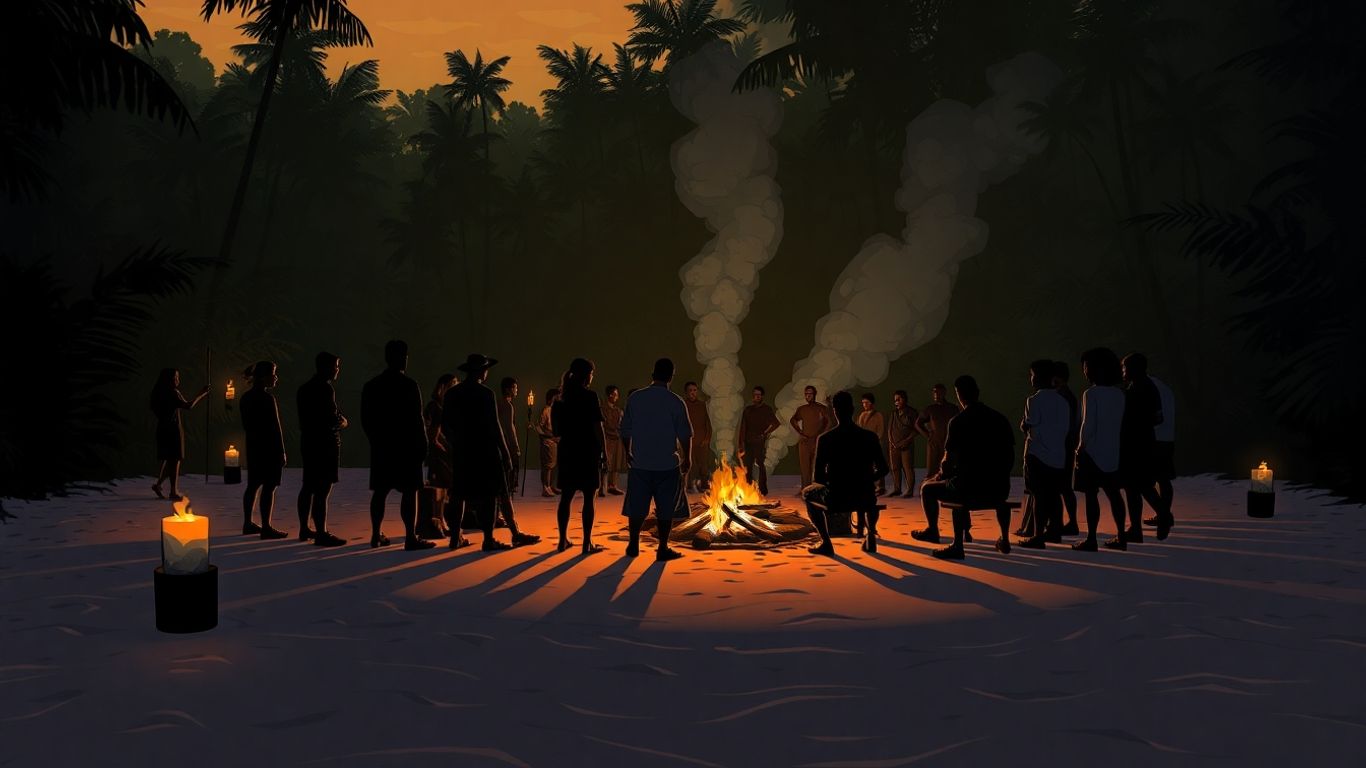
Jeff Probst has always been about making the Survivor experience as real as possible, and that extends to the Tribal Council set. For Season 49, the goal was to create a space that felt truly immersive, like stepping right into a pirate’s world. "One of the things we really take into consideration when building a Tribal set is to try to make it as immersive as possible," Jeff explained. The entire setup is designed to pull you in, making the strategic decisions and emotional moments feel even more impactful. It’s not just a backdrop; it’s part of the story.
The Significance of the 49 Cannons
This season’s Tribal Council set is a massive 17th-century galleon, a truly grand pirate ship. And it’s not just for show. "It’s a 17th century Galeon," Jeff noted, "The kind of ship that had cannons." To honor the season number, the set is adorned with exactly 49 cannons. This detail isn’t just a random number; it’s a direct nod to Survivor‘s 49th season, adding a layer of thematic consistency and a visual reminder of where we are in the show’s long history. It’s these kinds of specific touches that make each season feel unique.
Symbolism of Treasure and Betrayal
The pirate ship set is filled with details that mirror the game itself. "There’s all this loot and bounty and everything, but sooner or later the pirates turn on each other," Jeff said. This imagery of treasure chests and pirate skeletons is a deliberate choice. It represents the allure of the game – the rewards, the immunity, the million dollars – but also the inevitable backstabbing and betrayal that comes with it. Tribal Council is where those hidden motives often come to light, and the set design visually reinforces that idea. It’s a constant reminder that in Survivor, trust is a rare commodity, and everyone is ultimately looking out for themselves.
The Evolution of the Survivor Voting Booth
Jeff also gave us a closer look at the voting area, which has seen its own changes over the years. The voting parchment and urn are redesigned each season, and for Season 49, they fit the shipwreck theme. "Loose lips sink ships," Jeff quipped, relating it to the secrets and strategies discussed at Tribal. The voting booth itself is where the game’s fate is decided, and the visual elements are meant to underscore the gravity of those choices. It’s a place where alliances can crumble and dreams can end.
A Closer Look at the Voting Parchment and Urn
This season’s voting urn and parchment are crafted to fit the pirate aesthetic. The parchment, where players scrawl their votes, and the urn, where those votes are collected, are more than just props. They are tangible representations of the players’ decisions and the fate of their fellow castaways. The urn, in particular, is a focal point, holding the secrets of who is going home. It’s a simple mechanism, but its contents carry immense weight in the game of Survivor.
The Introduction of the Shot in the Dark Advantage
Alongside the traditional voting tools, the Shot in the Dark advantage is now a regular feature. This advantage offers a player a one-in-six chance at immunity, but it comes at a cost: they must forfeit their vote for that Tribal Council. "It’s a one-in-six shot at Immunity, but only if they’re willing to sacrifice their vote," Jeff explained. This addition adds another layer of risk and reward to Tribal Council, forcing players to make tough decisions under pressure. It’s a gamble that can save a player or leave them vulnerable.
The Shark Motif and Its Meaning
Adding to the shipwreck theme, a striking shark motif is incorporated into the set design. This isn’t just for visual flair; sharks are often symbols of danger and predatory behavior. In the context of Survivor, it perfectly represents the cutthroat nature of the game. Players are constantly circling each other, looking for weaknesses, and ready to strike. The shark serves as a constant, subtle reminder of the perils that await any castaway who lets their guard down.
The Impact of Split Tribal Councils
Jeff also touched upon the strategic implications of how Tribal Councils are structured. "The impact of split Tribal Councils" can significantly alter the game’s dynamics. When tribes are split, it often means fewer people are present for each vote, making individual votes carry more weight and potentially leading to more unpredictable outcomes. This can shake up alliances and create new opportunities for players to make moves.
Navigating Advantages and Extra Votes
Tribal Council is where the complexities of advantages and extra votes come into play. Jeff highlighted how players must be strategic in how they use these tools. "Navigating advantages and extra votes" requires careful planning and an understanding of the current game state. Misusing an advantage or playing an extra vote at the wrong time can be just as detrimental as having no advantages at all. It’s a delicate balance of power and risk.
Player Alliances and Shifting Dynamics
Ultimately, Tribal Council is a stage for the social and strategic game. "Player alliances and shifting dynamics" are always on full display. Jeff noted that the environment is designed to encourage these interactions. Whether alliances are solid or on the verge of collapse, Tribal Council is often where those shifts become apparent. It’s a place where trust is tested, loyalties are questioned, and the path to the end of the game is constantly being reshaped by the players themselves.
The Significance of the Torch Snuffer
One of the most iconic elements of Tribal Council is the torch snuffer. Jeff keeps one from every season. "The last bit of Tribal is the snuffer," he said, "Over the years, these have become absolute works of art and it is one thing I have taken from every Tribal Council set…I have all of them at home and they work really well." This simple tool represents the end of a player’s journey in the game. Each extinguished torch signifies a dream ended, and for Jeff, these snuffers are mementos of countless strategic battles and emotional goodbyes.
A Collection of Artistic Trophies
Jeff’s personal collection of torch snuffers is more than just a hobby; it’s a testament to the show’s enduring design and artistic vision. Each snuffer is unique, reflecting the specific theme and aesthetic of its season. They are, as Jeff calls them, "works of art." This collection represents the visual history of Survivor, with each piece holding memories of specific moments, players, and strategic decisions made around the Tribal Council fire.
The Enduring Legacy of Tribal Council Design
From the early days of simple fire pits to the elaborate sets of today, Tribal Council design has always been a key part of Survivor‘s identity. Jeff’s passion for these sets, and his personal connection to elements like the torch snuffers, underscores their importance. The design isn’t just about looking good; it’s about creating an atmosphere that enhances the gameplay and storytelling. The legacy of Tribal Council design is one of constant innovation, always aiming to make the game more immersive and memorable for both the players and the viewers.
The Unpredictable Nature of Survivor Casting
Casting for Survivor is a fluid process, and Jeff Probst emphasized that it’s "always alive. It’s always in motion right up until the game begins." This means that the cast you see at the start might not be the exact same cast that finishes the season. Unexpected events can lead to changes, and the show is prepared for them.
The Role of Alternates in Survivor 49
For Season 49, the casting process took an unusual turn. "Typically, we bring 18 players to Fiji and we bring two alternates just in case something unexpected happens," Jeff explained. This season, something did happen. Two players were removed before the game even started, meaning the alternates were suddenly thrust into the competition. This is a rare occurrence, and it significantly impacts the dynamic from day one.
The Impact of Late Entrants on Gameplay
When alternates like Jason and MC join the game just hours before filming, it creates a unique situation. They’ve had time to observe, but without the pressure of playing. "For Jason and MC to be told 12 hours before the game starts, the big question is, will that be an advantage or a disadvantage?" Jeff pondered. These late entrants have a different perspective, potentially giving them an edge or, conversely, putting them at a disadvantage as they have to adapt quickly to the game’s intensity.
Maintaining the Integrity of the Game
Survivor has strict rules to ensure fairness, and these rules are taken very seriously. "Survivor has rules and standards, and if a player crosses that line, we act," Jeff stated. The use of alternates is partly an insurance policy against unforeseen circumstances, but it also serves as a reminder of the show’s commitment to maintaining the integrity of the game. Any action that jeopardizes fairness is addressed, ensuring that the competition remains on a level playing field for all involved.
The Evolution of the Survivor Voting Booth
A Closer Look at the Voting Parchment and Urn
The place where votes are cast has always been a focal point of the Survivor experience. For Season 49, the voting booth continues this tradition, blending seamlessly with the shipwrecked theme. The parchment players write their votes on is designed to look aged, like something pulled from a captain’s log, complete with a quill pen that feels authentic to the era. It’s a small touch, but it adds to the immersion.
The urn itself has also seen a redesign, now appearing as a weathered treasure chest, hinting at the hidden dangers and potential riches within the game. This isn’t just about aesthetics; it’s about reinforcing the narrative of the season. Every element, from the parchment to the urn, is crafted to draw players deeper into the pirate lore.
The Introduction of the Shot in the Dark Advantage
This season introduces a new layer of strategy with the "Shot in the Dark" advantage. Players can choose to play this advantage at Tribal Council, forfeiting their vote for a one-in-six chance at immunity. It’s a high-risk, high-reward play that adds a significant amount of unpredictability to the vote.
- Mechanics: A player announces they are playing the Shot in the Dark before any votes are read.
- Outcome: They draw a scroll from a special bag. If it says "safe," they are immune. If it says "not safe," they have forfeited their vote and are still eligible to be voted out.
- Strategic Impact: This forces players to weigh their options carefully – is it better to secure a vote or take a chance at immunity when they feel vulnerable?
The introduction of the Shot in the Dark is a calculated move by the producers to inject more chaos and strategic decision-making into the late game. It creates moments of intense suspense, not just for the players, but for everyone watching at home.
The Shark Motif and Its Meaning
Throughout the voting area, a recurring shark motif is present. This isn’t just a random design choice; it carries symbolic weight. Sharks are predators, representing the danger and cutthroat nature of the game. They also symbolize the idea that in the treacherous waters of Survivor, you never know when you might be targeted.
Jeff Probst has often said, "Loose lips sink ships," and the shark imagery serves as a constant reminder of this. It underscores the peril of alliances, the danger of sharing information, and the ever-present threat of betrayal. The voting booth, therefore, becomes more than just a place to cast a vote; it’s a visual representation of the predatory environment the castaways must navigate.
Key Moments and Strategic Plays at Tribal Council
Tribal Council is where the game truly gets dissected, and Season 49 has already delivered some memorable moments that highlight the strategic depth players are employing. The environment itself, with its shipwreck theme, seems to amplify the tension and the feeling of being adrift, making every decision feel more significant. The introduction of new advantages and the clever use of existing ones have dramatically altered the landscape of eliminations.
The Impact of Split Tribal Councils
This season has seen the strategic use of split Tribal Councils, a twist that forces players into difficult situations. In one instance, castaways competed in a 5 vs. 5 challenge. The winner secured immunity for their group, while the losing five faced the vote. This setup immediately creates a dynamic where alliances can be tested, and players on the losing side must scramble to secure their safety. It’s a high-stakes scenario where individual performance directly impacts the fate of an entire subgroup.
- Team Dynamics: The split forces players to consider their team’s performance and how it might affect their personal game.
- Target Identification: Players on the losing team become immediate targets, increasing the pressure to find safety.
- Advantage Opportunities: The losing side often becomes a breeding ground for desperate plays and advantage usage.
The strategic implications of these split Tribals are immense. Players must not only worry about their own vote but also how the challenge outcome might shift allegiances and create new targets. It’s a calculated risk that can either solidify a player’s position or send them home.
Navigating Advantages and Extra Votes
Survivor 49 has introduced a variety of advantages that players are actively seeking and using. The ‘Shot in the Dark’ offers a one-in-six chance at immunity, but at the cost of a vote. This creates a fascinating dilemma: is the risk worth the reward when your vote could be the deciding factor? We’ve also seen players secure extra votes, which can be used to sway the outcome of a vote, adding another layer of complexity to the strategic planning. The careful management of these advantages is becoming as important as the social game itself. For example, Savannah Louie received an advantage that allowed her to bank a vote for future use, a move that could prove critical later in the game.
Player Alliances and Shifting Dynamics
At the heart of every Tribal Council are the shifting alliances. Players like Michelle "MC" Chukwujekwu found themselves caught in complex webs of trust and betrayal. Her attempt to rebuild trust after playing an idol, by sharing information about a potential move against Jawan Pitts, ultimately backfired. This illustrates how even well-intentioned moves can be misinterpreted or used against a player. The constant negotiation and re-evaluation of alliances are what make Survivor 49’s Tribal Councils so compelling. Players must constantly assess who has their back and who might be plotting their downfall, making every whispered conversation and every vote a potential turning point.
Jeff Probst’s Personal Connection to Tribal Sets
The Significance of the Torch Snuffer
Jeff Probst has a unique relationship with the physical elements of Survivor, especially those found at Tribal Council. Over the years, he’s developed a particular fondness for one item: the torch snuffer. It’s more than just a prop; it’s a symbol of the game’s conclusion for each player. He’s mentioned that these snuffers have evolved into true works of art, and he’s taken one from every season’s Tribal Council set to keep at home. They’re not just decorative; he finds they work quite well, a testament to their practical design alongside their aesthetic appeal.
A Collection of Artistic Trophies
Probst views the torch snuffers as personal trophies, each representing a season’s worth of strategic gameplay and emotional journeys. Having a collection of these at his home serves as a tangible reminder of the show’s history and his integral role in it. It’s a quiet acknowledgment of the countless moments of triumph and defeat that have unfolded around the Tribal Council fire.
The Enduring Legacy of Tribal Council Design
Each season’s Tribal Council set is a carefully crafted environment, designed to immerse players and viewers alike in the game’s narrative. Probst is deeply involved in this process, aiming to create spaces that not only look impressive but also reflect the season’s theme and the game’s inherent drama. The sets are built to be more than just backdrops; they are active participants in the storytelling, contributing to the overall experience of Survivor. The attention to detail, from the grandest structures to the smallest props, underscores the show’s commitment to creating a compelling and memorable game.
The design of each Tribal Council set is a deliberate choice, meant to enhance the feeling of isolation and the high stakes of the game. It’s about creating a space where players feel the weight of their decisions and the eyes of the jury upon them, even before the jury is formed.
The Unpredictable Nature of Survivor Casting
The Role of Alternates in Survivor 49
It’s a wild thought, but the cast you see on screen isn’t always set in stone until the very last moment. For Survivor 49, this was more true than ever. Producers always bring a couple of alternates, just in case someone gets sick or has a last-minute emergency before the game kicks off. Usually, these folks are just there as a backup plan, knowing they might get a shot next season. But this year? Things got shaken up in a big way. Two players were actually removed from the game before it even started, meaning the alternates, Jason and MC, were suddenly thrust into the competition with very little notice. Imagine going from watching from the sidelines to being in the thick of it, all within hours. It’s a stark reminder that until you’re actually playing, nothing is guaranteed.
The Impact of Late Entrants on Gameplay
So, what happens when you’re suddenly a contestant instead of an alternate? Jason and MC had to jump into the game with a completely different mindset than everyone else. They’d spent time observing, seeing how things were going, but without the pressure of actually playing. Jeff Probst himself wonders if this gives them an edge or a disadvantage. On one hand, they had a week to watch and learn. On the other, they had to go from zero to sixty, straight into challenges and strategic thinking, with no gradual ramp-up. It’s a unique situation that really tests how players adapt when the game starts unexpectedly.
Maintaining the Integrity of the Game
Survivor has a lot of rules, and they’re taken very seriously to keep things fair. Producers are always on the lookout to make sure no one breaks those rules, especially before the game even begins. If someone crosses a line, action is taken. That’s where those alternates come in handy – they’re like an insurance policy for the game’s fairness. It’s not just about health issues; it’s about protecting the integrity of the competition. Even if you’re told you’re on the show, you’re not truly in until the game officially starts. Breaking the rules before then can mean you’re out before you even get a chance to play.
The casting process for Survivor is a dynamic one, constantly in motion. Players are reminded that their spot is never fully secured until the game begins, and adherence to the game’s strict rules is paramount for all involved, from original cast members to last-minute additions.
A New Era of Tribal Council
So, that’s the latest on the Survivor 49 Tribal Council set. It’s a pretty cool setup, really leaning into that shipwreck theme with all the details Jeff Probst talked about. It makes you wonder what other surprises the season has in store, both with the set and the gameplay itself. We’ll have to keep watching to see how it all plays out.
Frequently Asked Questions
What’s new about the Survivor Season 49 Tribal Council set?
This season’s Tribal Council looks like a giant, old pirate ship that ran aground! It’s called the ‘Grandiose Galeon’ and is decorated with pirate stuff like treasure chests and skeletons. It even has 49 cannons, one for each season of Survivor.
What did host Jeff Probst say about the new set?
Jeff Probst explained that the pirate ship theme is meant to show how, even though there’s treasure and excitement, the players eventually turn on each other, just like pirates would. He also mentioned that the set pieces, like the voting urn and the torch snuffer, are designed to be really cool and immersive.
Are there any new advantages or twists at Tribal Council this season?
Yes! Players can now use the ‘Shot in the Dark’ advantage. This gives them a one-in-six chance to be safe from being voted out, but they have to give up their vote for that Tribal Council. Also, there was a ‘split Tribal Council’ twist where players competed in teams, and one team had to go to Tribal Council first.
What’s the deal with the shark theme at Tribal Council?
The shark symbol is used on things like the voting booth and the urn. Jeff Probst said it relates to the saying ‘loose lips sink ships,’ meaning that if players talk too much or reveal secrets, their game could be in trouble.
Does Jeff Probst keep anything from the Tribal Council sets?
Yes! Jeff Probst mentioned that he collects the torch snuffers from every season. He thinks they’ve become like works of art over the years and keeps them all at his home.
Were there any surprises with the Survivor 49 cast?
There were a couple of surprises! Two players who were originally cast got sent home before the game even started for breaking rules. This meant two alternates, who were just waiting in case something happened, suddenly got to play the game just hours before filming began.