
When Luffy’s Gear 5 transformation appeared in One Piece episode 1071, the episode received a largely positive response from audiences. Viewers noted the distinctive animation style and elements of cartoon physics that differed from previous episodes. This was directed by Tatsuya Nagamine, who oversaw the creative direction of the sequence and aimed to explore a more experimental visual approach with Toei Animation.
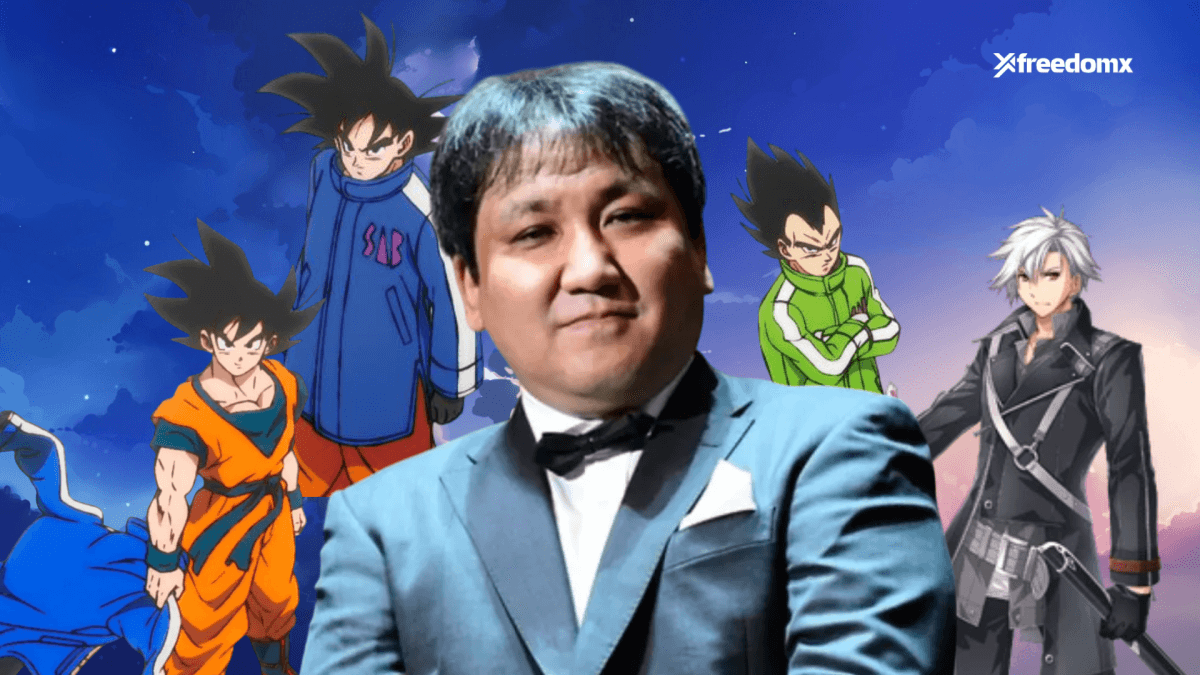
Tatsuya Nagamine was a Japanese anime director and long-time member of Toei Animation. Over a career spanning more than two decades, he worked on several of the studio’s major franchises, including Dragon Ball and One Piece.
He passed away on 20 August 2025 at the age of 53 after a year-long illness. His death was publicly announced in November 2025, following a memorial service at Toei Animation’s studio in Tokyo.
Tatsuya began his career at Toei Animation, where he gained early experience through storyboarding, key animation, and production assistance before moving into directing roles.
Toei, known for its broad range of shonen and magical girl series, provided him with a platform to refine his skills across multiple genres. His directorial debut came in 2004 with the OVA Interlude, an atmospheric short production that demonstrated his interest in combining introspective themes with strong visual presentation.
These early experiences established Tatsuya’s approach to direction, an emphasis on rhythm, clarity, and a balance between character-driven emotion and visual intensity, that would later define his work on several long-running and high-profile anime productions.
Early Days: Building Foundations in Adventure and Fantasy
The following year saw Tatsuya’s first major opportunity at television direction with Beet the Vandel Buster, a dark fantasy series based on the manga by Riku Sanjo and Koji Inomata. The series ran from 2004 to 2005 and followed a young hero, Beet, as he fought against the dark Vandel.
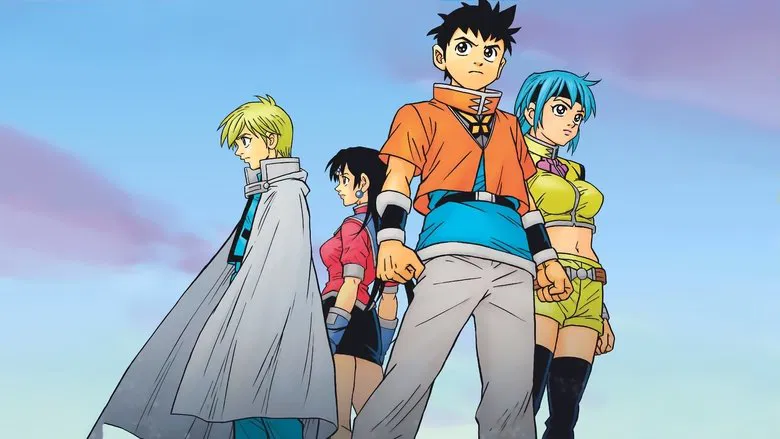
Tatsuya made his contribution unique by continuing tension, those sword fights weren’t just flashy but they had real gravity, with the tension reflecting Beet’s growth in awareness from a hot-headed kid to a resolute hero.
Fans enjoyed its pacing; the episodes felt fast, without feeling slow or cumbersome, yet Tatsuya’s direction developed on and dealt with its darker themes of loss and redemption as not to affect the work itself from being an adventure story. Beet a solid first episode for Tatsuya in TV direction, he principally worked on ongoing stories and he kept engaging viewers week after week.
He didn’t stop there. A sequel was created, Beet the Vandel Buster: Excellion (2005-2006), followed up this effort with even more intensity. Tatsuya directed the series in its entirety, developed the world more substantially with new allies, struck up more intense battles that carried a greater weight.
One standout episode featured an epic battle against the lord of the Vandel world, where the animation was colourful and fluid, some of the dramatic lighting was pure Toei, but through Tatsuya’s personal lens of emotional weight. Looking back upon these earlier pieces of work, you can see a director beginning to get a grip on the basic tenets of turning spectacle into narrative and using the aesthetics for additional foundation in mega-franchises later on.
At around the same time as these episodes, Tatsuya became involved in non-Kamen Rider projects, working as a facilitator of transformation sequences for Powerpuff Girls Z in 2006-2007 alongside Yoshikazu Tomita. It was a fun excursion into magical-girl canon, reinterpreting the American cartoon through the lens of Japanese anime whimsy.
These sequences, filled with sparkling effects and rapid cuts, gave the girls’s bubbly-yet-heroic personalities the proper pace. It wasn’t the thrust of his commercial work, but like Gardner, it was an indication of versatility, shifting from serious fantasy work to comedic action without hesitation.
By the mid-2000s, Tatsuya was probably looking for larger opportunities in film. His first major directorial work in film was Digimon Savers: Ultimate Power! Activate Burst Mode!! in 2006, a promotional movie that promoted the Digimon franchise. The film featured the lengthy monologues and silly emotionless action typical of a Digimon movie. The film centers on the Savers team of digital monsters facing off against an origin AI threat.
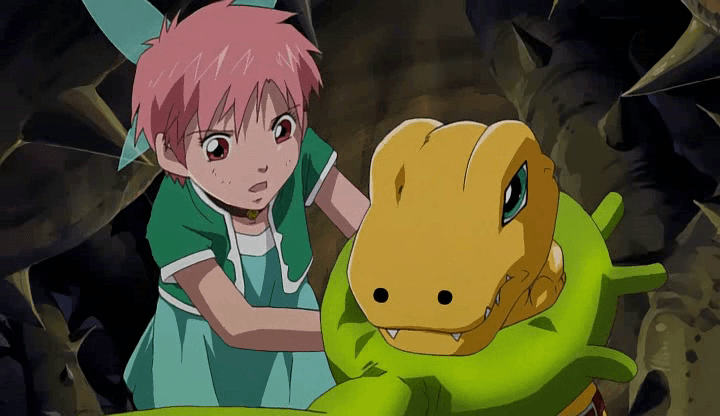
Tatsuya’s direction shone in the hybrid battles, where human-digimon teamwork felt seamless and exciting. He kept the runtime tight, ensuring every evolution and attack built to a satisfying climax. It was a crowd-pleaser, especially for kids glued to their screens, and it cemented his reputation as someone who could deliver thrills on a budget.
That same year, he tackled Dr. Slump: Dr. Mashirito and Abale-chan, a nostalgic nod to Akira Toriyama’s whimsical world. This live-action/animation hybrid brought back the zany inventor Dr. Mashirito and his robot creation Abale-chan, clashing with the ever-cheerful Arale.
Tatsuya infused it with slapstick humour and heartfelt moments, directing scenes that bounced between absurd comedy and subtle warmth. The film’s charm lay in how it captured Toriyama’s spirit, playful, inventive, and full of surprises. At just 53 minutes, it was a quick hit, reminding everyone that Tatsuya could handle comedy as deftly as he did drama.
Rising Star: Magical Girls and Saintly Sagas
In 2007, Tatsuya began working on the notable Precure franchise, one of the hallmark franchises of Toei’s magical girl brand. He directed Yes! Precure 5: Great Miracle Adventure in the Mirror Kingdom!, a film featuring the five Cure girls transported to a fairy-tale world of mirrors and nightmares.
What stood out was Tatsuya’s emphasis on friendship as the true magic, transformation scenes showcased visual spectacle, but it was the emotional connections among characters that drove the story. He layered in interesting visual elements, such as reflections that showed hidden fears, allowing the adventure to feel both magical and introspective. The film performed well and elevated the series, showcasing Tatsuya’s exceptional gift for uplifting storytelling that resonated with younger audiences.
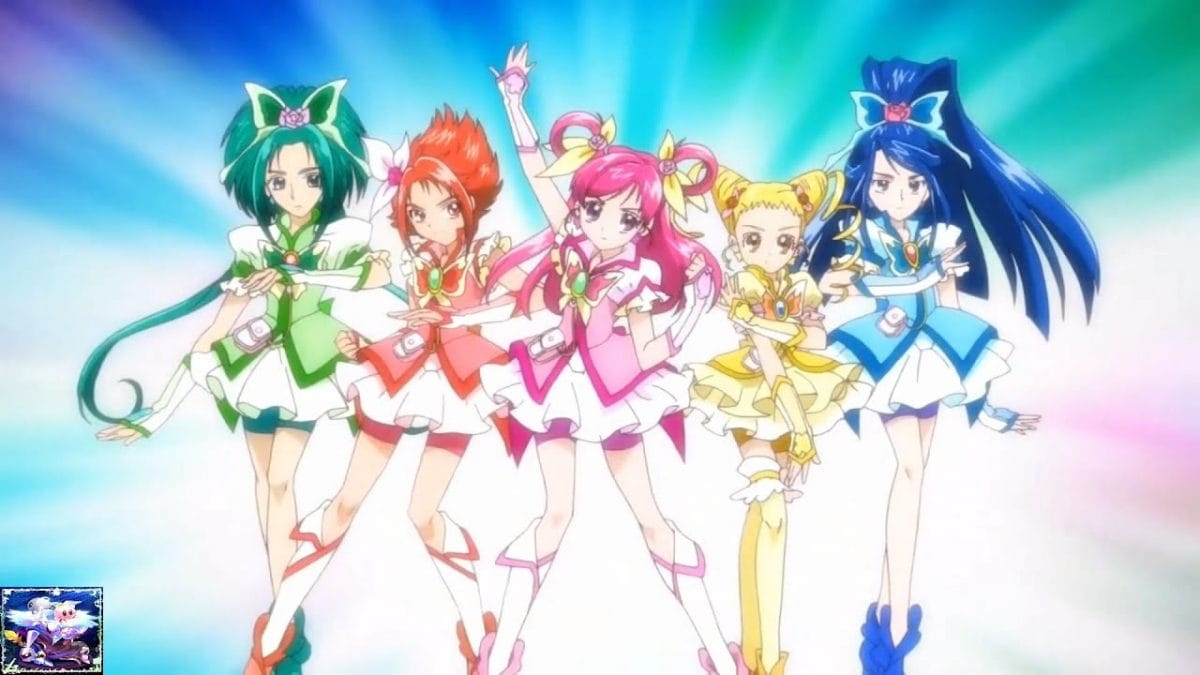
He moved on to the follow-up production for Yes! Pretty Cure 5 GoGo! The Movie: Happy Birthday in the Land of Sweets in 2008. This film also celebrated birthdays, but with a candy-coated villainess and cursed former foes who were forced to overcome their sweet tooth. Tatsuya’s directing included a joyful energy, even changing battles into fun dances, and when the characters had quiet moments at birthdays or birthday parties, it displayed heartfelt dialogue about growing up. The use of pastel colours within the story, hip and rhythmic action sequences made this entry fun, and Tatsuya also showed the beginnings of comfort with ensemble casts, and handling a greater number of Cures without anyone feeling like a side character.
Television called him back in 2010 with HeartCatch PreCure!, which Tatsuya directed for all 49 episodes. This entry leaned into floral and heart themes, establishing the Cures with powers derived from hearts and flowers to battle against despair. Tatsuya’s directing took on a poetic nature; it included episodes about self-doubt and resilience, using Tsubomi’s arc to facilitate these themes, leading her from a shy girl to a self-assured leader.
The animation was fantastic, especially during the power-ups, and petals danced alive in vibrant hues among bursting blossoms. It was a hit on its own metrics, but Tatsuya’s steady directing clearly differentiated it from the rest within the crowded Twelve Precure entry.
A few years later, in 2013, he directed episodes 52 to 77 of the Saint Seiya Omega reboot. This story is a cosmic saga which follows young knights, wearing sacred protective cloths, as they battle gods and shadows alike. Tatsuya provided a fresh energy to the fights, providing a choreography favoured strategy over strength, and fun and bright elemental clashes.
His episodes built momentum through the story’s important arc of the antagonist Mars, managing to ground elements of myth with world-ending stakes, and served as a bridge project for him to show that revitalising older franchises can happen worldwide without losing their origin points.
Blockbuster Heights: One Piece, Dragon Ball, and Epic Films
Tatsuya’s career skyrocketed while directing One Piece, an infinite pirate adventure that remains the jewel to Toei’s collection. Before moving to television, he directed One Piece Film Z (2012), which grossed over ¥6.8 billion in Japan alone, at that time one of the highest-grossing Japanese films of all time. One Piece Film Z revolves around the Straw Hat Pirates attempting to thwart the revolutionary Z and his plans to destroy the world. In the film, there are epic naval battles during which the Straw Hat Pirates reunite with dear friends.
Tatsuya’s directorial style was also an upgrade to another level, scaling the narrative even higher than the extensive seascapes of the previous films and the action itself was explosive, but the emotional cores remained, such as Luffy’s forceful commitment to his crew. The animation quality was a notch above the previous films as well and movements were so fluid you could feel the resounding impact of every punch. Tatsuya’s work, rate or score as always, was compelling enough to captivate not just die-hard fans, but also newcomers who have never seen the series.
That accomplishment led to more One Piece! In 2016, Tatsuya helmed the TV special One Piece: Heart of Gold, a treasure hunt story that connects to the Film Gold movie. It revolves around the mysterious Tesoro and his world of glitter and gold, while Tatsuya’s take involves the crew supporting one another through the flashy danger. The pacing was excellent, with quick setups complete with explosive payoffs. It wound up being a wonderful appetiser for the grander movie.
Next, there was HappinessCharge PreCure! in 2014-15, which was also a full series direction. This instalment has Cures from around the world cooperating to fight the Phantom Empire, and Tatsuya brought the worldly perspective into the fights as well as the messages of unity and harmony between countries.
These episodes shimmered with different countries’ motifs- think funky samba vibes during battle, or the Cures fighting at the Eiffel Tower- and Tatsuya directed with a light touch, keeping everything feeling fresh and fresh. It would be his last Precure major work, but it established his role firmly in the empowering stories sprinkled with fun.
The zenith of his success, however, was Dragon Ball Super from 2017 to 2018, where he co-directed episodes 77-131 with Ryota Nakamura. It was during this arc that the Tournament of Power’s battle royale system saw universes vying for survival. The stakes were raised with Tatsuya’s episodes, none more so than the visual spectacle of Goku’s Ultra Instinct transformation, which combined visual flair, inventive camera work, and a cavalcade of energy blasts shattering the screen.
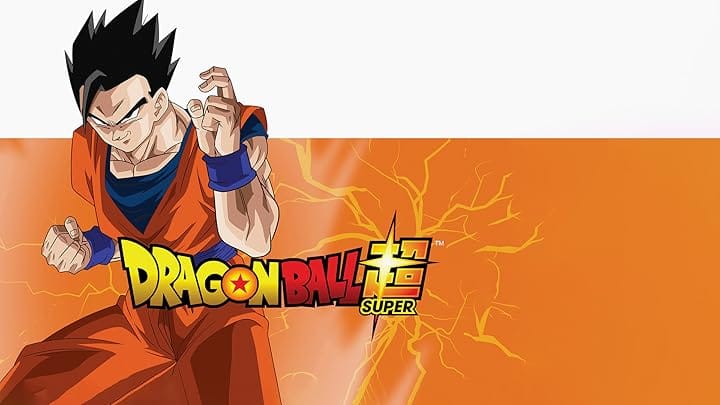
He balanced the frenetic action of multiple fighters impacting personal stakes in fascinating ways, such as Vegeta’s pride against Vegeta’s development. Fans praise the heights of animation, like the Jiren fights, that connected epic speech with iconic shots and grounded the animation with real pathos. This was a high-wire act and Tatsuya pulled it off while also making the show central to the global phenomenon that Dragon Ball envisaged.
His accomplished jump to features came in 2018 with the full-dominated feature, Dragon Ball Super: Broly. This origin story crafted a new vision of Broly, as a tragic anti-hero, a contrast to Goku and Vegeta in a power contest that would launch a trajectory above the traditional dimensions of the franchise. Tatsuya poured real heart into his work–the ice wastelands of Vampa were just that–wastelands–during which he mixed desolation with poignancy like mixing the blue and red from Goku’s and Vegeta’s final battle, a energised performance bordering on mania, in a final wallop of fury and destruction.
He worked in close collaboration with writer Akira Toriyama, giving the lore a proper sense of authenticity while being new at the same time. With impressive CGI integration and an emotional centre, it became Tōei’s highest-grossing Dragon Ball feature film, grossing over ¥2.4 billion, and enjoyed worldwide acclaim for reinvigorating the series.
From 2019 to 2024, Tatsuya returned to One Piece television as the Director of the series, directing episodes 892 to 1122, a whopping 231 episodes, which were the entirety of the Wano Country arc. This samurai-infused adventure had the Straw Hats teaming up with samurai soldiers to defeat the tyrant Kaido. Tatsuya’s tenure on this series was a re-mastery of long-form directing, skillfully managing an enormous cast, to ratchet tension through complicated narratives such as a raid on Onigashima.
Several of the moments, including Luffy’s Gear Fifth reveal, were sublime with creativity, transforming rubber physics into cartoonish representations of liberation. Despite demands to satisfy the production schedule, Tatsuya’s episodes consistently exhibited high-quality animation, balancing humour, sentiment, and heroism. In the essential climax of Wano, with its emotional payoffs for figures like Oden and the Kozuki Clan, Tatsuya’s ability to skillfully encompass a narrative history into the spectacle was revealed.
The Man Behind the Frames
Tatsuya Nagamine’s work reflected a consistent engagement with new creative approaches and a sustained level of professional dedication throughout his career. From working on OVAs or small productions to directing billion-yen movies, he was involved in over a dozen large-scale projects that impacted millions of people. He was remembered by his peers as being gentle and collaborative and was known to shower encouragement on-set.
This was echoed by Tatsuya Nagamine’s family who, in a post they made on the X app in November 2024, described him as a “kind, warm” man who took on his illness with the same vigour as he took on his work, in his mind, continuing to work for his family and unfinished stories.
After a private memorial service that occurred at Toei’s Tokyo studios on 13 November, the anime community was devastated. Messages and tributes had since flowed with friends in the industry, voicing actors and fans participated in posting them and observing the hashtags which trended (#ThankYouNagamine). Many shared that “Broly” renewed their love of the Dragon Ball franchise or how the many layers of Wano drew them into the world of One Piece. He was only 53 years old, so close to many important lifetime milestones, but the worlds he opened up to us all live on and will hopefully continue to inspire all of us to daydream, fight, and reconnect with our world.