
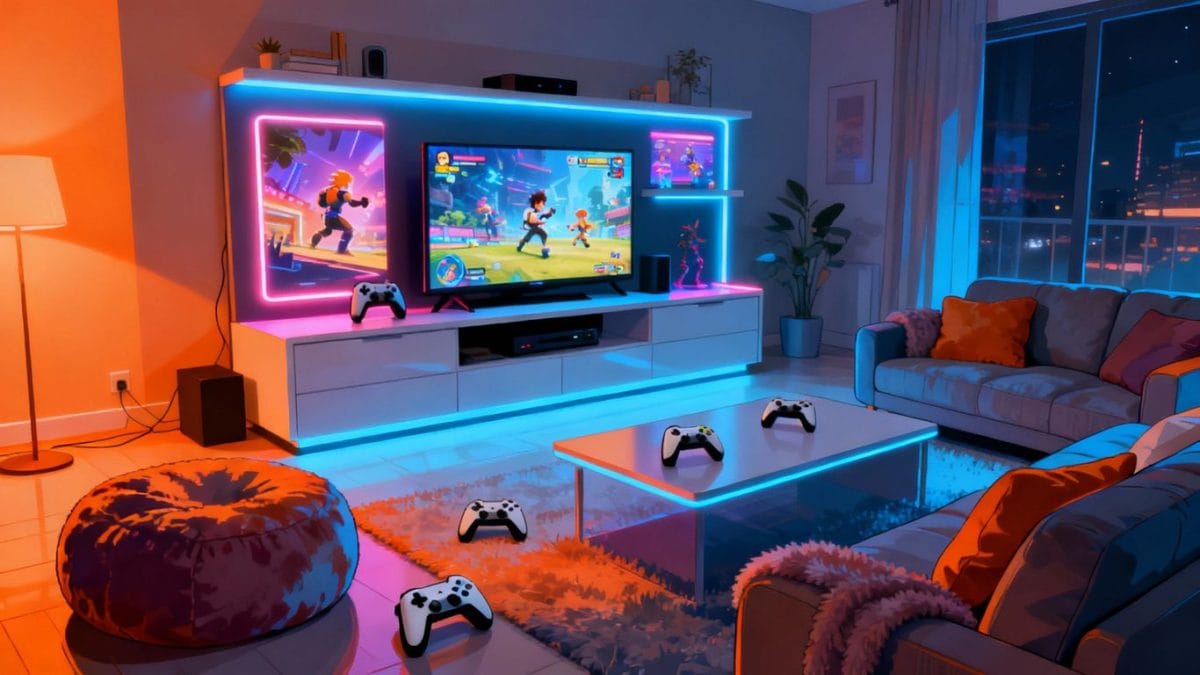
Finding the right center entertainment center can really tie your living room together. It’s not just about where the TV sits; it’s about creating a functional and good-looking spot for all your gadgets. Think movie nights, gaming sessions, or just chilling. With so many styles and features out there, picking the perfect one might seem tricky. But don’t worry, we’ll walk through what to think about so you can get a center entertainment center that works for you and looks great.
Key Takeaways
- Figure out what you need your center entertainment center to do. Will it just hold the TV, or do you need space for consoles, speakers, and lots of movies?
- Measure your space carefully. You don’t want a unit that’s too big or too small for the room or your TV.
- Think about how you’ll hide all those messy wires. Good cable management makes a huge difference in how neat your setup looks.
- Storage is important. Decide if you need shelves, drawers, or cabinets to keep things tidy and out of sight.
- Choose a style that matches the rest of your room. The right center entertainment center can make your whole living area look better.
Understanding Your Entertainment Center Needs
Before you even start looking at styles or colors, it’s smart to figure out exactly what you need your entertainment center to do. It’s not just about holding your TV; it’s about making your whole setup work better for you. Thinking through a few key things will make the shopping process way easier and help you find something you’ll actually be happy with.
Defining the Purpose of Your Entertainment Center
What’s the main job of this piece of furniture? Is it primarily for watching movies and TV shows? Or is it also going to be the spot for gaming marathons, displaying collectibles, or even housing your sound system? Knowing its main role helps you prioritize features. For example, if gaming is big, you’ll want easy access to consoles and maybe extra space for controllers. If it’s more about movie nights, a good spot for a soundbar and Blu-ray player might be more important.
Assessing Your Electronic Device Inventory
Take a good look at all the gadgets you plan to put on or in the entertainment center. Make a list. This includes your TV, soundbar, game consoles, streaming devices (like Apple TV or Roku), DVD or Blu-ray player, and any other electronics. Don’t forget accessories like speakers, controllers, and remotes. Knowing the exact number and approximate size of these items will tell you how much space you really need. It’s easy to underestimate how much room all those boxes and wires take up.
Here’s a quick way to get a handle on it:
- Television: Note its size (diagonal measurement) and whether it will be mounted or placed on top.
- Audio Equipment: List soundbars, speakers, receivers, and their dimensions.
- Gaming Consoles: Count how many you have and their sizes (e.g., PlayStation, Xbox, Nintendo Switch).
- Streaming Devices: Include boxes like Apple TV, Roku, Fire Stick, etc.
- Other Electronics: Think about DVD players, record players, or anything else.
- Accessories: Remotes, controllers, charging stations, etc.
It’s always better to have a little extra space than not enough. Trying to cram too many things into a tight spot can lead to poor ventilation and a messy look.
Considering Room Size and Layout
How big is the room where the entertainment center will go? And how is the room arranged? A huge entertainment unit might look great in a large living room, but it could completely overwhelm a smaller space. Think about where the main seating will be and how far away it will be from the TV. You don’t want to strain your eyes or have people craning their necks. Also, consider other furniture in the room – you don’t want the entertainment center to block doorways or create awkward pathways. Measuring the available wall space is a good first step, but also visualize how it will fit into the overall flow of the room.
Key Features for an Optimal Entertainment Center
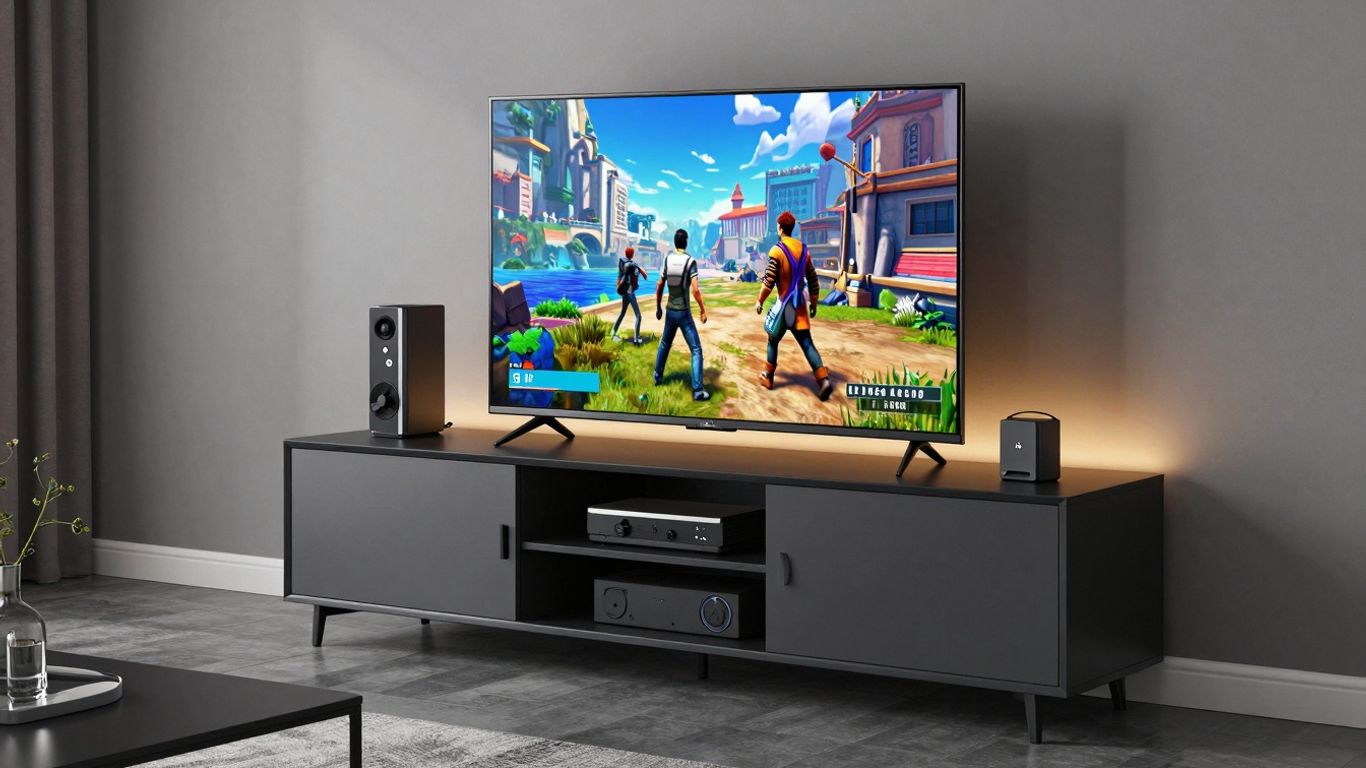
When you’re picking out a place for your TV and all its buddies, it’s not just about how it looks. There are some practical things that make a big difference in how well it works day-to-day. Think about these features to make sure your entertainment center is actually helpful, not just a piece of furniture.
Integrated Cable Management Solutions
Let’s be honest, nobody likes looking at a tangled mess of wires. It makes even the nicest room feel messy. Good cable management is key to keeping things looking clean and tidy. Look for entertainment centers that have built-in ways to hide those cords. This could be holes in the back of shelves, channels along the frame, or even little compartments designed just for wires. It makes a huge difference in the overall appearance and makes it easier to plug and unplug devices when you need to.
Adequate Ventilation for Electronics
Your TV, game consoles, and soundbars all get warm when they’re running. If they don’t have enough air moving around them, they can overheat. Overheating can shorten the life of your electronics or even cause them to stop working. When you’re looking at entertainment centers, check to see if there’s enough space around the components. Are there open shelves? Are there vents or openings in the back? Make sure there’s a clear path for air to get in and out.
Storage Options: Shelving, Cabinets, and Drawers
Beyond just holding your TV, an entertainment center needs to store all the other stuff that comes with home entertainment. Think about what you need to put away:
- Media Devices: Blu-ray players, streaming boxes, gaming consoles.
- Accessories: Remote controls, controllers, charging cables, headphones.
- Media: DVDs, Blu-rays, video games.
- Decor: Photos, plants, decorative items.
Consider how much of each you have and how often you need to access it. Open shelves are great for things you use a lot or want to display. Cabinets with doors can hide clutter and protect items from dust. Drawers are good for smaller accessories that you want to keep organized and out of sight. Having a mix of these storage types usually works best for most people.
Selecting the Right Size and Scale
Measuring Your Available Space Accurately
Before you even start looking at entertainment centers, grab a tape measure. Seriously, this is the first step, and it’s super important. You need to know exactly how much room you have to work with. Measure the width, height, and depth of the wall where the unit will go. Don’t forget to account for things like windows, doors, outlets, and any other architectural features that might get in the way. It’s also a good idea to measure the space around the intended spot, so you know how much clearance you have for walking or opening cabinets.
Proportioning the Unit to Your Television
Think about your TV. Is it a massive flat screen or a more modest size? The entertainment center should look balanced with your TV. A good rule of thumb is that the console or stand should be at least as wide as your TV, and ideally a bit wider – maybe extending a few inches on each side. If the unit is too narrow, your TV might look like it’s about to tip over. On the flip side, a huge entertainment center can make a smaller TV look lost. It’s all about creating a visually pleasing setup.
Ensuring Comfortable Viewing Angles and Distances
Where will you be sitting when you watch TV? The height of your TV is key for comfort. Ideally, the center of the screen should be at eye level when you’re in your usual seating position. This helps prevent neck strain during long movie marathons. The distance from your couch to the TV also matters. Too close, and you might miss details or feel overwhelmed. Too far, and it’s hard to see. A general guideline is to sit about 1.5 to 2.5 times the diagonal screen size away from the TV. This helps make sure everyone in the room has a good view.
Planning ahead with measurements and considering how you’ll actually use the space will save you a lot of headaches later. It’s better to get it right the first time than to end up with a unit that’s too big, too small, or just plain awkward.
Style and Aesthetic Considerations
Choosing an entertainment center isn’t just about holding your TV and gadgets; it’s also about how it looks and feels in your home. The right style can make your living room feel more put-together and reflect your personal taste. Think about the overall vibe you want for your space. Do you lean towards something modern and clean, or perhaps something more rustic and cozy? The goal is to find a piece that fits in naturally, not one that screams "I don’t belong here."
Complementing Your Existing Home Decor
Before you even start looking at specific entertainment centers, take a good look around your living room. What’s the general style? Are your other furniture pieces sleek and minimalist, or do they have more traditional details? Matching the entertainment center’s style to your existing decor helps create a cohesive look. For example, if you have a lot of dark wood furniture, a dark wood entertainment center will blend in nicely. If your decor is more eclectic, you might have more freedom, but still, aim for a general harmony.
- Modern/Contemporary: Look for clean lines, geometric shapes, and materials like metal, glass, or high-gloss finishes. Think simple, uncluttered designs.
- Traditional/Classic: These often feature darker woods, intricate details, and a more substantial presence. They tend to have a timeless, elegant feel.
- Rustic/Farmhouse: Expect natural wood grains, distressed finishes, and perhaps elements like barn doors or metal accents. These pieces bring a warm, cozy vibe.
- Industrial: This style often uses a mix of metal (like black pipes) and wood (often reclaimed or rough-hewn). It has a raw, urban feel.
Choosing Colors That Enhance the Room
Color plays a big role in how an entertainment center affects your room. A dark, heavy unit can make a room feel smaller, while a lighter color can open it up. Consider the existing colors in your walls, rugs, and other furniture. You don’t necessarily need to match perfectly, but the colors should work well together. Sometimes, a contrasting color can be a bold statement, but it needs to be done thoughtfully.
The color of your entertainment center can significantly impact the perceived size and mood of your room. Lighter shades can make a space feel airier, while darker tones can add a sense of depth and coziness. Always consider how the unit’s color will interact with natural light and your existing color palette.
Exploring Various Design Styles
There are many design styles out there, and each brings a different personality to your home. Here are a few popular ones to consider:
- Mid-Century Modern: Known for its clean lines, tapered legs, and use of natural wood tones like walnut. It’s a timeless style that works well in many settings.
- Minimalist: Focuses on simplicity, functionality, and a lack of ornamentation. These units are often sleek and unobtrusive, perfect for keeping clutter hidden.
- Bohemian: Often incorporates natural materials, textures, and a more relaxed, eclectic feel. Think open shelving with plants and decorative items.
- Scandinavian: Characterized by light colors, natural wood, and functional, simple designs. It creates a bright and airy atmosphere.
Types of Entertainment Center Designs
When you’re looking for the right furniture to hold your TV and all your gadgets, you’ll find there are quite a few different styles out there. It’s not just about finding something that looks good; it’s about finding a design that actually works for how you live and what you own. Let’s break down the main types you’ll see.
Wall Units for Comprehensive Solutions
These are the big players, designed to take over a whole wall. Think of them as a complete entertainment command center. They often combine shelving, cabinets, and sometimes even a desk area, all built to fit together. They’re great if you have a lot of gear – consoles, speakers, books, decor – and want a unified look. Because they can be quite large, they work best in bigger rooms where they won’t make the space feel cramped. Some are pre-made, while others can be customized to fit your exact wall dimensions and needs. Wall units offer the most integrated storage and display potential.
Modular Systems for Flexible Arrangements
If you like to change things up or aren’t sure about your future needs, modular systems are a smart choice. These are basically a collection of separate pieces – like shelves, cabinets, and TV stands – that you can arrange in different ways. You can start small and add more pieces later as your collection of electronics grows or your room layout changes. They’re also a good option if you move often, as you can reconfigure them to fit new spaces. This flexibility means you can really tailor the setup to your specific room and how you want to use it.
TV Stands and Media Consoles
These are probably the most common type you’ll encounter. They’re generally simpler and more compact than wall units. TV stands are designed to hold your television, often with some shelves or cabinets underneath for your media players, game consoles, or soundbars. Media consoles are similar but might be a bit more substantial, offering more storage options like drawers or larger cabinets. They’re a good fit for smaller rooms or if you prefer a more minimalist setup where the TV is the main focus. You can find them in all sorts of styles, from sleek modern designs to more traditional wood finishes.
Material and Durability Factors
When you’re picking out an entertainment center, the stuff it’s made from really matters. It’s not just about how it looks, but how long it’ll last and how well it holds up to daily use. Think about what kind of vibe you’re going for and how much wear and tear it’s likely to see.
Evaluating Wood, Metal, and Glass Options
Wood is a popular choice, and for good reason. You’ve got solid wood, which is tough and looks great for ages, but it can cost more. Then there’s engineered wood, like MDF or particleboard. It’s easier on the wallet and can look pretty good, but it’s not as strong as solid wood. Metal offers a more modern, industrial feel. It’s usually very sturdy, perfect if you like that kind of look. Glass can add a sleek touch, making a piece feel lighter, but you’ll need to be careful with it to avoid scratches and smudges.
Understanding Weight Capacity and Support
This is super important. Your TV, game consoles, soundbars – they all add up in weight. You need to know how much your entertainment center can safely hold. Look for details on weight limits for shelves and the overall unit. A unit that looks good but can’t support your gear is pretty useless, right?
Here’s a quick look at common materials and their general durability:
| Material | Durability Level | Typical Use Cases |
|---|---|---|
| Solid Wood | High | Heavy-duty use, long-term investment |
| Engineered Wood | Medium | Budget-friendly, moderate use |
| Metal | High | Modern/industrial styles, high weight support |
| Glass | Medium | Aesthetic appeal, lighter items, requires care |
Considering Sustainable Material Choices
More and more people are thinking about where their furniture comes from. You can find entertainment centers made from reclaimed wood or bamboo, which are good for the planet. Some manufacturers are also using recycled metals or plastics. It’s worth looking into these options if being eco-friendly is a priority for you. It feels good to buy something that’s not only functional but also made with sustainability in mind.
Choosing the right materials means balancing looks, strength, and your budget. Don’t forget to think about how the material will hold up over time and if it fits with your lifestyle. A well-chosen material means your entertainment center will look good and serve you well for years to come.
Maintaining Your Entertainment Center
Once you’ve found that perfect entertainment center, keeping it in good shape is key to its longevity and your enjoyment. It’s not just about dusting; it’s about a bit of regular upkeep that makes a big difference. Think of it like regular home maintenance – a little effort now saves a lot of trouble later.
Routine Cleaning and Dusting
Dust is the enemy of electronics and furniture alike. It can clog vents, leading to overheating, and create a dull film on surfaces. A soft microfiber cloth is your best friend here. For most surfaces, a gentle wipe-down is all that’s needed. If you encounter smudges or grime, use a cleaner specifically designed for the material of your entertainment center. For wood, a wood cleaner or polish works well. For glass or metal, a glass cleaner or a damp cloth will do the trick. Always spray the cleaner onto the cloth, not directly onto the furniture, to avoid drips and potential damage.
Addressing Wear and Tear Promptly
Things happen. A small scratch on a wooden surface, a wobbly shelf, or a loose screw can detract from the look and function of your unit. Don’t let these minor issues become major problems. For scratches on wood, touch-up markers or furniture polish can often make them disappear. If you notice any screws or fittings becoming loose, tighten them up. This simple step can prevent more significant structural issues down the line and keep your unit stable and safe.
Keeping Electronics and Cables Organized
This ties back to the initial setup, but ongoing organization is vital. A tangled mess of wires not only looks bad but can also make it difficult to access or replace components. Regularly check that cables are still neatly routed and secured. If you’ve added new devices, take a moment to integrate their cables into your existing management system. Consider using cable ties, sleeves, or even simple Velcro straps to keep things tidy. A well-organized cable system makes cleaning easier and troubleshooting much less of a headache.
Finding Your Perfect Entertainment Center
So, you’ve looked at all the options and thought about what you really need. Picking the right entertainment center is about more than just picking something that looks good. It’s about making sure it fits your room, holds all your gear, and makes your living space work better for you. Whether you’re leaning towards a big wall unit or a simple stand, there’s definitely something out there that will work. By keeping size, how it works, and how it looks in mind, you can find a piece that not only looks great but also makes your home entertainment life a lot easier. Happy hunting for that perfect centerpiece!
Frequently Asked Questions
How do I pick the right size entertainment center for my TV?
First, measure your TV’s width and height. Then, find an entertainment center that’s a bit wider than your TV. This makes sure it looks good and your TV sits safely without looking too cramped or too small.
What are the best materials for an entertainment center?
Solid wood is a strong and classic choice. Metal and glass give a more modern feel. If you’re on a budget, engineered wood is a good option that still looks nice.
Can I change an entertainment center to fit my space?
Yes, many entertainment centers can be changed! Some brands let you pick different parts, and others are made of separate pieces (modular) that you can arrange however you like to fit your room perfectly.
How can I keep my entertainment center tidy with all the wires?
Look for entertainment centers that have built-in ways to hide wires, like holes or special compartments. If yours doesn’t have them, you can use things like cable ties, sleeves, or special covers to keep cords neat and out of sight.
Why is ventilation important for an entertainment center?
Your game consoles and other electronics can get hot. Good airflow, like open shelves or special vents, helps keep them from overheating. This makes them work better and last longer.
What’s the difference between a wall unit and a TV stand?
A wall unit is a big setup that often covers a whole wall, offering lots of storage and display space. A TV stand is usually smaller and just holds your TV and a few other items, sitting on the floor.