
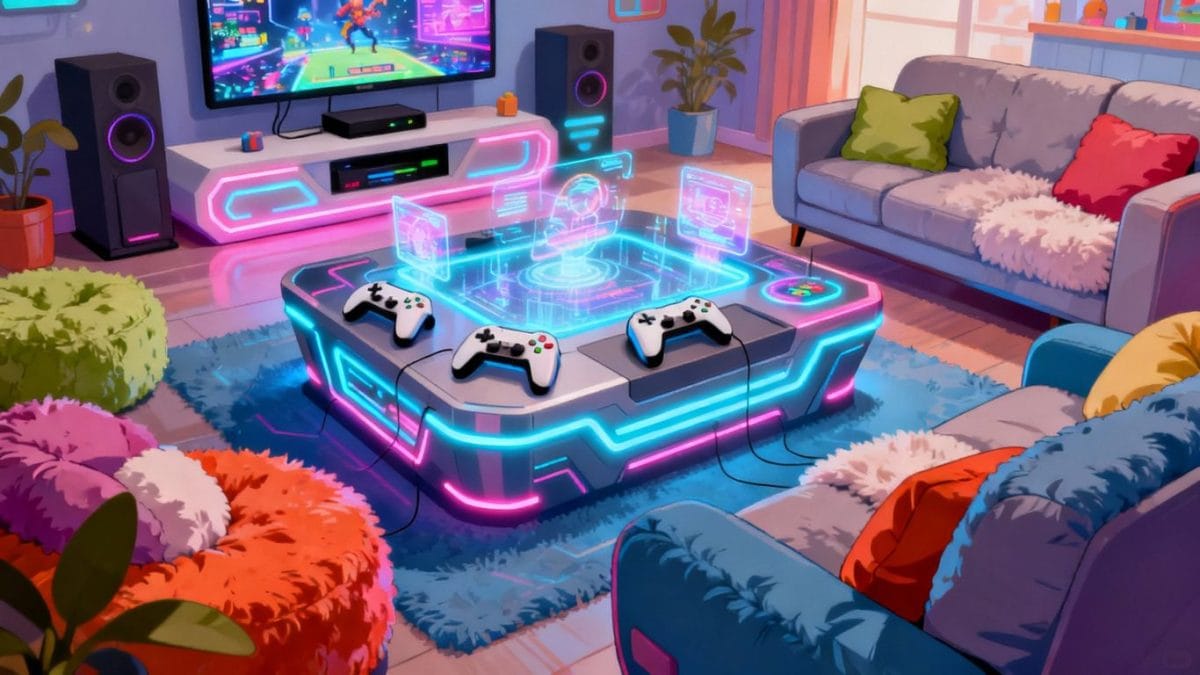
The living room is where everyone hangs out, right? And smack in the middle of it all is usually the entertainment unit center. It’s not just for the TV anymore; it’s become the main spot for all our gadgets, movies, and even just a place to show off cool stuff. Forget those old, clunky units. We’re talking about making a modern entertainment unit center that actually looks good and works for you. This guide will walk you through how to get that done, step by step, so your living room feels just right.
Key Takeaways
- Think about what you need your entertainment unit center to do: store things, display items, or just hold the TV. Measure your space carefully before you start looking.
- Modern designs focus on clean lines and being practical. Pick a style that fits your home, whether it’s simple and sleek or has a bit more flair.
- Plan where everything will go, including your TV, consoles, and any decor. Good storage, like shelves and cabinets, keeps things tidy.
- Hide those messy wires! Look for units with built-in cable management or plan your own way to keep cords out of sight.
- Your entertainment unit center should match the rest of your living room. Consider the size, color, and overall feel to make the whole room look put together.
Understanding Modern Entertainment Center Design Principles
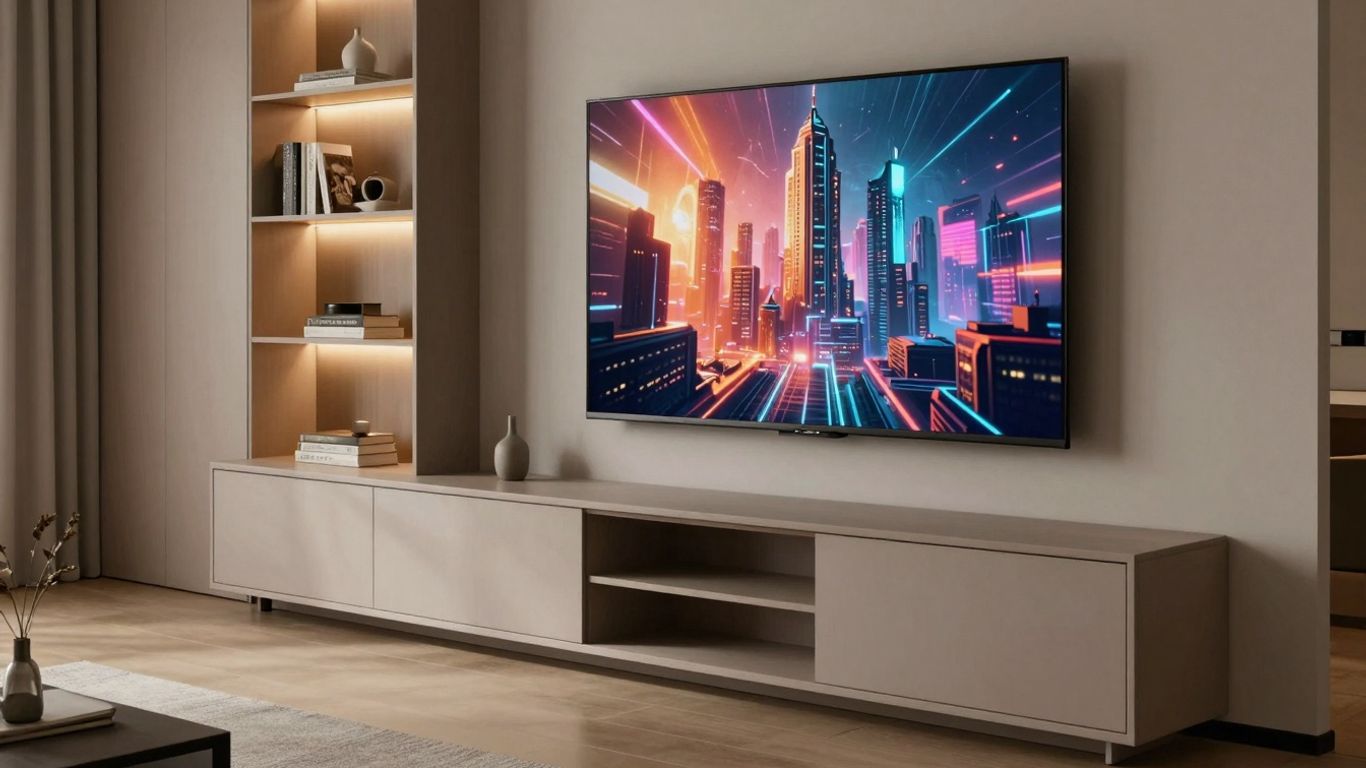
The living room is often seen as the heart of the home, and at its center, the entertainment unit plays a starring role. Gone are the days of bulky, one-size-fits-all furniture. Modern design principles focus on creating units that are not only functional but also aesthetically pleasing, fitting seamlessly into your living space. The core idea is that every element should serve a purpose, blending utility with good looks.
Defining Modern Aesthetics
Modern design is characterized by clean lines, uncluttered surfaces, and a focus on functionality. It often incorporates natural materials and a neutral color palette, creating a sense of calm and order. Think sleek profiles, geometric shapes, and an absence of excessive ornamentation. The goal is to create a space that feels open, airy, and sophisticated.
Functionality and Form
In modern design, the shape of an object is directly related to its use. This means an entertainment unit should not just look good; it must also work well for your specific needs. This includes providing adequate space for your television, media devices, and storage, all while maintaining a visually appealing structure. The best modern entertainment units are those where form truly follows function.
Types of Modern Entertainment Units
Modern entertainment units come in various forms, each offering different benefits:
- TV Stands: These are typically low-profile units designed to hold a television. They often feature open shelving or drawers for media components and accessories, offering a simple and clean look.
- Wall Units: These are larger, often modular systems that can span an entire wall. They combine shelving, cabinets, and open spaces to create a comprehensive entertainment hub, maximizing storage and visual impact.
- Floating Units: These units are mounted directly to the wall, creating a sense of lightness and making the floor space underneath appear more open. They are excellent for smaller rooms or for achieving a minimalist aesthetic.
When planning your entertainment unit, consider how you use your space. Do you need lots of storage for games and movies, or is a minimalist setup more your style? Thinking about these practicalities first will help you choose a design that works for you.
Choosing the right type depends on your room size, storage needs, and overall design vision. Each type can be adapted to fit modern aesthetic principles, providing a stylish and practical solution for your home entertainment needs.
Planning Your Dream Entertainment Unit Center
Before you start picking out finishes or deciding on the exact placement of your TV, it’s important to take a step back and really think about what you need and what will work best in your space. This planning phase is where you lay the groundwork for a unit that’s not just good-looking, but also super practical for your everyday life.
Assessing Your Space and Needs
First things first, you need to get a good handle on the room itself. Grab a tape measure and figure out the exact dimensions of the wall where your entertainment unit will go. Don’t forget to note any windows, doors, or built-in features that might get in the way or that you want to work around. Think about the size of your television and any other media devices you plan to connect, like gaming consoles, soundbars, or streaming boxes. It’s also a good time to consider what you actually need to store. Are you a collector of DVDs? Do you have a lot of books or decorative items you want to display? Jotting these things down will give you a clearer picture of the scale and functionality required.
Choosing the Right Design Style
Now that you know the practical stuff, let’s talk about looks. What’s the overall vibe of your living room? Are you going for something sleek and modern with clean lines, or do you prefer a more traditional, cozy feel? Your entertainment unit should fit in with the rest of your decor. You might lean towards a minimalist appearance, or perhaps something more ornate. Think about materials too – wood, metal, glass, or a combination? The goal is to select a style that complements your existing furnishings and reflects your personal taste. For inspiration on different styles, you might find it helpful to look at examples of modern TV stands.
Determining Layout and Storage Requirements
With your space and style in mind, you can start sketching out a layout. Consider how you want your components arranged. Do you need open shelving for easy access to gaming consoles, or would closed cabinets be better for hiding away clutter like cables and remotes? Think about the depth and height of shelves to make sure everything fits comfortably. It’s also wise to plan for future needs. Maybe you’ll get a bigger TV down the line, or perhaps a new gaming system. Planning for flexibility now can save you headaches later.
Here’s a quick checklist to help you think through storage:
- Media Devices: Consoles, Blu-ray players, streaming sticks.
- Accessories: Remotes, controllers, cables, chargers.
- Media Collection: DVDs, Blu-rays, video games.
- Decor: Photos, books, plants, art pieces.
- Other Items: Board games, blankets, or anything else you want nearby.
Planning ahead for storage needs prevents future clutter and ensures your entertainment unit remains functional and tidy for years to come. It’s about creating a system that works for you, not against you.
Integrating Technology and Media
Seamless Cable Management Solutions
Dealing with a spaghetti tangle of wires behind your TV can really ruin the look of a nice entertainment unit. Good cable management is key to a clean, modern setup. Think about units that have built-in channels or holes specifically for running cables. Some even come with little clips or ties to keep things organized. If your unit doesn’t have these, you can easily add them yourself. Look for solutions like cable raceways that stick to the wall or floor, or cable sleeves that bundle everything together. Having a few extra power outlets built into the unit itself can also cut down on the number of plugs you need to hide.
Accommodating Multimedia Devices
Your entertainment unit needs to fit all your gear. This means thinking about the size of your TV, gaming consoles, streaming boxes, and any other gadgets you use. Make sure there’s enough space not just for the devices themselves, but also for airflow. Electronics can get pretty warm, and good ventilation stops them from overheating. Measure your devices before you buy or build your unit. You’ll want shelves that are deep enough and tall enough, and cabinets that can house everything without looking crammed.
Incorporating Sound Systems
Sound is a big part of the entertainment experience. Many modern entertainment units are designed with sound in mind. Some have open shelving perfect for soundbars, while others might have specific compartments for surround sound speakers. You can also find units with built-in speaker grilles that hide the speakers while still letting the sound through. If you’re going for a more immersive audio setup, consider how you’ll place your speakers and if the unit’s design can help direct the sound effectively into the room. It’s all about making sure the technology works with the furniture, not against it.
Elevating Your Entertainment Unit Center with Custom Features
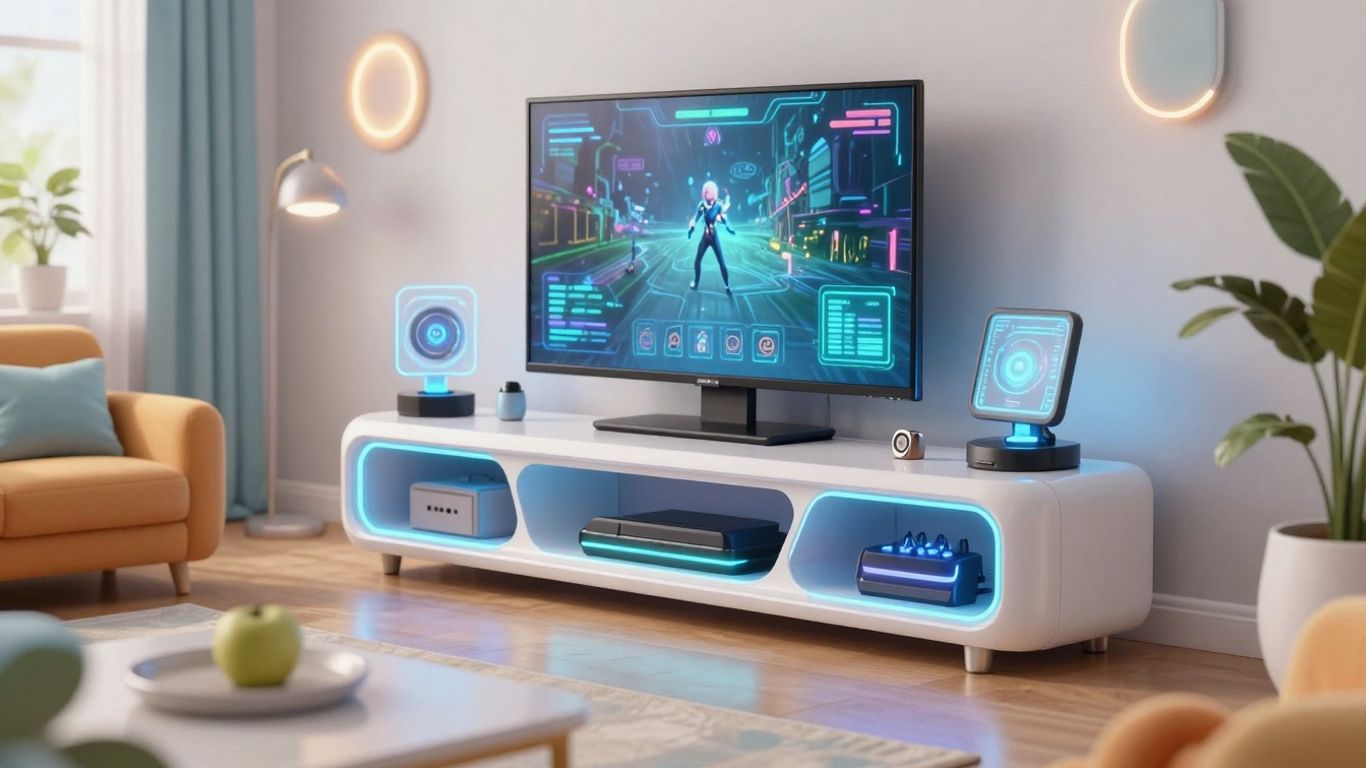
Beyond the standard options, custom features can truly make your entertainment unit a standout piece in your living room. Think about what would make your space more functional and visually appealing. The real magic happens when you tailor the unit to your specific lifestyle and aesthetic preferences.
The Appeal of Built-In Units
Built-in entertainment units offer a polished, high-end look that freestanding furniture often can’t match. They are designed to blend with your home’s architecture, creating a cohesive feel. These units make excellent use of wall space, providing ample storage and display areas without taking up extra floor space. They are particularly good at hiding wires and clutter, leading to a cleaner, more organized room. However, it’s worth noting that built-ins are permanent fixtures, which means less flexibility if you decide to reconfigure your room layout later. They also might not add as much monetary value to your home as a kitchen renovation, for example.
Adding Fireplace Elements
Integrating a fireplace into your entertainment unit can transform your living room into a cozy haven. You have a few options here:
- Electric Fireplaces: These are generally easier to install and offer convenient controls. They provide visual warmth without the need for a chimney.
- Gas Fireplaces: For a more authentic flame experience, gas fireplaces are a great choice. They still offer more convenience than wood-burning options.
- Ethanol Fireplaces: These offer a real flame and don’t require a chimney or gas line, but they do need regular fuel refills.
When planning, consider the size and style of the fireplace to ensure it complements the overall design of your entertainment unit and the room itself. It’s a great way to create a focal point that’s both functional and inviting.
Personalizing with Materials and Finishes
Customization extends to the very materials and finishes you choose. This is where you can really inject your personality into the unit. Think about:
- Wood: From rich walnuts and oaks to lighter maples, wood offers warmth and classic appeal. Consider stained or painted finishes.
- Laminates and Veneers: These can mimic the look of real wood at a more budget-friendly price point and offer durability.
- Metal Accents: Brushed nickel, matte black, or even brass can add a modern or industrial touch.
- Glass: Used for doors or shelves, glass can make the unit feel lighter and showcase items within.
Selecting the right combination of materials and finishes is key to achieving a look that feels both sophisticated and personal. It’s about creating a piece that not only houses your electronics but also reflects your individual style and enhances the overall atmosphere of your living space. Think about how the textures and colors will interact with your existing decor and lighting.
When considering technology integration, remember that staying updated with the latest advancements is important. You can find many solutions for modern entertainment setups that blend style and function.
Optimizing Your Entertainment Unit Center for Functionality
Making your entertainment unit work for you is about more than just looking good. It needs to handle all your gear, keep things tidy, and make your life easier. Let’s break down how to get the most out of its practical side.
Strategic Storage Solutions
Clutter can quickly make even the most stylish living room feel chaotic. Smart storage is key to keeping your media devices, games, movies, and accessories organized and out of sight. Think about what you need to store and how often you access it. This will help you decide between open shelving for frequently used items and closed cabinets or drawers for things you want to keep tucked away.
- Closed Cabinets: Ideal for hiding away cables, game consoles, or less attractive media. They help maintain a clean look.
- Open Shelves: Great for displaying books, decorative items, or frequently used remotes. Just be mindful of dust.
- Drawers: Perfect for smaller items like game controllers, batteries, or instruction manuals.
- Adjustable Shelving: Offers flexibility to accommodate items of different heights, from large speaker systems to smaller media players.
Balancing Visual Appeal and Practicality
It’s easy to get caught up in making your entertainment unit a showpiece, but its primary job is to be functional. This means thinking about how you actually use the space. For instance, placing your TV at the right height is important for comfortable viewing. You don’t want to be craning your neck or looking too far down. Also, consider how easy it is to access different components. A well-designed unit makes using your technology effortless.
The goal is to create a space that is both a joy to look at and a pleasure to use. Every element should serve a purpose, whether it’s holding your favorite Blu-rays or providing a stable platform for your soundbar.
Ensuring Proper Ventilation for Electronics
Modern electronics, especially gaming consoles and high-definition receivers, can generate a surprising amount of heat. If these components are crammed into a tight, enclosed space without airflow, they can overheat, leading to performance issues or even damage. When planning your unit, make sure there are adequate openings or vents, especially in the back of cabinets where electronics will be housed. This allows heat to escape and cool air to circulate, keeping your devices running smoothly. You might consider units with built-in ventilation fans or simply ensure there’s enough space around each device for air to move freely. This is a small detail that can make a big difference in the longevity of your tech. For more ideas on integrating technology, check out modern entertainment centers.
Enhancing the Ambiance of Your Entertainment Space
Your entertainment unit is more than just a place for your TV and gadgets; it’s a focal point that can greatly influence the mood of your entire living room. Thinking about how it feels to be in the space, not just how it looks, makes a big difference. Let’s explore ways to make your entertainment area truly inviting and comfortable.
The Role of Lighting
Lighting is a powerful tool for setting the mood. Think about different types of light and when you might use them. For movie nights, softer, indirect lighting is best. You can achieve this with dimmable lamps placed on shelves or behind the unit to cast a gentle glow. Accent lighting, like small LED strips tucked under shelves or around the TV frame, can add a modern touch and highlight decorative items. During the day, or when you need more light for reading or games, ensure there’s enough ambient light from overhead fixtures or floor lamps.
- Ambient Lighting: General illumination for the room.
- Task Lighting: Focused light for activities like reading.
- Accent Lighting: Highlights specific features or decor.
- Decorative Lighting: Adds visual interest, like string lights or unique lamps.
Creating Comfortable Seating Arrangements
How you arrange your seating directly impacts the social feel of the room. While facing everything towards the TV is common, consider angling seating slightly towards each other. This encourages conversation when the TV is off and creates a more connected atmosphere.
Arranging furniture to promote interaction, rather than solely focusing on the screen, can transform a passive viewing space into a more social hub. Even small adjustments, like turning a chair slightly inward, can make a noticeable difference in how people connect within the room.
Think about the flow of traffic around the seating and the entertainment unit. You want people to be able to move easily without bumping into things. Consider adding a cozy rug to define the seating area and make it feel more intimate.
Showcasing Decor and Personal Touches
This is where you make the space truly yours. Open shelves or glass-front cabinets within or around your entertainment unit are perfect for displaying items that reflect your personality.
- Family Photos: Framed pictures add warmth and memories.
- Books and Collectibles: Arrange books by color or size, and display interesting objects you’ve collected.
- Plants: Small potted plants can add life and color. Be mindful of light needs.
- Art Pieces: Small sculptures or decorative items can add visual interest.
Don’t forget about practical decor. A stylish blanket ladder with soft throws and decorative pillows on the sofa can add texture and comfort, making the space feel more lived-in and welcoming. Even small details like decorative candle holders or a unique vase can contribute to the overall ambiance.
Achieving a Cohesive Living Room Design
Your entertainment unit is more than just a place for your TV; it’s a central piece that needs to fit in with the rest of your living room. Making it look like it belongs, rather than just being plopped in, is key to a good-looking space. It’s about making sure everything works together, from the colors to the furniture.
Integrating the Entertainment Center with Existing Decor
Think about the colors and materials already in your room. If you have a lot of warm wood tones, a dark, glossy entertainment unit might feel out of place. Likewise, if your walls are a bold color, a very busy entertainment unit could clash. Try to pick a unit that uses similar finishes or colors to your other furniture, like your coffee table or bookshelves. This creates a visual link. For example, if your sofa has a neutral fabric, consider an entertainment unit in a natural wood finish or a muted tone that complements it.
- Color Matching: Aim for finishes that are similar to or complement your existing furniture. A neutral palette often works well for broad appeal.
- Material Harmony: If you have metal accents elsewhere, consider incorporating them into your entertainment unit’s design. Wood grains should ideally match or contrast intentionally.
- Style Alignment: Ensure the unit’s style (modern, traditional, rustic) aligns with your room’s overall theme.
Considering Scale and Proportion
It’s easy to get an entertainment unit that’s either too big or too small for the room. A massive unit can make a small room feel cramped, while a tiny one can get lost in a large space. The TV size also plays a role here. The unit should be wider than your TV, usually by a few inches on each side, to look balanced. Think about how much wall space you have and how much of it you want the unit to take up. A good rule of thumb is that the entertainment unit should take up about two-thirds of the wall space where it’s located.
The right scale makes a room feel comfortable and well-proportioned. Too much or too little can throw off the entire feel of the space.
Maintaining Flow and Balance in the Room
How does the entertainment unit affect how you move around the room? It shouldn’t block pathways or make it hard to get to other areas. Arrange your seating so that it’s comfortable for watching TV but also allows for conversation when the TV is off. Sometimes, facing seating slightly away from the TV can encourage more interaction. The unit itself should also feel balanced. If it’s very heavy on one side with lots of storage, balance it with some open shelving or decorative items on the other side. This visual weight distribution makes the whole setup look more pleasing and less lopsided.
- Traffic Flow: Ensure clear pathways around the unit and seating area.
- Visual Weight: Distribute visual elements evenly across the unit and surrounding space.
- Seating Arrangement: Position furniture to facilitate both TV viewing and social interaction.
Bringing It All Together
So, we’ve walked through how to design an entertainment unit that’s more than just a place for your TV. It’s about creating a functional, stylish centerpiece for your living room. Remember to think about your space, your needs, and your personal style. Whether you’re going for sleek and modern or something a bit more cozy, the right entertainment unit can really make your living room feel complete. Have fun with it, get creative, and build a space you’ll love spending time in.
Frequently Asked Questions
What’s the main idea behind modern entertainment center designs?
Modern designs focus on looking clean and simple, with everything having a purpose. It’s all about making things look good while also being super useful, not just adding bulky furniture.
How do I figure out the best size and layout for my entertainment center?
First, measure the space where you want the unit. Think about the size of your TV and all the gadgets you need to store, like game consoles or movies. Then, sketch out a plan that fits your room and holds everything you need, like shelves and cabinets.
Why is cable management so important for an entertainment center?
Tangled wires can make your entertainment area look messy and unfinished. Good cable management hides these cords, making the whole setup look neat and stylish, so you can focus on your shows or games.
Can I add a fireplace to my entertainment center?
Yes, you absolutely can! Adding a fireplace to your entertainment unit can make your living room feel extra cozy and stylish. You can choose between electric or gas fireplaces to match your home’s look.
How can I make my entertainment center look good and still be practical?
The trick is to find a balance. Make sure it looks nice with cool materials and finishes, but also include plenty of storage for your stuff. Think about where you’ll put your electronics so they have enough air to stay cool.
What’s the best way to make my entertainment area feel welcoming?
Use lighting to set the mood – maybe soft lights for movie nights. Arrange your seating so everyone can see the screen comfortably. Add some personal touches like photos or decorations to make the space feel like yours.