
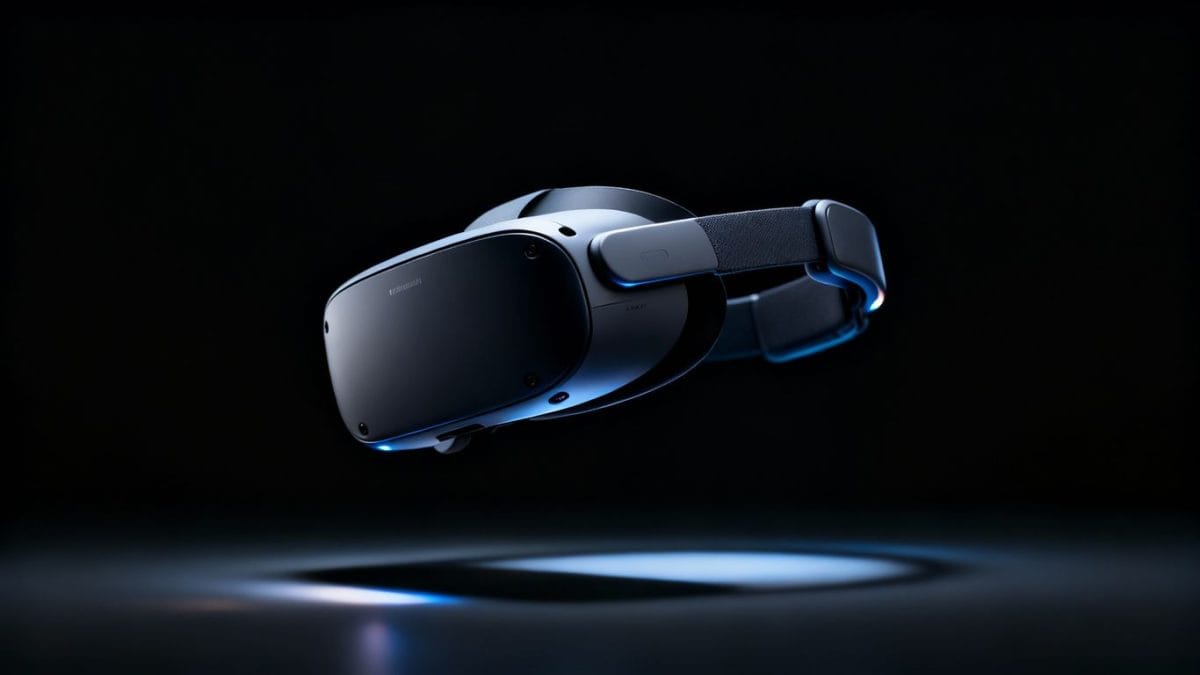
Meta has reportedly delayed its highly anticipated ultralight headset, originally slated for a 2026 release, pushing its launch to the first half of 2027. This strategic shift allows the company to concentrate on developing the next-generation, gaming-focused Quest 4. Leaked internal memos indicate a renewed emphasis on core VR gaming experiences and improving the financial viability of Meta’s Reality Labs division.
Key Takeaways
- Meta’s ultralight headset, codenamed Puffin, Phoenix, or Loma, is now targeted for release in the first half of 2027.
- The Quest 4 will prioritize immersive gaming and significant upgrades over the Quest 3.
- Meta aims to improve unit economics for the Quest 4, potentially ending the strategy of heavily subsidizing devices.
- A "limited edition" wearable device, codenamed Malibu 2, is expected in 2026, possibly related to Prada Meta Glasses.
Ultralight Headset Pushed Back
The ultralight headset, designed for virtual screens and seated use cases, has faced delays. Internal memos suggest that pushing its release to 2027 will provide more time to refine the user experience and ensure a polished, reliable product. While "Quest Air" has been floated as a potential name, the final branding remains uncertain. This delay also impacts the timeline for a traditional Quest 4, which may now arrive as late as 2028.
Quest 4 Prioritizes Gaming and Profitability
Work has officially begun on the Quest 4, which is expected to be a substantial leap forward from the Quest 3, particularly for gaming enthusiasts. A key objective for this new headset is to "significantly improve unit economics." This suggests Meta is moving away from its previous strategy of deep subsidies for its VR hardware, aiming to make the Reality Labs division more financially sustainable. This focus aligns with Meta’s recent announcement of shifting investment towards AI glasses and other wearables.
Shifting Priorities and Future Outlook
The decision to delay the ultralight headset and accelerate work on the Quest 4 comes after previous cancellations of planned 2026 Quest 4 and Quest 4S models. Meta’s hardware roadmap is known for its fluidity, with frequent changes and cancellations. The company is emphasizing focus on existing plans for the ultralight headset rather than adding new features. The ultimate goal for Reality Labs appears to be a transition towards profitability, with the Quest 4 playing a crucial role in this strategy.