

Man, esports prize pools. They’ve really blown up, haven’t they? I remember seeing someone win a huge chunk of change playing video games years ago, and I thought that was wild. Now, in 2025, it’s a whole different ballgame. We’re talking about players who are basically celebrities, raking in cash from tournaments, salaries, sponsorships, and all sorts of other stuff. If you’re curious about who’s making the most, which games are paying out the big bucks, and what the trends are, you’ve come to the right spot. Let’s break down how these esports pros are earning their millions.
Key Takeaways
- Dota 2 consistently leads in esports prize pools, largely due to its massive annual tournament, The International.
- While Dota 2 has the biggest single prize pools, games like Counter-Strike 2 and League of Legends distribute more money across a variety of events throughout the year.
- Top esports players earn money from multiple sources, including tournament winnings, team salaries, sponsorships, and streaming revenue.
- The gap between the highest-earning players and the average professional is widening, making it harder for mid-tier players to make a living.
- Esports continues to grow, with increasing investments, sponsorships, and a larger audience, suggesting that prize pools and player earnings will likely keep climbing.
1. Understanding Esports Earnings in 2025
The world of competitive video gaming, or esports, has seen a massive surge in prize money and player earnings over the past few years. It’s not just a hobby anymore; for many, it’s a full-time career with significant financial rewards. By 2025, the landscape of esports earnings has transformed into a complex ecosystem where top players and teams can achieve remarkable financial success.
The sheer scale of prize pools in major tournaments has grown exponentially, making esports a legitimate contender in the professional sports world. This growth isn’t solely driven by tournament winnings, though. Elite players now benefit from multiple income streams, including:
- Team Salaries: Professional organizations offer competitive salaries, often reaching six or even seven figures annually for top talent.
- Sponsorships: Brands across various industries, from tech and energy drinks to apparel, invest heavily in sponsoring players and teams.
- Streaming and Content Creation: Many players supplement their income through live streaming on platforms like Twitch and creating video content for YouTube.
- Merchandise: Successful players and teams often have their own branded merchandise, adding another revenue stream.
This multi-faceted approach to income allows the highest earners to build substantial wealth and personal brands that extend far beyond their in-game performance.
The professionalization of esports means that success is no longer just about skill; it’s also about building a personal brand, engaging with fans, and managing multiple revenue opportunities effectively. This shift has legitimized esports as a viable career path for a new generation of athletes.
Understanding these different avenues is key to grasping the full financial picture of professional esports in 2025. We’ll explore which games offer the biggest payouts and who the top earners are in the following sections.
2. Which Games Pay the Most?
When we talk about the big money in esports, certain games consistently stand out. It’s not just about how many people play a game, but also how that game’s competitive scene is structured, especially when it comes to prize pools.
Dota 2 often takes the crown for the largest single prize pools, primarily due to its unique crowdfunding model for The International. This event alone can generate prize money well over $40 million, with a significant portion coming directly from the player base through in-game purchases. This makes it a standout for massive, top-tier payouts.
However, other games distribute substantial amounts of money across a larger number of events throughout the year. Titles like Counter-Strike 2, League of Legends, and Fortnite have robust annual circuits with numerous tournaments, each offering significant prize money. While individual event payouts might not always reach Dota 2’s peak, the consistent flow of prize money across many competitions means players in these titles can also achieve very high earnings over a season.
Here’s a general look at how prize money distribution tends to break down:
- Dota 2: Extremely high prize pools concentrated in one major annual event (The International).
- League of Legends: Large, consistent prize pools across regional leagues and a global championship (Worlds).
- Counter-Strike 2: Numerous franchised leagues and third-party tournaments with substantial prize money distributed throughout the year.
- Fortnite: Significant prize pools for major events, often tied to its battle royale format and creator ecosystem.
- Rocket League: Growing prize pools across its professional league and international championships.
It’s also important to remember that prize money isn’t the only source of income. Games with strong team salary structures and lucrative sponsorship opportunities, like League of Legends, can see players earning more from their contracts and endorsements than from tournament winnings alone. This creates a complex picture where the ‘highest paying’ game can depend on whether you’re looking purely at prize pools or total compensation.
While Dota 2’s "The International" often grabs headlines for its colossal prize pool, the consistent distribution of funds across multiple events in games like League of Legends and Counter-Strike 2 means players in those titles can also achieve remarkable financial success through a steady stream of tournament earnings and organizational support.
3. Dota 2 Prize Pool Analysis
When it comes to esports prize pools, Dota 2 consistently stands out. This multiplayer online battle arena (MOBA) game, developed by Valve, has a long history of offering some of the largest prize sums in competitive gaming, largely driven by its flagship annual tournament, ‘The International’.
In the first half of 2025, Dota 2 led the pack with a cumulative prize pool of approximately $6.84 million. This figure significantly outpaced its closest competitor, Counter-Strike 2, which registered around $4.93 million in the same period. This trend highlights Dota 2’s enduring appeal and its ability to attract substantial prize money.
Here’s a look at the top games by cumulative prize pool for 2025 year-to-date:
- Dota 2: $6.84 million
- Counter-Strike 2: $4.93 million
- Rocket League: $2.82 million
- Apex Legends: $2.00 million
- Street Fighter 6: $1.33 million
- League of Legends: $1.27 million
- Fortnite: $0.61 million
- EA Sports FC 25: $0.53 million
- Pokémon Unite: $0.29 million
- Age of Empires 2: $0.23 million
The structure of Dota 2’s prize pools, particularly the community-funded aspect of ‘The International’ through in-game purchases, plays a big role in its massive payouts. This model allows fans to directly contribute to the prize pool, fostering a strong connection between the players, the game, and its audience.
The consistent dominance of Dota 2 in prize pool figures is a testament to its established competitive scene and the unique funding mechanisms that support its major tournaments. This approach not only generates significant financial rewards but also strengthens the game’s community engagement.
While other games are certainly growing their prize pools, Dota 2’s established presence and dedicated player base continue to make it a benchmark for high-stakes esports competition.
4. Counter-Strike 2 Prize Pool Analysis
Counter-Strike 2, a titan in the first-person shooter genre, continues to command a significant presence in the esports landscape. While it might not always reach the astronomical heights of Dota 2’s prize pools, CS2 consistently ranks among the top contenders for tournament winnings. Its enduring appeal lies in its competitive depth and the high stakes associated with major tournaments.
In 2025, Counter-Strike 2 has seen substantial prize pools, reflecting its dedicated player base and the robust tournament circuit organized by Valve and third-party organizers. The game’s ecosystem thrives on a series of premier events, including Majors and various third-party leagues, which collectively contribute to its impressive total prize money.
Here’s a look at how Counter-Strike 2’s prize pools stacked up against other leading esports titles for the year to date:
- Dota 2: $6.84 million
- Counter-Strike 2: $4.93 million
- Rocket League: $2.82 million
- Apex Legends: $2.00 million
- Street Fighter 6: $1.33 million
The structure of CS2’s prize money distribution often favors top-tier teams and players, with a significant portion of the total pool allocated to winners and finalists of major championships. This competitive structure incentivizes teams to perform at their peak throughout the season.
The consistent performance of Counter-Strike 2 in prize pool rankings highlights the game’s established position. Its blend of strategic gameplay and precise mechanics makes it a spectator favorite and a lucrative title for professional players.
Key factors contributing to CS2’s prize pool strength include:
- Major Tournaments: Valve-sponsored Majors consistently offer multi-million dollar prize pools, drawing global attention.
- Third-Party Events: Numerous other leagues and tournaments throughout the year add to the overall prize money available.
- Sponsorship and Investment: Growing interest from sponsors and investors continues to bolster the financial rewards in the CS2 scene.
5. Rocket League Prize Pool Analysis
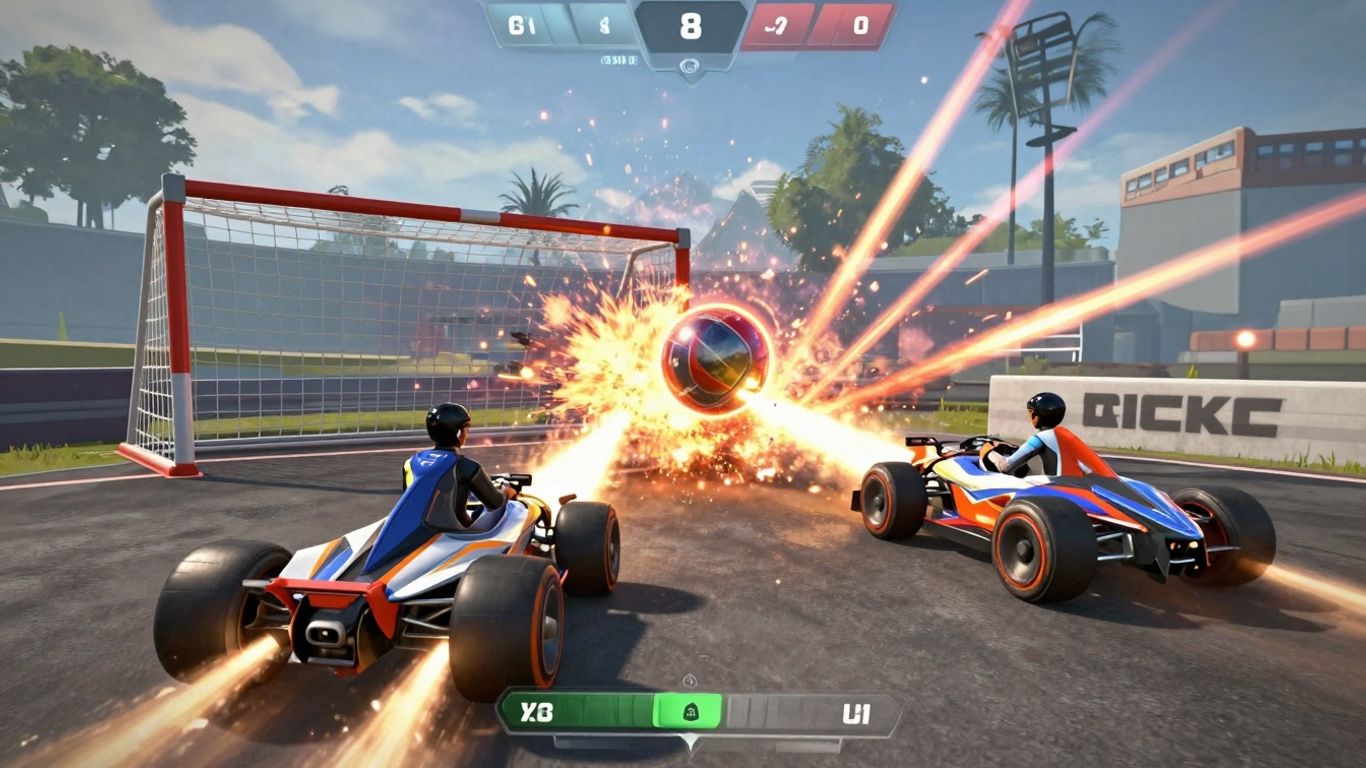
Rocket League, the unique car-soccer hybrid, continues to carve out a significant space in the esports landscape. While it might not always grab the headlines like some of the titans in the MOBA or FPS genres, its prize pools have shown steady growth and offer a compelling look at a different segment of competitive gaming.
In 2025, Rocket League’s cumulative tournament prize pool has reached a notable figure, placing it firmly among the top-earning esports. This consistent performance is a testament to the game’s engaging gameplay and the dedicated community that supports its professional scene.
Here’s a snapshot of Rocket League’s prize pool standing for 2025 year-to-date:
| Game | Total Prize Pool (Million USD) |
|---|---|
| Dota 2 | 6.84 |
| Counter-Strike 2 | 4.93 |
| Rocket League | 2.82 |
| Apex Legends | 2.00 |
| Street Fighter 6 | 1.33 |
As you can see, Rocket League sits comfortably in third place among the games listed, demonstrating a healthy and competitive environment. The $2.82 million figure represents the total prize money awarded across all major tournaments so far this year.
The structure of Rocket League’s competitive circuit, often featuring regional leagues culminating in global championships, helps to distribute prize money effectively. This approach supports a wider range of professional players and teams, contributing to the game’s sustained popularity.
The consistent performance of Rocket League in prize pool rankings highlights the appeal of its accessible yet high-skill ceiling gameplay. Its unique blend of vehicular action and sports simulation continues to draw both players and viewers, solidifying its place in the esports ecosystem.
6. Apex Legends Prize Pool Analysis

Apex Legends has carved out a significant space in the competitive gaming scene, and its prize pools reflect that growing popularity. While not reaching the astronomical heights of Dota 2, Apex Legends consistently offers substantial rewards for its top players and teams.
In 2025, the cumulative prize money for Apex Legends tournaments has reached a notable figure, placing it among the leading esports titles. This indicates a healthy and active competitive ecosystem.
Here’s a look at how Apex Legends stacks up against other major esports titles in terms of prize money awarded year-to-date:
- Dota 2: $6.84 million
- Counter-Strike 2: $4.93 million
- Rocket League: $2.82 million
- Apex Legends: $2.00 million
- Street Fighter 6: $1.33 million
The structure of Apex Legends tournaments often involves a mix of regional leagues and global championships. The ALGS (Apex Legends Global Series) is the premier circuit, and its year-end championship typically boasts the largest prize pool, drawing in the best teams from around the world. The distribution of prize money within these events is usually tiered, with the winning teams taking home the largest share, and progressively smaller amounts for lower-ranked teams.
While the total prize pool for Apex Legends in 2025 is around $2 million, it’s important to remember that this figure represents only tournament winnings. Many professional Apex Legends players also earn significant income through salaries from their organizations, sponsorships, and streaming revenue. These additional income streams can often surpass their competitive earnings, making the overall financial picture for top players quite robust.
7. Street Fighter 6 Prize Pool Analysis
Street Fighter 6, a relatively new contender in the fighting game community, has quickly carved out a significant space for itself in the esports landscape. While it might not yet command the colossal prize pools seen in MOBAs or FPS titles, its growth trajectory is certainly one to watch.
As of mid-2025, Street Fighter 6 has accumulated a total prize pool of approximately $1.33 million across all its tournaments. This figure places it firmly within the top tier of fighting games, demonstrating a healthy and active competitive scene.
Here’s a look at how Street Fighter 6 stacks up against other major esports titles in terms of prize money for 2025 year-to-date:
- Dota 2: $6.84 million
- Counter-Strike 2: $4.93 million
- Rocket League: $2.82 million
- Apex Legends: $2.00 million
- Street Fighter 6: $1.33 million
- League of Legends: $1.27 million
- Fortnite: $0.61 million
- EA Sports FC 25: $0.53 million
- Pokémon Unite: $0.29 million
- Age of Empires 2: $0.23 million
The fighting game genre, with Street Fighter 6 at its forefront, often relies on a combination of developer support and community-driven events to build its prize pools. The success of major tournaments like the Capcom Cup, which is the culmination of the year’s competitive circuit, plays a huge role in attracting both players and viewers, thereby increasing the overall prize money available.
While the $1.33 million might seem modest compared to giants like Dota 2, it’s important to remember the different ecosystems. Fighting games often have a more grassroots feel, with many smaller, yet significant, tournaments contributing to the overall pot. The continued engagement from both veteran players and newcomers suggests that Street Fighter 6’s prize pools are likely to see continued growth in the coming years.
8. League of Legends Prize Pool Analysis
League of Legends, a titan in the esports world, presents an interesting case when we look at prize pools. While it boasts a massive player base and a highly structured professional league system, its prize money figures don’t always reach the astronomical heights seen in some other titles. In 2025 year-to-date, League of Legends has accumulated around $1.27 million in tournament prize money, placing it below games like Dota 2, Counter-Strike 2, and Rocket League in this specific metric.
This doesn’t mean League of Legends players aren’t earning big, though. The game’s financial ecosystem is heavily influenced by other factors:
- Team Salaries: Professional League of Legends organizations, especially in major regions like Korea, China, Europe, and North America, offer substantial salaries to their players. These salaries often far exceed tournament winnings.
- Sponsorships and Endorsements: Top players and teams secure lucrative deals with various brands, contributing significantly to their overall income.
- Streaming and Content Creation: Many players maintain popular streaming channels and create content, generating additional revenue streams.
The structure of League of Legends esports, with its franchised leagues and emphasis on team stability, means that consistent income through salaries and sponsorships is often prioritized over massive, unpredictable tournament prize pools.
Consider the difference in how earnings are tracked. While prize pool data is publicly available, player salaries and individual sponsorship deals are often private. This means that while League of Legends might rank lower in raw prize money compared to games like Dota 2 (which is famous for its crowd-funded prize pools via battle passes), its top players can still be among the highest earners in esports when all income sources are considered.
The financial landscape for League of Legends professionals is complex. While tournament winnings are a visible part of the pie, they represent only one slice. The bulk of earnings for many elite players comes from stable team salaries and individual brand partnerships, reflecting the game’s mature and structured professional scene.
For instance, players like Faker have accumulated significant prize money over their careers, but their total earnings, including their long-term contracts with T1 and various endorsements, are substantially higher. This trend highlights a broader shift in esports, where consistent, professionalized income streams are becoming as important, if not more so, than the fluctuating prize money from tournaments.
9. Fortnite Prize Pool Analysis
Fortnite, the battle royale phenomenon, continues to be a significant player in the esports landscape, though its prize pools have seen some shifts. While it might not always top the charts like Dota 2, the game consistently draws massive viewership and offers substantial rewards for its top competitors.
In 2025, Fortnite’s competitive scene is still active, with various tournaments and events contributing to its overall prize money. The game’s unique building mechanics and frequent updates keep the gameplay fresh, attracting both new players and seasoned pros. This dynamic environment naturally leads to exciting tournaments with prize pools that, while perhaps not reaching the astronomical figures of some other titles, are still very respectable.
Here’s a look at how Fortnite’s prize pools have been shaping up:
- The Fortnite World Cup: While its initial massive prize pool set a high bar, subsequent major events have adjusted their prize structures. The focus has shifted towards a more consistent stream of tournaments throughout the year.
- Third-Party Organizers: Many third-party organizers host Fortnite tournaments, contributing to the overall prize money available. These events often cater to different skill levels and regions.
- Epic Games’ Support: Epic Games, the developer, plays a role in supporting the competitive ecosystem, often through direct funding or in-game events that have prize money attached.
Looking at the year-to-date figures for 2025, Fortnite’s cumulative tournament prize pool stands at approximately $0.61 million. This figure places it among the top-tier games but below giants like Dota 2 and Counter-Strike 2 for the same period.
| Game | Total Prize Pool (Million USD) |
|---|---|
| Dota 2 | 6.84 |
| Counter-Strike 2 | 4.93 |
| Rocket League | 2.82 |
| Apex Legends | 2.00 |
| Street Fighter 6 | 1.33 |
| League of Legends | 1.27 |
| Fortnite | 0.61 |
| EA Sports FC 25 | 0.53 |
| Pokémon Unite | 0.29 |
| Age of Empires 2 | 0.23 |
While Fortnite’s prize pools might not always reach the multi-million dollar peaks seen in some other esports titles, its consistent popularity and engagement ensure a healthy competitive scene. The game’s accessibility and broad appeal mean that even with smaller individual tournament prize pools compared to the absolute top earners, the overall ecosystem remains robust and attractive to professional players.
The game’s massive player base and viewership on platforms like Twitch, where it consistently ranks among the most-streamed titles, contribute to its sustained presence in esports. This broad appeal helps attract sponsors and maintain interest, even if the prize money distribution is more spread out across various events rather than concentrated in one or two mega-tournaments.
10. EA Sports FC Prize Pool Analysis
EA Sports FC, the latest iteration in the long-running football (soccer) simulation series, has carved out its own space in the competitive esports landscape. While perhaps not reaching the astronomical prize pools of titans like Dota 2 or Counter-Strike 2, EA Sports FC consistently offers significant rewards for its top players.
In 2025, the competitive scene for EA Sports FC has continued to grow, with various leagues and tournaments contributing to its overall prize money. The game’s accessibility and global appeal translate into a broad player base, which in turn fuels interest in its professional circuits.
Here’s a look at the prize pool distribution for EA Sports FC in the first half of 2025:
| Tournament/League | Cumulative Prize Pool (USD) |
|---|---|
| EA Sports FC Global Series | $350,000 |
| eChampions League | $200,000 |
| Various Regional Cups | $150,000 |
| Total (H1 2025) | $700,000 |
The structure of EA Sports FC tournaments often involves a mix of online qualifiers and live finals, allowing a wide range of talent to compete. The focus is on individual skill and strategic gameplay, mirroring the real-world sport.
The growth of EA Sports FC’s prize pools is directly tied to the increasing popularity of esports globally and the game’s strong connection to one of the world’s most beloved sports. As more fans tune in, sponsors are more likely to invest, further boosting the prize money available.
Key factors influencing the prize pools include:
- Publisher Investment: EA Sports actively supports the competitive scene through direct funding and event organization.
- Sponsorship Deals: Partnerships with non-endemic brands looking to reach a younger, engaged audience.
- Fan Engagement: A dedicated fanbase that watches tournaments and supports professional players.
- Tournament Format: The scale and prestige of individual events, such as the EA Sports FC Global Series, significantly impact the total prize money awarded.
11. Pokémon Unite Prize Pool Analysis
While not reaching the astronomical figures of giants like Dota 2 or Counter-Strike 2, Pokémon Unite has carved out its own space in the esports prize pool landscape. In 2025, the game has seen a steady stream of tournaments contributing to its overall prize money.
Looking at the year-to-date figures for 2025, Pokémon Unite’s cumulative prize pool sits at approximately $0.29 million USD. This places it among the mid-tier games in terms of prize money, but it’s important to remember the game’s relatively recent launch compared to some of the more established titles.
Here’s a snapshot of how Pokémon Unite’s prize pool compares to other popular esports titles in 2025:
| Game | Total Prize Pool (Million USD) |
|---|---|
| Dota 2 | 6.84 |
| Counter-Strike 2 | 4.93 |
| Rocket League | 2.82 |
| Apex Legends | 2.00 |
| Street Fighter 6 | 1.33 |
| League of Legends | 1.27 |
| Fortnite | 0.61 |
| EA Sports FC | 0.53 |
| Pokémon Unite | 0.29 |
| Age of Empires 2 | 0.23 |
The structure of Pokémon Unite tournaments often involves regional leagues and a global championship, which helps to distribute prize money across a wider range of players and teams. The focus for many players is on consistent performance throughout the season rather than a single massive payout, though the top teams do secure significant earnings.
The accessibility of Pokémon Unite, combined with its strong brand recognition, continues to draw in both casual players and aspiring esports professionals. While the prize pools may not yet rival the titans of the industry, the growth trajectory suggests a promising future for competitive play and its associated rewards.
Key factors influencing the prize pool for Pokémon Unite include:
- Developer Support: The level of investment from The Pokémon Company and TiMi Studio Group directly impacts the size of prize pools.
- Tournament Organizers: Partnerships with esports organizations and platforms help fund and promote events.
- Player Base Growth: An expanding and engaged player base attracts viewership and sponsorship, which in turn can increase prize money.
- Regional Competitions: The presence of strong regional circuits provides more opportunities for players to earn rewards.
As the game matures and its esports ecosystem develops, we can anticipate seeing these prize pools continue to grow, offering more substantial rewards for top-tier talent in the Pokémon Unite arena.
12. Age of Empires 2 Prize Pool Analysis
When we look at the big picture of esports prize pools in 2025, Age of Empires 2 might not be at the very top, but it holds a special place for fans of real-time strategy (RTS) games. While games like Dota 2 and Counter-Strike 2 command prize pools in the millions, Age of Empires 2 has carved out its niche, offering respectable amounts for its dedicated competitive scene.
As of mid-2025, the cumulative prize pool for Age of Empires 2 tournaments sits around $0.23 million USD. This figure, while smaller compared to the giants of the esports world, still represents a healthy and active competitive environment.
Here’s a quick look at how Age of Empires 2 stacks up against some other major titles in terms of prize money for 2025 year-to-date:
- Dota 2: $6.84 million
- Counter-Strike 2: $4.93 million
- Rocket League: $2.82 million
- Apex Legends: $2.00 million
- Street Fighter 6: $1.33 million
- League of Legends: $1.27 million
- Fortnite: $0.61 million
- EA Sports FC: $0.53 million
- Pokémon Unite: $0.29 million
- Age of Empires 2: $0.23 million
The consistent presence of Age of Empires 2 in the esports landscape, even with smaller prize pools, highlights the enduring appeal of classic RTS gameplay. Its community actively supports tournaments, ensuring a steady flow of competition and prize money for skilled players.
The game’s longevity is a testament to its strategic depth and the passionate player base that continues to engage with it. Major tournaments, often organized by community groups and supported by sponsors interested in the RTS demographic, provide the bulk of these prize funds. While not reaching the astronomical figures of MOBAs or FPS titles, the Age of Empires 2 scene offers a stable and rewarding environment for its top competitors.
13. Top Esports Players by Earnings
When we talk about the biggest names in esports, it’s not just about who’s winning the most games. It’s also about who’s bringing home the most cash. The landscape of professional gaming has changed a lot, and now, top players are earning serious money, often rivaling traditional athletes. This isn’t just from tournament wins anymore; it’s a mix of salaries, sponsorships, and streaming revenue.
The highest earners in esports have built careers that extend far beyond the game itself. They’ve become brands, attracting deals and fans that translate directly into income. It’s a testament to their skill, dedication, and ability to perform under pressure, year after year.
Here’s a look at some of the players who have reached the pinnacle of esports earnings:
- Johan "N0tail" Sundstein: Often cited as the highest earner, primarily from his incredible success in Dota 2, including multiple wins at The International. His career earnings are substantial, largely driven by massive tournament prize pools.
- Jesse "JerAx" Vainikka: Another Dota 2 legend, JerAx’s earnings also stem from major tournament victories, placing him among the top earners globally.
- Anathan "ana" Pham: Known for his clutch performances in Dota 2, ana has accumulated significant winnings throughout his career.
- Sasha "Scarlett" Hostyn: A trailblazer in StarCraft II, Scarlett stands out as one of the highest-earning female players, proving that top-tier success is achievable across different games and demographics.
It’s important to remember that these figures often represent tournament winnings. When you factor in salaries from organizations, personal sponsorships, and income from streaming platforms like Twitch and YouTube, the total earnings for many top players can be significantly higher. For instance, players like Lee "Faker" Sang-hyeok in League of Legends, while not always at the very top of prize money lists, have immense earning potential through their long-standing careers, team salaries, and endorsements.
The path to becoming a top-earning esports professional is incredibly demanding. It requires not only exceptional gaming talent but also mental fortitude, strategic thinking, and the ability to adapt to a constantly evolving competitive environment. Building a personal brand and securing lucrative sponsorships are just as important as winning matches for many of these athletes.
As the esports industry continues to grow, we can expect these earning figures to climb, with new games and new stars emerging to challenge the current leaders.
14. N0tail’s Earnings Record
When we talk about the biggest names in esports prize money, Johan Sundstein, better known as N0tail, is a name that consistently comes up. This Danish player has cemented his place in history, largely thanks to his incredible success in Dota 2.
N0tail’s career earnings from tournaments are estimated to be over $7.18 million, making him one of the highest-earning players in esports history. A huge chunk of this came from his back-to-back victories at The International, Dota 2’s premier championship event, in 2018 and 2019. These wins, achieved with his team OG, were not just monumental for the esports scene but also financially transformative for the players involved.
Here’s a look at some of the top earners, with N0tail leading the pack:
- N0tail (Johan Sundstein) – $7.18 million+
- JerAx (Jesse Vainikka) – $6.49 million+
- ana (Anathan Pham) – $6.02 million+
- Ceb (Sebastien Debs) – $5.95 million+
- Topson (Topias Taavitsainen) – $5.9 million+
While N0tail has largely stepped away from full-time competitive play, his influence and financial success remain significant. He also founded the esports organization OG, which continues to compete at the highest levels. His role as a founder and occasional coach keeps him deeply involved in the scene, even if he’s not on the frontline of every match.
It’s important to remember that tournament winnings are just one part of an esports player’s income. Salaries from organizations, sponsorships, and streaming revenue can add considerably to a player’s total earnings, though N0tail’s prize money alone places him at the very top.
N0tail’s record is a testament to the massive prize pools available in certain esports titles, particularly Dota 2, and the dedication required to reach the pinnacle of professional gaming.
15. Scarlett’s Earnings Record
When we talk about top earners in esports, especially among female competitors, Sasha "Scarlett" Hostyn’s name comes up frequently. Hailing from Canada, Scarlett has carved out a significant place for herself in the professional gaming world, primarily through her impressive performances in StarCraft II.
Scarlett stands as the highest-earning female esports player as of 2025, with a career total of approximately $472,110 in prize money. This figure, while perhaps not reaching the astronomical heights of some male counterparts in games with larger prize pools, represents a remarkable achievement in a competitive landscape.
Her journey is a testament to dedication and skill. Scarlett has consistently performed at a high level, earning recognition not just for her winnings but also for breaking barriers.
Here’s a look at some of the top female earners in esports:
- Scarlett (Sasha Hostyn): ~$472,110
- Liooon (Li Xiao Meng): ~$241,510
- alexis (Alexis Guarrasi): ~$131,290
- meL (Melanie Capone): ~$131,290
- vilga (Ksenia Klyuenkova): ~$125,000
Scarlett’s success highlights the growing opportunities for women in esports. Her consistent presence at major tournaments and her ability to secure significant prize money demonstrate that talent and hard work can lead to substantial rewards, regardless of gender.
Her career earnings are a mix of consistent placings in various StarCraft II tournaments over the years. While StarCraft II might not always boast the multi-million dollar prize pools seen in games like Dota 2, Scarlett’s sustained success across numerous events has allowed her to accumulate these impressive winnings.
16. Faker’s Career Earnings
When you talk about League of Legends legends, Lee Sang-hyeok, better known as Faker, is the name that always comes up. He’s not just a player; he’s practically synonymous with the game itself. While tournament prize money is a part of his income, it’s really just the tip of the iceberg when it comes to his total earnings.
Faker’s prize money alone is impressive, but it’s his salary, sponsorships, and potential ownership stakes that truly set him apart. His long-standing career with T1 (formerly SK Telecom T1) has provided a stable, high-paying foundation. In the hyper-competitive South Korean esports scene, top players like Faker command significant salaries, often in the millions annually. Beyond that, his status as a national icon in South Korea means he’s a prime target for endorsements from major brands, both within and outside the gaming industry.
Here’s a look at how his earnings likely stack up:
- Prize Money: While exact figures fluctuate and are often reported differently, Faker has accumulated well over $1.5 million from tournament winnings throughout his illustrious career. This includes multiple World Championship titles and LCK victories.
- Organizational Salary: As the face of T1 for over a decade, his salary is substantial. Reports suggest top League of Legends players can earn anywhere from $500,000 to over $3 million annually, and Faker is undoubtedly at the higher end of that spectrum.
- Sponsorships and Endorsements: Faker is a marketing dream. He has deals with companies ranging from tech giants to lifestyle brands, significantly boosting his income.
- Content Creation and Streaming: While perhaps not his primary focus compared to some other players, Faker also generates revenue through streaming and other content.
The true measure of Faker’s financial success isn’t just the prize money he’s won. It’s the combination of his consistent performance, his enduring popularity, and the strategic partnerships he’s cultivated over many years that make him one of the wealthiest figures in esports history. His career trajectory shows how a top-tier player can build a lasting financial legacy far beyond the tournament stage.
It’s difficult to put an exact total on Faker’s career earnings because so much of it comes from private contracts and endorsements. However, when you consider all these factors, his total compensation likely places him among the highest-earning esports professionals globally, even if his raw prize money doesn’t top lists dominated by Dota 2’s massive tournament prize pools.
17. Top Esports Teams by Prize Money
When we talk about esports, it’s not just about the players; the teams behind them are massive organizations that have built incredible success. These teams are the ones competing, training, and often signing the top talent. Their prize money earnings are a pretty good indicator of their performance over the years.
Team Liquid stands out as the top earner in terms of prize money. They’ve accumulated a significant amount, showing consistent performance across various titles. It’s a testament to their structure and the players they’ve managed to recruit and keep.
Here’s a look at some of the highest-earning teams based on prize money won:
- Team Liquid: Europe – Over $53 million
- OG: Europe – Around $38 million
- Team Spirit: Russia – Approximately $31 million
- Evil Geniuses: United States – Close to $28 million
- Natus Vincere: Ukraine – Over $23 million
These figures represent prize money from tournaments, which is a big part of how teams build their competitive reputation and financial standing. Of course, revenue from sponsorships, merchandise, and other ventures adds a whole other layer to their overall financial success, but prize money is a direct measure of competitive achievement.
The landscape of professional esports is highly competitive. Teams invest heavily in player development, coaching staff, and infrastructure to secure victories in major tournaments. This focus on competitive excellence directly translates into higher prize pool winnings, solidifying their position among the elite organizations in the industry.
It’s interesting to see how different regions are represented. While Europe has a strong showing with teams like Team Liquid and OG, other regions like North America (Evil Geniuses) and Eastern Europe (Team Spirit) also have teams that have reached the pinnacle of competitive earnings. This global reach highlights the worldwide appeal and competitive nature of esports today.
18. Team Liquid Prize Money
Team Liquid stands out as a powerhouse in the esports world, particularly when looking at total prize money earned. As of 2025, they’ve accumulated an impressive sum, making them the top-earning organization in terms of tournament winnings.
This success isn’t accidental. It’s built on years of consistent performance across various titles and strategic investments in top-tier talent. Their presence in multiple esports scenes means they’re always in contention for major tournament payouts.
Here’s a look at their standing:
- Team Liquid has earned over $53 million in prize money, placing them at the top of the list of esports organizations by this metric.
- Their consistent performance across games like Dota 2 and Counter-Strike has been a major factor in their high earnings.
- The organization has attracted significant backing from major sponsors, further solidifying its financial stability and competitive edge.
The esports landscape is constantly shifting, but Team Liquid’s sustained success highlights the importance of adaptability and a strong organizational structure in achieving long-term financial gains through competitive gaming.
While prize money is a significant indicator of success, it’s just one piece of the puzzle. Team Liquid also benefits from substantial revenue streams through sponsorships, merchandise, and content creation, reflecting a well-rounded business model in the modern esports industry.
19. OG Prize Money
When we talk about esports organizations that have made a significant mark, OG is definitely a name that comes up. This European team has built a reputation not just through their impressive wins, but also through the players they’ve developed and the culture they’ve cultivated. Their prize money earnings reflect a history of success, particularly in Dota 2.
OG has accumulated a substantial $38.7 million in prize money throughout their history. This figure places them among the top-earning organizations globally, a testament to their consistent performance on the biggest stages.
Their success is largely tied to their dominance in Dota 2, especially with their back-to-back victories at The International. These wins alone contributed massive amounts to their total prize pool earnings, showcasing the game’s potential for huge payouts.
Here’s a look at some key aspects of OG’s prize money:
- The International Victories: OG’s triumphs at The International in 2018 and 2019 were landmark events, not just for the team but for esports history. These wins were instrumental in their high earnings.
- Dota 2 Focus: While OG has explored other titles, their most significant financial successes have come from Dota 2 tournaments.
- Player Development: The organization is known for nurturing talent, with many players who achieved individual success also contributing to OG’s team earnings.
The financial success of an esports organization like OG is a complex mix of tournament winnings, smart player management, and brand building. Their consistent presence at the top of Dota 2 competitions highlights a strategic approach to competitive gaming.
While prize money is a significant indicator of success, it’s just one part of the picture for an organization like OG. Their brand value, sponsorships, and the overall impact of their players and teams contribute to their standing in the esports world.
20. Team Spirit Prize Money
Team Spirit, a prominent esports organization, has made a significant mark in the competitive gaming scene, particularly through its success in Dota 2.
The team has accumulated substantial prize money, solidifying its position among the top earners in the industry. Their strategic gameplay and consistent performance in major tournaments have been key drivers of their financial success.
Here’s a look at their prize money earnings:
- Dota 2: Team Spirit is most recognized for its incredible victories in The International, Dota 2’s premier championship. These wins alone account for a massive portion of their prize pool earnings.
- Other Titles: While Dota 2 is their flagship title, Team Spirit has also fielded competitive rosters in other games, contributing to their overall prize money.
Team Spirit’s journey is a testament to how dedication and skillful play in esports can translate into significant financial rewards. Their consistent presence at the top tier of competition highlights their organizational strength and player talent.
Their impressive prize money haul places them among the elite esports organizations globally, showcasing the financial potential within professional gaming.
21. Evil Geniuses Prize Money
Evil Geniuses, a name that has echoed through the esports scene for years, has consistently been a significant player in the competitive gaming world. While not always at the very top of prize money earnings, their presence has been marked by strong performances across various titles, particularly in North America.
Their journey in esports has seen them field rosters in popular games, aiming for those lucrative tournament payouts. The organization has accumulated a substantial amount in prize money over its history, reflecting its long-standing commitment to competitive gaming.
Here’s a look at their standing in terms of total prize money won compared to other top organizations:
| Team | Country | Prize Money Won |
|---|---|---|
| Team Liquid | Europe | $53.42 million |
| OG | Europe | $38.7 million |
| Team Spirit | Russia | $31.79 million |
| Evil Geniuses | United States | $28.57 million |
| Natus Vincere | Ukraine | $23.36 million |
| Fnatic | United Kingdom | $21.57 million |
| Team Secret | Europe | $20.79 million |
| FaZe Clan | United States | $20.76 million |
While the exact figures can fluctuate with ongoing tournaments and new team acquisitions, Evil Geniuses has maintained a solid position. Their success is often tied to their performance in games like Dota 2 and Counter-Strike, where prize pools can be particularly massive.
The organization’s strategy often involves investing in promising talent and building teams capable of competing on a global scale. This approach, while requiring significant resources, aims to secure top placements in major tournaments, thereby contributing to their overall prize money earnings.
Key factors contributing to their prize money include:
- Consistent Participation: Evil Geniuses regularly fields teams in major esports leagues and tournaments across different game titles.
- Performance in Major Events: Success in high-stakes tournaments like The International (Dota 2) or major Counter-Strike championships significantly boosts their earnings.
- Strategic Roster Management: Building and maintaining competitive rosters capable of winning is central to their prize money accumulation strategy.
As the esports landscape continues to evolve, Evil Geniuses remains a team to watch, with the potential to climb further up the prize money rankings through continued strong performances.
22. Natus Vincere Prize Money
Natus Vincere, often shortened to Na’Vi, has consistently been a powerhouse in the esports scene, particularly known for its strong performances in games like Counter-Strike and Dota 2. Over the years, the organization has amassed a significant amount of prize money, reflecting its competitive success across various titles.
As of 2025, Natus Vincere ranks among the top esports organizations globally in terms of total prize money earned. Their consistent presence at major tournaments and frequent deep runs in competitions have contributed to their substantial winnings.
| Team Name | Country | Prize Money Won |
|---|---|---|
| Natus Vincere | Ukraine | $23.36 million |
This figure represents winnings from numerous tournaments across different games. While Dota 2 and Counter-Strike have historically been major contributors to their prize pool, Na’Vi has also seen success in other titles, showcasing their versatility.
The team’s dedication to building and maintaining top-tier rosters across multiple esports disciplines has been a key factor in their sustained financial success through prize winnings. Their strategic approach to team management and player development plays a significant role in their ability to compete at the highest level consistently.
Key factors contributing to Natus Vincere’s prize money include:
- Consistent Performance: Regularly qualifying for and performing well in premier tournaments.
- Multiple Game Focus: Maintaining strong teams in several high-stakes esports titles.
- Strategic Investments: Investing in talented players and coaching staff to ensure competitive longevity.
- Major Tournament Success: Securing wins or high placements in prestigious events like The International (Dota 2) and various Counter-Strike Majors.
23. Fnatic Prize Money
Fnatic, a name synonymous with esports history, has consistently been a powerhouse in the competitive gaming scene. While not always at the very top of prize money charts in 2025, their legacy is built on consistent performance across multiple titles and a strong brand presence.
Over the years, Fnatic has accumulated a significant amount in tournament winnings. As of recent data, their total prize money stands at approximately $21.57 million. This figure places them among the top-earning organizations, reflecting their long-standing commitment and success in various esports disciplines.
Here’s a look at some of their notable achievements and prize money contributions:
- Dota 2: While not their primary focus in recent years, Fnatic has had a presence in Dota 2, contributing to their overall prize pool.
- League of Legends: Fnatic has been a dominant force in European League of Legends for years, with significant earnings from regional and international tournaments.
- Counter-Strike: The organization has fielded competitive Counter-Strike teams for a long time, securing prize money from numerous events.
- Valorant: More recently, Fnatic has made a strong impact in Valorant, quickly becoming a top contender and earning substantial prize money.
Fnatic’s financial success isn’t solely tied to prize winnings. Their robust brand, extensive fan base, and strategic partnerships with major sponsors contribute significantly to their overall revenue and stability in the esports landscape.
While other teams might boast higher total prize money in 2025, Fnatic’s enduring presence and adaptability across different games solidify their position as a respected and financially sound esports organization. Their ability to remain competitive and relevant year after year is a testament to their strong management and player development.
24. Team Secret Prize Money
Team Secret has carved out a significant presence in the esports landscape, consistently fielding competitive rosters across various titles. While not always at the very top of the prize money charts, their sustained performance has resulted in a respectable total.
As of 2025, Team Secret has accumulated over $20.79 million in prize money. This figure places them among the top-earning organizations globally, demonstrating their long-term commitment and success in competitive gaming.
Their earnings are spread across multiple games, reflecting a strategic approach to diversifying their competitive presence. Key titles contributing to their prize pool include:
- Dota 2
- Age of Empires II
- Rainbow Six Siege
- Valorant
The team’s ability to adapt and remain competitive in evolving esports titles is a testament to their strong management and player development.
While specific breakdowns for each game are extensive, their consistent presence in major tournaments across these disciplines has allowed them to steadily build their prize money total. This steady accumulation, rather than relying on a single massive win, highlights their organizational stability and consistent performance over the years.
25. FaZe Clan Prize Money and more
FaZe Clan has carved out a significant presence in the esports world, not just through their competitive teams but also through their substantial revenue generation. While prize money is a visible metric, it’s only one piece of the financial puzzle for organizations like FaZe Clan. Their business model often includes strong branding, content creation, and lucrative sponsorship deals that contribute heavily to their overall financial success.
FaZe Clan’s impressive revenue figures highlight their status as a major player in the esports industry.
Here’s a look at how FaZe Clan stacks up in terms of prize money and overall revenue compared to other top organizations:
| Organization | Prize Money Won | Revenue (2022) |
|---|---|---|
| Team Liquid | $53.42 million | $440 million |
| OG | $38.7 million | N/A |
| Team Spirit | $31.79 million | N/A |
| Evil Geniuses | $28.57 million | N/A |
| Natus Vincere | $23.36 million | N/A |
| Fnatic | $21.57 million | $260 million |
| Team Secret | $20.79 million | N/A |
| FaZe Clan | $20.76 million | $400 million |
| Virtus.pro | $20.45 million | N/A |
| Paris Saint-Germain Esports | $19.8 million | N/A |
Note: Prize money figures are cumulative across all games and time, while revenue figures are from 2022.
Beyond tournament winnings, FaZe Clan’s financial strength comes from several key areas:
- Sponsorships: Partnerships with major brands across various sectors, from tech to consumer goods.
- Content Creation: Leveraging their popular players and brand to create engaging content across multiple platforms.
- Merchandise: Selling branded apparel and other products to a dedicated fanbase.
- Player Investments: Developing and acquiring talent that can compete at the highest level and increase the organization’s visibility.
The esports landscape in 2025 continues to show that while prize pools are exciting, the long-term financial stability and growth of organizations like FaZe Clan are built on a diverse range of revenue streams that extend far beyond competitive wins.
Looking Ahead: The Evolving Landscape of Esports Earnings
As we’ve seen, the world of esports prize pools and player earnings in 2025 is a dynamic and rapidly growing field. The top players are not just skilled gamers; they’re building personal brands and capitalizing on multiple income streams, from tournament winnings and salaries to sponsorships and streaming. Games like Dota 2 continue to lead in prize money, but a variety of titles contribute to the overall financial success within the industry. While the path to becoming a top earner is challenging, the increasing investment and mainstream recognition suggest a bright future for competitive gaming. It’s clear that esports has cemented its place as a legitimate career path, offering significant opportunities for those who possess the skill, dedication, and business savvy to succeed in this exciting digital arena.
Frequently Asked Questions
How do esports players make money in 2025?
Esports players earn money from many places. The most obvious is prize money from tournaments. But they also get paid a salary by their teams, which can be quite high for the best players. Plus, they get money from companies that sponsor them, like those making gaming gear or drinks. Many also earn cash from streaming their games online and selling their own merchandise.
Which video games offer the biggest prize money?
In 2025, Dota 2 still leads the pack for the largest prize pools, especially from its big annual event, ‘The International,’ which gets a lot of money from players buying in-game items. Games like Counter-Strike 2 and Rocket League also have very large prize pools spread across many different tournaments throughout the year.
Can someone really earn millions playing video games?
Yes, but it’s very rare, like becoming a superstar athlete. Only the top 1% of esports players make millions. Most professional players earn a decent living, but not millions. It takes incredible skill, lots of practice, being good at promoting yourself, and sometimes a bit of luck.
Are esports players considered professional athletes?
Many people now see esports players as professional athletes because of the high level of skill, dedication, and training required. They compete in huge stadiums, have coaches and support staff, and earn significant amounts of money, similar to traditional sports stars.
What are the top esports teams earning in prize money?
Some of the top esports teams in 2025 have won tens of millions of dollars in prize money. Teams like Team Liquid have earned over $53 million, while OG has won around $38 million. Other big names include Team Spirit, Evil Geniuses, and Natus Vincere, all with prize winnings in the tens of millions.
Is esports viewership growing?
Yes, esports is growing super fast! It’s expected that over 640 million people worldwide will watch esports by the end of 2025. Many people watch regularly, and even more tune in sometimes. This huge audience attracts big sponsors and makes esports a very exciting industry.