
So, you’re curious about the world of solitaire game? It’s more than just a way to pass the time; it’s a whole universe of card shuffling fun that’s been around forever. Whether you’re a total beginner or someone who’s played a million hands, there’s always something new to discover. We’re going to take a look at what makes solitaire so popular, check out some of the different kinds you can play, and share some tips to help you get better. Get ready to shuffle up and explore the amazing world of solitaire game!
Key Takeaways
- The world of solitaire game offers endless entertainment and mental challenges for players of all skill levels.
- Exploring different solitaire variations, like Klondike, Spider, FreeCell, and TriPeaks, provides unique strategic experiences.
- Developing patience, observation, and strategic planning are key to mastering solitaire games.
- Solitaire games offer significant cognitive benefits, including improved memory, concentration, and problem-solving skills, along with stress reduction.
- Engaging with the solitaire community through forums and online discussions can enhance your gameplay and enjoyment.
Discovering the World of Solitaire Game
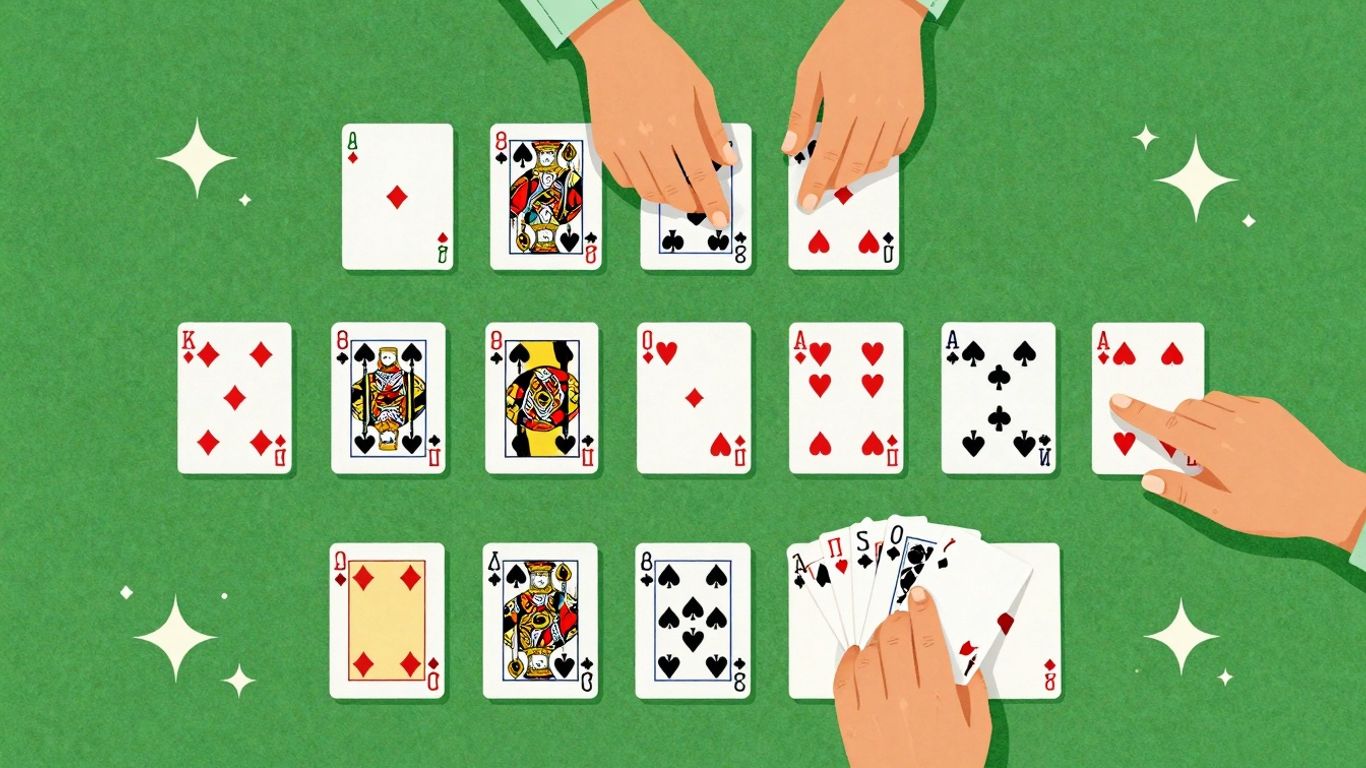
Solitaire, a game that often brings to mind quiet afternoons and a single deck of cards, is far more than just a way to pass the time. It’s a vast universe of strategic thinking, mental challenges, and surprisingly deep gameplay that has captivated players for centuries. Whether you’re a seasoned card shark or someone just looking for a relaxing way to engage your mind, there’s a solitaire game out there for you. It’s a digital playground where logic meets chance, and every move can lead to a new discovery.
The Enduring Appeal of Solitaire
The simple act of arranging cards into specific sequences might seem basic, but it holds a unique charm. This enduring appeal comes from its perfect blend of accessibility and depth. Anyone can pick up a deck and start playing, yet mastering the nuances of different variations can take a lifetime. It’s a game that respects your time, allowing for quick, five-minute rounds or extended sessions that can last for hours. The satisfaction of a perfectly executed game, where every card falls into place, is a reward in itself. It’s a quiet victory, a personal triumph over a set of rules and a shuffled deck.
A Gateway to Mental Stimulation
Beyond its entertainment value, solitaire serves as a fantastic workout for the brain. Each game requires careful observation, planning, and problem-solving. You’re constantly evaluating the current state of the game, anticipating future moves, and adapting your strategy based on the cards you reveal. This mental engagement can help keep your mind sharp, improve concentration, and even boost memory recall. It’s like a puzzle that resets with every new game, offering a fresh challenge each time you play.
Solitaire for Every Player
One of the most remarkable aspects of solitaire is its sheer variety. While Klondike might be the most recognized form, the world of solitaire extends far beyond it. There are games that test your patience, others that demand quick thinking, and some that require intricate planning. This diversity means that no matter your preference or skill level, you can find a solitaire game that suits you. Whether you enjoy the methodical sorting of Klondike, the strategic depth of FreeCell, or the fast-paced action of Spider Solitaire, there’s a game waiting to be discovered. It’s a world where everyone can find their niche and enjoy the simple pleasure of a well-played card game.
Exploring Solitaire Variations
The world of Solitaire is far more than just one game. It’s a whole universe of card-sorting puzzles, each offering a distinct flavor of challenge and strategy. While many might first think of the classic version, a vast array of variations exists, catering to different preferences and skill levels. Exploring these different types can keep the game fresh and engaging, presenting new mental puzzles to solve.
Klondike: The Classic Foundation
Klondike is likely the Solitaire most people picture when they hear the word. It’s the standard, the one often found pre-installed on computers for decades. The goal here is to move all cards from the tableau to the foundation piles, sorted by suit and in ascending order (Ace to King). This requires careful management of the tableau, uncovering hidden cards, and strategic use of the stockpile.
- Objective: Build four foundation piles, one for each suit, starting with the Ace and ending with the King.
- Tableau Management: Cards in the tableau are built in descending order and alternating colors.
- Stockpile Use: The draw pile (stockpile) offers additional cards, but often only the top one is available, making its use a key strategic decision.
Spider Solitaire: A Strategic Challenge
Spider Solitaire ramps up the complexity by using two decks of cards. The primary goal is to create sequences of cards within the tableau, all of the same suit, from King down to Ace. Once a full sequence is formed, it’s removed from play. The challenge lies in managing the multiple suits and the sheer number of cards.
- Decks: Uses two standard 52-card decks (104 cards total).
- Suits: Can be played with one suit (easiest), two suits, or all four suits (most difficult).
- Winning Condition: Form complete sequences of a single suit from King down to Ace within the tableau.
The strategic depth of Spider Solitaire comes from balancing the need to clear columns with the risk of creating unmanageable piles. Sometimes, a seemingly simple move can lead to a dead end if not thought through.
FreeCell: Mastering the Cells
FreeCell stands out because almost every game is winnable. This variation uses a standard deck, but all cards are dealt face-up. The key feature is the four free cells, which act as temporary holding spots for cards. This offers a different kind of puzzle, focusing on efficient movement and planning.
- Face-Up Cards: All cards are visible from the start.
- Free Cells: Four temporary storage spots for single cards.
- Foundation Piles: Built up by suit, starting with Ace.
TriPeaks: A Unique Approach
TriPeaks offers a more relaxed, yet still engaging, experience. Three "peaks" of cards are laid out, and the player aims to clear them by moving cards from the tableau to a discard pile. A card can be moved if it is one rank higher or lower than the top card of the discard pile, regardless of suit. The stockpile is used to generate new top cards for the discard pile.
- Layout: Three distinct pyramid-like "peaks" of cards.
- Movement Rule: Cards are moved if they are one rank above or below the top discard card.
- Objective: Clear as many cards from the peaks as possible.
Mastering Solitaire Strategies
Solitaire might seem like a game of chance, but true mastery comes from thoughtful planning and smart moves. It’s not just about reacting to what’s in front of you; it’s about looking ahead and making each card placement count. Developing a strategic mindset can transform your game from a casual pastime into a rewarding mental exercise.
Patience and Observational Skills
One of the most important aspects of Solitaire is taking your time. Rushing can lead to missed opportunities or poor decisions. Before making any move, take a moment to survey the entire game board. Look for hidden cards that could be revealed and consider how different placements might affect future options. The more you see, the more choices you have.
Strategic Card Placement
Every card you move has a purpose. Think about why you’re moving a card. Is it to reveal a hidden card? Is it to free up another card? Or is it to start building a foundation pile? Prioritize moves that open up more of the tableau. Sometimes, holding onto a card that could be played immediately is better if it allows you to access a more critical card later.
Effective Use of the Stockpile
The stockpile, or draw pile, is a vital resource, especially in games like Klondike. Don’t just cycle through it aimlessly. Consider each card you draw. Can it be played immediately? If not, does holding onto it for a turn or two open up better possibilities? Sometimes, a single card from the stockpile can break a deadlock or provide the exact card needed to complete a foundation pile.
Planning Ahead for Success
Good Solitaire players don’t just think one move ahead; they try to anticipate several steps into the future. Ask yourself: If I move this card now, what will the board look like? Will this open up a path to reveal more cards? Is it worth sacrificing a potential move now to set up a better sequence later? This forward-thinking approach is key to consistently winning games.
Developing a keen eye for the overall game state and planning your moves in advance are hallmarks of a skilled Solitaire player. It’s a continuous process of assessment and adaptation, turning each game into a unique puzzle to solve.
Enhancing Your Solitaire Experience
Beyond the basic gameplay, the digital versions of Solitaire offer several features designed to make your time with the cards more enjoyable and productive. These tools can help you personalize the game, learn new strategies, and even make the experience more visually appealing.
Customization Options for Personalization
Many Solitaire games allow you to tailor the look and feel to your preferences. This can include changing the card backs, the background themes, and even the style of the cards themselves. Choosing a visual theme that you find calming or stimulating can significantly impact your enjoyment. Some games even let you adjust the difficulty or the types of animations that play when you move cards.
Utilizing In-Game Hints and Tutorials
If you’re new to a particular Solitaire variation or find yourself stuck, don’t hesitate to use the built-in help features. Most games offer:
- Hints: These can point out a possible next move, helping you see options you might have missed.
- Tutorials: For new players, tutorials can walk you through the rules and basic strategies of different game types.
- Undoing Moves: The ability to undo a move is invaluable for learning and experimenting without penalty.
Relying on hints doesn’t mean you’re not playing well. It’s a smart way to learn the game’s mechanics and develop your own strategic thinking over time.
Visual and Auditory Enhancements
To make your Solitaire sessions more immersive, consider exploring the visual and auditory settings. This might include:
- Smooth Animations: Options for how cards move and flip can make the game feel more fluid.
- Sound Effects: Subtle sounds for card movements or successful plays can add a satisfying layer to the experience.
- Music: Many games offer background music that can help set a relaxing or focused mood.
Adjusting these elements can transform a simple card game into a more engaging and pleasant pastime, perfectly suited to your personal taste.
The Cognitive Benefits of Solitaire
Playing solitaire isn’t just a way to pass the time; it’s a surprisingly effective workout for your brain. Each game presents a unique puzzle, requiring you to think critically and plan your moves. This mental engagement can lead to several positive cognitive outcomes.
Sharpening Memory and Concentration
Solitaire demands a good deal of focus. You need to keep track of which cards are where, what’s in the stockpile, and what you’ve already played. This constant need to recall information and maintain attention helps to strengthen your memory recall and concentration skills. It’s like a mini-training session for your brain’s ability to stay on task and remember details. Over time, this practice can make it easier to focus on other activities in your daily life.
Developing Problem-Solving Abilities
Every solitaire game is a new challenge. You’re constantly faced with situations where you need to figure out the best sequence of moves to achieve your goal. This involves analyzing the current state of the game, considering different possibilities, and anticipating the results of your actions. This process directly translates to improved problem-solving skills that can be applied to real-world situations. Whether it’s figuring out a complex work project or a tricky personal dilemma, the strategic thinking honed in solitaire can be a real asset.
Stress Reduction and Relaxation
In our busy lives, finding moments of calm can be difficult. Solitaire offers a simple yet effective way to unwind. The repetitive nature of moving cards and the focused attention required can create a meditative state, helping to quiet a busy mind. It provides a quiet space where you can disconnect from external pressures and simply concentrate on the game at hand. This can lead to a significant reduction in stress and a general sense of relaxation after a session.
Here’s a quick look at how solitaire exercises your brain:
- Memory Recall: Remembering card positions and available moves.
- Strategic Planning: Thinking several steps ahead to clear the board.
- Pattern Recognition: Identifying sequences and potential plays.
- Patience: Working through difficult hands without frustration.
Engaging with solitaire regularly can contribute to maintaining cognitive function as we age. It provides a low-stakes environment to practice critical thinking and mental agility, making it a beneficial activity for people of all ages looking to keep their minds sharp.
Engaging with the Solitaire Community
Playing Solitaire can feel like a solitary pursuit, but there’s a whole world of fellow enthusiasts out there! Connecting with other players can really add another layer to the experience, whether you’re looking to share a clever move or just chat about your latest win. It’s a great way to learn new tricks and feel like you’re part of something bigger than just your own game.
Joining Online Forums and Discussions
Many online Solitaire platforms and dedicated websites host forums where players gather. These spaces are perfect for asking questions about tricky game situations, sharing your personal strategies, or even just celebrating a particularly satisfying victory. You’ll find a mix of beginners looking for advice and seasoned players offering their insights. It’s a friendly environment where everyone shares a common interest.
Sharing Tips and Celebrating Victories
Did you discover a brilliant way to clear a difficult Spider Solitaire layout? Or perhaps you finally mastered a complex FreeCell sequence? Online communities are the ideal place to share these moments. Posting a quick tip or a screenshot of your winning game can be incredibly rewarding. Other players will often chime in with their own experiences or offer congratulations, creating a positive feedback loop that encourages everyone to keep playing and improving.
Discovering New Challenges and Updates
Beyond just sharing strategies, these communities are often the first place to hear about new game updates, special events, or even entirely new Solitaire variations being introduced. Developers sometimes use community feedback to shape future additions, so participating can mean you get to influence the game itself. You might also find out about limited-time challenges or tournaments that add a fresh competitive edge to your regular gameplay.
Your Solitaire Journey Continues
So, we’ve looked at how Solitaire is more than just a way to pass the time. It’s a mental workout, a relaxing escape, and a surprisingly deep strategic challenge. Whether you stick to the classic Klondike, try the intricate FreeCell, or brave the multi-deck Spider, there’s always a new puzzle waiting. Remember those tips about planning ahead and revealing hidden cards – they really do make a difference. Keep playing, keep learning, and most importantly, keep enjoying the simple satisfaction of a game well played. The world of Solitaire is vast, and your adventure in it is just beginning.
Frequently Asked Questions
What exactly is Solitaire?
Solitaire is a game played by just one person. Most of the time, it uses a deck of cards. The main idea is to arrange the cards in a special order, often by suit and number. It’s like a puzzle you solve all by yourself!
Why is Solitaire so popular?
People love Solitaire because it’s a fun way to challenge your brain without needing anyone else. It’s relaxing, helps you focus, and gives you a nice feeling when you solve a tricky game. Plus, there are tons of different ways to play!
What are some popular types of Solitaire?
Klondike is the most famous one, the classic you probably think of. Then there’s Spider Solitaire, which is a bit trickier and uses two decks of cards. FreeCell is cool because you have extra spots to move cards, and TriPeaks is like a treasure hunt with cards.
How can I get better at playing Solitaire?
To improve, try to see the whole game, not just the next move. Always look for ways to flip over hidden cards. Think a few steps ahead, like asking yourself if moving a card now will help you later. Don’t give up if you lose; every game teaches you something new!
Does playing Solitaire actually help my brain?
Yes, it really does! Playing Solitaire makes your brain work harder. It helps you remember things better, focus for longer periods, and get better at solving problems. It’s also a great way to relax and forget about stress for a while.
Can I play Solitaire with other people?
While Solitaire is a game for one person, you can definitely connect with others who love it! Many games have online communities where you can share tips, talk about strategies, and even celebrate your big wins with fellow players. It’s a great way to make friends who enjoy the same games.