

Gaming has become a real sport for many people, with long sessions and high stakes. When pain hits, players often try to push through, but that can turn a small issue into a long layoff.
A smarter path treats injuries like any overuse problem. Careful rest, simple routines, and gradual progress can get you back in the lobby without a constant ache.

Calm The Flare-Up
Think protect, rest, and gentle motion. In the first 24 to 72 hours, light activity beats total shutdown, and short, frequent breaks help settle the area. Use a cool pack for 10 to 15 minutes, a few times a day, and keep pain below a 3 or 4 out of 10.
You have practical and legal choices if the injury came from a crash or an unsafe setup at an event. There are options for accident and injury legal services that can guide you on documentation while you focus on healing. Keep notes about when symptoms started, what movements hurt, and what eases them. Clear records support both care and any claims that may follow.
As pain eases, add gentle range-of-motion. Slow wrist circles, neck nods, and shoulder rolls keep tissues from stiffening. If pain spikes or you feel numbness, scale back and contact a clinician.
Posture, Ergonomics, And Setup Tweaks
Small workspace changes can cut load fast. Aim for neutral wrists, relaxed shoulders, and a seat height where hips are level with or slightly above knees. Keep the monitor at eye level, and pull it closer so you are not craning forward.
Consider these quick wins during any session:
- Chair with lumbar support and a seat pan that fits your thighs
- Keyboard and mouse at elbow height, with a flat or slightly declined wrist
- Controller grips that reduce pinch and allow a light hold
- Foot support to avoid slouching if your feet do not reach the floor
- A 5-minute break every 30 to 45 minutes to stand, sip water, and reset
Lighting and cable management matter too. Reduce glare to limit head-forward posture. Route cables so your shoulders stay square and your hands do not drift into awkward angles.
Mobility And Stretching That Actually Help
Stretching should target what is tight and spare what is already irritated. Short holds of 15 to 30 seconds work well, repeated 2 to 3 times. Slow breathing helps the nervous system relax, which can lower muscle guarding.
Neck: do gentle chin tucks and side bends without forcing range. Upper back: seated rotations and open book drills restore movement between segments. Forearms: flexor and extensor stretches can ease wrist tension when done without pain.
Hips and ankles affect the spine in sitting positions. A figure four hip stretch and ankle pumps reduce lower back strain during long streams. If a stretch makes pain sharper or travels down a limb, stop and reassess.
Strength Training For Hands, Wrists, And Core
Light strength work builds endurance in tissues that handle input speed. Start with 2 to 3 sessions per week, with a day off in between. Keep effort moderate, and raise the load when sets feel easy, and form stays clean.
For the hands and wrists, try rubber band finger extensions, putty grips, and pronation-supination with a light hammer. For the shoulders, use wall slides and band external rotations to support the neck and upper back. A stable core helps everything upstream stay relaxed.
Track progress the same way you track game stats. Note pain during and after sessions, sleep quality, and in-game comfort. If soreness lasts more than 24 hours or pain climbs session to session, back off by 10 to 20% and rebuild.
Return-To-Play Plans For Esports
A simple ladder reduces the risk of setbacks. Step 1 is pain control and baseline daily tasks. Step 2 adds short, low-intensity practice blocks with strict breaks. Step 3 increases duration, adds game-like actions, and reintroduces ranked play only when post-session pain is quiet.
Keep rules clear and measurable. No more than 10% weekly increases in session time, and no adding both duration and intensity on the same day. If symptoms spike, drop back a step for 24 to 48 hours and retest.
Teams should coordinate medical, coaching, and player input. A shared note keeps decisions objective and reduces pressure. When travel or tournaments loom, plan deload days before and after the event.
Mindset, Sleep, And Habit Loops
Nerves heal best when stress is managed. Brief mindfulness sessions and box breathing can calm pain alarms during play. Pair breaks with a simple cue like a timer or a sip of water so the habit sticks.
Sleep is your prime recovery tool. Aim for 7 to 9 hours, and keep screens out of the last 30 minutes. A cool, dark room and a consistent schedule help hormones that support tissue repair.
Build a pre-session checklist. Position your chair, check wrist angle, preview your break times, and have water nearby. Small rituals reduce decision fatigue and keep your plan on track.
When To Get Clinical Help
Red flags include numbness, tingling, weakness, or pain that wakes you at night. Sudden sharp pain after a pop or crash needs urgent care. If symptoms last beyond 10 to 14 days despite a smart plan, book an evaluation.
Clinicians can rule out nerve entrapment, tendon tears, or joint issues. They tailor loading plans, taping, or braces to your specific game role. Early guidance saves time and prevents chronic pain loops.
If access is an issue, ask about virtual visits. Many providers can watch your setup over video and make quick, high-impact changes. Keep your goals front and center so the plan matches the way you play.
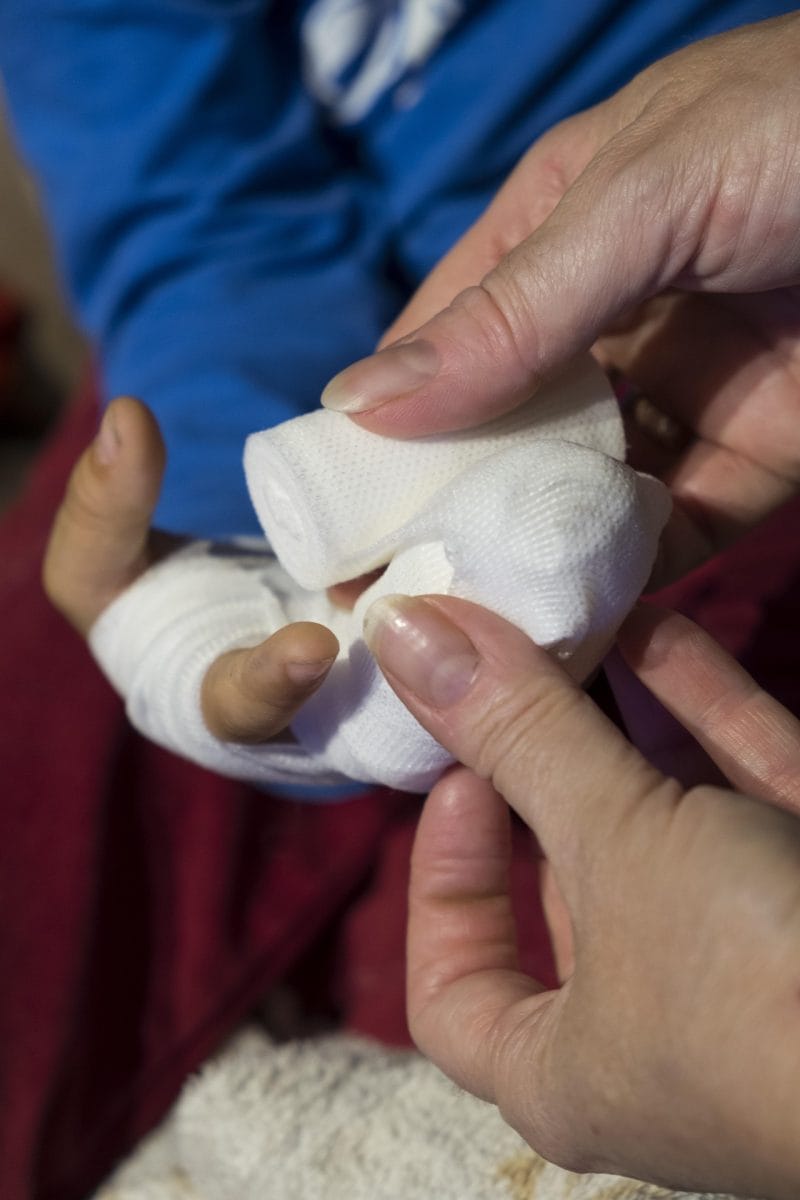
No matter how committed you are, rehab is a process. Keep the steps simple, the progress steady, and the feedback honest. With the right tweaks, you can return to play with greater comfort and control.