Entertainment has really changed over the years, hasn’t it? It used to be all about stories told around a fire or live shows in town. Now, we’ve got everything from movies on our phones to video games that feel like you’re actually there. The digital world has opened up so many new ways to have fun and connect with stories and people. It’s pretty wild to think about how far we’ve come, and honestly, it makes you wonder what’s next.
Key Takeaways
- Entertainment has evolved from simple storytelling and live performances to complex digital experiences, with technology driving much of this change.
- Modern entertainment includes a wide variety of examples, from blockbuster movies and live theater to the quiet enjoyment of books.
- Immersive and interactive entertainment, like video games and theme parks, offers engaging experiences that draw people in.
- Live events, such as concerts and festivals, continue to be popular, providing shared experiences and a sense of community.
- Emerging technologies like VR and AR, along with user-generated content and AI, are shaping the future of how we create and consume entertainment.
The Evolution Of Entertainment Examples
From Oral Traditions To Digital Dominance
Long before we had screens to stare at, entertainment was a much more communal and immediate affair. Think back to ancient times: people gathered around fires, not just for warmth, but for stories. These weren’t just bedtime tales; they were how history was passed down, lessons were taught, and communities bonded. Oral traditions were the original streaming service, relying on the power of the human voice and imagination. As societies developed, so did the ways we shared these stories. The invention of writing, and later the printing press, meant stories could travel further and last longer, moving from spoken word to the written page. This shift was huge, making literature a major form of entertainment and cultural expression.
The Impact Of Television On Home Entertainment
Then came television, and it completely changed the living room. Suddenly, entertainment wasn’t just something you went out for; it came right into your home. Families would gather around the TV set, sharing experiences with shows that became national talking points. It brought news, drama, comedy, and sports into everyday life in a way nothing else had before. This era really cemented the idea of entertainment as a shared, domestic activity, shaping cultural norms and creating a common ground for conversation across different households.
The Digital Revolution’s Reshaping Of Consumption
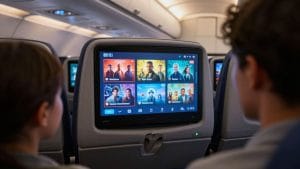
And then, the internet happened. The digital revolution has been the biggest game-changer yet. It took entertainment from scheduled broadcasts and physical media to an on-demand world. We went from waiting for our favorite show to stream at a certain time to having entire libraries at our fingertips. This shift means we can watch, listen, and play whatever we want, whenever we want, and wherever we are. It’s made entertainment incredibly personal and accessible, leading to a massive explosion in the types of content available and how we find and consume it.
Diverse Entertainment Examples In The Modern Era
In today’s world, entertainment is a vast landscape, offering something for everyone. It’s not just about passive viewing anymore; it’s about experiences that engage us, make us think, and connect us. From the grand scale of cinema to the quiet turning of a page, these forms of entertainment continue to shape our culture and our lives.
Cinematic Storytelling And Its Cultural Significance
Movies have become a major part of modern culture. They transport us to different worlds, tell stories that move us, and often reflect the times we live in. The film industry has grown a lot, moving from simple black-and-white pictures to complex visual effects that create incredible spectacles. Big movie releases are events, drawing huge crowds to theaters and sparking conversations that last for weeks. The power of film lies in its ability to show us different perspectives and explore complex human emotions on a grand scale. Whether it’s a thought-provoking drama or an action-packed adventure, cinema remains a dominant force in how we experience stories.
Theatrical Performances And Cultural Expression
Live theater, from Broadway musicals to local plays, offers a unique kind of magic. There’s an energy that comes from watching actors perform right in front of you, sharing a space and a moment with the audience. Theater is a powerful way for communities to express themselves, explore social issues, and share stories that are important to them. It’s a tradition that has been around for centuries, and it continues to adapt and thrive, offering everything from classic dramas to experimental new works.
The Enduring Appeal Of Books And Literature
Even with all the new digital options, books still hold a special place. Reading a book is a personal journey, allowing us to get lost in a story at our own pace. Literature offers deep dives into characters’ minds and complex worlds, often providing a more detailed and intimate experience than other forms of media. It’s a way to learn, to escape, and to connect with ideas and emotions across time and space. The simple act of opening a book can lead to incredible adventures and new ways of seeing the world. Many people still find great joy in visiting their local bookstore or library, exploring shelves filled with stories waiting to be discovered.
The way we consume entertainment is constantly changing, influenced by new technologies and shifting social norms. While some forms become more digital and individual, the desire for shared experiences and cultural connection remains strong. This balance between personal engagement and communal enjoyment defines much of modern entertainment.
Immersive And Interactive Entertainment Examples
Beyond passive viewing, a significant portion of modern entertainment focuses on drawing audiences directly into the experience. This category is all about active participation and sensory engagement, making the consumer a part of the action rather than just an observer. These forms of entertainment aim to create memorable, often thrilling, experiences that engage multiple senses.
The Thrills Of Amusement Parks And Carnivals
Amusement parks and carnivals are classic examples of immersive entertainment. They offer a curated environment designed for excitement and escape. From the dizzying heights of roller coasters to the simple joy of carnival games, these venues provide a tangible, physical experience. The atmosphere itself, often filled with music, the smell of popcorn, and the sounds of delighted screams, contributes to the overall immersion. These spaces are built to transport visitors away from their everyday lives, offering a temporary world of fun and adventure.
The Spectacle Of Circuses And Live Shows
Circuses and live shows, in their various forms, have long captivated audiences with their blend of skill, artistry, and spectacle. Traditional circuses, with their acrobats, clowns, and animal acts (though the latter is increasingly debated and evolving), create a sense of wonder and amazement. Modern live shows, including theatrical productions, magic shows, and even large-scale concerts, often incorporate elaborate staging, lighting, and sound to create a powerful sensory experience. The shared energy of a live audience witnessing a performance together is a unique aspect of this entertainment form.
The Engaging Worlds Of Video Games
Video games represent a pinnacle of interactive entertainment. They allow players to not only witness a story but to actively shape it through their choices and actions. Modern video games offer incredibly detailed virtual worlds, complex narratives, and sophisticated gameplay mechanics that can keep players engaged for hundreds of hours. The rise of online multiplayer games has added a social dimension, allowing players to collaborate or compete with others from around the globe. This interactivity, combined with stunning visuals and sound design, creates a deeply engaging experience that blurs the lines between the player and the game world. The development of AI characters is further pushing the boundaries of interactive entertainment.
The core appeal of immersive and interactive entertainment lies in its ability to make the audience feel present and involved. It’s about creating experiences that are not just watched or heard, but felt and participated in, leading to a more profound connection with the content.
Live Performances And Communal Experiences
There’s something special about experiencing entertainment with a crowd, isn’t there? Live performances and communal events tap into a primal human need for connection and shared emotion. These experiences create lasting memories precisely because we’re not just watching; we’re participating in a collective moment.
The Energy Of Live Concerts And Festivals
Concerts and music festivals are prime examples of this. Think about the roar of the crowd when your favorite band hits the stage, or the shared rhythm of thousands of people singing along to a beloved song. It’s an electric atmosphere that a recording can’t replicate. Festivals, in particular, offer a multi-day immersion into music, art, and culture, bringing together diverse groups of people united by their passion for sound and community. From the intimate setting of a local band’s gig to the massive scale of global music events, the live music scene offers a spectrum of communal enjoyment.
The Spectacle Of Fireworks Displays
Fireworks displays, often tied to celebrations and holidays, are another powerful communal experience. The oohs and aahs as vibrant colors burst across the night sky, the collective gasp at a particularly impressive volley – these are shared reactions that bind people together. These visual and auditory spectacles are designed for mass appeal, creating a sense of shared wonder and festivity that marks important occasions.
The Adventure Of Travel And Exploration
While not always a single event, travel and exploration also fall under the umbrella of communal experiences, especially when undertaken with others or when immersing oneself in a new culture. Visiting historical sites, exploring bustling markets, or simply sharing a meal in an unfamiliar setting with fellow travelers or locals can be incredibly enriching. Travel broadens perspectives and creates shared stories, turning journeys into collective adventures. It’s about discovering new places and, in doing so, discovering more about ourselves and our connections to the wider world.
The shared anticipation, the collective gasp, the unified cheer – these are the building blocks of communal entertainment. It’s about more than just passive observation; it’s about active participation in a shared emotional landscape.
Emerging Trends In Entertainment Examples
The entertainment landscape is always shifting, and right now, some really interesting new ideas are taking shape. We’re seeing technology push boundaries in ways that make entertainment feel more personal and interactive than ever before. It’s not just about watching or listening anymore; it’s about stepping inside the experience.
Virtual Reality and Augmented Reality Experiences
Virtual Reality (VR) and Augmented Reality (AR) are no longer just concepts from science fiction. VR immerses you completely in a digital world, letting you feel like you’re actually there. Think about attending a concert from your living room, feeling the crowd’s energy, or exploring historical sites as if you were walking through them. AR, on the other hand, overlays digital elements onto our real world. We’ve already seen this with games like Pokémon Go, where digital creatures appear in your surroundings. As these technologies get better and more accessible, they’re opening up entirely new ways to play games, watch movies, and even learn.
The Rise of User-Generated Content
Platforms like TikTok, YouTube, and Twitch have changed who gets to be an entertainer. Now, anyone with a smartphone and an idea can create content that reaches millions. This has led to a huge variety of entertainment, from comedy sketches and cooking tutorials to in-depth reviews and live gaming streams. This democratization of content creation means we’re constantly seeing fresh perspectives and niche interests find an audience. It’s a dynamic space where creators and viewers often interact directly, shaping trends in real-time.
Artificial Intelligence in Content Creation
Artificial Intelligence (AI) is quietly becoming a powerful tool in entertainment. You might already be familiar with AI recommending shows on streaming services based on what you’ve watched. But AI’s role is expanding. It’s starting to help with tasks like generating music, writing scripts, and even creating visual effects. In the future, AI could play a bigger part in designing entire game worlds or even producing personalized entertainment experiences tailored specifically to an individual’s preferences. This raises interesting questions about creativity and the future of human artists in the industry.
The way we consume entertainment is changing rapidly. What was once a passive experience is becoming more active and participatory, driven by new technologies and the desire for unique, personalized content. This evolution promises a future where entertainment is more accessible, diverse, and deeply engaging than ever before.
Global Reach Of Entertainment Examples
International Content Breaking Cultural Barriers
It’s pretty amazing how entertainment can travel these days, right? Gone are the days when you were mostly limited to what was produced in your own country. The internet really changed the game. Now, a show from South Korea can become a worldwide hit, or a movie from Spain can be watched by millions across the globe. This isn’t just about watching foreign films; it’s about experiencing different stories, different perspectives, and different cultures without ever leaving your couch. Think about how popular K-Pop music or Nollywood movies have become – they’ve found massive audiences far from their origins.
This global sharing means we get to see and hear so many more things. It’s like opening a window to the world. We’re exposed to new ideas and ways of life through the stories people tell in their movies, music, and shows. It helps us understand each other a bit better, even if we don’t speak the same language.
Streaming Platforms And Global Audiences
Streaming services have been a huge part of this global shift. Platforms like Netflix, Amazon Prime Video, and Disney+ don’t just offer content from Hollywood anymore. They actively acquire and produce shows and movies from all over the planet. This makes it super easy for anyone with a subscription to find a vast library of international content. You can go from watching a British drama to an Indian blockbuster to a French comedy, all within minutes.
This accessibility has a big effect. It means creators from smaller countries or those who don’t work in the typical Hollywood system can now reach a massive audience. Their work isn’t limited by borders or traditional distribution channels. It’s a win-win: audiences get more variety, and creators get a chance to be seen and heard on a scale previously unimaginable.
The Interconnectedness Of Modern Entertainment
Everything is so connected now. A song you hear in a foreign film might become a global hit. A dance trend from TikTok can spread across continents in hours. Video games often have players from every corner of the earth playing together in the same virtual space. This constant flow of ideas and content means entertainment is always changing and evolving, influenced by cultures from everywhere.
The way we consume entertainment is no longer a local affair. It’s a global conversation, with trends, styles, and stories constantly crossing borders, enriching our shared cultural landscape.
This interconnectedness also means that what’s popular in one part of the world can quickly influence what becomes popular elsewhere. It creates a dynamic, ever-changing entertainment scene where influences are constantly mixing and matching. It’s a pretty exciting time to be a fan of anything, really, because there’s always something new and different popping up from somewhere unexpected.
The Ever-Changing World of Entertainment
Looking back, it’s clear that entertainment has transformed dramatically. From ancient storytelling to today’s digital streams and virtual worlds, the ways we entertain ourselves are always shifting. Technology keeps pushing the boundaries, giving us more options than ever before. Whether it’s a movie on our phone, a game we play with friends online, or a live show we experience in a new way, entertainment continues to be a big part of our lives. It connects us, sparks our imagination, and helps us understand the world a little better. As things keep changing, one thing stays the same: entertainment will always find new ways to capture our attention and bring us together.
Frequently Asked Questions
How has entertainment changed over time?
Entertainment used to be simple things like listening to stories or watching live plays. Now, with TVs and the internet, we have tons of options like movies, video games, and online videos right at our fingertips. It’s gone from basic to super high-tech and easy to access.
What are some popular types of entertainment today?
Today, people enjoy many things! Movies and TV shows tell amazing stories. Live shows like concerts and theater offer exciting experiences. Books still let us dive into new worlds. Plus, video games let us play and interact in digital adventures.
How do things like video games and VR offer different entertainment?
Video games let you be part of the action, making choices and exploring virtual worlds. Virtual reality (VR) takes it a step further by making you feel like you’re actually inside the game or experience, using special headsets. It’s super immersive!
What’s the difference between a circus and a concert?
A circus is a live show with amazing performers like acrobats and clowns doing tricks and stunts. A concert is all about music, where bands or singers perform live for a crowd. Both are fun live events, but they focus on different kinds of performances.
How is technology changing entertainment in the future?
New tech like virtual reality (VR) and augmented reality (AR) will make entertainment even more real and interactive. Also, regular people can now create and share videos online easily, and AI might even help create new shows or games.
Can entertainment from other countries be popular everywhere?
Yes! Thanks to the internet and streaming services, movies and shows from countries like South Korea or Spain can become huge hits all over the world. Entertainment can easily cross borders and connect people from different cultures.