Thinking about math can feel like a chore sometimes, right? Like, who actually enjoys doing endless equations after a long day? Well, what if I told you there’s a way to make numbers fun again? Imagine playing a game that actually makes your brain sharper. That’s where the idea of a math game comes in. It’s not just for kids; these games can be a cool way for anyone to brush up on their skills and have a good time doing it.
Key Takeaways
- Playing a math game can make learning numbers more enjoyable.
- These games help practice math skills without feeling like homework.
- A math game can improve your thinking and problem-solving abilities.
- Regular play can lead to better memory and faster mental math.
- It’s a fun way to build confidence with math concepts.
Embark On A Math Game Adventure
Get ready to step into a world where numbers come alive and challenges spark your curiosity. This isn’t just about solving problems; it’s about embarking on an exciting journey designed to make learning math feel like an adventure. We’ve created an experience that blends engaging activities with the thrill of discovery, making every session a step forward in your mathematical exploration.
Discover Engaging Gameplay
Forget dry textbooks and repetitive drills. Our math game adventure focuses on interactive play that keeps you hooked. You’ll find yourself solving puzzles, cracking numerical codes, and tackling problems that feel more like exciting quests than homework. The core idea is to make learning so enjoyable that you don’t even realize how much you’re improving. It’s about the fun of figuring things out, the satisfaction of a correct answer, and the drive to see what challenge comes next.
Experience Diverse Challenges
This adventure isn’t one-size-fits-all. We’ve packed it with a wide variety of challenges to keep things fresh and to cater to different learning styles and skill levels. You might start with simple arithmetic puzzles that build a solid foundation, then move on to more complex logic problems that require strategic thinking. The game adapts, offering new types of problems and increasing difficulty as you progress, ensuring you’re always learning something new without feeling overwhelmed.
Unlock New Levels
Progress is a key part of any adventure, and ours is no different. As you successfully complete challenges and demonstrate your growing skills, you’ll earn rewards and unlock new levels. Each new stage brings fresh environments, more intricate puzzles, and advanced mathematical concepts to explore. This sense of achievement and continuous discovery is designed to keep you motivated and eager to see what lies ahead on your math game journey.
Enhance Cognitive Abilities With Math Games

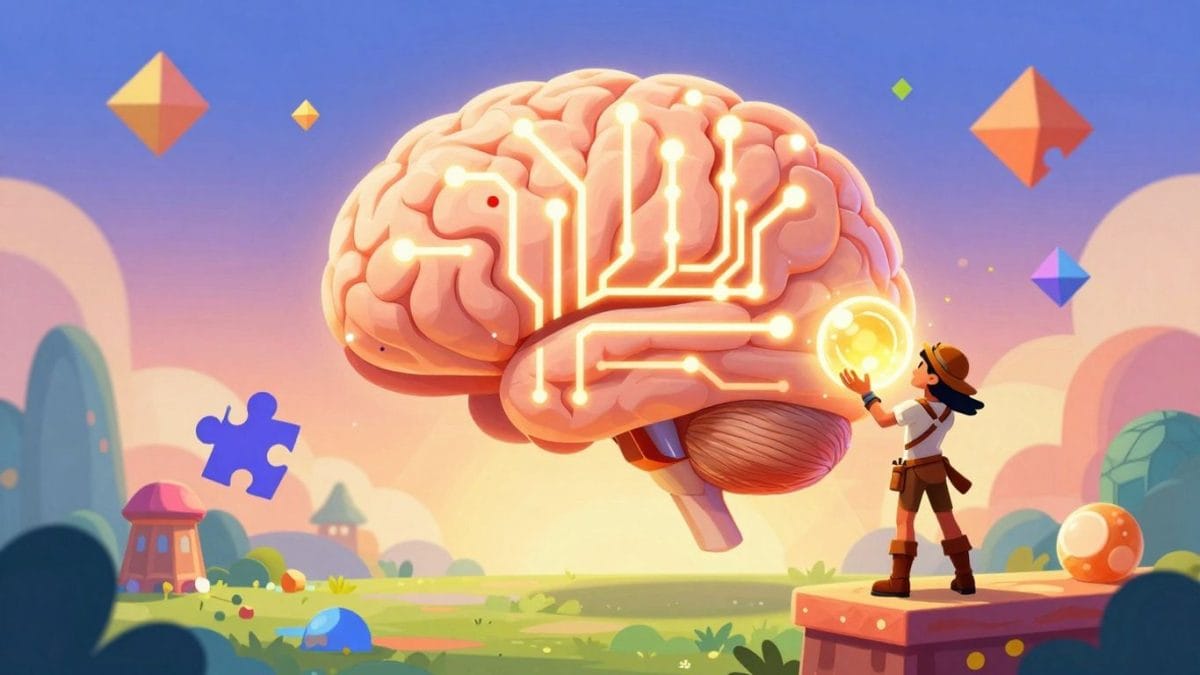
Math games do more than just help you solve problems; they actively work to improve how your brain functions. Think of it like a workout for your mind. When you play these games regularly, you’re not just practicing math, you’re building better thinking skills.
Cultivate Intelligence Through Play
Playing math games can actually help you become smarter. It’s not about memorizing facts, but about learning to think in new ways. The challenges in these games push you to figure things out, which is a big part of what intelligence is all about. It’s a fun way to make your brain sharper.
Practice Math With Purpose
Instead of just doing endless drills, math games give your practice a reason. Each puzzle or challenge requires you to use math skills to succeed. This makes the learning feel more meaningful. You’re not just doing math; you’re using it to achieve something in the game.
Daily Brain Training Sessions
Making math games a part of your daily routine can have a big impact. Short, regular sessions are often more effective than long, infrequent ones. These consistent workouts help keep your mind active and improve your ability to focus and solve problems over time. It’s like building a habit for a healthier brain.
Consistent engagement with math games can lead to noticeable improvements in areas like memory recall and the speed at which you can process information. This isn’t just about getting better at math problems; it’s about making your brain more efficient overall.
Here’s a look at how different cognitive skills can benefit:
- Problem-Solving: Games often present unique scenarios that require creative solutions.
- Memory: Remembering patterns, numbers, or steps is frequently part of gameplay.
- Logical Reasoning: Figuring out the ‘why’ behind a math concept or game mechanic.
- Focus and Attention: Staying engaged with a game helps train your concentration span.
Master Essential Math Skills
Interactive Learning For All Ages
Math games offer a dynamic way to learn, moving beyond static textbooks. They present concepts through engaging activities that adapt to different learning styles. This approach makes math accessible and enjoyable for everyone, from young children just starting with numbers to adults looking to keep their minds sharp. The interactive nature means you’re not just passively receiving information; you’re actively participating, which helps solidify understanding.
Build Confidence With True/False Challenges
One effective method used in many math games is the true/false challenge. This format presents a mathematical statement, and the player must quickly determine if it’s correct or incorrect. It’s a quick way to test knowledge and build confidence. Successfully answering these challenges reinforces correct mathematical thinking and helps players identify areas where they might need more practice. It’s a low-pressure way to get immediate feedback.
Here’s how true/false challenges can help:
- Quick Assessment: Instantly gauge your understanding of a concept.
- Pattern Recognition: Helps you spot common mathematical truths and errors.
- Decision Making: Encourages rapid, logical decision-making under a time constraint.
Develop Critical Thinking
Beyond just memorizing formulas, math games push players to think critically. Many games involve puzzles and problems that require more than just basic calculation. You might need to analyze a situation, break down a complex problem into smaller parts, and devise a strategy to find the solution. This process trains your brain to approach challenges logically and creatively, skills that are useful far beyond the game itself.
The ability to analyze problems, identify patterns, and apply logical steps is a hallmark of strong critical thinking. Math games provide a playful environment to hone these abilities, making complex problem-solving feel more like a game than a chore.
The Benefits Of Playing A Math Game
Playing math games is more than just a way to pass the time; it’s a smart approach to building a stronger mind. These games take the often-dry subject of mathematics and turn it into something enjoyable and interactive.
Improve Knowledge And Memory
Math games work by presenting problems in a way that requires active participation. This engagement helps solidify concepts in your memory, making them easier to recall later. Think of it like learning a new skill; the more you practice in a fun setting, the better you become.
Boost Logical Reasoning
Many math games are built around puzzles and problem-solving scenarios. To succeed, players must think critically, identify patterns, and figure out the best strategy. This constant mental workout sharpens your ability to reason logically, a skill that’s useful in all parts of life, not just math class.
Sharpen Mental Math Calculations
Regularly playing math games can significantly improve your speed and accuracy with calculations. Instead of relying on a calculator for every little sum, you start to develop an intuition for numbers. This means you can figure out answers in your head more quickly and confidently.
Math games offer a unique way to practice skills without the pressure of traditional tests. They encourage experimentation and learning from mistakes in a low-stakes environment, which can lead to a deeper grasp of mathematical ideas.
Here’s a look at how different types of math games can help:
- Arithmetic Games: Focus on improving speed and accuracy with addition, subtraction, multiplication, and division.
- Logic Puzzles: Develop problem-solving skills and the ability to think step-by-step.
- Pattern Recognition Games: Enhance the capacity to spot trends and make predictions.
- Number Sequence Challenges: Improve memory and the ability to work with ordered data.
Transform Learning Into An Adventure
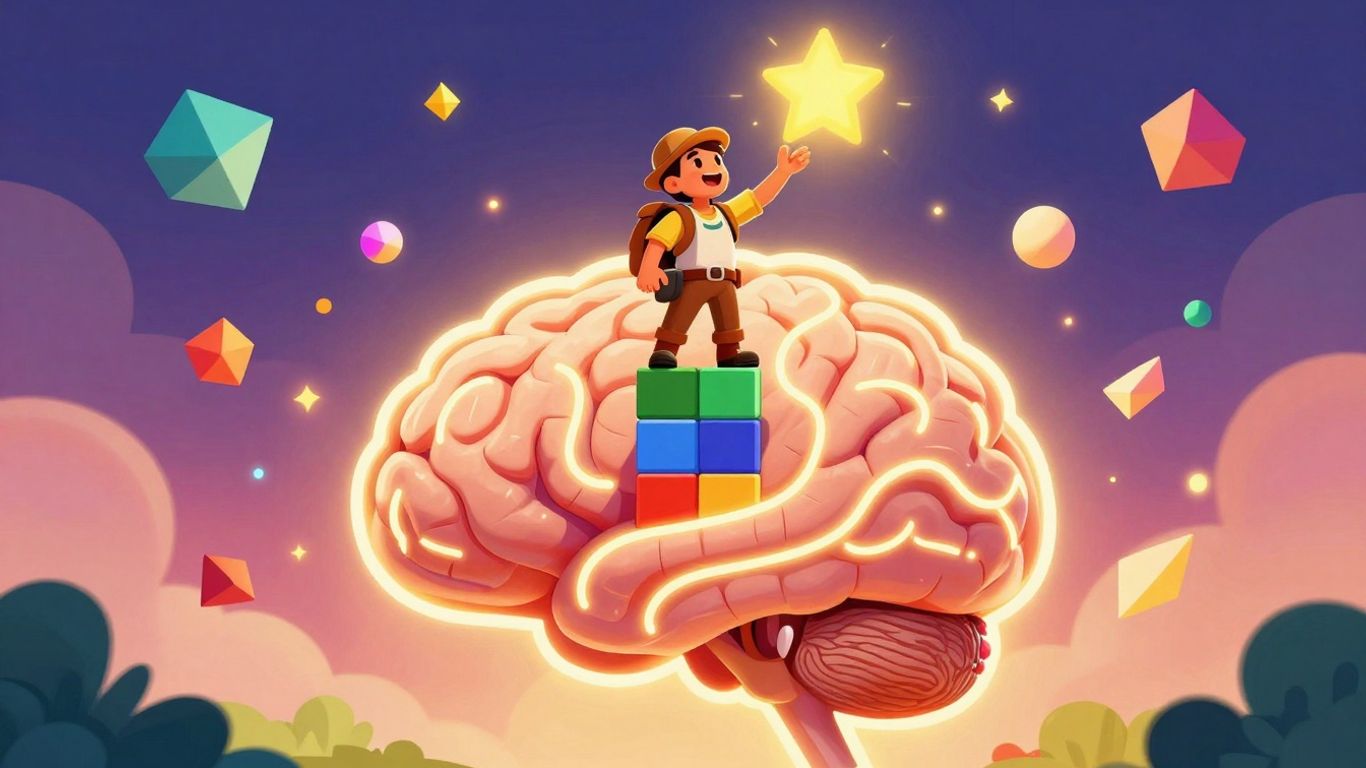
Sometimes, learning can feel like a chore, right? We’ve all been there, staring at textbooks, wishing for something more exciting. That’s where math games step in, turning what might seem like dry subjects into something genuinely fun. These games are designed to make you forget you’re even practicing math. They wrap educational content in engaging scenarios, making the process feel less like work and more like play.
Engaging Visuals and Sound Effects
Think about your favorite video games. What makes them so captivating? Often, it’s the way they look and sound. Math games use this same principle. Bright colors, interesting characters, and responsive animations can make solving a math problem feel like a victory. Add in some upbeat music or satisfying sound effects when you get an answer right, and suddenly, you’re motivated to keep going. It’s not just about the numbers; it’s about the whole experience.
Rewarding Progress Tracking
Nobody likes feeling like they’re stuck in one place. Math games often include ways to see how far you’ve come. This could be through:
- Leveling Up: Moving from simpler problems to more complex ones.
- Scoreboards: Competing with yourself or others to achieve higher scores.
- Progress Bars: Visual indicators showing how much of a topic or game you’ve completed.
Seeing these markers of progress is a big motivator. It shows you that your effort is paying off and encourages you to tackle the next challenge.
A Joyful Learning Routine
Integrating math games into your daily or weekly routine can make a big difference. Instead of dreading math practice, you might actually look forward to it. This shift can help build a more positive relationship with the subject. It becomes a time for mental exercise and achievement, rather than a source of stress.
Creating a consistent habit of engaging with math in a fun way can lead to surprising improvements over time. It’s about building momentum through enjoyable activities.
By making learning an adventure, these games help build confidence and a genuine interest in math that can last well beyond the game itself.
Prepare For Success With Brain Games
Build Essential Skills For Real-World Success
Playing math games isn’t just about passing a test or getting a high score. It’s about building a strong foundation of skills that help you every day. Think about it: when you solve a math puzzle, you’re not just finding a number. You’re learning to look at a problem from different angles, figure out what information is important, and then put the pieces together. This kind of thinking is useful everywhere, from managing your money to planning a project at work. These games train your brain to be more adaptable and ready for whatever comes your way.
Logic Puzzles And Reasoning Tasks
Math games often include logic puzzles and reasoning tasks that really make you think. These aren’t always about complex equations. Sometimes, they’re about spotting patterns, figuring out sequences, or understanding how different elements relate to each other. For example, a game might ask you to arrange shapes in a specific order based on a set of rules. This helps develop your ability to follow instructions and make logical deductions.
Here’s a look at some common types of challenges:
- Pattern Recognition: Identifying repeating sequences in numbers, shapes, or colors.
- Deductive Reasoning: Using given facts to arrive at a conclusion.
- Spatial Awareness: Mentally manipulating objects or understanding their position in space.
- Problem Decomposition: Breaking down a large problem into smaller, more manageable parts.
Motivational Rewards And Achievements
One of the best parts of playing these games is the feeling of accomplishment. As you get better and solve more challenging problems, you’ll often earn rewards. This could be points, badges, or unlocking new levels. These little wins keep you motivated and show you how much progress you’re making. It turns learning into something fun and rewarding, making you want to keep playing and keep improving.
The journey of learning is often more impactful when it’s accompanied by positive reinforcement. Recognizing small victories builds momentum and encourages continued engagement, making the process feel less like a chore and more like an enjoyable pursuit.
Your Next Step in the Math Adventure
So, we’ve explored how math games can be more than just a way to pass the time. They’re actually a pretty good tool for getting your brain working better. Whether you’re looking to help a child get a handle on numbers or just want to keep your own mind sharp, these games offer a fun way to practice. Think of it like a workout for your brain, but instead of lifting weights, you’re solving problems. Give one of these game adventures a try and see how much you can improve your math skills and thinking power. It’s a simple step that can make a real difference.
Frequently Asked Questions
What kind of math skills can I learn with these games?
These games cover a lot of math ground! You can practice basic stuff like adding and subtracting, then move on to trickier things like multiplication and division. They also help you get better at solving problems and thinking logically, which are super important for math.
Are these games only for kids?
Nope! While these games are great for kids to build their math skills, they’re also awesome for adults who want to keep their minds sharp. It’s like a fun workout for your brain, no matter your age.
How do math games help my brain?
Playing math games is a fantastic way to boost your brainpower. They help you think faster, remember things better, and become a pro at solving puzzles. It’s like giving your brain a supercharge!
Will these games make learning math less boring?
Absolutely! Instead of just doing homework, these games turn learning into an exciting adventure. With cool challenges, fun sounds, and rewards, you’ll actually look forward to practicing math.
Can these games help me with school or tests?
Definitely. By practicing math and improving your thinking skills, you’ll feel more confident tackling problems in school. Many of these games are designed to help you get better at the kinds of questions you might see on tests.
How often should I play these math games?
Playing regularly is key! Even short, daily sessions can make a big difference. Think of it like going to the gym for your brain – a little bit each day helps you get stronger over time.