
Remember those shows that made Saturday mornings special? For many of us, a big part of that magic came from HIT Entertainment. They brought us characters and stories that we loved, and honestly, they still hold a special place in our hearts. This look back at HIT Entertainment is all about celebrating those shows and the impact they had on us growing up.
Key Takeaways
- HIT Entertainment created many well-loved children’s shows that are still remembered fondly.
- These shows often blended entertainment with learning, helping kids develop.
- The company’s characters and stories sparked imagination and creativity in young viewers.
- HIT Entertainment’s work had a lasting influence on children’s television and media.
- The legacy of HIT Entertainment continues to be felt in today’s media landscape.
The Enduring Appeal of HIT Entertainment’s Iconic Series
Nostalgic Journeys Through Beloved Characters
Many of us grew up with characters that felt like old friends, thanks to HIT Entertainment. Shows like Thomas & Friends and Bob the Builder weren’t just cartoons; they were part of our daily routines. Think about the simple joy of watching Thomas the Tank Engine chug along the tracks or seeing Bob and his team tackle a new construction project. These characters, with their distinct personalities and consistent presence, created a strong sense of familiarity and comfort for young viewers. This consistent exposure and the relatable, often problem-solving nature of the characters, made them incredibly memorable and fostered a deep connection that lasts even into adulthood.
The Creative Spark Behind HIT Entertainment’s Success
What made these shows so special? It often came down to a smart mix of engaging storytelling and clear educational goals. HIT Entertainment had a knack for creating worlds that were both imaginative and grounded. They understood how to present lessons about teamwork, problem-solving, and friendship in ways that kids could easily grasp and enjoy. It wasn’t just about entertainment; it was about building positive values through engaging narratives. This careful balance is what set many of their productions apart.
Impact on Childhood Development and Imagination
These series played a significant role in shaping young minds. They offered more than just passive viewing. Through interactive elements, like encouraging viewers to help Bob the Builder find the right tool or to guess which train was coming next, these shows actively involved children. This engagement helped develop critical thinking skills and encouraged imaginative play.
- Problem-Solving: Characters often faced simple challenges that children could relate to, encouraging them to think about solutions.
- Social Skills: Stories frequently highlighted themes of cooperation, sharing, and understanding different perspectives.
- Language Development: Repetitive phrases and clear dialogue aided in vocabulary building and comprehension.
The consistent, gentle pacing and predictable structures of many HIT Entertainment shows provided a safe and reassuring viewing experience for young children, allowing them to process information and develop their understanding of the world at their own pace. This approach was key to their widespread acceptance and positive reception by parents and educators alike.
From Television to Global Phenomenon: The HIT Entertainment Story
Early Innovations in Children’s Programming
HIT Entertainment didn’t just jump into making kids’ shows; they really thought about what made them special. Back in the day, a lot of children’s television was pretty basic. HIT, however, started looking for ways to make programs that were not only fun but also had a bit more substance. They focused on creating characters that kids could connect with and stories that felt familiar, yet exciting. This approach helped them stand out.
One of their early successes was recognizing the potential in existing, beloved characters and bringing them to a new generation. Instead of always starting from scratch, they found ways to build on established worlds. This strategy allowed them to tap into an existing audience while also introducing new viewers to these characters. It was a smart way to build a brand.
Strategic Growth and International Reach
After finding their footing with innovative programming, HIT Entertainment began to expand. They understood that a great show wasn’t just for one country; it could be enjoyed by children all over the world. This led to a significant push for international distribution. They worked on making sure their shows could be understood and enjoyed by different cultures, often through careful dubbing and localization.
This global outlook was key to their growth. They weren’t just a British company or an American company; they aimed to be a worldwide name in children’s entertainment. This involved building relationships with broadcasters and distributors in many different countries. It was a complex process, but it paid off, turning their popular shows into international hits.
- Building a global brand required understanding different markets.
- Partnerships were formed with networks across Europe, Asia, and the Americas.
- Merchandising played a big role in extending the brand’s presence beyond the screen.
Adapting to Evolving Media Landscapes
As technology changed, so did the way children consumed media. HIT Entertainment had to keep up. The rise of DVDs, then digital downloads, and eventually streaming platforms meant that kids weren’t just watching shows on TV at a set time anymore. The company had to figure out how to get their content onto these new platforms.
This meant rethinking distribution strategies and sometimes even how content was produced. They had to consider how a show would look on a tablet or a smartphone, and how to keep children engaged in a world with so many entertainment options. This adaptability was crucial for staying relevant.
The shift from traditional broadcast to digital and streaming required a flexible approach. It wasn’t just about making good shows; it was about making them accessible and engaging on whatever device a child might be using. This meant constant learning and adjustment to new technologies and viewing habits.
Exploring Key Franchises That Defined HIT Entertainment
HIT Entertainment built its reputation on a foundation of characters that quickly became household names. These weren’t just shows; they were companions for countless childhoods, each with a unique way of connecting with young viewers. The success of these franchises wasn’t accidental; it was a result of understanding what makes children tick and translating that into engaging, memorable stories.
The World of Thomas & Friends
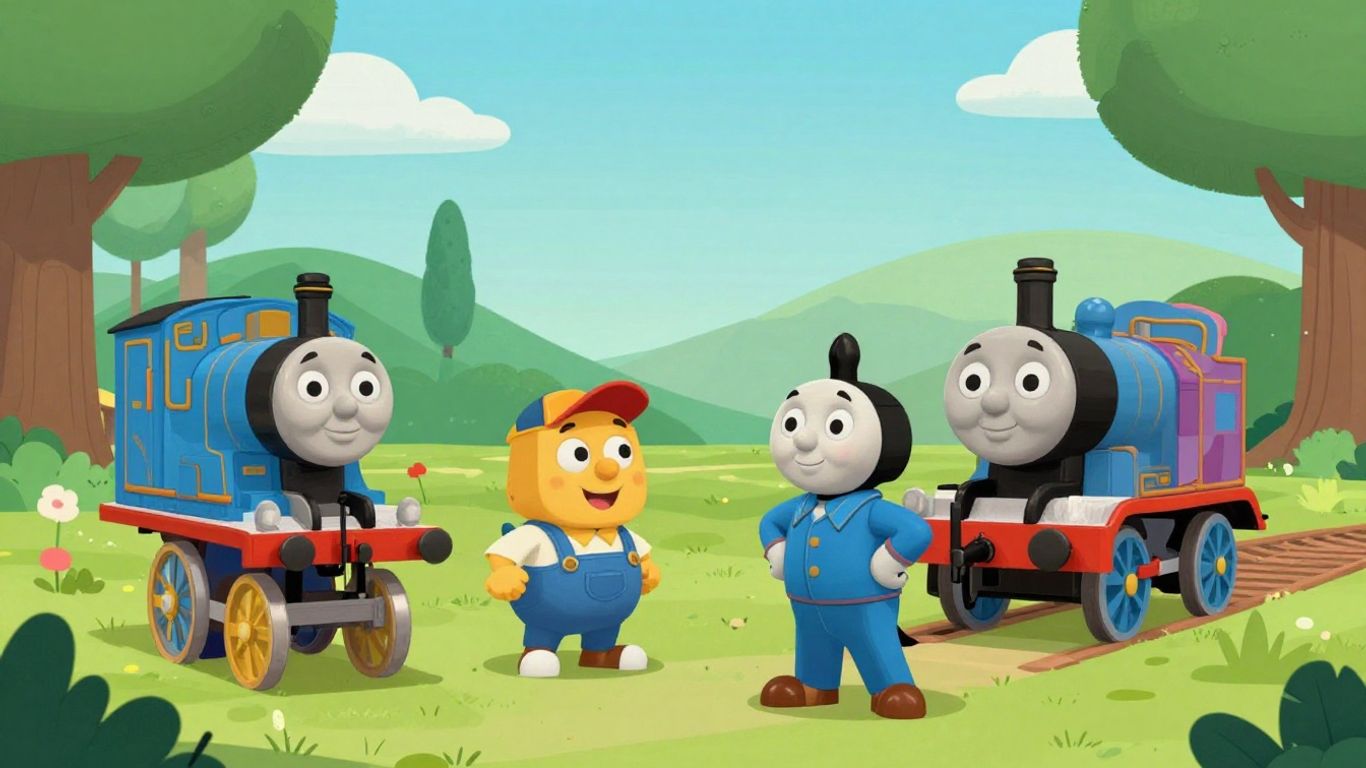
Perhaps no franchise is more synonymous with HIT Entertainment than Thomas & Friends. This series, based on the Railway Series books by the Reverend W. Awdry, introduced the world to a charming island of Sodor and its fleet of talking trains. Thomas the Tank Engine, with his eagerness and occasional mishaps, became the face of the brand. The show’s enduring appeal lies in its simple yet profound lessons about friendship, teamwork, and responsibility, all delivered through the adventures of Thomas and his engine pals.
- Core Themes: Friendship, hard work, problem-solving, diversity of characters and roles.
- Target Audience: Preschoolers and early elementary school children.
- Longevity: The series has evolved over decades, adapting its animation style and storytelling while maintaining its core values.
The simple premise of trains with personalities, facing everyday challenges on their island, created a relatable world for young children. It tapped into a fascination with vehicles while embedding gentle moral lessons.
The Educational Charm of Bob the Builder
Bob the Builder offered a different, yet equally impactful, approach to children’s programming. Bob and his team of construction vehicles, each with their own distinct personalities, showed children the satisfaction of building, fixing, and working together. The show’s catchphrase, "Can we fix it? Yes, we can!" became an anthem for problem-solving and a can-do attitude. It encouraged an interest in building, mechanics, and cooperative work.
- Key Characters: Bob, Wendy, Scoop, Muck, Dizzy, Lofty, Roley.
- Educational Focus: Teamwork, problem-solving, vocational skills, positive reinforcement.
- Impact: Inspired an interest in construction and the idea that tasks can be accomplished through collaboration.
Other Memorable HIT Entertainment Productions
Beyond its two flagship franchises, HIT Entertainment was responsible for a variety of other beloved shows that left their mark on children’s television. These included series like Pingu, the stop-motion animated adventures of a young penguin and his family, known for its universal appeal without spoken dialogue, and Angelina Ballerina, which followed a spirited mouse with dreams of becoming a prima ballerina. Each of these productions, in their own way, contributed to HIT Entertainment’s reputation for creating content that was both entertaining and enriching for young audiences.
The Educational and Developmental Impact of HIT Entertainment Shows
HIT Entertainment’s programming has long been recognized for its ability to blend entertainment with learning, making it a favorite for both children and parents. These shows often weave educational concepts into engaging narratives, helping young viewers absorb information without even realizing they’re being taught.
Integrating Learning into Entertainment
Many HIT Entertainment series are built around core educational principles. For instance, shows like Thomas & Friends subtly introduce concepts of problem-solving, teamwork, and understanding different roles within a community. The characters face challenges, and their journeys often highlight the importance of cooperation and perseverance. Similarly, Bob the Builder presented practical lessons about construction, planning, and the satisfaction of completing a task, all while emphasizing the value of a strong work ethic and collaboration. These shows demonstrate a thoughtful approach to content creation, where learning isn’t an add-on but an integral part of the story.
Fostering Social and Emotional Skills
Beyond academic learning, HIT Entertainment’s shows play a significant role in developing social and emotional intelligence in young children. Characters often model positive behaviors such as empathy, sharing, and conflict resolution. When characters like those in Fireman Sam work together to help others, children learn about community responsibility and the importance of looking out for one another. The shows frequently explore a range of emotions through their characters, providing children with a safe space to understand and process feelings like frustration, happiness, and sadness. This helps them build a foundation for healthy emotional development and interpersonal relationships.
The Role of HIT Entertainment in Early Childhood Education
HIT Entertainment’s contributions to early childhood education are notable for their accessibility and consistent quality. Their shows have been instrumental in providing foundational learning experiences for millions of children worldwide. By focusing on relatable characters and everyday situations, these programs make complex ideas digestible for young minds. The consistent presence of these shows on television and later on digital platforms meant that children had regular access to content that was not only entertaining but also contributed positively to their cognitive and social growth. The deliberate design of these series, often with input from educational consultants, ensured that they aligned with developmental milestones and learning objectives for preschool-aged children, making them a trusted resource for parents seeking enriching content for their kids.
HIT Entertainment’s Influence on Modern Animation and Storytelling
Pioneering Techniques in Children’s Media
HIT Entertainment, while perhaps not a direct innovator of animation technology itself, played a significant role in how these techniques were applied to children’s programming. They understood how to blend emerging digital tools with classic storytelling to create shows that were both visually engaging and accessible for young audiences. Think about how shows like "Bob the Builder" used early forms of 3D animation to give characters and their world a distinct, blocky charm that felt fresh and modern at the time. This wasn’t just about making cartoons look pretty; it was about using animation to make complex concepts understandable and relatable for kids.
- Early adoption of CGI for educational purposes: HIT Entertainment was quick to see the potential of computer-generated imagery not just for spectacle, but for clarity. The smooth movements and distinct shapes possible with CGI helped in demonstrating building processes or vehicle functions in shows like "Bob the Builder" and "Thomas & Friends."
- Focus on character design: The studio consistently prioritized character designs that were memorable and appealing to children. This often involved simplifying forms and using bright, clear color palettes, making characters instantly recognizable and easy to connect with.
- Integration of practical and digital elements: In some productions, HIT Entertainment explored ways to combine traditional animation or live-action elements with CGI, creating a unique visual texture that stood out.
The studio’s approach demonstrated that advanced animation techniques could serve the narrative and educational goals of children’s shows, rather than just being a technological showcase. This focus on purpose-driven animation helped set a standard for quality in the preschool market.
Inspiring Future Generations of Creators
The success of HIT Entertainment’s franchises has undoubtedly inspired a generation of animators, writers, and producers. Many who grew up watching shows like "Thomas & Friends" or "Barney & Friends" are now working in the animation industry themselves. They bring with them the fond memories and the appreciation for the clear storytelling and engaging characters that defined HIT’s output. This creates a continuous cycle where beloved childhood experiences inform the creation of new content, ensuring that the spirit of imaginative and gentle storytelling lives on.
The Legacy of HIT Entertainment in Pop Culture
Even as animation technology continues to evolve at a rapid pace, the core principles that made HIT Entertainment’s shows so successful remain relevant. Their legacy isn’t just in the characters or the stories, but in the understanding that children’s media can be both entertaining and meaningful. They showed that simple, positive messages delivered through engaging animation could have a lasting impact on young viewers, shaping their understanding of the world and their place in it. This enduring appeal is a testament to their thoughtful approach to creating content for the youngest audiences.
Navigating the Digital Age: HIT Entertainment’s Evolving Presence
The world of children’s entertainment has changed a lot, and HIT Entertainment has had to keep up. Back in the day, TV was king. Now, kids are watching shows on tablets, phones, and computers. This means HIT Entertainment has had to think about how to get its shows to audiences everywhere, not just on traditional television channels.
Transitioning to Streaming Platforms
Streaming services like Netflix, Hulu, and Amazon Prime Video have become a major way for kids to watch their favorite shows. HIT Entertainment has been busy making sure its popular series, like Thomas & Friends and Bob the Builder, are available on these platforms. This isn’t just about putting old episodes online; it’s about creating new content specifically for streaming and making sure it’s easy for families to find. The goal is to be where the audience is, and today, that’s often on demand through a streaming subscription.
Engaging New Audiences Through Digital Content
Beyond just streaming, HIT Entertainment is exploring other digital avenues. This includes things like interactive apps, educational games, and even short-form videos for platforms like YouTube Kids. The idea is to create different ways for children to connect with the characters and stories they love. For example, a short, fun video about a Bob the Builder character might catch a child’s eye and lead them to watch a full episode later. This multi-platform approach is key to staying relevant.
The Future of HIT Entertainment’s Beloved Brands
Looking ahead, HIT Entertainment’s brands will likely continue to adapt. We might see more shows that blend animation with live-action, or perhaps even virtual reality experiences. The focus will remain on creating quality content that educates and entertains, while also embracing new technologies. The challenge is to keep the magic of these classic shows alive for a new generation of viewers who are growing up in a very different media landscape than their parents did. It’s about finding that balance between honoring the past and innovating for the future.
A Lasting Impression
As we wrap up our look at HIT Entertainment, it’s clear their impact on children’s television is significant. Shows like "Thomas & Friends" and "Bob the Builder" weren’t just entertainment; they were part of many childhoods, teaching lessons and sparking imaginations. While the media landscape continues to change, with new platforms and ways of watching, the core of what made these shows special – their relatable characters and simple, positive messages – remains. HIT Entertainment’s legacy lives on, not just in reruns, but in the memories of those who grew up with their beloved characters and in the ongoing influence on how we think about creating content for young audiences today.
Frequently Asked Questions
What exactly was HIT Entertainment known for?
HIT Entertainment was a big name in kids’ TV shows. They made and distributed shows that many kids grew up watching, like ‘Thomas & Friends’ and ‘Bob the Builder.’ These shows were popular all over the world and became a big part of childhood for many.
How did HIT Entertainment become so successful?
HIT Entertainment was really good at finding popular characters and stories and turning them into successful TV shows. They also knew how to get their shows seen by kids everywhere, making them a global company. They were smart about growing their business and adapting to new ways of watching shows.
Were HIT Entertainment shows good for kids?
Many HIT Entertainment shows were designed to be fun and educational. They often included lessons about friendship, teamwork, and problem-solving. These shows helped kids learn new things while they were entertained, which is great for their development and imagination.
What happened to HIT Entertainment’s shows?
HIT Entertainment was bought by Mattel in 2011. While the company itself changed hands, the beloved shows like ‘Thomas & Friends’ continue to be produced and available on different platforms, including streaming services, so new generations can enjoy them.
How did shows like ‘Thomas & Friends’ get so popular?
‘Thomas & Friends’ became a massive hit because of its simple, relatable stories about friendship and adventure on the Island of Sodor. The characters are easy for kids to connect with, and the show has been around for a long time, building a huge fan base across many countries.
Are there still new shows being made by HIT Entertainment?
While HIT Entertainment as an independent company no longer exists, the brands they created, like ‘Thomas & Friends,’ are still active. Mattel continues to develop new content and adapt these franchises for modern audiences, including new shows and digital experiences.