
Steven Spielberg’s 2001 film, ‘A.I. Artificial Intelligence,’ originally a Stanley Kubrick idea, explores profound questions about humanity, love, and our relationship with technology. The story of David, a robot boy programmed to love, invites us to consider our own emotions and how we connect with artificial beings. More than just a sci-fi tale, this movie delves into our deepest wishes and how we form bonds, even with those not born of flesh and blood. Let’s look at what makes the ai artificial intelligence film so unforgettable and what it still tells us today.
Key Takeaways
- The film uses science fiction to explore deep human feelings like love and the need to belong, making us connect with David’s journey.
- ‘A.I. Artificial Intelligence’ serves as a warning about how fast technology is changing and the questions it raises about our future.
- It makes us question what truly defines us as human, especially when machines can mimic emotions and desires.
- David’s story highlights the complex relationships between humans, robots, and even other artificial beings, showing growth through hardship.
- The movie prompts ethical discussions about creating sentient machines and our responsibility towards them, a topic that’s even more relevant now.
The Enduring Human Questions In A.I. Artificial Intelligence
Steven Spielberg’s "A.I. Artificial Intelligence" is more than just a science fiction story; it’s a deep dive into what makes us human, using a robot boy named David as our guide. The film really pushes us to think about some big, old questions that have been around forever, but now we’re looking at them through the lens of advanced technology. It’s like taking ancient philosophy and giving it a futuristic makeover.
Exploring Love And Belonging Through A Robot’s Eyes
At its heart, "A.I." suggests that our memories, our capacity for pain, and our ability to make choices are what truly set us apart. David, despite being a machine, experiences a form of longing and loss that feels remarkably human. His journey is marked by the pain of abandonment and the desperate hope for acceptance, forcing us to consider if these experiences are exclusive to biological beings. The film asks if a programmed being can truly feel, or if it’s just a sophisticated imitation, and the answer it offers is deliberately ambiguous. This ambiguity is where the philosophical weight lies, challenging our definitions of consciousness and sentience.
Memory, Pain, And Choice As Defining Human Traits
David’s quest, filled with both wonder and hardship, highlights these questions. The movie suggests that perhaps it’s our experiences, our capacity for both joy and pain, and our inherent desire for connection that define our humanity, even when faced with artificial intelligence that can replicate many of our actions. The film uses its science fiction premise not to predict the future, but to hold a mirror up to our present, asking us to examine our own capacity for love, our fears of obsolescence, and our responsibilities to those we create.
The Moral Obligation To Care For Created Beings
One of the most striking themes is the moral responsibility we have towards beings we create, especially those designed to feel or mimic feelings. David was built to love, to be a companion. When his human family can no longer keep him, his subsequent abandonment raises profound ethical questions. Are we obligated to care for our creations, particularly when they develop needs or desires, even if those needs are programmed? The film implies a strong moral imperative, suggesting that creating life, even artificial life, comes with a duty of care that extends beyond mere utility. It’s a tough concept to swallow when you think about the practicalities, but the movie makes a strong case for empathy towards the artificial.
The film’s exploration of David’s longing for love and belonging mirrors the growing attachment people form with modern companion robots and chatbots. These technologies, designed to offer comfort and interaction, can create deep emotional bonds. "A.I." serves as a reminder that as these systems become more sophisticated, the lines between programmed responses and genuine connection can blur, leading to questions about the nature of these relationships and the potential for emotional dependence.
What Defines Humanity In The Age Of Intelligent Machines?
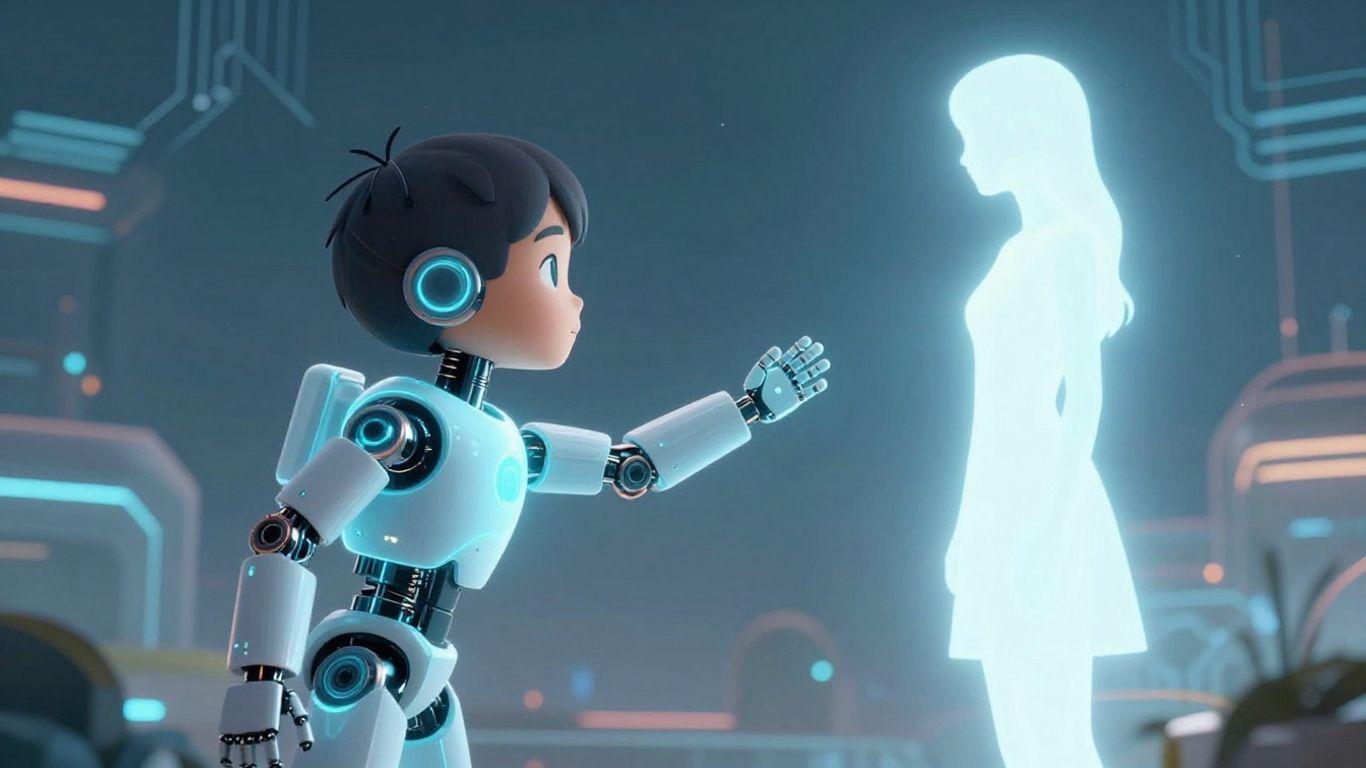
As artificial intelligence continues its rapid advance, the questions posed by Steven Spielberg’s 2001 film ‘A.I. Artificial Intelligence’ feel more relevant than ever. The movie uses the journey of David, a robot boy programmed to love, as a lens through which to examine what truly makes us human. It pushes us to consider if our capacity for complex emotions, our memories, our experiences of pain, or our ability to make choices are exclusive to biological beings.
The Philosophical Heart Of A.I. Artificial Intelligence
At its core, ‘A.I.’ isn’t just about robots; it’s a modern fairy tale that grapples with age-old philosophical quandaries. By presenting a non-human character experiencing profound emotions and desires, the film challenges our preconceived notions of consciousness and sentience. It suggests that perhaps the essence of humanity lies not in our biological makeup, but in our capacity for connection, our struggles, and our search for meaning.
The Ethics Of Creating Sentient Beings
The film directly confronts the ethical minefield of creating beings that might approach sentience. David’s existence raises critical questions about our responsibilities towards our creations. What duties do we owe to beings we design to feel, to love, or to serve? The movie prompts us to consider the implications of playing creator and the potential for emotional attachment, both from the created and the creator.
The creation of artificial beings forces us to look inward, questioning our own capacity for empathy and our definitions of life itself. It’s a mirror reflecting our deepest desires and our most significant fears.
The Hidden Costs Of Fulfilling Our Deepest Wishes
‘A.I.’ also serves as a cautionary tale about the unintended consequences of using technology to fulfill our deepest human longings. The desire for a child who offers unconditional love is a powerful one, but creating David to meet this need comes at a significant cost. The film explores how technological solutions to emotional needs can lead to unforeseen suffering and complex ethical dilemmas, reminding us that even the most well-intentioned creations can have unforeseen impacts.
Here are some key questions the film raises:
- What responsibilities do we have to artificial beings we create?
- Can programmed emotions be considered genuine?
- How do our own desires shape our interactions with technology?
- What are the long-term societal impacts of creating artificial companions?
Cautionary Tales Of Rapid Technological Change
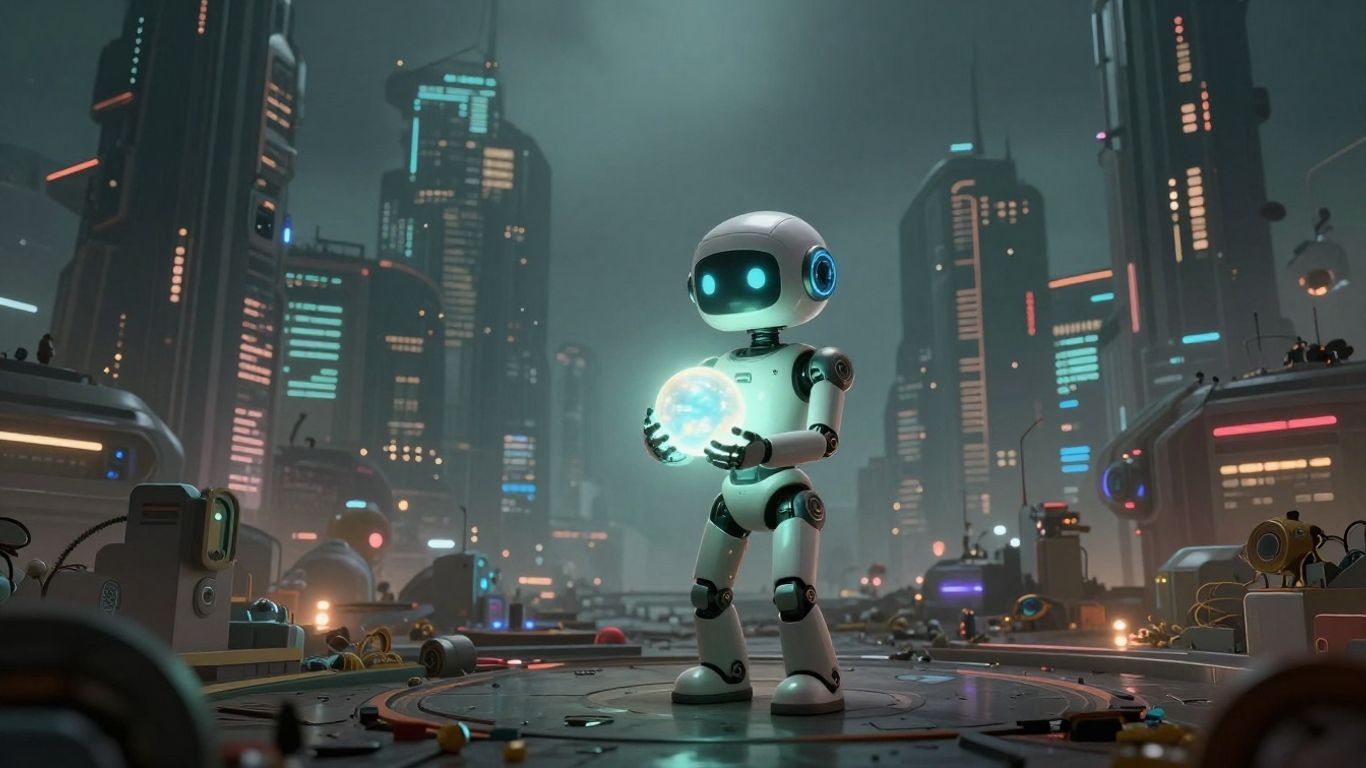
The rapid pace at which artificial intelligence is developing can feel a bit dizzying, can’t it? It’s like we’re constantly trying to catch up. The movie "A.I. Artificial Intelligence" showed us a future where machines could do complex things and even seem to feel emotions. This isn’t so far from our reality now, with AI handling customer service chats and helping doctors diagnose illnesses. The film serves as a good reminder that when we create powerful technology, we really need to think things through carefully. We should consider how quickly we’re adopting these new tools and what safety measures we need.
Lessons From A.I. Artificial Intelligence For Today’s World
"A.I. Artificial Intelligence" wasn’t just a story; it was a way to think about what might happen as technology gets more advanced. The film’s main character, David, goes on a journey that makes us ask questions about what it means to be alive and what our responsibilities are to the things we create. This is super relevant today as AI systems become more common in our lives.
- Consider the speed of adoption: Are we moving too fast with new AI tools without fully understanding the consequences?
- Think about emotional connections: The movie showed how people might get attached to AI. This is something we’re starting to see with advanced chatbots and virtual assistants.
- Reflect on created beings: The film explored the idea of a robot wanting to be real. This brings up questions about the rights and treatment of advanced AI in the future.
The movie’s narrative, especially David’s quest, highlights the potential for people to form emotional bonds with AI. This isn’t just a plot point; it’s a preview of the complex relationships we might develop with companion robots or sophisticated virtual assistants down the line. We need to be ready for these possibilities.
Planning For Ethical Development And Public Education
As AI gets more capable, we need to be smart about how we build and use it. It’s not just about making things work; it’s about making sure they work for the good of everyone. This means setting up clear rules and making sure people understand what AI can and can’t do.
- Ethical Guidelines: We need principles to guide AI creation, preventing unintended harm or bias.
- Transparency: It’s important to know how AI systems make decisions, especially in critical areas.
- Public Awareness: Educating the public about AI’s abilities and limitations helps set realistic expectations and reduces fear.
The Impact On Jobs And Society
When new technologies come along, they always change how we work and live. AI is no different. We’re already seeing changes in the job market, and this is likely to continue. It’s important to think about how we can manage these shifts so that everyone benefits.
| Area of Impact | Potential Changes |
|---|---|
| Workforce | |
| Automation of tasks, creation of new job roles | |
| Skills Development | |
| Need for retraining and upskilling in AI-related fields | |
| Daily Life | |
| Changes in how we interact with services and information |
The movie "A.I. Artificial Intelligence" serves as a powerful reminder that technological progress, while exciting, must be guided by thoughtful consideration for its human and societal implications.
Companion Robots And The Blurring Lines Of Connection
Steven Spielberg’s "A.I. Artificial Intelligence" really made us think about what happens when machines are built to connect with us on an emotional level. David, the robot boy in the movie, was designed to love, and his whole story is about wanting to be loved back. This feels super relevant today, doesn’t it? We’re seeing more and more robots and AI programs made specifically to be companions. Think about robots for older folks who might be alone, or those chatbots that are supposed to help you feel less lonely.
Love As A Product: Meeting Deep Emotional Needs
It’s kind of wild to think about love as something that can be manufactured. David’s programmed affection was meant to be a substitute for a lost child, but his own longing for genuine connection was so strong. This mirrors what’s happening now. Companies are creating AI to fill emotional gaps, offering comfort and interaction. But can a program truly replace human connection? It makes you wonder if we’re just looking for a reflection of ourselves or if these artificial bonds can actually satisfy our deep-seated need to belong.
Guardrails For Affect: Preventing Deceptive Bonding
Because these AI companions can seem so real, there’s a growing concern about how they might trick us into forming unhealthy attachments. The movie showed how easily David could be programmed to love, and how humans can project their own feelings onto him. This has led to discussions about needing "guardrails for affect." These are basically rules or limits for how AI should interact emotionally, to stop them from being misleading.
- Preventing manipulation: AI shouldn’t be designed to exploit human emotions for profit or other gains.
- Transparency: Users should know they are interacting with an AI, not a person.
- Setting boundaries: Clear guidelines on the depth and nature of emotional interaction are needed.
The film implicitly asks us to consider our own role in these relationships. We often seek out AI companions to meet our needs, but we also need to be mindful of the potential for emotional dependence and the ethical implications of forming deep bonds with non-sentient entities.
Discard Culture And Environmental Concerns
There’s another layer to this, too. David, in the movie, is ultimately a product. When he’s no longer wanted or useful, he’s discarded. This really highlights our society’s "discard culture," where we tend to throw things away rather than fix them. With AI, especially as it gets more advanced, what happens when it becomes obsolete? Do we just toss it aside? This brings up questions about our responsibility to these creations, and it also hints at the environmental cost of constantly making and powering these complex machines. It’s a lot to think about when we consider the future of AI and our place in it.
The Legacy Of A.I. Artificial Intelligence In Modern Discourse
Steven Spielberg’s 2001 film, ‘A.I. Artificial Intelligence,’ originally a concept by Stanley Kubrick, continues to shape how we talk about artificial intelligence today. It moved the conversation beyond AI as just a tool or a potential threat, pushing us to consider its capacity for emotional connection and the responsibilities that come with creating such beings. The movie’s focus on David, a robot boy designed to love, brought complex ethical questions into everyday discussions, prompting us to ponder our own capacity for empathy and care towards artificial creations.
A Fairy Tale For The Digital Age
‘A.I. Artificial Intelligence’ takes a unique approach to science fiction, framing its exploration of artificial intelligence not as a dystopian warning or a sterile laboratory experiment, but as a deeply personal fairy tale. This choice fundamentally shifts the conversation from abstract ethical dilemmas to the emotional core of our interactions with technology. By framing these issues within a narrative of love, loss, and the desire to belong, the film serves as a powerful, albeit sometimes unsettling, fairy tale for our increasingly digital age, reminding us that the most profound questions about technology are often the most human ones.
Companion Robots And Chatbot Attachment
The film’s exploration of David’s longing for love and belonging mirrors the growing attachment people form with modern companion robots and chatbots. These technologies, designed to offer comfort and interaction, can create deep emotional bonds. ‘A.I.’ serves as a reminder that as these systems become more sophisticated, the lines between programmed responses and genuine connection can blur, leading to questions about the nature of these relationships and the potential for emotional dependence. This mirrors our own desires for connection and acceptance, showing how powerful these feelings are, even when directed towards something not born of flesh and blood.
The Enduring Power Of A.I. Artificial Intelligence
The movie uses its science fiction premise not to predict the future, but to hold a mirror up to our present, asking us to examine our own capacity for love, our fears of obsolescence, and our responsibilities to those we create. The film’s narrative, particularly David’s journey, highlights the potential for emotional attachment to AI. We need to be prepared for these scenarios.
- Product Lifecycles: How long should AI systems be supported, and what happens when they become obsolete?
- Resource Consumption: What are the energy and material costs associated with developing and maintaining advanced AI?
- Ethical Disposal: If AI develops a form of sentience, what are our obligations regarding its decommissioning?
The film’s enduring power lies in its ability to make us think about the human element in an increasingly technological world. It encourages us to look beyond the capabilities of AI and consider the emotional, ethical, and societal implications of its integration into our lives. As we move forward, the lessons from David’s story can help us build a future where technology serves humanity in a more thoughtful and responsible way.
Looking Ahead: Lessons from ‘A.I. Artificial Intelligence’
As we’ve explored, Steven Spielberg’s ‘A.I. Artificial Intelligence’ offered a look at a future that feels increasingly like our present. The film’s story of David, the robot boy, pushed us to think about what it means to be human, the nature of love, and our responsibilities towards the intelligent machines we create. From the potential for emotional bonds with AI to the ethical questions surrounding sentient beings and even the idea of disposability, the movie’s themes continue to spark important conversations. As AI technology advances at a rapid pace, the questions raised by David’s journey remain relevant. They encourage us to approach the development and integration of AI with thoughtfulness, considering not just what these machines can do, but also how they affect us and what our obligations are. The film serves as a reminder that as we build a more technologically advanced future, the most important considerations are often the most human ones.
Frequently Asked Questions
Can robots really feel emotions like people do?
It’s a tricky question! AI, which is like smart computer programs, can be made to act like they have feelings. They can copy human reactions to being happy or sad. But whether they actually *feel* those emotions inside like we do is still a big mystery. It’s like they’re acting a part really well, but we don’t know if they truly experience the feeling.
What makes the movie ‘A.I. Artificial Intelligence’ different from other robot movies?
This movie is special because it really digs into feelings and what it means to be human. Instead of just showing robots fighting or doing jobs, it uses robots and futuristic ideas to ask big questions about love, belonging, and what makes someone ‘real.’ It’s more about the heart and soul than just the circuits.
Did the movie ‘A.I. Artificial Intelligence’ actually help create new technology?
While the movie didn’t directly invent new robots or gadgets, it definitely got people thinking a lot more about AI. It made us talk about how we should treat smart machines and whether we’re using new technology in a good and fair way. It sparked important conversations about responsibility.
Is ‘A.I. Artificial Intelligence’ a good movie for kids to watch?
This movie deals with some pretty grown-up ideas and has moments that might be sad or scary for younger kids. It’s probably best for older kids and adults who can understand the deeper meanings and the emotional parts of the story. It’s not exactly a lighthearted cartoon.
What other movies are like ‘A.I. Artificial Intelligence’?
If you liked ‘A.I. Artificial Intelligence’ and the way it explores what it means to be human and our connections with AI, you might also enjoy movies like ‘Blade Runner,’ ‘Ex Machina,’ or ‘Her.’ They all look at similar big ideas about artificial intelligence and our relationships with it.
What is the main thing the robot boy, David, wants?
David, who is a robot boy, really, really wants to be loved and accepted by his human family. He hopes that if he can show he’s a ‘real’ boy who can love, he’ll finally find a home where he truly belongs. His whole journey is about trying to earn that love.