
Man, 2004 was a wild year for video games. It feels like just yesterday we were all glued to our screens, exploring new worlds and getting our butts kicked. Looking back, it’s pretty amazing how many of these games from 2004 still hold up. Seriously, some of them are just timeless. So, let’s take a trip down memory lane and revisit some of the absolute best games that came out that year. You might be surprised how many you remember playing.
Key Takeaways
- 2004 was a standout year for video games, offering a diverse range of titles that remain enjoyable today.
- From groundbreaking shooters like Far Cry and Half-Life 2 to immersive RPGs like World of Warcraft, the year provided something for everyone.
- Iconic franchises like Grand Theft Auto, Halo, and Star Wars also released highly influential games in 2004.
- Indie darlings like Cave Story demonstrate that compelling gameplay and story can come from unexpected places.
- The enduring popularity of these games from 2004 highlights their quality and lasting impact on the gaming landscape.
1. Far Cry
Released in 2004, Far Cry was a groundbreaking first-person shooter that really pushed the boundaries of what was possible on PCs at the time. Developed by Crytek, this game dropped players onto a lush, tropical archipelago where they had to survive against a variety of enemies, including mercenaries and mutated creatures. What set Far Cry apart was its impressive open-world design and the sheer freedom it offered. You weren’t just following a linear path; you could approach objectives in multiple ways, using the environment to your advantage.
The graphics were stunning for their era, with detailed environments, realistic lighting, and impressive draw distances that made the islands feel vast and alive. The gameplay blended intense firefights with exploration, and the AI was quite advanced, making enemies react intelligently to your presence. It was a game that demanded tactical thinking and offered a truly immersive experience.
Far Cry’s success wasn’t just about its visuals or gameplay mechanics; it was about the feeling of being dropped into a dangerous, untamed world and having to figure things out on your own. The sense of discovery and the challenge it presented made it a standout title.
Here’s a look at some of its key features:
- Vast Open Environments: Explore large, detailed islands with diverse terrain.
- Advanced AI: Enemies react realistically to combat situations.
- Multiple Approaches: Tackle objectives using stealth, direct assault, or environmental tactics.
- Vehicle Combat: Utilize various vehicles to traverse the islands and engage in combat.
While the graphics might seem dated by today’s standards, the core gameplay and the sense of adventure in Far Cry still hold up remarkably well, making it a classic worth revisiting.
2. Cave Story
It’s not every day that a free game made by one person becomes a legend, but that’s exactly what happened with Cave Story back in 2004. Developed by Daisuke "Pixel" Amaya, this game is a masterclass in progressive exploration, often called a "Metroidvania" style game. You play as Quote, a silent protagonist who wakes up in a mysterious cave with amnesia. The story unfolds as you explore this strange world, encountering quirky characters, rescuing cute creatures called Mimigas, and uncovering a plot involving a mad doctor and a powerful artifact.
What really makes Cave Story stand out are its characters and world-building. The inhabitants of the island, particularly the Mimigas, are surprisingly endearing, and their plight forms the emotional core of the game. There’s a real sense of discovery as you piece together the island’s history and the reasons behind the conflict. Plus, there are plenty of little nods and inside jokes for players to find, adding to its charm.
The gameplay itself is a tight blend of shooting and platforming. You’ll find a variety of unique weapons, each with its own upgrade path, and the boss battles are particularly memorable. One recurring antagonist, the hulking Balrog, is a fan favorite, known for his brute strength and surprisingly comical moments.
Cave Story proved that a game doesn’t need a massive budget or a huge team to be incredibly impactful. Its tight controls, engaging story, and memorable characters created an experience that has stayed with players for years.
While the original freeware version is still available and absolutely worth playing, Cave Story has seen several commercial re-releases over the years, including a 3D version for the Nintendo 3DS. Regardless of how you play it, the magic of this indie gem remains intact.
3. The Chronicles of Riddick: Escape From Butcher Bay
Released in 2004, The Chronicles of Riddick: Escape From Butcher Bay wasn’t just another movie tie-in game; it was a standout title that surprised many. Developed by Starbreeze Studios, this Xbox exclusive managed to craft a compelling narrative that expanded on the character of Richard B. Riddick, the anti-hero from the films Pitch Black and The Chronicles of Riddick. The game plunges players into the role of Riddick as he attempts to break out of the maximum-security prison known as Butcher Bay. What makes this game so memorable is its blend of first-person shooter mechanics with stealth and survival elements.
Players are often forced to use the environment and Riddick’s own abilities, like his enhanced vision in the dark, to overcome guards and security systems. Combat is brutal and impactful, but it’s often more rewarding to avoid direct confrontation, using shadows and silent takedowns to your advantage. This approach builds a significant amount of tension, making those moments when you do have to fight feel all the more intense.
The game’s atmosphere is thick, with detailed environments and excellent voice acting that bring the grim world of Butcher Bay to life. It successfully captures the gritty, dangerous feel of the Riddick universe.
Escape From Butcher Bay also features a variety of gameplay scenarios that keep things fresh. You’ll find yourself engaging in close-quarters combat, using improvised weapons, and even participating in arena-style fights. The progression system allows players to upgrade Riddick’s skills and unlock new abilities, adding a layer of depth to the experience. Its innovative gameplay and strong narrative made it a benchmark for action-adventure games of its era.
Key elements that contributed to its success:
- Stealth Mechanics: Utilizing darkness and environmental cover to bypass enemies.
- Brutal Combat: Visceral close-quarters fighting and ranged encounters.
- Atmospheric World-Building: Detailed prison environments and a dark, gritty tone.
- Character Development: An engaging origin story for Richard B. Riddick.
- Varied Gameplay: A mix of combat, stealth, and puzzle-solving.
4. Lumines: Puzzle Fusion
Released in 2004, Lumines: Puzzle Fusion brought a fresh, stylish take to the puzzle genre. Developed by Q Entertainment, this game isn’t just about matching blocks; it’s an audiovisual experience. The core gameplay involves dropping two-colored blocks into a 16×16 grid. When you arrange them into 2×2 squares of the same color, they disappear. But here’s the twist: a sweeping timeline moves across the screen, clearing completed squares only when it passes over them. This adds a layer of timing and strategy that sets Lumines apart.
What really makes Lumines shine is its integration of music and visuals. Each game mode features a distinct musical track and a corresponding visual theme, creating a unique atmosphere. As you play, the music and visuals evolve, reacting to your progress and the blocks you clear. This synergy between gameplay, sound, and art is what makes Lumines so captivating.
- Core Gameplay: Match 2×2 blocks of the same color.
- Timeline Mechanic: Clears completed blocks as it sweeps across the screen.
- Audiovisual Synergy: Music and visuals dynamically change with gameplay.
- Game Modes: Offers various ways to play, including "Puzzle Mode" and "Time Attack."
The game’s simple yet deep mechanics, combined with its stunning presentation, make it incredibly addictive. It’s the kind of game that can pull you in for just a few minutes or keep you hooked for hours. Lumines: Puzzle Fusion is a perfect example of how a puzzle game can be both intellectually stimulating and aesthetically pleasing, a true classic from 2004 that still holds up today.
5. Half-Life 2
Released in 2004, Half-Life 2 is a game that still holds up remarkably well. Developed by Valve, it built upon the groundbreaking foundation of its predecessor, Half-Life, and delivered an experience that pushed the boundaries of what was possible in first-person shooters. The game puts players back in the shoes of Gordon Freeman, who returns to Earth decades after the Black Mesa incident to find it under the control of an alien empire known as the Combine.
What made Half-Life 2 so special was its incredible physics engine, the Source engine. This wasn’t just for show; it was deeply integrated into gameplay. The iconic Gravity Gun, for instance, allowed players to manipulate objects in the environment, turning everyday items into projectiles or using them to solve puzzles. This interactive world felt alive and responsive in a way few games had achieved before.
The narrative also took a significant leap forward. Instead of relying heavily on cutscenes, Half-Life 2 told its story through in-game events and character interactions. The journey through City 17 and its surrounding areas was filled with memorable characters, like the resourceful Alyx Vance, and a palpable sense of oppression under the Combine’s rule. The atmosphere was thick, thanks to excellent environmental design and a haunting soundtrack.
The game’s commitment to a cohesive world and emergent gameplay, driven by its advanced physics, set a new standard for interactive storytelling and player agency in the genre.
Here are some of the standout elements:
- Innovative Physics: The Source engine’s physics simulation was revolutionary, allowing for unprecedented interaction with the game world.
- Compelling Storytelling: A mature and engaging narrative delivered through in-game action and character dialogue.
- Memorable Characters: Gordon Freeman is joined by a cast of well-developed allies and formidable foes.
- Atmospheric World Design: City 17 and its environs are richly detailed, creating a believable and immersive setting.
Even today, playing Half-Life 2 feels remarkably fresh. Its blend of action, puzzle-solving, and narrative remains a masterclass in game design, proving that strong mechanics and a well-crafted world can stand the test of time.
6. World of Warcraft
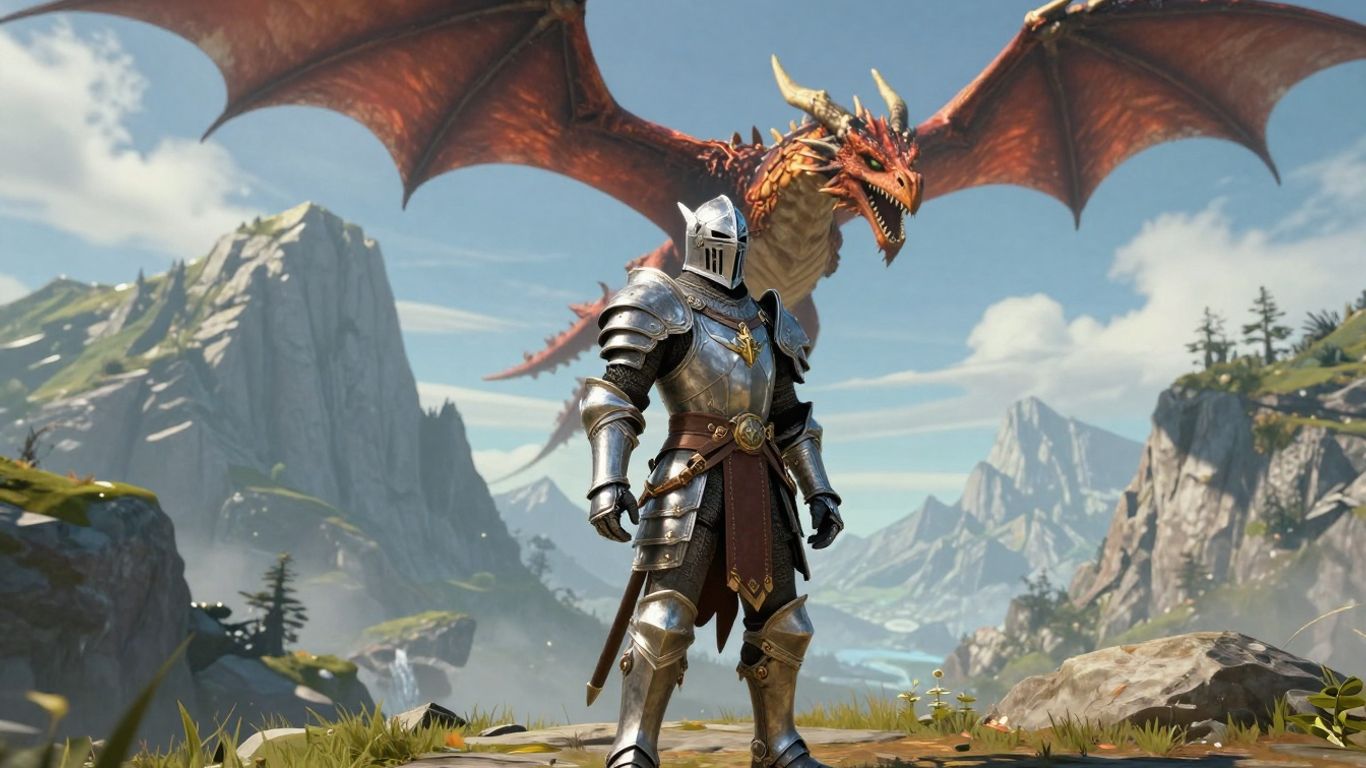
It’s hard to overstate the impact World of Warcraft had when it first launched in 2004. This massively multiplayer online role-playing game, or MMORPG, from Blizzard Entertainment didn’t just create a new world; it redefined one for millions of players. Before WoW, the genre existed, but it was often a niche pursuit, requiring significant technical know-how and a dedicated community. World of Warcraft changed all that, making the online fantasy world accessible and incredibly engaging for a much broader audience.
What made it so special? For starters, the game built upon the established lore of the Warcraft real-time strategy series, giving players a familiar yet expansive universe to explore. Azeroth was a vibrant place, filled with distinct continents, diverse races, and compelling storylines. Players could choose to align with either the noble Alliance or the fierce Horde, each offering unique races and starting zones that provided a strong sense of identity.
Beyond the lore, the game mechanics were incredibly polished for their time. The questing system, while now a standard in the genre, was particularly well-implemented, guiding players through the world with clear objectives and rewarding them with experience, items, and story progression. The social aspect was also a huge draw. Forming guilds, tackling dungeons with groups, and participating in player-vs-player combat were core experiences that fostered strong online communities.
World of Warcraft wasn’t just a game; it was a destination. Players invested hundreds, if not thousands, of hours into their characters, forging friendships and rivalries that often extended beyond the screen. It became a cultural phenomenon, influencing countless other games and shaping the online gaming landscape for years to come.
Here are some of the key elements that contributed to its enduring appeal:
- Vast World Exploration: From the lush forests of Elwynn Forest to the desolate plains of the Barrens, Azeroth offered an immense world to discover.
- Character Progression: A deep talent tree system and a wide variety of gear allowed for significant customization of player characters.
- Social Interaction: Guilds, group dungeons, and world PvP provided ample opportunities for players to connect and compete.
- Regular Content Updates: Blizzard consistently released expansions and patches, adding new zones, quests, dungeons, and features, keeping the game fresh and exciting.
While many games from 2004 have faded into memory, World of Warcraft remains a titan. Its initial release set a benchmark for MMORPGs, and its continued evolution has kept it relevant for over a decade, proving that a well-crafted online world can indeed stand the test of time.
7. Doom 3
Doom 3 arrived in 2004, and it was a bit of a departure from what many expected from the series. Instead of the fast-paced, arena-style combat of its predecessors, this entry leaned heavily into a more atmospheric, survival-horror experience. Set on Mars, players take on the role of a marine sent to investigate disturbances at a research facility. What unfolds is a terrifying descent into a hellish landscape, filled with demonic creatures and a palpable sense of dread.
The game’s focus on darkness and suspense was a significant shift, utilizing advanced lighting and shadow effects to create a truly unsettling environment. This meant that players often had to choose between holding a flashlight and their weapon, adding a layer of tactical decision-making to the intense combat encounters. The narrative also took a more serious turn, exploring themes of scientific hubris and demonic corruption.
Doom 3’s gameplay loop involved exploring claustrophobic corridors, battling hordes of demons, and piecing together the story through audio logs and environmental clues. While some players missed the old-school speed, many appreciated the new direction, which offered a fresh take on the iconic franchise.
The atmosphere in Doom 3 is thick. You’re constantly on edge, with jump scares and unsettling sounds around every corner. It really makes you feel vulnerable, which is a big change from the power fantasy of earlier Doom games.
Key elements that defined the Doom 3 experience:
- Atmospheric Horror: Emphasis on darkness, sound design, and suspense to create fear.
- Resource Management: Limited ammo and the flashlight mechanic forced careful planning.
- Intense Combat: Still featured plenty of demon-slaying, but with a more deliberate pace.
- Storytelling: A more involved plot with character interactions and environmental narrative.
Despite the initial mixed reactions regarding its gameplay style, Doom 3’s technical achievements and its bold reimagining of the Doom universe have cemented its place as a notable title from 2004. It proved that the series could evolve while still delivering a frightening and engaging experience.
8. Grand Theft Auto: San Andreas

Released in 2004, Grand Theft Auto: San Andreas was a massive leap forward for the series and the open-world genre. It took players to the fictional state of San Andreas, a sprawling map encompassing three distinct cities – Los Santos, San Fierro, and Las Venturas – along with the countryside in between. This was a huge increase in scale from previous titles, offering an unprecedented amount of freedom and exploration.
The game followed the story of Carl "CJ" Johnson, who returns to his hometown of Los Santos after his mother’s murder, only to get drawn back into the gang life he tried to leave behind. What set San Andreas apart was its sheer ambition. Beyond the typical Grand Theft Auto crime spree, players could engage in a wide variety of activities. CJ could manage his physique through diet and exercise, learn new skills like driving, flying, and even lockpicking, and customize his appearance with different clothes, haircuts, and tattoos.
This level of player agency was groundbreaking. The game featured:
- Vast open world: Three major cities and surrounding rural areas provided a huge playground.
- Deep character customization: Players influenced CJ’s physical attributes and style.
- Diverse gameplay mechanics: From driving and shooting to gang warfare and business management.
- Engaging narrative: A compelling story with memorable characters and a strong sense of place.
San Andreas wasn’t just about causing chaos; it was about building an empire, navigating complex relationships, and surviving in a dangerous world. The sheer amount of content and the freedom to approach objectives in multiple ways made it a landmark title that still holds up today.
The game’s ability to blend a serious narrative with over-the-top, often humorous, gameplay elements was a defining characteristic of its success. It offered a sandbox experience that few games could match at the time.
9. Halo 2
Halo 2 landed in 2004 and really changed the game for console shooters, especially when it came to playing with friends. This was the title that brought robust online multiplayer to the Xbox in a big way, letting players jump into matches across the globe. It wasn’t just about shooting aliens anymore; it was about competing with other people, forming squads, and establishing bragging rights.
The addition of online multiplayer was a massive leap forward for the series and console gaming as a whole. Beyond the multiplayer, Halo 2 also expanded on the story of Master Chief, introducing new characters and continuing the conflict with the Covenant. The gameplay itself felt refined, with tighter controls and new mechanics like dual-wielding weapons, which allowed for some pretty wild combat strategies.
Here’s a look at some of the key additions in Halo 2:
- Dual-Wielding: Players could now carry two weapons at once, doubling their firepower and tactical options.
- Expanded Multiplayer: Introduced features like matchmaking, custom games, and a ranking system that kept players coming back.
- New Vehicles and Weapons: Added more tools for both single-player and multiplayer combat, like the Brute Chopper and the SMG.
- Continuation of the Epic Story: The narrative picked up right after the first game, deepening the lore and setting the stage for future installments.
While the single-player campaign was a significant part of the experience, it was the multiplayer that truly cemented Halo 2’s legacy. The ability to easily connect with others and engage in intense firefights became a defining feature of the Xbox Live experience for many players.
The game’s impact on online console gaming is undeniable. It set a standard for what multiplayer shooters could be, influencing countless games that followed. Even today, many look back at Halo 2’s multiplayer as a golden era for online gaming.
10. Star Wars: Battlefront II
Released in 2005, Star Wars: Battlefront II took the galactic conflict to a whole new level, expanding on its predecessor’s foundation with more planets, heroes, and game modes. This title allowed players to experience battles from all eras of the Star Wars saga, from the Clone Wars to the Galactic Civil War and the rise of the New Republic.
What really set Battlefront II apart was its ambition. It wasn’t just about large-scale infantry combat; it introduced space battles where players could pilot iconic starfighters like X-wings and TIE fighters, dogfighting amidst capital ships. The addition of playable heroes and villains, such as Darth Vader, Luke Skywalker, and Yoda, added a significant strategic layer, allowing skilled players to turn the tide of battle.
Key features that made this game a standout include:
- Galactic Conquest Mode: A strategic mode where players capture planets, manage resources, and build armies to conquer the galaxy.
- Hero and Villain System: Unique characters with special abilities that can dramatically impact gameplay.
- Expanded Vehicle Roster: A wide array of ground and air vehicles from across the Star Wars universe.
- Multiplayer Focus: Robust online modes that allowed for massive battles with friends and strangers alike.
The game’s campaign, which followed the story of a special Imperial unit known as the 501st Legion, provided a unique perspective on the events of the films, showing the war from the Empire’s side. This narrative approach was a fresh take for a Star Wars game.
While later entries in the Battlefront series have come and gone, the 2005 Star Wars: Battlefront II remains a beloved classic for many fans. Its blend of ground combat, space battles, and iconic characters created an experience that truly felt like stepping into the Star Wars universe.
Looking Back, Moving Forward
It’s pretty wild to think about how many amazing games came out in 2004. We’ve talked about some real gems here, titles that really set a standard and still hold up today. Whether it was the immersive worlds, the clever gameplay, or just that special something that made them unforgettable, these games left a mark. It’s a good reminder that while new games are always exciting, there’s a lot of joy to be found in revisiting the classics. These titles from 2004 are more than just old games; they’re a testament to enduring design and pure fun, proving that great experiences never really go out of style.
Frequently Asked Questions
Why are these specific games from 2004 being highlighted?
This list focuses on games from 2004 that were groundbreaking or incredibly fun, offering experiences that still hold up today. They represent a mix of popular hits and unique gems that made a big splash when they first came out.
Are these games still playable on modern systems?
Many of these classics have been re-released on newer consoles or are available through digital storefronts. Some might require a bit of searching or emulation, but the effort is often worth it to experience these legendary titles.
What makes a game from 2004 ‘still shine’ today?
Games that ‘still shine’ usually have timeless gameplay, engaging stories, memorable characters, or innovative features that were ahead of their time. Even with older graphics, their core design keeps them enjoyable for new and old players alike.
Is this list based on sales or critical reviews?
This list is more about personal enjoyment and lasting impact. While many of these games were popular and well-reviewed, the focus is on titles that offer a truly special and memorable gaming experience that continues to impress.
Why are some really popular games from 2004 missing?
This list isn’t meant to include every single great game from 2004. It’s a curated selection highlighting specific reasons why these particular titles stand out. There are so many fantastic games from that year, and this is just a taste of what made it special.
Can I play these games with friends?
Several games on this list, like Halo 2 and Grand Theft Auto: San Andreas, feature multiplayer modes that were hugely popular. While online play might be tricky for some older titles, many offer local co-op or competitive options that are still a blast to play with others.