
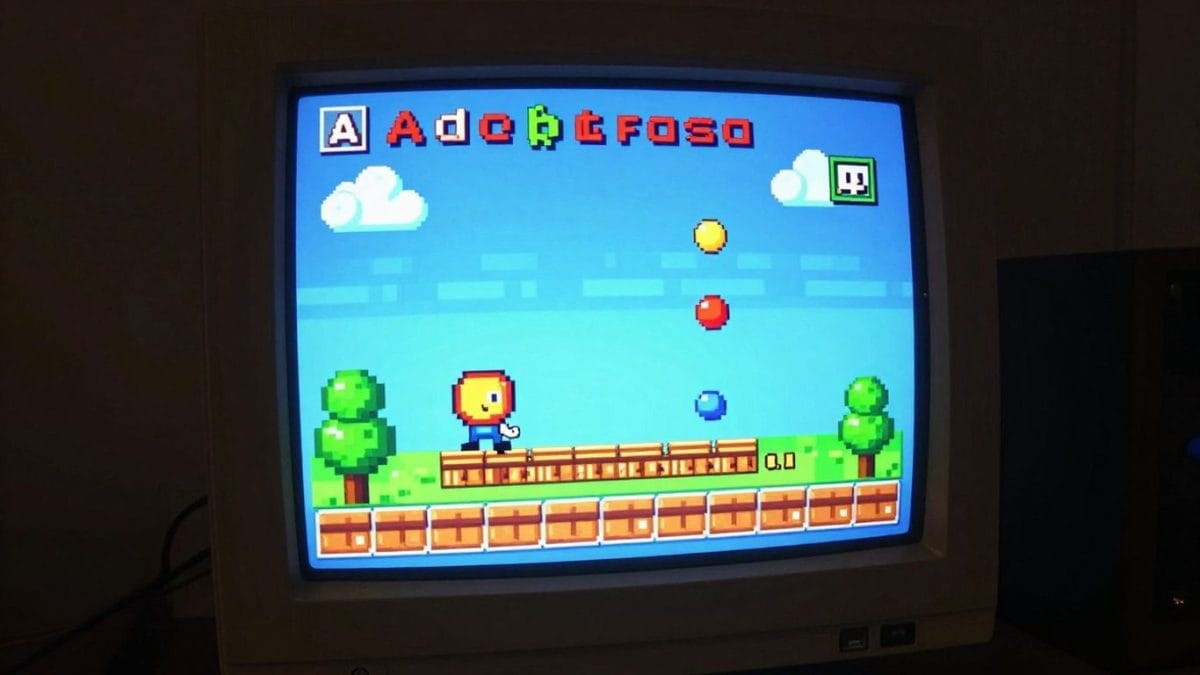
Remember those endless hours spent clicking away at quirky browser games? The ones that often popped up in a separate window, demanding your full attention? For many of us, those were the golden days of online gaming, powered by Adobe Flash. But as you probably know, Flash has officially sailed off into the sunset. Adobe pulled the plug on its support at the end of 2020, meaning those once-ubiquitous games are now, well, technically inaccessible through traditional means. It’s a bit of a bummer, right? You might be thinking, ‘So, that’s it? All those memories, gone?’ Not so fast. While Flash itself is gone, the spirit of those games, and the games themselves, can absolutely still be enjoyed. It just takes a little know-how, a bit of digital archaeology, if you will. Finding Your Way Back to Flash Favorites. So, how do we bridge this gap? Thankfully, there are a few clever workarounds that let you dive back into the nostalgia. Think of it as finding a secret portal to a bygone era of web entertainment. One of the most straightforward approaches involves using specialized browsers or browser extensions. While most modern browsers have ditched Flash support entirely, some have found ways to emulate it. For instance, browsers like Opera GX, which is specifically geared towards gamers, can often leverage Chrome extensions. This means you might be able to find extensions designed to download or play Flash content directly, even if the browser itself doesn’t natively support Flash anymore. It’s like giving your browser a special adapter for old-school tech. Dedicated Archives: A Treasure Trove of Games. Beyond browser tricks, there are dedicated projects that have taken on the monumental task of preserving Flash games. These are essentially digital museums for your favorite pastimes.
Key Takeaways
- Adobe Flash Player’s support ended in 2020, making most original Flash games unplayable through standard web browsers.
- Specialized browsers and browser extensions can help emulate Flash content, allowing access to older games.
- Dedicated archives like Flashpoint and the Internet Archive are preserving thousands of Flash games for future play.
- Community-driven projects play a vital role in maintaining access to these digital relics of internet history.
- Even without the original Flash Player, nostalgic journeys into Flash mini golf and other genres are still possible through emulation and archives.
Rediscovering Your Favorite Adobe Flash Games
The End of an Era for Flash
Remember those hours spent clicking away at quirky browser games? The ones that often popped up in a separate window, demanding your full attention? For many of us, those were the golden days of online gaming, powered by Adobe Flash. But as you probably know, Flash has officially sailed off into the sunset. Adobe pulled the plug on its support at the end of 2020, meaning those once-ubiquitous games are now, well, technically inaccessible through traditional means. It’s a bit of a bummer, right? You might be thinking, ‘So, that’s it? All those memories, gone?’ Not so fast. While Flash itself is gone, the spirit of those games, and the games themselves, can absolutely still be enjoyed. It just takes a little know-how, a bit of digital archaeology, if you will.
Bridging the Gap to Past Favorites
So, how do we bridge this gap? Thankfully, there are a few clever workarounds that let you dive back into the nostalgia. Think of it as finding a secret portal to a bygone era of web entertainment. One of the most straightforward approaches involves using specialized browsers or browser extensions. While most modern browsers have ditched Flash support entirely, some have found ways to emulate it. For instance, browsers like Opera GX, which is specifically geared towards gamers, can often leverage Chrome extensions. This means you might be able to find extensions designed to download or play Flash content directly, even if the browser itself doesn’t natively support Flash anymore. It’s like giving your browser a special adapter for old-school tech.
The Enduring Appeal of Flash Gaming
Chunky monitors, keyboards that clicked like a tiny typewriter orchestra, and the ritual of burning music CDs – these are the sensory snapshots of the 2000s. And right there, nestled amongst those memories, was the undeniable charm of Flash games. For so many of us who navigated the early internet, these games weren’t just distractions; they were portals. They represent a simpler, perhaps more innocent, digital era before the omnipresent glow of smartphone screens and the endless scroll of app stores. Cartoonish graphics, surprisingly deep gameplay, and sheer, unadulterated fun were packed into these bite-sized experiences. Who can forget the frantic clicking of Sonic, the surprisingly strategic depth of Tower Defense games, or the sheer joy of guiding a character through the whimsical world of Fancy Pants? These titles, and countless others, held us captive for hours.
The technology that powered them, Adobe Flash Player, eventually met its end. Adobe officially discontinued support for Flash Player at the end of 2020, citing security vulnerabilities and the rise of more modern web technologies. This effectively shut down many of the platforms where these beloved games once lived.
Yet, the spirit of Flash gaming isn’t entirely gone. The nostalgia is strong, and thankfully, there are ways to access these digital relics. The key lies in finding "unblocked" versions or emulators. Many dedicated communities and websites have sprung up, working to preserve these games. They often use technologies like Ruffle, an emulator written in Rust, which allows Flash content to run directly in modern web browsers without needing the original Flash Player plugin. Think of it as a digital time capsule, carefully maintained so we can still peek inside.
Utilizing Specialized Browsers and Extensions
Remember those days when Flash games just worked? You’d click a link, a little window would pop up, and hours would vanish. With Adobe officially retiring Flash Player at the end of 2020, that direct path to many of your favorite browser games has closed. But don’t worry, the digital doors aren’t entirely shut. You can still get back to those pixelated worlds with a little help from specialized browsers and clever extensions.
Browsers with Built-in Emulation
While most mainstream browsers like Chrome and Firefox have long since dropped Flash support, some newer or more niche browsers have stepped in to fill the void. These browsers often include built-in emulation capabilities, meaning they can run Flash content without needing the old, unsupported Flash Player plugin. Think of it as having a built-in translator for old digital languages.
- Opera GX: This browser is designed with gamers in mind and often has features that allow it to run older web technologies. It can sometimes work with extensions that help access Flash content.
- Pale Moon: A fork of older Firefox code, Pale Moon aims to maintain support for technologies that newer browsers have abandoned. It might require specific configurations or add-ons.
- Waterfox: Similar to Pale Moon, Waterfox is another browser that tries to keep older web standards alive, potentially offering a way to run Flash games.
Leveraging Browser Extensions for Flash Content
Even if your preferred browser doesn’t have built-in Flash emulation, browser extensions can often provide the necessary bridge. These add-ons can help download Flash files (.SWF) or even run them directly within the browser window. It’s like giving your browser a special toolkit for old games.
Here’s a general approach to using extensions:
- Find a Reputable Extension: Search your browser’s extension store (or a trusted third-party site) for terms like "Flash Player emulator" or "SWF player." Look for extensions with good reviews and a clear description of what they do.
- Install the Extension: Follow the standard installation process for your browser.
- Access Flash Content: Once installed, the extension might automatically detect Flash content on a webpage, or you might need to manually load a downloaded .SWF file into it.
It’s important to be cautious when installing extensions, especially those that handle executable content, as security is a primary concern.
The shift away from Flash was driven by security concerns and the evolution of web technologies. While modern browsers prioritize safety and performance, this left a gap for the vast library of Flash-era games. Specialized tools aim to recreate a safe environment for experiencing these digital artifacts.
A Practical Approach to Accessing Flash Games
Combining a browser that’s more amenable to older technologies with a well-chosen extension can be your best bet. For instance, you might use Opera GX and then look for an extension that specifically helps you play downloaded .SWF files. Alternatively, some extensions are designed to capture Flash content from websites before it disappears entirely, allowing you to save and play games offline.
| Browser Type | Built-in Emulation | Extension Compatibility | Ease of Use (Flash) | Security Considerations |
|---|---|---|---|---|
| Modern (Chrome, FF) | No | High | Low (needs extension) | Moderate (via extension) |
| Gaming-focused (GX) | Sometimes | High | Moderate | Moderate (via extension) |
| Legacy-focused (Pale) | Yes (often) | Moderate | High | Moderate (older tech) |
Exploring Dedicated Archives for Adobe Flash Games
Flashpoint: A Comprehensive Game Archive
Flashpoint is a massive project, put together by a whole bunch of people who really care about keeping Flash games playable. Think of it like a huge digital library specifically for these old games. You download their special software, and it opens up a massive collection. You can look through different categories, pick a game you remember, and play it right there in its own little window. It’s really thorough and a great way to find those games you thought were lost forever.
The Flash Games Archive Experience
Another solid option is the Flash Games Archive. This one works a bit differently. You download a file, unpack it, and then run a program that shows you a list of all the games. It’s a little more hands-on than Flashpoint, but the end result is the same: you get access to tons of Flash titles ready to go.
Accessing Games Through the Internet Archive
The Internet Archive is a well-known resource for all sorts of digital history, and it has a section dedicated to Flash software, including a huge number of games. What’s cool about this is that it often uses emulation right in your web browser. You just go to their Software Library: Flash section, choose a game, and usually, a button will pop up to start it. Sometimes the controls aren’t super clear at first, but a little trial and error with common keys like WASD or the arrow keys usually gets you playing. It’s a pretty simple way to jump back into the action.
These dedicated archives are like digital time capsules. They represent a significant effort to preserve a piece of internet history that might otherwise have vanished completely. The dedication of the people behind these projects is what allows us to revisit these interactive experiences.
Community Efforts in Preserving Flash Gaming
It’s a bit of a bummer, right? You might be thinking, ‘So, that’s it? All those memories, gone?’ Not so fast. While Flash itself is gone, the spirit of those games, and the games themselves, can absolutely still be enjoyed. It just takes a little know-how, a bit of digital archaeology, if you will. Thankfully, a dedicated group of people has stepped up to make sure these digital relics aren’t lost forever. These community-driven projects are essentially digital museums for your favorite pastimes, working tirelessly to keep the flame of Flash gaming alive.
The Role of Community-Driven Projects
When Adobe officially pulled the plug on Flash Player at the end of 2020, many feared that countless hours of interactive entertainment would simply vanish. However, the passion of gamers and digital archivists meant that this wasn’t the end. Projects like BlueMaxima’s Flashpoint have taken on the monumental task of archiving Flash games and animations. They’ve created vast libraries, often downloadable as standalone applications, that allow you to play these games as they were originally intended. This means you can still experience the quirky humor, the addictive gameplay, and the sheer creativity that defined an era of the internet. These efforts are vital for preserving a significant piece of internet history.
Ensuring Playability for Future Generations
These preservation efforts go beyond just storing files. The goal is to make these games playable for years to come, even as technology evolves. This often involves using emulation software that can run Flash content within modern browsers or dedicated applications. Think of it like having a special adapter for old-school tech. Some projects focus on capturing the gameplay and metadata, while others aim to create fully functional emulators. The result is a collection of games that can be accessed and enjoyed by anyone, regardless of whether they had the original Flash Player installed. It’s a way to pass on these digital artifacts to future generations who might otherwise never know about them.
Digital Museums of Interactive Entertainment
These community archives function as true digital museums. They offer more than just a way to play games; they provide context and a sense of history. You can often browse games by genre, developer, or even by the year they were released. Some platforms even include information about the game’s development or its cultural impact. It’s a fascinating way to explore the evolution of web-based gaming and to rediscover forgotten gems. For instance, the Internet Archive has a dedicated section for Flash software, allowing you to play many titles directly in your browser using emulation. It’s a simple, accessible way to jump right back into the action and explore a vast collection of interactive entertainment. You can find similar resources and discussions about AI models on platforms like Poe and Discord chatbots.
Here’s a look at some key aspects of these preservation efforts:
- Archiving Scope: Projects aim to save as many Flash games and animations as possible, often numbering in the tens of thousands.
- Emulation Technology: Development of emulators like Ruffle is key to running Flash content on modern systems.
- Accessibility: Making these archives easy to download and use is a priority for widespread access.
- Community Contribution: Many projects rely on volunteers to help identify, download, and test games.
The dedication of these communities is what keeps a vibrant part of internet culture from fading away. They are the guardians of our digital past, ensuring that the fun and creativity of Flash gaming remain accessible.
Nostalgic Journeys Through Flash Mini Golf
The Charm of Classic Flash Mini Golf
Remember those endless afternoons spent hunched over a computer, the satisfying click of a mouse launching a tiny golf ball across a pixelated fairway? For many of us, Flash mini golf games were a gateway to digital fun, a simple yet captivating way to unwind. Games like ‘Mini Golf World’ offered challenging courses with water hazards and sand traps, demanding precision and a bit of luck. The thrill of sinking a tricky putt or the groan of a ball splashing into the water – it was all part of the charm. These games, while simple by today’s standards, offered unique twists and plenty of replayability.
Reviving Lost Mini Golf Titles
But then, the inevitable happened. Adobe Flash Player, the engine behind so many of these beloved games, was retired. Suddenly, those familiar links led to dead ends, or worse, frustrating error messages. It felt like a whole era of gaming was suddenly inaccessible, a digital ghost town. Fear not, fellow mini golf enthusiasts! The good news is that the spirit of Flash gaming isn’t entirely gone. For those still yearning to hit the virtual links, there are ways to bring these classics back to life. One popular method involves using a Chrome extension specifically designed to run Flash content. Simply adding this to your browser can unlock a treasure trove of games that were once thought lost. It’s like finding a secret passage back to your favorite arcade.
Exploring Diverse Mini Golf Gameplay
Beyond the classic ‘Mini Golf World,’ the world of Flash mini golf was surprisingly diverse. We had titles like ‘Pocket Golf,’ which focused on quick, three-putt challenges, and ‘Stick Golf,’ where the goal was that elusive hole-in-one. Then there were the more adventurous takes, like ‘Gravitee,’ which boldly took golf into outer space, or ‘Mini Golf Battle Royale,’ a chaotic take on the genre where only one player could emerge victorious from a field of 50. For those who enjoyed the more robust, 3D experiences, games like ‘3D MiniGolf’ offered a more polished presentation. This title, available on platforms like Steam, boasted 54 challenging holes across various themed scenarios – think lush parks, mountain campsites, and sandy beaches. It even featured modes for solo play, local multiplayer for up to four friends, and a medal system to track your achievements. While not a Flash game in the traditional sense, it represented the evolution of the genre that Flash gaming helped pioneer.
So, whether you’re looking to revisit a nostalgic favorite or discover the quirky charm of Flash-era mini golf, the tools and the games are still out there. It just takes a little bit of know-how to get them running again. It’s a reminder that even as technology marches forward, the joy of a well-played putt can transcend any era.
Finding Unblocked Adobe Flash Games
Searching for Accessible Flash Game Platforms
Remember those endless afternoons spent hunched over a computer, the satisfying click of a mouse launching a tiny golf ball across a pixelated fairway? For many of us, Flash mini golf games were a gateway to digital fun, a simple yet captivating way to unwind. Games like ‘Mini Golf World’ offered challenging courses with water hazards and sand traps, demanding precision and a bit of luck. The thrill of sinking a tricky putt or the groan of a ball splashing into the water – it was all part of the charm.
But then, the inevitable happened. Adobe Flash Player, the engine behind so many of these beloved games, was retired. Suddenly, those familiar links led to dead ends, or worse, frustrating error messages. It felt like a whole era of gaming was suddenly inaccessible, a digital ghost town.
Fear not, fellow mini golf enthusiasts! The good news is that the spirit of Flash gaming isn’t entirely gone. For those still yearning to hit the virtual links, there are ways to bring these classics back to life. One popular method involves using a Chrome extension specifically designed to run Flash content. Simply adding this to your browser can unlock a treasure trove of games that were once thought lost. It’s like finding a secret passage back to your favorite arcade.
The Importance of Emulators
Beyond browser tricks, there are dedicated projects that have taken on the monumental task of preserving Flash games. These are essentially digital museums for your favorite pastimes. Flashpoint is a prime example, a massive, community-driven project aimed at archiving and ensuring the playability of Flash games. You download the Flashpoint software, and it opens up a vast library of games. You can browse by category, pick a title, and play it in a dedicated window. It’s incredibly comprehensive and a fantastic way to rediscover forgotten gems.
Similarly, the Flash Games Archive offers another excellent collection. You download a file, extract it, and then run an executable that presents you with a catalog of games. It’s a bit more hands-on, but the result is the same: access to a huge number of Flash titles ready to be played.
Revisiting a Bygone Internet Era
And then there’s the venerable Internet Archive. This incredible resource has a dedicated section for Flash software, including a vast collection of games. What’s neat about this approach is that it often uses emulation directly within your browser. You navigate to the Software Library: Flash section, pick a game, and often, a ‘Click to Begin’ button will launch it. While control details aren’t always obvious, a bit of experimentation with common keyboard controls (like WASD or arrow keys) usually does the trick. It’s a simple, accessible way to jump right back into the action.
It’s truly heartening to see these efforts to keep these pieces of internet history alive. So, if you’ve been missing those classic Flash games, don’t despair. With these methods, you can easily relive those gaming memories and discover new ones, all without needing the original Flash Player.
The Games Live On
So, while Adobe Flash itself is no longer supported, the games that defined a generation of internet users aren’t lost forever. With tools like Ruffle, dedicated archives like Flashpoint, and the vast resources of the Internet Archive, you can absolutely still jump back into those pixelated worlds. It might take a little digging, and perhaps trying out a few different methods, but the reward is well worth it. Reliving those gaming memories, or even discovering them for the first time, is more accessible than you might think. These games represent a unique piece of internet history, and thankfully, there are passionate communities working to keep that history playable for everyone.
Frequently Asked Questions
Why can’t I play Flash games on my browser anymore?
Adobe, the company that made Flash, stopped supporting it at the end of 2020. This means most web browsers no longer allow Flash games to run because they can be unsafe and use old technology.
What is an emulator for Flash games?
An emulator is like a special program that pretends to be the old Flash Player. It lets modern computers and browsers run Flash games without needing the original Flash software. Ruffle is a popular example of a Flash emulator.
Where can I find Flash games to play now?
There are several websites that have saved Flash games. Projects like Flashpoint and the Internet Archive have huge collections of games that you can download or play directly on their sites using emulators.
Is it safe to play old Flash games?
Playing Flash games through dedicated archives or emulators like Flashpoint is generally safe. These projects carefully select and test games. However, avoid downloading Flash files from untrusted sources, as old Flash technology could sometimes have security risks.
Can I play Flash games on my phone?
Playing Flash games directly on most phones can be tricky because mobile browsers don’t support Flash. However, some dedicated apps or emulators might allow you to play them, or you could try accessing websites that use emulators that work on mobile.
Will all my favorite Flash games be available to play?
Many popular Flash games have been saved by preservation projects, so there’s a good chance you can find your favorites. However, some very obscure or less popular games might be lost forever if they weren’t archived.