
Keeping up with the entertainment industry news can feel like a full-time job these days. Things change so fast, right? One minute something is everywhere, and the next, it’s old news. From how we watch shows to what we’re wearing, it’s all connected. This article is about looking at what’s happening now and how to stay on top of it all. We’ll touch on the big shifts, what’s trending, and why staying informed matters.
Key Takeaways
- The entertainment world is always changing because of digital tech and how people like to watch things now. Streaming and on-demand content are huge.
- Pop culture really influences fashion and other trends. Think about how movies and music can make certain styles popular.
- New platforms and the creator economy mean more people can make and share content, changing the game for everyone.
- Having core values like integrity and focusing on customers is important, especially when things are changing fast in media.
- Staying informed about entertainment industry news, like through shows such as Daily Flash, helps you understand these shifts and trends.
Navigating the Evolving Entertainment Landscape
The world of entertainment is changing fast, and keeping up can feel like a full-time job. It’s not just about new movies or music anymore; it’s about how we get them, who makes them, and what we expect from them. This shift is driven by big changes in technology and how people like to consume content.
Understanding the Impact of Digital Transformation
Digital technology has completely reshaped how entertainment is made and shared. Before, getting content to audiences meant big studios, physical distribution, and limited channels. Now, the internet allows almost anyone to create and share their work globally. This has lowered the barriers to entry significantly. Companies that used to control everything now have to work with new platforms and creators. It’s a big shift from the old days where starting a broadcast channel required massive investment and regulatory hurdles.
Adapting to Shifting Consumer Behaviors
What people want and how they want it has changed too. We’re spending more time online than ever before, often on phones and computers. For example, research shows adults now spend close to a full day each week looking at screens. This means people are watching more video content online, sometimes even more than traditional TV. This trend isn’t uniform across all groups, though. Younger generations, like Millennials, are much more likely to prefer convenience over perfect viewing quality and often watch content on the go. Non-white viewers also tend to prioritize convenience more than white viewers. These changing habits mean companies need to be flexible.
The Role of Technology in Content Distribution
Technology is the engine behind these changes. Streaming services, for instance, have become huge, with some spending billions on new content each year. They rely on robust digital infrastructure to deliver shows and movies instantly to millions. This tech also enables new ways for creators to reach audiences directly, bypassing traditional gatekeepers. The speed at which technology advances means that what works today might be outdated tomorrow. Companies must constantly evaluate and adopt new technologies to stay relevant and reach their audience effectively.
Key Trends Shaping the Entertainment Industry
The entertainment world is always on the move, and keeping up can feel like a full-time job. Several big shifts are changing how we consume and create content. It’s not just about what’s popular; it’s about how and where we find it, and who’s making it.
Pop Culture’s Influence on Fashion and Trends
What we see on screens and hear in music directly impacts what we wear and how we express ourselves. Think about how a hit movie or a viral music video can suddenly make a certain style or item of clothing incredibly popular. This connection between pop culture and fashion is stronger than ever, with social media acting as a fast track for these trends to spread globally. From the red carpet to everyday street style, entertainment figures and fictional characters often set the tone.
- Movie Releases: Blockbuster films often spark fashion trends, like the recent surge in specific styles seen in the Barbie movie or the gothic looks inspired by Wednesday.
- Music Artists: Musicians, especially those on major tours or releasing new albums, frequently influence fashion choices, from concert attire to everyday wear.
- Social Media Virality: Online challenges and viral moments can quickly turn niche aesthetics into mainstream fashion statements.
The rapid spread of trends, often amplified by social media, means that what’s popular can change very quickly. This creates a dynamic environment where brands and individuals alike need to stay attuned to cultural moments.
The Rise of Streaming and On-Demand Content
Gone are the days when everyone had to tune in at a specific time to catch their favorite show. Streaming services have completely changed the game. Now, we can watch what we want, when we want, on almost any device. This shift means that content creators and distributors have to think differently about how they reach audiences. The sheer volume of content available means that standing out is a real challenge.
- Subscription Models: Services like Netflix, Disney+, and Max offer vast libraries of movies and shows for a monthly fee.
- Original Content: Streaming platforms are investing heavily in producing their own exclusive shows and films to attract and keep subscribers.
- Global Reach: Digital distribution allows content to reach audiences worldwide almost instantly, breaking down geographical barriers.
Emerging Platforms and Creator Economy
Technology has made it easier than ever for individuals to create and share their own content. Platforms like YouTube, TikTok, and Twitch have given rise to a new generation of creators who build careers by producing videos, music, and other digital media. This
Staying Informed with Daily Flash
Daily Flash: Your Source for Entertainment News
In today’s fast-paced world, keeping up with the entertainment industry can feel like a full-time job. From viral social media moments to the latest blockbuster releases and celebrity news, the landscape shifts constantly. Daily Flash is designed to cut through the noise and deliver the essential updates you need. It’s a dynamic show that focuses on trending topics, pop culture history, and the pulse of fashion, entertainment, and celebrity news. Think of it as your quick, reliable guide to what’s happening now and what’s coming next, without the endless scrolling.
Engaging Segments on Pop Culture and Trends
Daily Flash breaks down complex cultural moments into easy-to-understand segments. Whether it’s analyzing the biggest fashion trends inspired by recent movies or understanding the cultural impact of a new music release, the show makes staying informed accessible and enjoyable. For instance, a recent segment might have explored the top Halloween costume trends of 2023, linking them directly to major pop culture hits like the Barbie movie, the Super Mario Bros. film, and the rise of celebrity power couples. This approach helps viewers not just see what’s trending, but also grasp why it’s trending.
Here’s a look at how pop culture influences trends, as often seen on Daily Flash:
- Movie Impact: Blockbuster films often dictate fashion choices and popular culture references for months.
- Music Influence: Major album releases or concert tours can spark new fashion styles and social media challenges.
- Celebrity Culture: The personal lives and public appearances of well-known figures frequently set trends in lifestyle and fashion.
- Social Media Virality: Online trends can quickly become mainstream, influencing everything from language to consumer behavior.
Understanding these connections is key to staying relevant in conversations and cultural discussions. Daily Flash provides the context needed to make sense of these rapid shifts.
Expert Hosts and Up-to-Date Coverage
The show is anchored by experienced hosts who bring energy and insight to every topic. They cover a wide range of subjects, from the latest Hollywood buzz to emerging internet phenomena. This ensures that the content is not only current but also presented with a level of understanding that goes beyond surface-level reporting. By focusing on fresh, up-to-the-minute stories in an engaging format, Daily Flash ensures you’re always in the loop, making it a go-to source for anyone wanting to stay ahead of the curve in the ever-changing world of entertainment and culture.
The Importance of Core Values in Media
In the fast-paced world of entertainment and media, it’s easy to get caught up in the latest trends and technological shifts. But beneath the surface of innovation and disruption, a strong foundation of core values is what truly keeps organizations stable and moving forward. Without a clear set of guiding principles, even the most cutting-edge companies can lose their way.
Integrity and Morals in Entertainment Organizations
Research has shown that media and entertainment companies are sometimes less likely than other industries to explicitly identify "integrity or morals" as a core value. This is a significant point. When integrity is a cornerstone, it influences everything from content creation to business dealings. It builds trust with audiences and stakeholders alike. Think about how a company’s reputation is built over years, but can be damaged in an instant by a lapse in ethical conduct. Maintaining a commitment to honesty and ethical practices isn’t just good for public relations; it’s vital for long-term survival and growth.
Balancing Innovation with Ethical Practices
Innovation is key in the entertainment industry, but it shouldn’t come at the expense of ethics. The digital age has lowered barriers to content creation, meaning more voices can be heard. This democratization is exciting, but it also means that established organizations have a responsibility to set a high standard. It’s about finding that sweet spot where new ideas can flourish, but within a framework that respects audiences, creators, and the broader community. This balance is what allows for progress without compromising on what’s right.
Customer Focus in a Disruptive Market
Understanding who you’re creating for is paramount, especially when consumer habits are constantly changing. For instance, younger demographics might prioritize convenience in viewing, while older generations might lean towards quality. Acknowledging these differences and adapting content and distribution strategies accordingly is a sign of a customer-focused approach. This means actively listening to feedback and being willing to adjust, rather than sticking rigidly to old models. It’s about recognizing that the audience is the ultimate arbiter of success, and their needs should guide business decisions. This focus helps companies stay relevant and build lasting connections.
The media landscape is always shifting, and while technology plays a big part, the human element—guided by strong values—is what truly connects with people. It’s about more than just producing content; it’s about building a legacy of trust and quality.
Disruption and Adaptation in Media
Challenges Posed by Technological Advancements
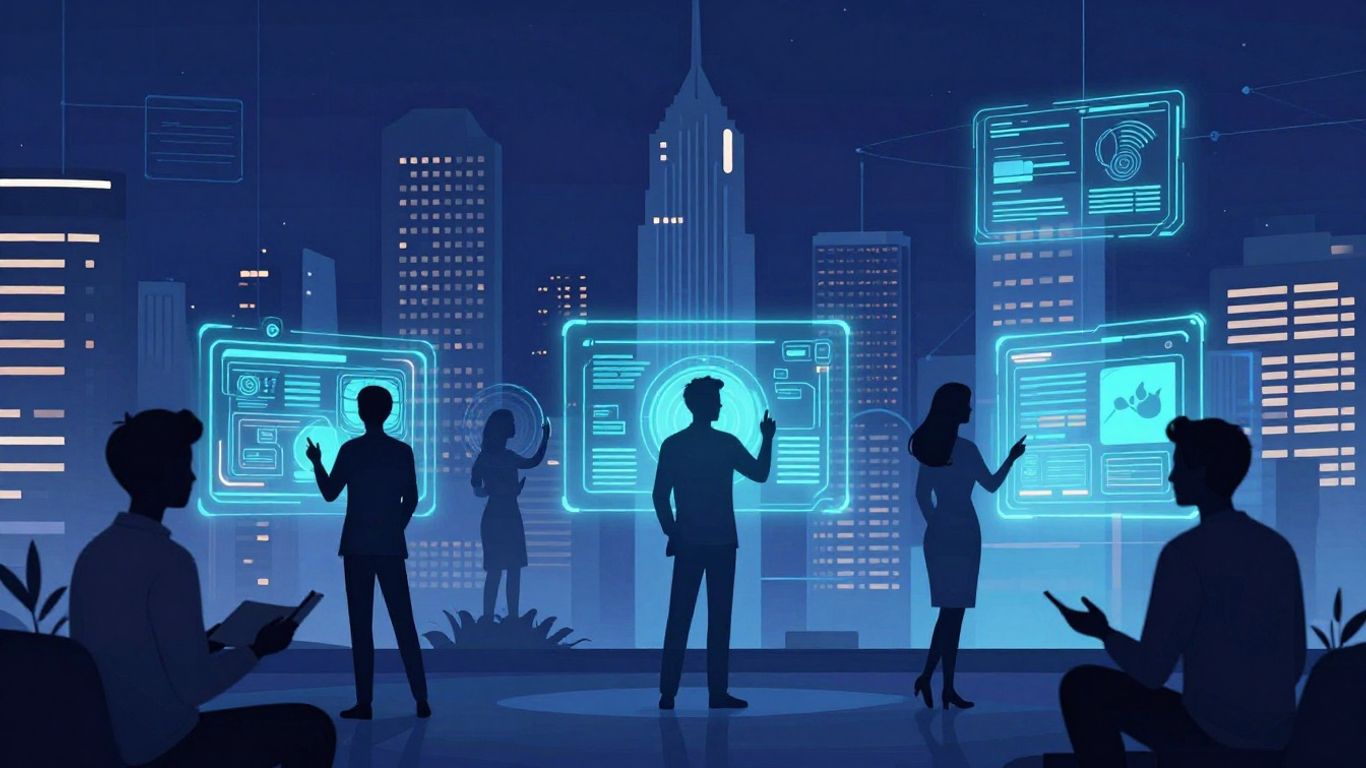
The media and entertainment world is changing fast, mostly because of new technology. Think about it: not too long ago, getting your voice out there required big studios and lots of money. Now, anyone with a phone can make and share videos or music. This has really shaken things up. Tech companies are pouring money into platforms, and they need content to keep people hooked. At the same time, content creators can’t reach audiences without these tech platforms. It’s a constant back-and-forth, with technology speeding up all the time, making it hard to predict what’s next.
The Democratization of Content Creation
This shift means that creating and sharing content is no longer just for the big players. The internet has lowered the barriers to entry significantly. Before, you needed a lot of cash and often regulatory approval to even think about broadcasting. Now, a computer or even a smartphone is enough to get started. This has opened the door for countless new voices and ideas. It’s not just individuals; companies that already built infrastructure, like cable or phone providers, are now jumping into making their own shows and movies because the potential payoff is huge with low initial investment.
Understanding Demographic Viewing Habits
It’s also important to remember that not everyone consumes media the same way. Different age groups and backgrounds have different preferences. For example, some research shows that people who aren’t white are more likely to care about how easy it is to watch something than how good the picture quality is, compared to white viewers. Younger generations, like Millennials, are also much more likely to watch content on their phones or on the go, and they often prioritize convenience over picture quality. These changing habits mean companies have to think carefully about how and where they deliver their content to reach different audiences effectively.
The rapid pace of technological change and the ease with which anyone can now create and distribute content means that the media landscape is more dynamic than ever. Adapting to these shifts requires a keen awareness of evolving consumer behaviors and preferences across various demographics.
Leveraging Collaboration for Success
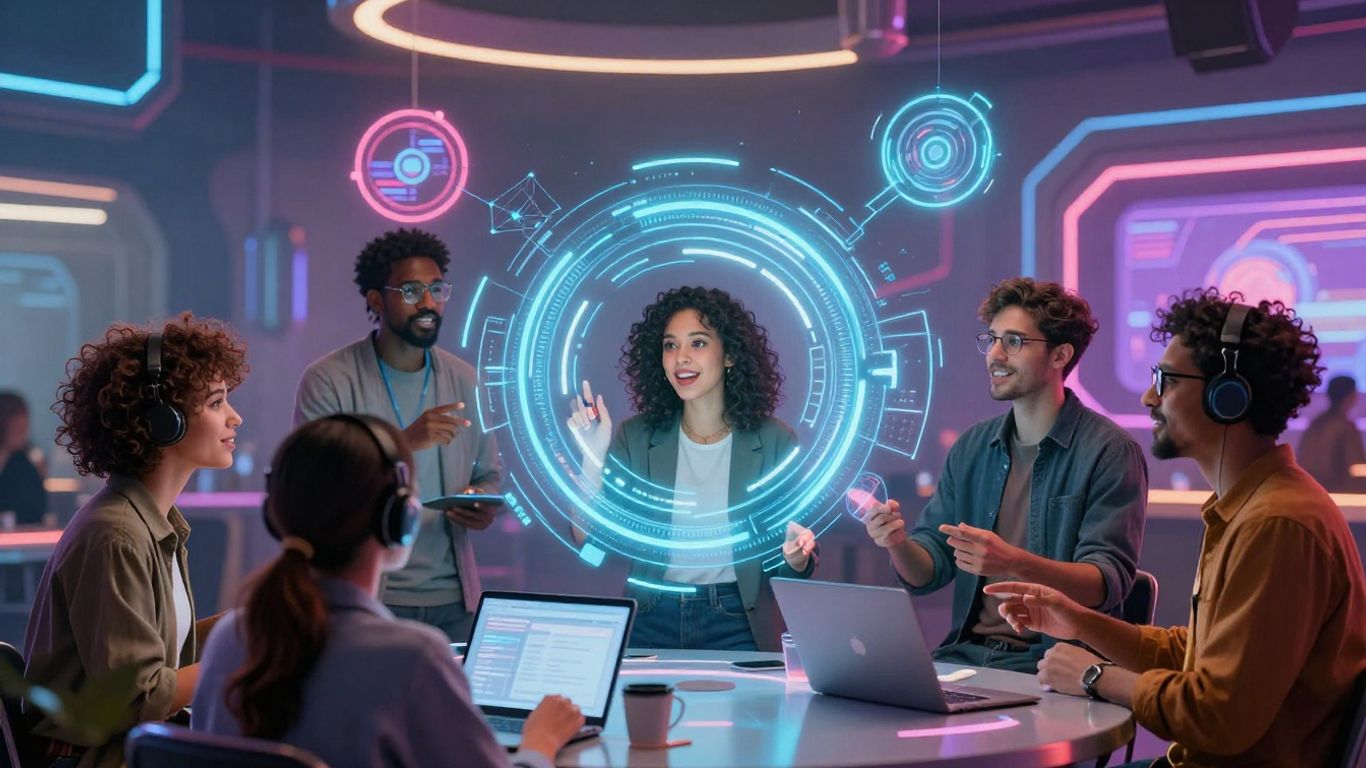
In today’s fast-paced entertainment world, working together across different teams isn’t just a good idea; it’s how you stay competitive. Think about it: you’ve got the creative minds dreaming up the next big thing, the tech folks making it happen, and the business side figuring out how to get it to audiences. When these groups don’t talk to each other, things can get messy. Creatives might not know what’s technically possible, and the business team might not fully grasp the creative vision. Bridging these gaps is key to innovation and efficiency.
Bridging Creative, Technical, and Business Teams
Traditionally, these three areas often see each other as roadblocks. Creatives might feel limited by technology, while business teams might focus only on what sells. But what if they understood each other better? Imagine business people giving feedback directly to creatives on what audiences want, and creatives explaining to the business team why a certain approach is important for the story. This kind of mutual understanding helps everyone work smarter.
- Creative Teams: Share your vision and the ‘why’ behind your ideas. Explain the artistic or narrative goals that drive your choices.
- Technical Teams: Communicate the capabilities and limitations of current technology early on. Suggest innovative ways tech can support creative goals.
- Business Teams: Provide market insights and audience feedback. Understand the creative process and how business decisions impact the final product.
Fostering Innovation Through Cross-Functional Understanding
When teams understand each other’s roles and challenges, new ideas can spark more easily. It’s about seeing how different skills fit together to create something better. This shared knowledge can lead to more creative solutions and a more cohesive final product that truly connects with viewers or listeners.
True innovation often comes from unexpected connections. When people from different backgrounds and skill sets collaborate, they bring unique perspectives that can solve problems in ways no single group could have imagined.
Shifting from ‘Jobs’ to ‘Roles’ for Future Readiness
The entertainment industry is always changing, and the jobs of tomorrow might look very different from today’s. Instead of focusing strictly on fixed job descriptions, companies are starting to think more about ‘roles’ – flexible responsibilities that can adapt to new challenges and opportunities. This approach requires trust between management and employees, encouraging people to take ownership and contribute to broader company goals. It’s about building a team that can pivot and grow, rather than just perform a set of tasks.
Insights from Industry Events and Podcasts
The Met Gala: A Masterclass in Branding and Exclusivity
The Met Gala is more than just a celebrity fashion show; it’s a prime example of how to build buzz through scarcity and a curated experience. Think about it: no live stream, no public ticket sales, just an exclusive guest list. This approach creates a sense of mystique that brands can learn from. It’s about making something feel special and highly sought after, much like a surprise album drop or a limited-edition product release. This carefully controlled access is a powerful branding tool.
Analyzing Trends in Fashion and Celebrity Culture
Events like the Met Gala, along with major awards ceremonies and fashion weeks, offer a snapshot of current cultural currents. They highlight emerging designers, showcase how celebrities are influencing style, and reveal shifts in how gender and identity are expressed through fashion. Observing these moments helps us understand the broader impact of pop culture on trends that eventually filter down to everyday consumers. It’s a fascinating look at how art, celebrity, and commerce intersect.
Podcasts Offering Deep Dives into Entertainment News
For those who want to stay truly ahead, podcasts are an invaluable resource. Shows hosted by media analysts and trend forecasters break down complex industry shifts, from the creator economy to the latest in digital marketing and social media. These programs often feature:
- Expert analysis: Hosts who regularly track and interpret industry movements.
- Trend forecasting: Predictions about what’s coming next in content and consumer behavior.
- Case studies: Deep dives into successful branding strategies and viral moments.
Listening to these shows provides a more detailed perspective than quick news updates, helping you grasp the ‘why’ behind the trends. It’s like getting a weekly briefing on the future of entertainment, straight from the people who study it.
Staying Informed in a Fast-Paced World
The entertainment world moves at lightning speed, and keeping up can feel like a full-time job. From viral trends and celebrity news to shifts in how we consume media, there’s always something new. Shows like Daily Flash aim to simplify this by offering quick, engaging updates, making it easier to stay in the loop without getting overwhelmed. By paying attention to these trends, whether it’s understanding the latest fashion moments or the biggest movie releases, you can better connect with the culture around you. So, make it a habit to seek out reliable sources that break down the noise, helping you stay informed and engaged with the ever-changing landscape of entertainment and pop culture.
Frequently Asked Questions
What is ‘Daily Flash’ and how does it help me stay updated?
Daily Flash is a fun and quick TV show that gives you the latest news about movies, music, fashion, and what’s popular right now. Think of it as your shortcut to knowing what everyone is talking about, without having to spend hours searching online. It breaks down trends and celebrity news so you can easily keep up.
How is technology changing the entertainment world?
Technology is shaking things up a lot! Now, anyone can create and share videos or music online easily. Plus, companies are using new tech to create and deliver shows and movies, like streaming services. This means more choices for us, but also big changes for how entertainment businesses work.
Why are core values like ‘integrity’ important for entertainment companies?
Even though the entertainment world is always changing, having strong values like honesty and doing the right thing is super important. It helps companies make good choices, build trust with people, and handle all the new challenges that come their way. It’s like the foundation that keeps everything stable.
What does ‘the rise of the creator economy’ mean?
This means that more and more people are making a living by creating content online, like YouTubers or TikTok stars. They build their own audiences and can make money from ads, sponsorships, or selling their own stuff. It’s a whole new way for people to become stars and run their own small businesses.
How does pop culture influence things like fashion?
What’s popular in movies, music, and on social media often inspires what people wear. For example, if a big movie comes out, you’ll see lots of costumes or clothing styles based on it. Pop culture sets trends that show up everywhere, from what we buy to how we express ourselves.
What’s the difference between ‘jobs’ and ‘roles’ in the modern workplace?
Thinking about ‘roles’ instead of just ‘jobs’ means focusing on what needs to be done to reach a goal, rather than just a list of tasks. It encourages people to be more flexible and work together across different teams. This way, everyone can adapt better to new challenges and help the company succeed.