
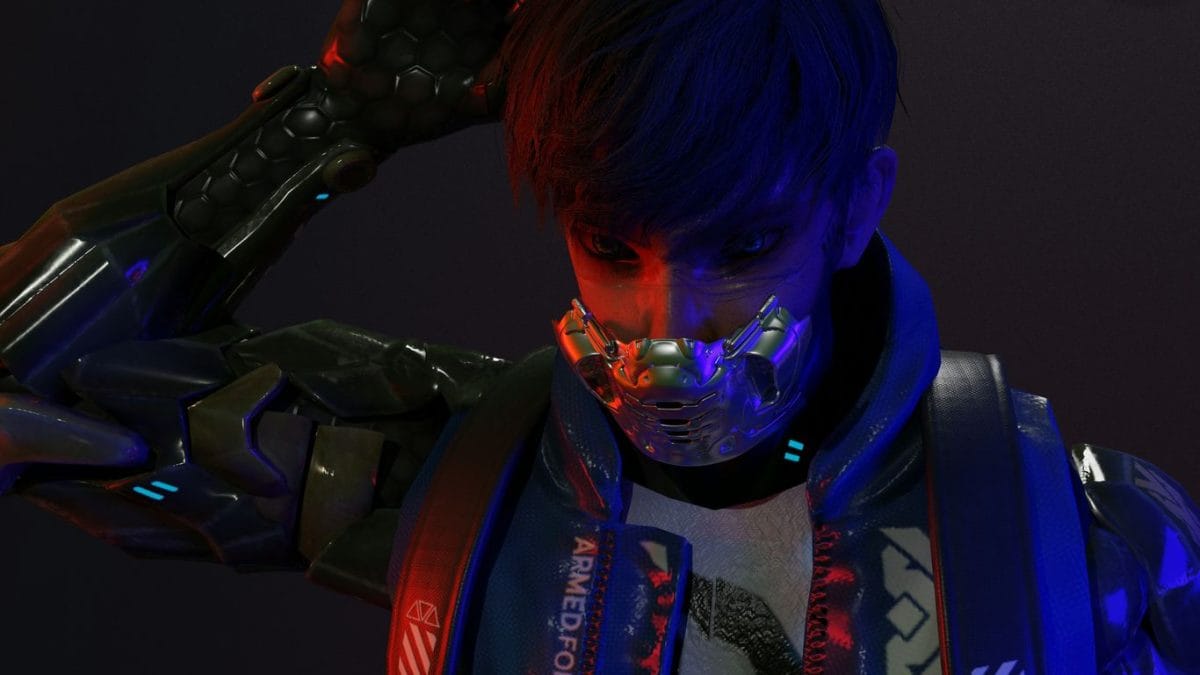
Apex Legends Season 20 has arrived, bringing with it some changes that shake things up. This means the usual top picks might not be as strong, and new legends could rise to the top. Figuring out the best legends for competitive play can be tricky, especially with how often the game updates. This article breaks down the current apex legends tier list, looking at who’s strong, who’s okay, and who might be a bit of a stretch for serious matches. We’ll cover why certain legends work well and how they fit into different team setups.
Key Takeaways
- The current Apex Legends meta heavily favors legends with strong mobility and aggressive capabilities, as seen with top-tier picks like Octane and Horizon.
- Defensive legends like Wattson and Catalyst remain powerful for controlling areas, but their effectiveness can depend on the map and team strategy.
- Support legends such as Conduit are seeing increased play due to their ability to sustain shields and provide utility in aggressive pushes.
- Recon legends are vital for gathering information, with characters like Bloodhound and Crypto offering different ways to scout enemy positions.
- Choosing the right legend involves matching their abilities to your playstyle, ensuring synergy with your teammates, and adapting to the specific map and game mode.
Understanding The Apex Legends Tier List
Figuring out who’s who in Apex Legends can feel like a puzzle, especially when you’re aiming for wins in competitive matches. It’s not just about picking your favorite character; it’s about understanding how their abilities fit into the current game and how they stack up against everyone else. This tier list is designed to help you make those smart choices.
Current Season Meta Dynamics
Every new season brings changes, and that’s especially true for Apex Legends. Developers tweak existing legends, add new ones, and sometimes even change the maps or how the game works. These shifts can completely flip the script on who’s considered strong. What was a top pick last season might be just okay now, and a legend you overlooked could suddenly become a must-have. The current meta is heavily influenced by how quickly teams can move and engage, rewarding aggressive plays and strong defensive setups. Things like destructible cover and new perk systems also play a big part in which legends shine.
Impact of Gameplay Changes on Legend Viability
Think about it: a legend’s whole kit might get a boost, or maybe a popular strategy involving them gets nerfed. For example, if a legend’s movement ability gets faster, they can suddenly get into fights or escape danger much more easily. Conversely, if a legend relies on a specific item that gets removed or changed, their effectiveness can drop. It’s a constant cycle of adaptation. We saw this recently with changes that made certain legends better at breaking through defenses or providing rapid team repositioning.
Categorizing Legends by Role
To make sense of it all, legends are usually grouped by what they do best. This helps teams build balanced squads.
- Offensive: These legends are built for pushing fights and dealing damage. Think characters with abilities that help them get into the enemy’s face or disrupt their positions.
- Defensive: These legends excel at holding ground, protecting their team, or controlling areas. They’re great for setting up strongholds or making it hard for enemies to push.
- Support: These characters focus on keeping their teammates alive and supplied. Healing, reviving, and providing useful items fall into this category.
- Recon: Information is power in Apex. Recon legends specialize in gathering intel on enemy locations, movements, and equipment, giving their team a strategic edge.
Understanding these roles is key to building a team that can handle different situations, whether you’re attacking an enemy squad or trying to survive the final ring.
S-Tier Legends: The Competitive Powerhouses
Legends Defining The Current Meta
In the fast-paced world of competitive Apex Legends, certain legends consistently rise to the top, offering unparalleled advantages that shape how matches unfold. These are the picks that, when mastered, provide the highest probability of success. They excel not just in raw combat power, but in their ability to control engagements, enable aggressive plays, or provide critical support that turns the tide of a fight.
Octane remains a dominant force, his reworked abilities making him incredibly difficult to pin down. The continuous healing and ability to use items while sprinting, combined with the unmatched repositioning speed offered by his jump pad, make him a top choice for aggressive teams looking to dictate the pace of the game. His pick rate across all ranks reflects his significant impact.
Consistent High-Impact Performers
Beyond the absolute meta-defining picks, several legends offer consistent, high-level performance that makes them reliable choices for competitive play. These characters might not always have the highest pick rates, but their kits provide a solid foundation for success in a wide variety of situations.
- Bangalore continues to be a workhorse. Her smoke grenades are still the premier tool for breaking line of sight, allowing for safe rotations or disengagements. Her passive speed boost when shot at also provides a vital escape mechanism when caught out of position.
- Horizon offers unique verticality that can bypass entrenched defenses. Her gravity lift allows teams to attack from unexpected angles, providing a distinct advantage against fortified positions. This ability to control vertical space is a game-changer.
- Revenant, despite minor adjustments, remains a potent threat. His ability to engage aggressively with his tactical and the survivability offered by his ultimate, coupled with his inherent lethality in one-on-one fights, makes him a carry threat in skilled hands.
Top Picks for Winning Strategies
Choosing an S-tier legend is about more than just picking the strongest character; it’s about aligning their abilities with a winning strategy. These legends enable specific playstyles that are highly effective in the current competitive environment.
The current meta favors speed, aggressive pushes, and the ability to quickly reposition or bypass enemy defenses. Legends that can facilitate these actions, either through direct mobility or by creating opportunities for their team, are paramount.
Here’s a look at how some S-tier legends fit into winning strategies:
- Octane: Ideal for aggressive pushes and rapid rotations. His jump pad can initiate fights or allow for quick escapes, making him central to teams that want to control the map’s tempo.
- Bangalore: Perfect for teams that need to control engagements and rotations. Her smoke can be used offensively to push or defensively to retreat, offering flexibility.
- Horizon: Essential for teams looking to break through fortified positions or gain high ground. Her vertical mobility opens up attack vectors that other legends simply cannot replicate.
A-Tier Legends: Strong Contenders
While the S-Tier legends grab most of the spotlight, the A-Tier is where you’ll find a lot of the consistent, reliable picks that form the backbone of many competitive teams. These legends might not always be the flashiest, but they bring a solid mix of utility, combat effectiveness, and adaptability that makes them strong choices in most situations. They often have minor drawbacks or are slightly outshone by their S-Tier counterparts, but don’t underestimate their impact.
Reliable Choices with Minor Weaknesses
These legends offer a dependable performance, but they might have a specific vulnerability or a slightly longer cooldown on a key ability that keeps them just shy of the absolute top. For instance, a legend might have a powerful ultimate but a tactical ability that’s easily countered, or a strong passive that comes with a noticeable downside like a larger hitbox.
- Bangalore: Her tactical smoke remains one of the best ways to break line of sight for aggressive pushes or quick retreats. Her passive speed boost when shot at is a lifesaver for repositioning. While not as flashy as some, her kit is incredibly consistent for controlling engagements.
- Revenant: Despite some adjustments, Revenant still packs a punch in one-on-one fights. His ability to gain an overshield and his aggressive push potential make him a threat, though his ultimate might not always be as game-changing as it once was.
- Valkyrie: Her vertical mobility is still a significant asset for repositioning squads or gaining high ground. While her ultimate might have a longer wind-up, it’s still one of the best ways to rotate across the map safely. Her missile barrage can also add pressure to entrenched enemies.
Legends Offering Solid Utility and Combat Prowess
Many A-Tier legends excel because they can do a bit of everything. They can contribute to fights, provide useful information, or help their team move around the map effectively. This versatility makes them valuable in a wide range of scenarios.
- Horizon: Her Gravity Lift is still a premier tool for quickly gaining vertical advantage or disengaging from a fight. It’s excellent for bypassing defensive setups and creating opportunities for her team. Her ultimate, Black Hole, can also be used to pull enemies out of cover or set up devastating combos.
- Bloodhound: While not always the top pick, Bloodhound’s scanning abilities provide invaluable information for aggressive plays or defensive setups. Their ultimate, Beast of the Hunt, enhances their combat effectiveness significantly, allowing for faster movement and tracking.
Situational Strengths in Competitive Play
Sometimes, a legend’s strength lies in how well they fit into a specific team composition or counter a particular strategy. The A-Tier is home to legends who might not be universally dominant but can absolutely shine when their abilities are used effectively within a coordinated team.
The current meta often favors aggressive, fast-paced gameplay. Legends that can quickly reposition, bypass defenses, or provide immediate combat advantages tend to perform very well. However, the adaptability of A-Tier legends means they can often find success even when the meta shifts slightly, as their core utility remains strong.
- Newcastle: His defensive capabilities are top-notch, especially with his ability to create mobile cover and revive teammates from a distance. While his large frame can make him an easier target, his kit is designed to keep his squad alive under pressure.
B-Tier Legends: Viable Options
Legends Excelling in Specific Scenarios
While not quite reaching the top echelons, B-Tier legends offer solid contributions and can be quite effective when their strengths align with the team’s strategy or the specific demands of a map. These characters often require a bit more coordination or a particular playstyle to truly shine, but they are far from being non-viable picks. They represent a good balance between having a distinct role and possessing some adaptability.
Balancing Strengths Against Meta Weaknesses
These legends often have one or two standout abilities that can significantly impact a match, but they might also have a notable drawback that prevents them from being a consistent top pick. This could be a larger hitbox, longer cooldowns on key abilities, or a kit that is easily countered by popular meta strategies. However, in the right hands, these weaknesses can be mitigated, and their strengths can dominate.
- Newcastle: His defensive capabilities are strong, especially with his mobile shield and barricade ultimate. He excels at locking down areas and providing cover for revives. However, his large frame makes him an easier target, and his kit is less about aggressive pushes and more about holding ground.
- Lifeline: Her combat medic role is unique, offering passive healing and a drone for revives. This allows teammates to stay in the fight longer. The downside is her lack of direct offensive or defensive utility outside of her revive capabilities, making her less impactful in aggressive breaches.
- Mirage: While often underestimated, Mirage’s decoys can create significant confusion and provide opportunities for flanking or escaping. His ultimate can be a powerful tool for repositioning or creating chaos. His effectiveness is highly dependent on player skill and the ability to outplay opponents with misdirection.
Potential for Surprise Impact
Don’t discount B-Tier legends. In organized play, a team that has practiced extensively with a B-Tier legend can often surprise opponents who are more accustomed to facing S or A-Tier picks. Understanding the nuances of their abilities and how they interact with different team compositions can turn a seemingly average legend into a match-winning asset. The key is often player mastery and strategic team synergy.
The current meta favors speed and aggressive pushes, which can make legends that rely on slower, more methodical playstyles challenging. However, B-Tier legends often possess unique utility that, when applied correctly, can disrupt enemy plans and create openings for their team. Their viability hinges on adapting their kit to the flow of the game rather than forcing the game to adapt to them.
Lower-Tier Legends: Niche or Challenging Picks
Some legends, while possessing unique abilities, find themselves in a tougher spot within the current competitive landscape. These characters often require very specific team compositions or playstyles to be effective, and their weaknesses can be easily exploited by meta-dominant legends. Their viability hinges heavily on player skill and team coordination, making them less of a default choice for most squads.
Legends Requiring Specific Team Compositions
Certain legends shine brightest when paired with complementary abilities. Without the right synergy, their kits can feel disjointed or even detrimental to the team’s overall strategy. For instance, a legend whose ultimate relies on holding a specific area might struggle in a fast-paced meta that prioritizes rapid rotations and aggressive pushes.
- Gibraltar: His defensive capabilities are strong, but his large size and slow movement make him an easy target in a high-speed meta. He needs a team that can effectively protect him while his dome shield is active.
- Rampart: While her Amped Cover provides significant defensive power, it requires careful placement and a team willing to play around her fortified positions. Aggressive teams can often bypass her setups.
- Mirage: His decoys can be incredibly disruptive, but they are less effective against experienced players who can quickly identify the real target. He performs best when his team can capitalize on the confusion he creates.
Challenges in the Current Competitive Landscape
The current meta, often characterized by rapid movement and aggressive engagements, presents significant hurdles for legends who lack inherent mobility or strong defensive tools. Legends with slow ultimates or abilities that are easily countered by popular meta picks can find themselves at a distinct disadvantage.
The pace of Season 28, with its emphasis on quick rotations and breaching capabilities, means that legends who cannot keep up or provide immediate utility often struggle to find their place. Their abilities might be powerful in a vacuum, but they don’t always align with the demands of high-pressure, fast-moving matches.
Legends Needing Reworks or Buffs
Some legends are simply outpaced by the current game design or have kits that haven’t kept up with the power creep. These characters often have abilities that are either too situational, too easily countered, or simply less impactful compared to their higher-tier counterparts. Without adjustments, they remain niche picks that are rarely seen in serious competitive play.
| Legend | Role | Primary Challenge |
|---|---|---|
| Ballistic | Support | Ultimate cooldown is too long for its impact. |
| Catalyst | Controller | Abilities are too slow for the current meta pace. |
| Lifeline | Support | Lacks offensive presence and mobility. |
Legend Roles and Their Impact on Rankings
In the fast-paced world of competitive Apex Legends, understanding how each legend fits into a broader role is key to building effective team compositions and climbing the ranks. The current meta, shaped by destructible cover and a focus on aggressive rotations, places a premium on certain abilities. Legends aren’t just picked for their individual power; they’re chosen for how they contribute to the team’s overall strategy. Let’s break down the main roles and how they influence a legend’s standing.
Offensive Legend Effectiveness
Offensive legends are the tip of the spear, designed to initiate fights, push advantages, and apply pressure. Their kits often revolve around mobility, direct damage, or creating openings for their team. Legends like Octane, with his reworked Stim Surge and Jump Pads, exemplify this role by enabling rapid advances and aggressive plays. Bangalore’s smoke grenades remain a top-tier tool for disengaging or pushing through dangerous sightlines, making her a consistent offensive threat.
Defensive Legend Contributions
Defensive legends excel at controlling space, fortifying positions, and protecting their teammates. While the current meta favors speed, strong defensive legends can still disrupt enemy pushes and create opportunities for counter-attacks. Their abilities are often about denying areas or providing cover. Legends who can deploy shields or create barriers can slow down aggressive teams, forcing them to reconsider their approach.
Support Legend Utility
Support legends are the backbone of a team, focusing on healing, revives, and providing crucial utility that keeps the squad fighting. In Season 28, Conduit has emerged as a strong contender, especially when equipped with specific perks that amplify her shield regeneration. Her ability to sustain her team through prolonged engagements is invaluable. Newcastle, with his mobile shield and revive capabilities, also offers significant support, allowing for safer revives and repositioning under fire.
Recon Legend Information Gathering
Recon legends provide vital intelligence about enemy positions and movements, allowing teams to make informed decisions. While direct combat legends often grab the spotlight, the information provided by recon specialists is indispensable for avoiding ambushes and planning engagements. Legends who can scan areas or track enemy movements help their team maintain map control and situational awareness, which is especially important when dealing with the new destructible cover elements.
The synergy between legend roles is paramount. An aggressive offensive legend paired with a strong support and a vigilant recon specialist creates a well-rounded unit capable of adapting to various combat scenarios. Ignoring one role can leave a team vulnerable.
Here’s a general look at how roles often perform in the current meta:
| Role | Strengths in Current Meta |
|---|---|
| Offensive | Initiating fights, rapid pushes, breaking defenses |
| Defensive | Area denial, protecting flanks, slowing aggressive pushes |
| Support | Sustaining team health/shields, safe revives, utility |
| Recon | Enemy tracking, intel gathering, avoiding ambushes |
Choosing The Right Legend For Your Playstyle
Picking the right legend in Apex Legends isn’t just about following the latest tier list; it’s about finding a character whose abilities click with how you naturally play the game. Think of it like choosing a tool for a specific job – you wouldn’t use a hammer to screw in a bolt, right? The same applies here. Your legend choice should complement your strengths and help your team succeed.
Matching Legend Abilities to Player Preference
Every legend has a unique set of skills that cater to different playstyles. Are you the type of player who likes to be in the thick of the action, pushing enemies and creating openings? Legends like Octane or Wraith might be your go-to. Their kits are built for aggressive plays and quick repositioning. On the other hand, if you prefer a more strategic approach, controlling areas and providing support from a distance, characters like Caustic or Wattson could be a better fit. Their defensive abilities can lock down areas and make it tough for enemies to push.
- Aggressive Playstyle: Focus on legends with movement abilities, offensive ultimates, or skills that allow for quick engagements and disengagements. Examples include Octane, Wraith, and Horizon.
- Defensive Playstyle: Look for legends who excel at area denial, fortification, or providing cover. Caustic, Wattson, and Rampart are strong choices here.
- Support Playstyle: If you enjoy helping your teammates, consider legends with healing, revives, or utility that benefits the whole squad. Lifeline and Newcastle fit this role well.
- Recon Playstyle: For those who like gathering information and tracking enemies, legends like Bloodhound, Seer, or Crypto offer valuable intel.
The Importance of Legend Synergy
Apex Legends is a team game, and how your legend’s abilities work with your teammates’ is incredibly important. A team composed of all aggressive legends might struggle to hold ground, while a team of only defensive legends might lack the ability to push effectively. Finding that balance is key. For instance, a Bangalore using her smoke to cover a Lifeline revive can be a game-changer. Or, a Bloodhound scan can give an aggressive Octane the perfect opportunity to push with his jump pad.
The most effective squads often feature a mix of roles. A good composition might include a recon legend for intel, an offensive legend for pushing, and a defensive or support legend to hold ground or provide backup. This creates a well-rounded team that can adapt to various situations.
Adapting Your Pick to Map and Mode
Different maps and game modes can also influence which legend is most effective. Open maps with lots of verticality might favor legends with mobility skills like Valkyrie, allowing for quick rotations and advantageous positioning. Conversely, smaller, more enclosed maps might make defensive legends like Caustic or Wattson incredibly powerful, as they can easily control chokepoints. Always consider the environment you’ll be playing in. A legend that shines on World’s Edge might not perform as well on the tighter corridors of Olympus. Understanding the map layout and the objectives of the current mode is as vital as knowing your legend’s abilities.
Final Thoughts on the Apex Legends Meta
So, that’s our take on the current Apex Legends tier list for competitive matches. Remember, the game is always changing, with updates and new seasons shaking things up. What’s strong today might be different tomorrow. The best approach is to stay informed, practice with different legends, and find who works best for your team and your playstyle. Don’t be afraid to experiment, because sometimes the ‘off-meta’ pick can surprise everyone. Keep playing, keep learning, and most importantly, have fun out there in the Outlands.
Frequently Asked Questions
What does ‘tier list’ mean in Apex Legends?
A tier list is basically a ranking of characters, or ‘legends,’ in Apex Legends. It shows which legends are considered the best for winning games right now, especially in serious matches. Legends in the ‘S-tier’ are usually the strongest and most popular, while those in lower tiers might be harder to win with or only good in very specific situations.
How often do Apex Legends tier lists change?
Tier lists can change quite a bit! Developers often update the game with new seasons or patches. These updates might make some legends stronger, weaker, or change how the game is played overall. This means what was best last season might not be the best this season.
Are S-tier legends always the best choice for everyone?
Not necessarily. While S-tier legends are generally powerful, the best legend for you really depends on how you like to play. Some players might be better with a legend in an ‘A-tier’ or even ‘B-tier’ if that legend’s abilities fit their personal style and skills better.
What makes a legend good in competitive play?
Legends that are good in competitive play usually have abilities that help their whole team, can gather important information, allow for quick escapes or advances, or are really good at defending a specific area. Legends that can do multiple things well or have a big impact on fights are often ranked higher.
How do legend roles (Offense, Defense, Support, Recon) affect the tier list?
Each role has a different job. Offensive legends are good at starting fights, Defensive legends are great at holding ground, Support legends help keep the team alive, and Recon legends find enemies. The tier list considers how well legends in each role perform their job in the current game and how useful they are to a team’s overall strategy.
Can lower-tier legends still be effective in competitive matches?
Yes, they can! Sometimes, a legend that isn’t ranked highly can still be very effective if they are used in a specific way or if the whole team works together perfectly around their abilities. Also, if a player is incredibly skilled with a lower-tier legend, they can often surprise opponents and still win.