
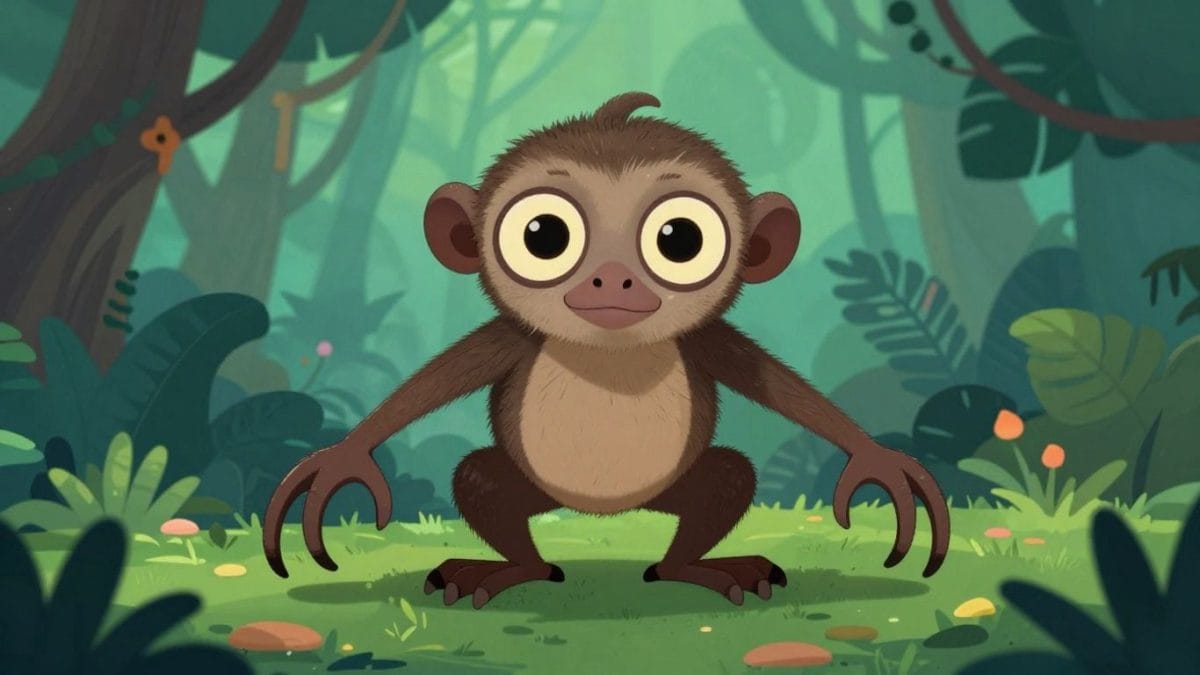
You might have heard of the ‘ai ai animal’ online, maybe seen some funny memes or strange pictures. But there’s a lot more to this creature than just its unusual looks. The aye-aye, found only in Madagascar, is a really unique primate with some wild adaptations. It’s not just a weird-looking animal; it has a whole lifestyle and a place in its ecosystem that’s pretty fascinating. Let’s get past the strange search results and get to know the real aye-aye.
Key Takeaways
- The aye-aye is a primate, not a rodent, despite its rodent-like teeth and squirrel-like tail.
- It uses a special technique called percussive foraging, tapping on trees to find insect larvae hidden inside.
- Its most distinctive feature is a long, thin middle finger used to extract food from tree cavities.
- Aye-ayes are nocturnal and live in the forests of Madagascar, often misunderstood and feared in local folklore.
- Conservation efforts are underway as the aye-aye faces threats from habitat loss and cultural superstitions.
Unveiling the Aye-Aye: A Unique Primate
Classification and Evolutionary Relatives
The aye-aye, scientifically known as Daubentonia madagascariensis, holds a unique spot in the primate family tree. It’s the sole surviving member of its genus, Daubentonia, and its family, Daubentoniidae. While its rodent-like teeth and bushy tail might initially suggest a connection to rodents or squirrels, the aye-aye is, in fact, a primate. This classification places it within the suborder Strepsirrhini, a group that also includes lemurs and lorises. Its evolutionary path has led to a creature quite unlike its primate cousins, filling an ecological niche similar to that of a woodpecker in its native Madagascar.
Distinctive Physical Characteristics
When you first see an aye-aye, its appearance is certainly striking. These primates are characterized by their large, sensitive ears, big yellow-orange eyes adapted for low light, and a long, bushy tail that can be longer than its body. Their fur is typically dark, often with white-tipped guard hairs that can be raised when the animal feels threatened, making it appear larger. Perhaps their most notable features are their hands and fingers. They possess opposable thumbs, aiding in grip, and all digits except the big toe have claws, useful for climbing and tearing bark. The second toe has a specialized "toilet claw" for grooming.
Nocturnal Lifestyle and Habitat
The aye-aye is strictly nocturnal, meaning it is active only during the night. During the day, they rest in nests constructed from leaves, typically high up in tree hollows or branches. Their habitat is confined to the forests of Madagascar, an island off the coast of Africa. They are arboreal, spending most of their lives in the forest canopy, rarely descending to the ground. This lifestyle, combined with their unusual appearance, has unfortunately led to them being misunderstood and feared in some local cultures.
The Aye-Aye’s Specialized Foraging Techniques
When it comes to finding food, the aye-aye has a pretty unique approach. Forget just grabbing what’s in front of you; these primates have developed some seriously specialized methods for getting their meals, especially when it comes to insects hidden away in trees. It’s a whole process, really.
Percussive Foraging for Insects
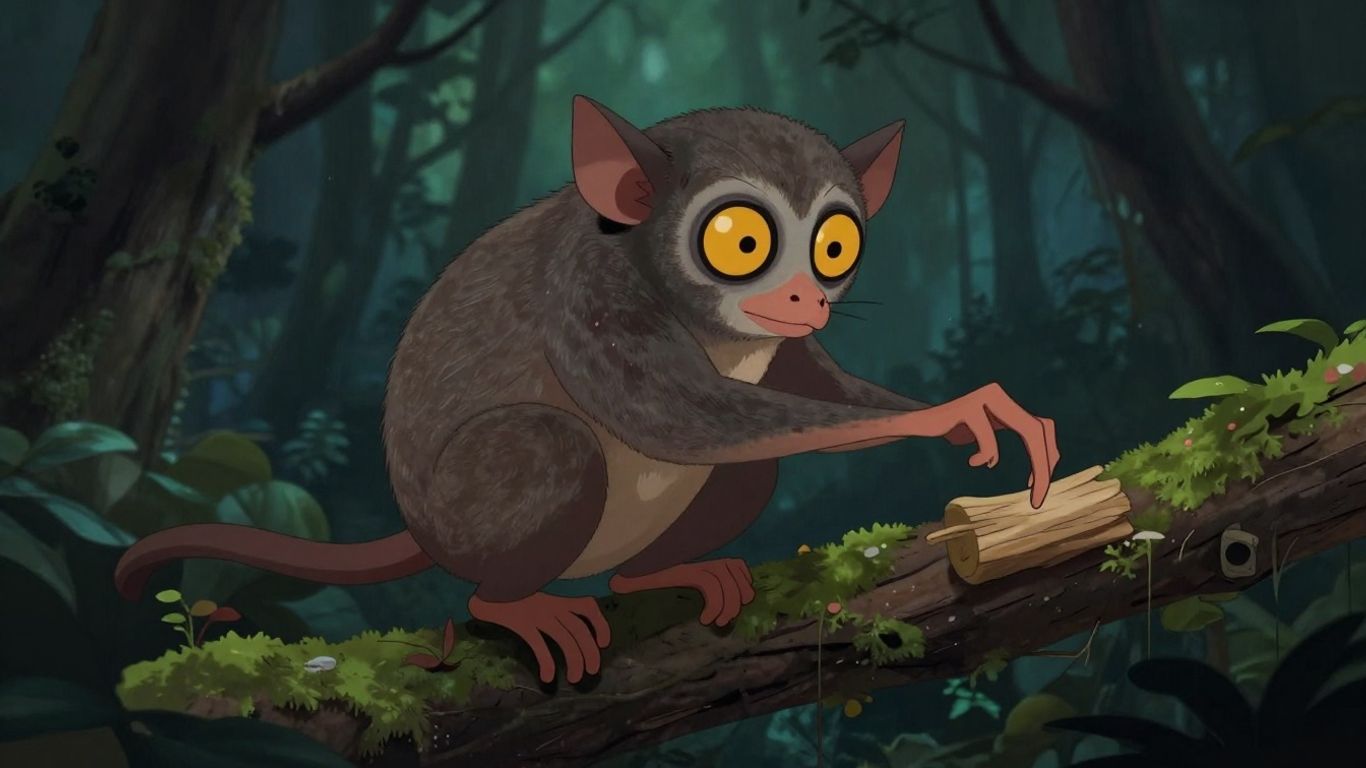
The aye-aye is a master of what’s called "percussive foraging." Basically, this means they tap on tree trunks and branches, listening very carefully to the sounds that come back. They do this at a pretty quick pace, sometimes up to eight taps every second. They’re listening for hollow spots under the bark where insect larvae might be hiding. It’s like a form of echolocation, but with sound waves bouncing off wood instead of through water. Once they hear a promising echo, they know there’s likely a tasty grub waiting inside.
The Role of the Elongated Finger
Once a hollow is located, the aye-aye uses its strong, rodent-like incisors to gnaw a hole into the wood. But the real star of the show is its incredibly long, thin middle finger. This finger is specially adapted for probing into those small holes. It’s used to feel around for the insect larvae and then to extract them. Think of it like a super-specialized tool for fishing grubs out of tight spots. This finger is so important that it’s often described as their primary foraging tool.
Dietary Habits Beyond Insects
While insect larvae are a significant part of their diet, especially for the protein and fat they provide, aye-ayes aren’t strictly insectivores. They’re actually omnivores. Their diet also includes a variety of other foods found in their Madagascar habitat. This can include fruits, nuts, nectar from flowers, seeds, and even fungi. They use their nimble fingers to scoop out the pulp from fruits, adding variety to their meals. Their continuously growing incisors are also useful for cracking open harder nuts and seeds, further diversifying what they can eat.
The aye-aye’s foraging behavior is a fascinating example of how a species can evolve specialized adaptations to exploit a particular food source. Their unique combination of percussive tapping, powerful gnawing, and a highly specialized digit allows them to access food that other primates cannot reach.
Here’s a quick look at what an aye-aye might eat:
- Insect larvae (especially from wood-boring beetles)
- Fruits
- Nuts and seeds
- Nectar
- Fungi
This varied diet helps them survive throughout the year, adapting to what’s available in their forest home.
Communication and Social Behavior
Vocalizations in the Forest Canopy
Observing aye-ayes in their natural, nighttime habitat high in the trees is tricky business. Because they’re often far apart and it’s dark, sounds become their main way of talking to each other. They have a few distinct calls. There’s a loud "creeii" scream, which is like an alarm bell – used when they’re startled or want another aye-aye to get out of the way. Then there’s a softer "ggnnoff" sound, usually heard when they’re peacefully interacting, especially around food. They also make other noises like sneezes and snorts, each with its own meaning depending on the situation.
Olfactory Signals and Territorial Marking
Beyond sounds, aye-ayes use their sense of smell to leave messages. They’ll mark their territory by leaving urine on branches, especially around their nests and feeding spots. This urine contains chemicals from a special gland that likely tells other aye-ayes about the individual – things like their age, sex, and general health. It’s a clever way for these mostly solitary animals to communicate without having to be face-to-face. Think of it like leaving a coded note that only other aye-ayes can read.
Solitary Nature and Mating Interactions
Aye-ayes generally prefer to go it alone. They have large home ranges that they mark with scent. Female territories often overlap with those of several males. Interestingly, male aye-ayes might share their territories and even use the same nests, though not at the same time. They seem to tolerate each other until a female signals she’s ready to mate. Mating can happen any time of year, and females usually start breeding around age three or four. They typically have one baby every two to three years. During this time, the mother becomes the boss, likely to make sure she and her baby have enough food. The little one stays in the nest for about two months before coming out, and it takes another seven months before it can move around the trees like a grown-up.
Cultural Perceptions and Folklore
Misinterpretations and Superstitions
The aye-aye’s unusual appearance and nocturnal habits have unfortunately led to it being widely misunderstood in many parts of Madagascar. Its large eyes, rodent-like teeth, and distinctive long finger have fueled a narrative that paints it as a creature of ill omen. This perception has resulted in many aye-ayes being killed on sight, simply because they are believed to bring bad luck or even death. Some local beliefs suggest that if an aye-aye points its slender middle finger at someone, that person is marked for a grim fate. Others claim these primates sneak into homes to cause harm. These superstitions, while deeply ingrained in some communities, are not based on any factual threat the aye-aye poses to humans.
Folklore and Local Beliefs
Across different regions and ethnic groups in Madagascar, stories about the aye-aye vary. While some traditions view the aye-aye as a harbinger of misfortune, others hold different beliefs. However, the negative associations seem to be more prevalent and have had a more significant impact on the animal’s survival. These tales often stem from the aye-aye’s secretive, nighttime activities and its peculiar foraging methods, which can sound eerie to those unfamiliar with its ecological role.
Impact of Folklore on Conservation
The widespread fear and superstition surrounding the aye-aye have a direct and detrimental effect on its conservation status. Because they are often seen as bad omens, aye-ayes are frequently killed by local people, contributing significantly to population declines. This cultural stigma makes conservation efforts more challenging, as it requires not only protecting their habitat but also working to change deeply held beliefs. Efforts to educate communities about the aye-aye’s harmless nature and its importance in the ecosystem are vital for its long-term survival. Without addressing these cultural perceptions, conservation initiatives face an uphill battle against ingrained fear and superstition.
Anatomy and Adaptations for Survival
The aye-aye is a creature that looks like it stepped out of a fantasy novel, and its physical makeup is just as unusual as its appearance. These primates are perfectly equipped for their specific lifestyle, which is mostly spent high up in the trees at night.
Sensory Organs for Nocturnal Hunting
Aye-ayes have some seriously impressive ears. They’re large and bat-like, which helps them pick up even the faintest sounds. These ears are key to their unique hunting method, allowing them to "hear" insects moving inside trees. The complex folds and ridges inside their ears work a bit like a focused listening device, helping them pinpoint the exact location of their next meal. Their eyes are also large and round, often with dark rings around them, giving them excellent vision in the dim light of the forest at night.
Unique Digit Adaptations
When you look at an aye-aye’s hands, the first thing you’ll notice is that third finger. It’s incredibly long and thin, almost skeletal compared to the others. This finger isn’t just for show; it’s their primary tool for finding and extracting food. They tap it against tree bark, listening for the hollow sounds that indicate insect larvae or grubs hidden within. Once they find a tasty morsel, they use their rodent-like incisors to gnaw a hole and then use that specialized finger to hook and pull out their prey. They also have a "pseudothumb," which is like an extra digit that helps them grip branches securely as they move through the canopy.
Physical Dimensions and Appearance
An adult aye-aye typically measures around 60 centimeters (about 2 feet) from head to tail, with the tail itself being longer than its body. They usually weigh about 2 kilograms (around 4 pounds). Their fur is thick and generally a mix of brown and yellow, often with white tips on the hairs on their head and back, giving them a somewhat grizzled look. Young aye-ayes might have a silver front and a stripe down their back, but this changes as they mature. They also have a bushy tail, which can be quite long, adding to their distinctive silhouette.
The aye-aye’s body is a testament to specialized evolution, with each feature playing a role in its survival in the Madagascan forests. From its sensitive ears to its uniquely adapted fingers and strong grip, this primate is a master of its nocturnal, arboreal world.
Here’s a quick look at some of their physical traits:
- Average Head and Body Length: 36–43 cm (14–17 in)
- Tail Length: 56–61 cm (22–24 in)
- Average Weight: ~2 kg (4.4 lbs)
- Fur Color: Typically brown/yellow with white-tipped guard hairs
- Key Adaptations: Elongated third finger, large ears, continuously growing incisors, pseudothumb.
Conservation Status and Future Outlook
Threats to Aye-Aye Populations
The aye-aye is currently listed as Endangered by the International Union for Conservation of Nature (IUCN). This serious status is primarily due to human activities that are shrinking their natural homes. Forests in Madagascar, where aye-ayes live, are being cleared for farming and development. This not only reduces the space where they can live but also breaks up their populations, making it harder for them to find mates and resources. It’s a tough situation for a creature that already has a pretty specialized way of life.
Beyond habitat loss, local beliefs also play a role. Because of their unusual looks and nighttime habits, some people think aye-ayes are bad omens. This superstition can lead to them being killed, which further harms their already struggling numbers. Some also see them as pests that damage crops, leading to more direct conflict.
Conservation Efforts and Rediscovery
Efforts are underway to protect the aye-aye. They are protected by international agreements like CITES, which controls the trade of endangered species. National laws in Madagascar also aim to stop the hunting and selling of aye-ayes and their body parts. These rules are important steps, but making sure they are followed on the ground can be challenging.
Organizations like the Duke Lemur Center in North Carolina are doing important work. They focus on breeding aye-ayes in captivity and studying them to learn more about their needs. This research helps in understanding how to best protect them in the wild and potentially reintroduce them. Zoos and conservation groups around the world are also involved in breeding programs and raising awareness about the aye-aye’s plight.
Presence in Zoological Facilities
Captive breeding programs in zoos have been quite successful. These facilities act as a sort of backup for the species, helping to maintain a healthy population outside of their natural habitat. This is especially important given the challenges faced in the wild. Zoos also provide opportunities for people to learn about aye-ayes, which can help build support for conservation efforts. The work done in places like the Duke Lemur Center and Jersey Zoo has been vital in keeping the species from disappearing entirely.
Here’s a look at some key aspects of their conservation:
- International Protection: Listed under CITES Appendix I, restricting international trade.
- National Laws: Prohibitions on hunting and trade within Madagascar.
- Captive Breeding: Programs in zoos worldwide to maintain a healthy population.
- Research: Ongoing studies to understand their ecology and needs.
The future of the aye-aye depends on a mix of protecting their forest homes, changing negative local perceptions, and continuing the work of conservationists and researchers both in Madagascar and abroad. It’s a complex problem that needs a lot of different solutions working together.
More Than Just a Strange Face
So, the aye-aye. It’s easy to see why this creature might seem a bit odd at first glance, with its big eyes and that super long finger. But as we’ve looked into it, it’s clear there’s a lot more going on than just a weird appearance. This animal has a whole set of unique features that help it survive in the forests of Madagascar, from its special way of finding food to how it communicates. It’s a reminder that nature is full of amazing adaptations, and sometimes, the most unusual-looking creatures have the most interesting stories to tell. Next time you hear about an aye-aye, hopefully, you’ll think beyond the initial surprise and appreciate this fascinating primate for what it truly is.
Frequently Asked Questions
What exactly is an aye-aye?
An aye-aye is a very unusual type of primate, which means it’s related to monkeys and humans! It lives only in the forests of Madagascar. It looks a bit like a mix between a raccoon and a rat, with big ears, bright eyes, and a bushy tail. These animals are active at night and spend their days sleeping in nests they build in trees.
How does an aye-aye find its food?
Aye-ayes have a super cool way of finding food, especially bugs that live under tree bark. They tap on the tree with their long, skinny middle finger, listening carefully for hollow spots. It’s like they’re using echolocation! Once they find a good spot, they use their sharp teeth to chew a hole and then use that same special finger to pull out the tasty insect snacks.
What does an aye-aye eat besides insects?
While insects and grubs are a big part of their diet, aye-ayes aren’t picky eaters. They also enjoy fruits like mangoes, as well as seeds, nuts, and nectar. They use their unique fingers to scoop out the yummy parts of fruits, kind of like a built-in spoon!
Why do some people think aye-ayes are bad luck?
Sadly, because aye-ayes look so strange and are active at night, some people in Madagascar have believed they are bad omens or even bring death. This is just folklore and superstition; aye-ayes don’t have any magical powers and don’t harm people. However, these beliefs have unfortunately led to them being killed.
Are aye-ayes endangered?
Yes, aye-ayes are considered endangered. Their forest homes are shrinking because of deforestation, and sadly, people sometimes kill them due to old superstitions. Efforts are being made to protect them and their habitat, and they can also be found in zoos around the world.
What makes the aye-aye’s finger so special?
The aye-aye’s third finger is incredibly special! It’s much thinner and longer than its other fingers and is perfectly shaped for reaching into tight spaces, like holes in trees. It has a special joint that allows for a lot of movement, and they use it to tap on wood to find bugs and then to hook and pull them out. It’s like a specialized tool that nature created just for them!