So, you’ve probably heard a lot about AI lately, and one of the coolest parts is how it’s changing the way we talk to businesses and even learn new things. Conversational AI chat is basically making computers understand and respond to us like a person would. It’s not just for big companies anymore; it’s becoming a common tool for everyday tasks. Let’s break down what this technology is all about and why it’s becoming so popular.
Key Takeaways
- Conversational AI chat uses technology to let computers understand and respond to human language, making interactions feel more natural.
- These AI chat systems can handle customer questions and tasks 24/7, which means people get help whenever they need it.
- Using conversational AI chat can make businesses run more smoothly by handling many requests at once and freeing up human workers for more complex issues.
- Businesses can get useful information from customer chats to understand what people want and how to improve their services.
- The technology is always getting better, with future AI chat systems likely to handle even more complex conversations and different languages.
Understanding Conversational AI Chat Technology
What is Conversational AI Chat?
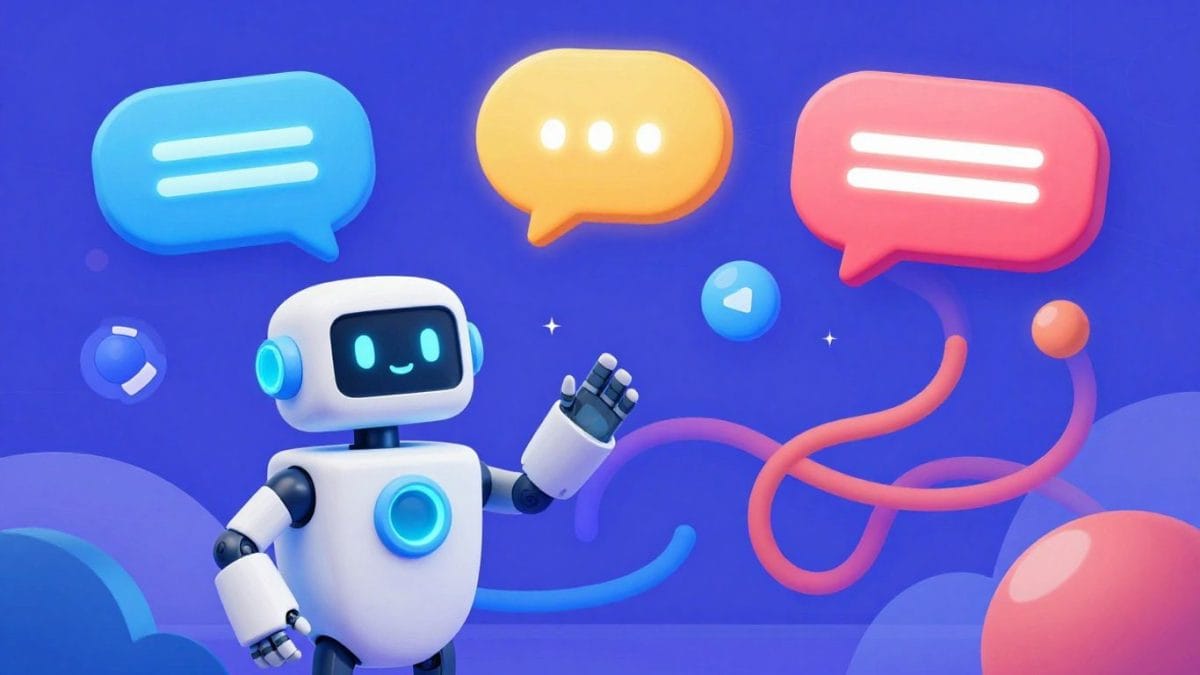
Conversational AI chat refers to technology that allows computers to understand and respond to human language in a way that feels like a natural conversation. Think of it as a digital assistant you can talk to, either by typing or speaking. These systems use smart programming to figure out what you’re asking and then provide a relevant answer or take an action. It’s not just about pre-programmed responses; it’s about understanding the meaning behind your words.
Key Features of Conversational AI Chatbots
These AI chat systems come with several useful features:
- Natural Language Understanding (NLU): The ability to grasp the intent and meaning of what a user says or types, even if it’s phrased in different ways.
- Context Awareness: Remembering previous parts of the conversation to provide more relevant and coherent responses.
- Personalization: Tailoring interactions based on user history or preferences.
- Integration Capabilities: Connecting with other business systems to fetch information or perform tasks.
- Scalability: Handling a large volume of conversations simultaneously without performance drops.
The core idea is to make interacting with technology feel less like giving commands and more like having a chat with someone who gets it.
The Role of Natural Language Processing
Natural Language Processing, or NLP, is the engine that powers conversational AI. It’s a field of computer science and artificial intelligence focused on enabling computers to understand, interpret, and generate human language. NLP allows chatbots to:
- Process Text/Speech: Break down sentences into their core components.
- Identify Intent: Determine what the user wants to achieve (e.g., book an appointment, find information).
- Extract Entities: Pull out key pieces of information like dates, names, or locations.
- Generate Responses: Formulate replies that are grammatically correct and contextually appropriate.
Without NLP, a chatbot would be unable to comprehend the nuances of human language, making meaningful interaction impossible. It’s the technology that bridges the gap between human communication and machine processing.
Enhancing Customer Engagement with Conversational AI Chat
In today’s busy world, customers expect quick and easy ways to connect with businesses. Waiting on hold or navigating complicated phone menus just doesn’t cut it anymore. Conversational AI chat is changing this by making interactions smoother and more helpful. It’s like having a smart assistant ready to help your customers anytime, making your business run better.
Providing 24/7 Customer Support
One of the biggest advantages of conversational AI chat is its availability. Unlike human support teams that work set hours, AI chatbots are always on. This means customers can get answers to their questions or help with issues at any time of day or night, even on weekends and holidays. This constant availability can significantly improve customer satisfaction because people don’t have to wait for business hours to get the help they need.
- Immediate responses: Customers receive instant replies to common queries.
- Reduced wait times: No more long queues or being put on hold.
- Global accessibility: Support is available regardless of the customer’s time zone.
The ability to offer round-the-clock support without increasing staffing costs is a major win for businesses looking to stay competitive.
Increasing Operational Efficiency
AI chatbots can handle a large volume of customer inquiries simultaneously. This frees up human agents to focus on more complex or sensitive issues that require a personal touch. By automating routine tasks like answering frequently asked questions, processing simple requests, or guiding users through basic troubleshooting, businesses can operate more smoothly and use their resources more effectively. This leads to faster resolution times for customers and a more productive environment for employees.
Here’s how AI chat boosts efficiency:
- Automating routine tasks: Chatbots handle repetitive questions and requests.
- Handling multiple conversations: One chatbot can manage many customer interactions at once.
- Streamlining workflows: Integrating with other systems can automate processes like order tracking or appointment booking.
Delivering Personalized Customer Experiences
Conversational AI can go beyond simple Q&A. By integrating with customer data, AI chatbots can offer personalized interactions. They can remember past conversations, understand customer preferences, and tailor responses accordingly. This makes customers feel recognized and valued, leading to a more positive experience. For example, an AI chat assistant could recommend products based on a customer’s purchase history or guide them through a process using information specific to their account.
- Remembering customer history: Bots can access past interactions for context.
- Tailoring recommendations: Suggesting products or services based on individual needs.
- Adapting communication style: Adjusting the tone and language to match the customer’s preference.
This level of personalization helps build stronger customer relationships and encourages loyalty.
The Benefits of Integrating Conversational AI Chat
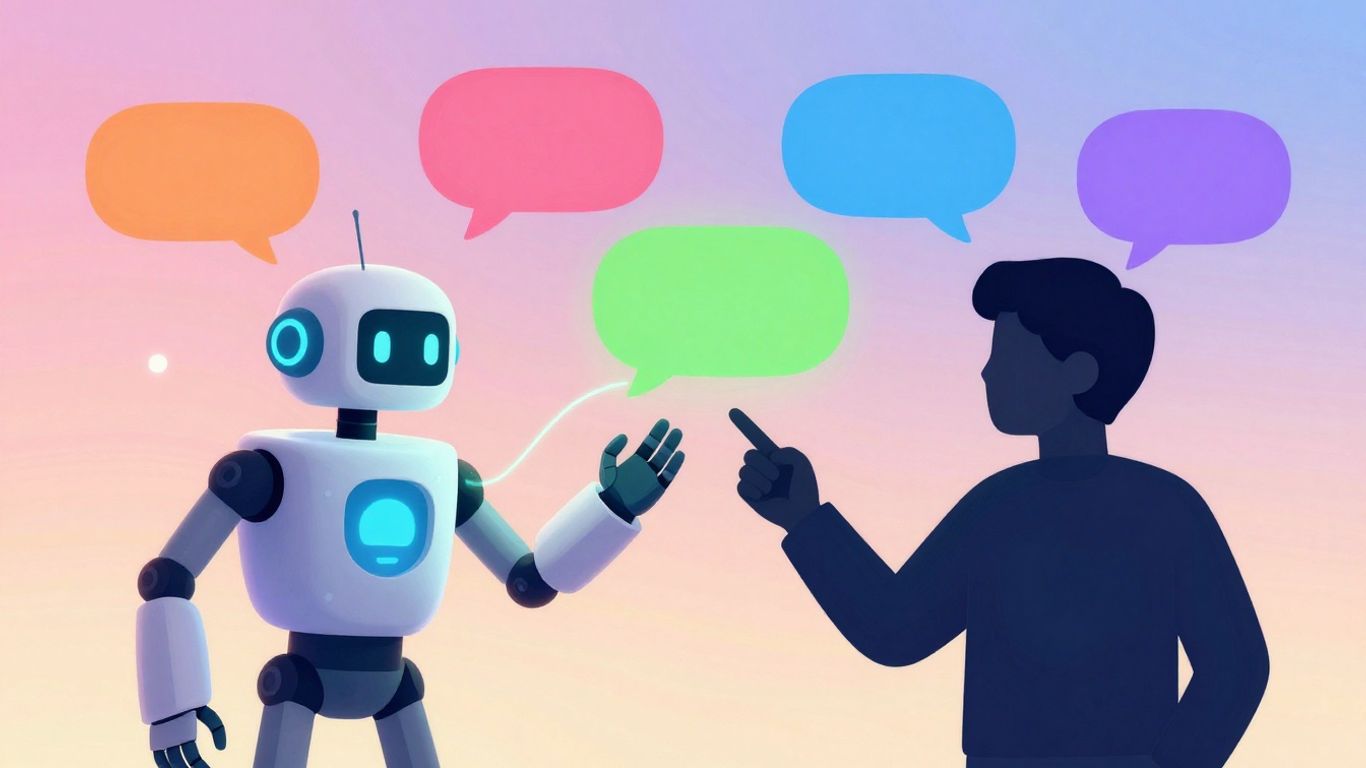
Bringing conversational AI chat into your business operations isn’t just about adopting new tech; it’s about fundamentally changing how you connect with customers and manage your resources. These systems are designed to handle a wide range of interactions, freeing up your human team for more complex tasks. The result is a more efficient, responsive, and customer-focused organization.
One of the most significant advantages is the ability to provide round-the-clock support. Customers today expect immediate answers, regardless of the time or day. AI chatbots can manage inquiries 24/7, meaning no customer has to wait for business hours to get a simple question answered. This constant availability can dramatically improve customer satisfaction and loyalty.
Beyond support, these tools boost operational efficiency. They can handle multiple conversations simultaneously, something human agents can’t do. This scalability means your business can manage peak times without a proportional increase in staffing. Think about how many customer service calls or chat requests your company handles daily; an AI can manage a large portion of these without getting overwhelmed.
Here’s a look at how integrating these systems can pay off:
- Reduced Wait Times: Customers get answers faster, leading to less frustration.
- Increased Agent Productivity: Human staff can focus on complex issues requiring empathy and critical thinking.
- Consistent Information Delivery: Chatbots provide standardized answers, reducing errors and misinformation.
- Scalability: Easily handle fluctuating volumes of customer interactions.
Furthermore, conversational AI can personalize customer experiences. By remembering past interactions and preferences, these bots can tailor responses and recommendations. This level of personalization makes customers feel understood and valued, moving beyond generic service to something more tailored. For instance, a bot can recall a customer’s previous purchase and suggest related items, or remember a support ticket and provide an update without the customer needing to explain everything again. This ability to access and utilize conversation history is a key aspect of advanced AI chat tools.
The integration of AI chat doesn’t just automate tasks; it creates a more intelligent system that learns and adapts. This continuous improvement cycle means the more the AI is used, the better it becomes at serving your customers and supporting your business goals.
Finally, these systems generate a wealth of data. Every interaction provides insights into customer needs, common problems, and product feedback. Analyzing this data can help businesses identify trends, improve products or services, and make more informed strategic decisions. It’s like having a constant focus group, available at no extra cost.
Implementing Conversational AI Chat Solutions
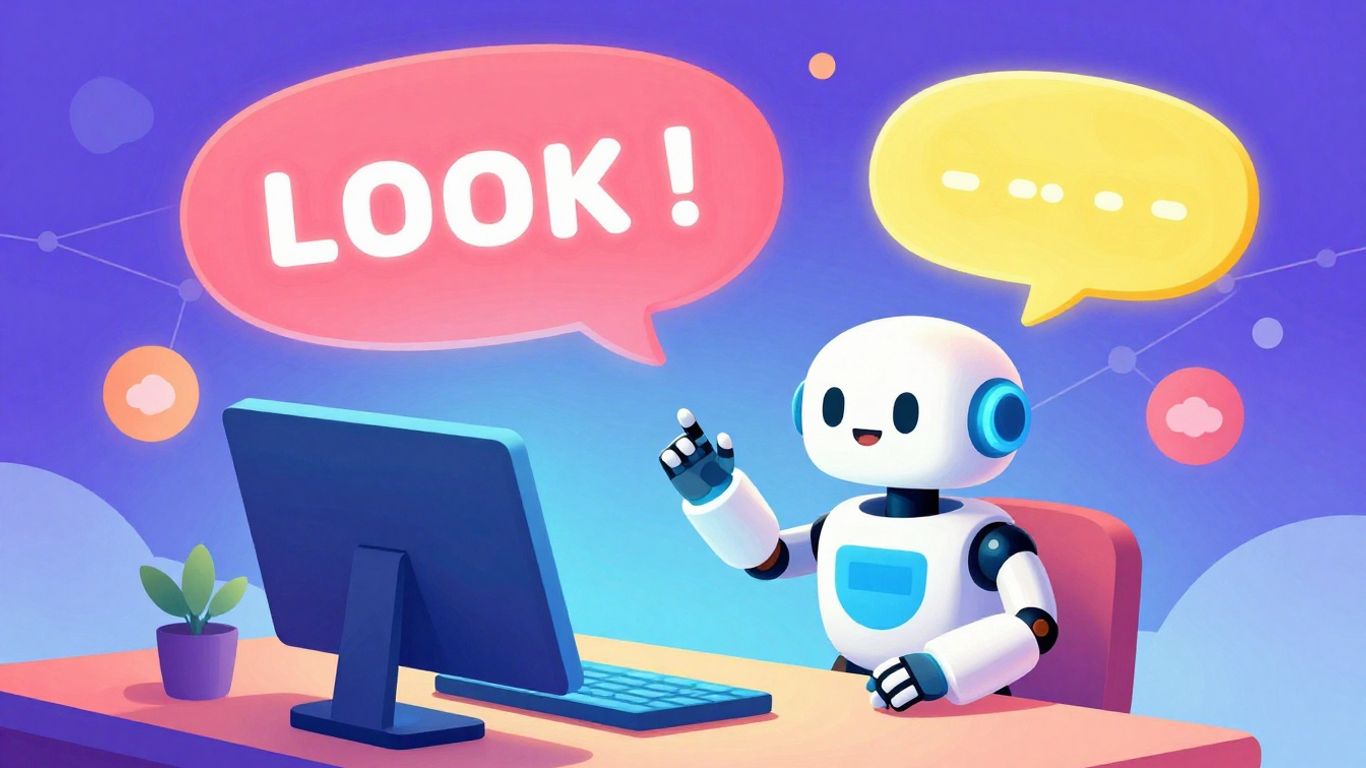
Bringing conversational AI chat into your business isn’t just about picking a tool; it’s about a thoughtful approach to how you’ll use it. Think of it as building a new communication channel that needs a solid plan to work well. It’s not something you just switch on and expect magic. You need to figure out what you want it to do and how it will fit with what you’re already doing.
Planning and Designing Your Chatbot Strategy
Before you even look at different platforms, you need to know what you’re trying to achieve. What problems will this chatbot solve? Are you looking to answer common questions faster, guide people through a process, or maybe collect some basic information? Setting clear goals helps shape everything that follows. You’ll want to think about who will be using the chatbot – your customers, your employees, or both? Understanding your audience helps determine the right tone and the kind of information the bot should handle. It’s also smart to think about how you’ll measure success. What does a ‘good’ interaction look like? Maybe it’s a faster resolution time, fewer support tickets, or higher customer satisfaction scores.
- Define specific objectives: What tasks should the chatbot perform?
- Identify your target audience: Who will interact with the bot?
- Set measurable key performance indicators (KPIs): How will you track its effectiveness?
- Consider integration points: How will it connect with existing systems like your CRM?
Selecting the Right Development Platform
Once you have a strategy, you can start looking at the tools available. There are many platforms out there, ranging from simple, no-code solutions to more complex development environments. Some platforms are built specifically for customer service, while others are more general-purpose. Think about your technical resources. Do you have developers who can build a custom solution, or do you need something that your marketing or support team can manage? Cost is also a factor, as is the platform’s ability to grow with your needs. The platform you choose should align with your technical capabilities and your long-term business goals.
Designing Effective Conversational Flows
This is where the actual conversation takes shape. A good conversational flow feels natural and guides the user effectively. It’s more than just a list of questions and answers; it’s about anticipating what the user might say or ask next and having a sensible response ready. You’ll want to map out common user journeys. For example, if someone wants to check an order status, what are the steps the bot needs to take? What information does it need to ask for? What happens if the user provides incorrect information? Using clear language, providing options when needed, and knowing when to hand off a conversation to a human agent are all part of designing a flow that works well.
Designing conversational flows requires empathy for the user. You need to think from their perspective, anticipating their needs and potential confusion. A well-designed flow makes the interaction feel helpful and efficient, not like a frustrating maze.
Here’s a look at what goes into designing a flow:
- Map out user intents: What are the main reasons users will interact with the bot?
- Script dialogues: Write out the bot’s responses and questions.
- Include error handling: Plan for what happens when the bot doesn’t understand.
- Design escalation paths: Determine when and how to transfer to a human.
- Consider personalization: How can the bot tailor the conversation based on user data?
The Future of Conversational AI Chat
The world of conversational AI chat is always moving forward. What seems advanced today will likely be standard tomorrow. We’re looking at a future where these tools become even more integrated into our daily lives and business operations, making interactions smoother and more intuitive.
Advancements in Multimodal Interaction
Right now, most chat involves text or voice. But the future is multimodal. This means AI will be able to understand and respond using a mix of different types of information. Think about it: you could show a picture of a broken part to a support bot, describe the problem with your voice, and get a text-based solution with a diagram. This ability to combine different communication methods will make problem-solving much faster and more effective. It’s like having a conversation where you can point, speak, and read all at once.
Expanding Cross-Language Capabilities
As the world gets smaller, communicating across different languages becomes more important. Future AI chat systems will get much better at handling multiple languages. They won’t just translate; they’ll understand cultural nuances and idiomatic expressions. This means a business in Japan could have a natural-sounding conversation with a customer in Brazil, with the AI handling the language barrier in real-time. This opens up global markets and makes customer service truly international.
Integration with Immersive Technologies
Imagine learning a new skill or troubleshooting a complex piece of equipment with an AI guide that exists in a virtual or augmented reality space. Conversational AI is set to blend with technologies like VR and AR. Instead of just reading instructions, you could have an AI assistant guide you through a virtual 3D model or overlay instructions onto the real-world object you’re working with. This creates highly interactive and practical learning or support experiences that are hard to achieve with current tools.
Conversational AI Chat for Language Learning
Learning a new language can feel like a big task, especially when you don’t have someone to practice with regularly. This is where conversational AI chat technology really steps in to help. It’s like having a practice partner available anytime, anywhere, without any pressure.
Interactive Practice in a Low-Pressure Environment
One of the biggest hurdles in language learning is finding opportunities to speak. Many learners feel shy or worried about making mistakes in front of others. AI chat bots provide a safe space to try out new words and sentence structures. You can type or speak, and the bot responds, letting you practice conversations as much as you need. This constant, judgment-free interaction builds confidence. It’s a way to get comfortable with the rhythm and flow of a language before engaging in real-world conversations.
Personalized Feedback and Adaptive Learning
These AI tools don’t just chat; they also help you improve. They can spot common errors in grammar or vocabulary and offer corrections. Some systems can even adapt to your skill level. If you’re struggling with a particular concept, the bot can offer more practice on that. If you’re doing well, it can introduce more complex ideas. This means your learning experience is tailored just for you, focusing on what you need most.
Here’s how the feedback loop typically works:
- User Input: You say or type something in the target language.
- AI Analysis: The system checks your input for errors.
- Constructive Correction: The AI provides specific feedback and suggests better ways to phrase your sentence.
- Reinforcement: You get a chance to try again, solidifying the correct usage.
The ability of AI to remember your progress and adjust the difficulty makes it a dynamic learning companion. It moves beyond static exercises to offer a more responsive and effective way to learn.
Accessibility and Convenience for Learners
Forget scheduling conflicts or expensive tutors. AI language chat is available 24/7, right on your phone or computer. Whether you have five minutes during your commute or an hour in the evening, you can practice. This convenience makes it easier to stay consistent with your studies, which is key to mastering any language. It removes many of the practical barriers that often get in the way of language acquisition, making learning more accessible to a wider range of people.
Looking Ahead
As we’ve seen, conversational AI chat is more than just a passing trend; it’s becoming a standard way for businesses and individuals to connect. From making customer service quicker and more helpful to changing how we learn new things, these tools are really useful. They help make interactions smoother and more personal, which is what most people want these days. As the technology keeps getting better, we can expect even more smart ways for AI to help us communicate and get things done. So, embracing these tools now is a smart move for anyone looking to stay connected in our increasingly digital world.
Frequently Asked Questions
What exactly is a conversational AI chatbot?
Imagine a smart computer program you can chat with, like texting a friend, but it’s designed to help you with things. It uses smart technology to understand what you’re saying and can answer questions, give information, or even help you do tasks. It’s like having a helpful assistant that’s always available.
How do these chatbots understand what I’m saying?
They use something called Natural Language Processing, or NLP. Think of NLP as teaching the computer to understand human language, just like we do. It helps the chatbot figure out the meaning behind your words, even if you say things in different ways. This makes chatting with it feel more natural and less robotic.
Can chatbots really help businesses talk to customers better?
Absolutely! Chatbots can answer customer questions instantly, 24/7, so no one has to wait. They can handle many conversations at once, making things super efficient. Plus, they can remember what customers like and offer personalized help, making customers feel more valued and happy.
What are the main advantages of using chatbots for a company?
Companies save money because chatbots can handle many tasks that people used to do. They also get valuable information from customer chats, which helps them understand what customers want and how to improve. It makes customer service faster and smoother for everyone.
How do I get started with a chatbot for my business?
First, you need to figure out what you want the chatbot to do. Then, you choose a platform to build it on, maybe using special tools that make it easier. You’ll also need to design how the conversation will go, thinking about what customers might ask and how the chatbot should respond. Testing it out is super important too!
Will chatbots get even smarter in the future?
Yes, they’re always getting better! Future chatbots will be able to understand and respond in even more ways, maybe using pictures, videos, or even gestures along with words. They’ll also get much better at understanding different languages, making it easier for people all over the world to communicate.