AI is no longer a far-off idea; it’s here, actively changing how businesses operate and how we live. It’s become a tool that companies need, and its real worth shows up in how they choose to use it. From improving medical checks to simplifying taxes and making travel smarter, AI is speeding things up and opening new doors. But just getting the technology isn’t enough. It needs good leadership, forward thinking, and a culture that welcomes new ideas. That’s how AI can truly help industries and people. This article looks at how AI is reshaping healthcare, transportation, and finance, and what leaders can do to get the most out of it. The opportunities are pretty amazing, whether it’s spotting trends, smoothing out operations, or creating better plans. AI gives us the tools to lead the way. The trick is to use this technology with a clear purpose and a sense of responsibility, turning changes into chances to build a better future.
Key Takeaways
- Magics AI is making healthcare more precise with tools that can diagnose diseases and predict health issues before they become serious.
- Autonomous vehicles and smart logistics, powered by Magics AI, are changing how we move people and goods, aiming for safer and more eco-friendly travel.
- In finance, Magics AI helps make better decisions, automates tasks like tax preparation, and offers banking services tailored to individual needs.
- Manufacturing is becoming smarter with Magics AI-driven automated factories and tools that help workers be more productive and safe, while also making supply chains stronger.
- Retail uses Magics AI and data to create personalized shopping experiences and optimize store operations.
Transforming Healthcare With Magics AI
Enhancing Diagnostic Accuracy With Predictive Analytics
Healthcare is a field where precision matters immensely. Magics AI is stepping in to help doctors and medical professionals make more accurate diagnoses and predict potential health issues before they become serious. Think about medical images, like X-rays or MRIs. AI systems can be trained on vast numbers of these images, learning to spot subtle signs of disease that might be missed by the human eye. This isn’t about replacing doctors; it’s about giving them a powerful tool to assist their judgment. By analyzing patient data, including medical history, lifestyle factors, and even genetic information, AI can also help identify individuals who might be at a higher risk for certain conditions in the future. This shift towards predictive care means focusing more on keeping people healthy rather than just treating them when they’re sick. It’s a significant change that can lead to better patient outcomes and more efficient use of medical resources. We’re seeing changes that go way beyond just faster paperwork; AI is starting to reshape how doctors diagnose illnesses and how hospitals run their day-to-day operations. It’s a big shift, and it’s happening now. You can read more about this at our one of the projects.
Bringing Efficiency to Clinical Workflows
Beyond diagnostics, Magics AI is also making a big difference in how healthcare facilities operate. Hospitals and clinics have many moving parts, from scheduling appointments to managing patient records and processing insurance claims. These tasks can be time-consuming and sometimes lead to errors. AI can automate many of these administrative processes, freeing up doctors, nurses, and support staff to spend more time directly with patients. Predictive analytics can also help hospitals manage their resources more effectively. For instance, AI can forecast patient admission rates, which helps in making sure there are enough beds and staff available, especially during busy periods or seasonal outbreaks. This kind of operational improvement can lead to lower costs and a better experience for everyone involved.
When AI is making decisions that affect people’s health, we need to be really careful. Data privacy is a huge concern. Medical information is incredibly sensitive, and we need to make sure it’s protected. Who has access to it? How is it being used? These are questions we need clear answers to.
Supporting Patient-Centered Care Through AI Personalization
Magics AI also plays a role in making healthcare more personal for each patient. By analyzing individual patient data, AI can help tailor treatment plans and health recommendations. This means that the advice and care a patient receives are based on their unique needs and circumstances, rather than a one-size-fits-all approach. For example, AI can help suggest the most effective medication based on a patient’s genetic makeup or predict how they might respond to a particular therapy. This personalized approach can lead to more effective treatments and a better overall patient experience. It’s about using technology to make sure that every patient feels seen and that their care is as individual as they are.
Driving Smart Mobility and Transportation With Magics AI
Magics AI is making huge changes in how people and goods move from place to place. Roads are getting more crowded every year, and companies face pressure to deliver faster, cleaner, and safer. Magics AI solutions are helping to address these challenges—not by adding more roads or drivers, but by using data to make smarter decisions at every level.
Advancements in Autonomous Vehicles and Traffic Management
Magics AI is at the heart of the latest breakthroughs in self-driving technologies and smart traffic systems. Autonomous vehicles powered by AI are designed to sharply reduce accidents and traffic jams by automatically reacting to real-time situations. At the same time, city managers use AI-driven traffic signals that adjust patterns on the fly, keeping intersections flowing and helping emergency vehicles get where they need to go faster.
Main benefits include:
- Fewer accidents from human mistakes
- Shorter commutes and less time spent in traffic
- Easier travel for all, including people with disabilities
| Feature | Human Drivers | Autonomous Magics AI |
|---|---|---|
| Accident Rate | Higher | Lower |
| Consistency | Varies | Stable |
| Reaction Time | Slower | Instant |
| Operational Hours | Limited | 24/7 |
Magics AI is not just automating driving—it’s reshaping how entire cities move, creating the possibility of safer and less stressful trips day after day.
Optimizing Delivery Routes and Supply Chains
Behind every delivery, there’s a web of choices about routes, schedules, and vehicles. Magics AI goes through data like traffic, weather, and order urgency to create the most efficient plans. This helps delivery drivers avoid jams, saves fuel, and makes sure goods reach you right on time rather than sitting on a truck across town.
Here’s what this means for businesses and consumers:
- Lower delivery times and costs
- Less fuel use, leading to more sustainable shipping
- Greater reliability, with fewer lost or delayed packages
AI is also great at adapting—so if there’s a last-minute traffic snarl or a sudden spike in demand, the system can adjust routes and resources right away.
Promoting Safety and Environmental Sustainability
Safety is baked into everything Magics AI does. Smart predictive tools warn when vehicles need repairs before they break down on the road. AI manages city traffic to minimize dangerous congestion and reduces the time emergency responders spend stuck at red lights.
Magics AI also supports greener transportation in these ways:
- Optimizing traffic to lower idle times and reduce emissions
- Planning routes to combine deliveries, cutting the number of trips
- Tracking and promoting the use of electric or hybrid fleets
With Magics AI, transportation gets safer for everyone and takes bigger steps toward cleaner air and quieter streets.
Reinventing Finance and Accounting With Magics AI
Let’s be honest, taxes and accounting aren’t always the most thrilling subjects. Many of us dread tax season, and the details can get pretty complicated. But because this field has traditionally involved a lot of manual work, it’s a prime area for big changes thanks to AI.
Streamlining Tax Operations Using Intelligent Automation
AI is making tax processes much smoother by automating everyday tasks like data entry, matching up records, and filing. This frees up tax professionals to concentrate on more important, forward-thinking projects. Sophisticated data analysis and machine learning can sift through huge amounts of information to spot patterns, predict future tax amounts, and figure out the best tax strategies. It’s like having a super-smart assistant that never gets tired.
Here’s how AI is making a difference in tax operations:
- Automating Compliance and Auditing: Routine tasks like gathering documents, checking for errors, and preparing reports can be handled by AI. This reduces the chance of human mistakes and speeds up the whole process.
- Predictive Tax Planning: AI can analyze market trends, historical data, and regulatory changes to forecast tax liabilities and identify potential savings opportunities.
- Fraud Detection: AI algorithms can flag unusual transactions or potential issues that might be missed by human review, improving accuracy and security.
The future of tax leadership means blending technical know-how with a clear vision for what’s next. Leaders need to anticipate changes and guide their teams through them.
Enabling Deeper Financial Insights Through Data Analysis
AI tools can analyze market trends, customer behavior, and financial data much faster than humans. This helps businesses make smarter choices about investments, risk management, and resource allocation. Think of it as getting a clearer picture of the financial landscape to make better moves. Machine learning and deep learning are key here, allowing AI systems to improve over time, becoming more accurate and efficient with more data.
Personalizing Banking Services for Consumers
AI can help financial institutions understand individual customer needs better. This leads to customized advice, product recommendations, and even tailored investment strategies. It makes financial planning feel more relevant and accessible to everyone. By analyzing spending habits and financial goals, AI can suggest the best savings accounts, loan options, or investment portfolios for each person.
Enhancing Manufacturing and Industry With Magics AI
Manufacturing has always been about making things efficiently, but now, data and AI are really changing the game. It’s not just about robots on an assembly line anymore; it’s about making the whole factory smarter and more connected. This shift is leading to factories that can adapt on the fly and produce goods with incredible precision. We’re seeing AI revolutionizing manufacturing in ways that were hard to imagine just a few years ago.
Building Intelligent Factories and Smarter Production Lines
Think of a factory where machines talk to each other, predict when they need maintenance, and adjust production based on real-time demand. That’s the idea behind intelligent factories. AI is making automation more sophisticated. Instead of just doing repetitive tasks, AI-powered systems can learn and improve. This means fewer errors and less downtime. We’re seeing advanced robotics working alongside humans, not just replacing them, but assisting them. This integration helps optimize the entire production flow, making things run smoother than ever before. It’s all about creating a more responsive and efficient production environment.
Boosting Worker Productivity and Safety
AI isn’t just for the machines; it’s helping the people on the factory floor too. AI tools can give workers instant access to information they need, like troubleshooting guides or equipment manuals, right when they need them. This helps them fix problems faster and reduces the time spent searching for answers. Safety is another big area. AI can monitor work areas for potential hazards, alert people to risks, and even help with incident reporting. This proactive approach means fewer accidents and a safer workplace for everyone. It’s about using technology to support and protect the workforce.
Increasing Supply Chain Resilience With Data-Driven Insights
Supply chains have been a bit of a mess lately, right? Data and AI are helping to fix that. By analyzing vast amounts of data from suppliers, logistics, and even weather patterns, AI can predict potential disruptions before they happen. This allows companies to make adjustments, like finding alternative suppliers or rerouting shipments, to keep things moving. It’s about building a supply chain that’s not just efficient but also tough enough to handle unexpected problems. This means less waiting for parts and more reliable delivery of finished goods. The ability to process and interpret complex data sets allows manufacturers to move beyond simple automation. It enables a proactive stance, anticipating issues and opportunities rather than just reacting to them. This agility is key in today’s unpredictable global market. You can find out more about how AI is transforming production lines at AI revolutionizing manufacturing.
AI enables manufacturers to move beyond simple automation, allowing for a proactive stance that anticipates issues and opportunities rather than just reacting to them. This agility is key in today’s unpredictable global market.
Revolutionizing Retail Experiences Through Magics AI
The retail landscape is changing fast, and if you’re not paying attention to data and AI, you’re going to get left behind. It’s not just about selling stuff anymore; it’s about making the whole experience better for everyone involved, from the customer walking in the door to the person stocking shelves. AI is becoming the secret sauce that makes everything run smoother and feel more personal.
Personalizing Shopping With Advanced Recommendations
Remember when shopping felt like a one-size-fits-all deal? Those days are fading. AI looks at what you like, what you’ve bought before, and even what you’ve just browsed, to show you things you’ll probably be interested in. It’s like having a personal shopper who actually gets you. AI algorithms analyze your past purchases and browsing history to suggest items you might like. This isn’t just random guessing; it’s based on patterns seen across millions of shoppers. Smarter search functions also help you find what you’re looking for faster, even if you don’t use the exact right words. The goal here is to make shopping feel less like a chore and more like a discovery. When customers feel understood, they tend to stick around and buy more.
Optimizing Inventory and Store Operations
Behind the scenes, AI is doing a ton of work to keep stores running efficiently. Think about inventory, staffing, and making sure products are in the right place at the right time. AI helps with all of that.
Here’s a quick look at how AI helps operations:
- Inventory Management: AI can predict when stock will run low and automatically reorder, preventing those frustrating out-of-stock moments.
- Staffing Optimization: By analyzing foot traffic patterns and sales data, AI can help schedule the right number of staff for peak times.
- Product Placement: AI can suggest optimal store layouts and product placements based on customer behavior and sales trends.
AI is stepping in to smooth out a lot of the operational bumps. Scheduling appointments, managing patient records, handling insurance claims – these are all tasks that can be time-consuming and prone to error. AI can automate many of these processes, freeing up staff to focus on what matters most: the patients.
Utilizing Real-Time Data for Dynamic Pricing
Prices can change based on demand, time of day, or even who you are, making sure you get a competitive price. This dynamic pricing strategy allows retailers to respond quickly to market changes and customer behavior. By analyzing sales data and competitor pricing in real-time, businesses can adjust their own prices to maximize revenue and stay competitive. This approach is becoming increasingly important in fast-paced markets where conditions can shift rapidly. Understanding these market dynamics is key to successful retail strategies.
Elevating Education and Learning With Magics AI
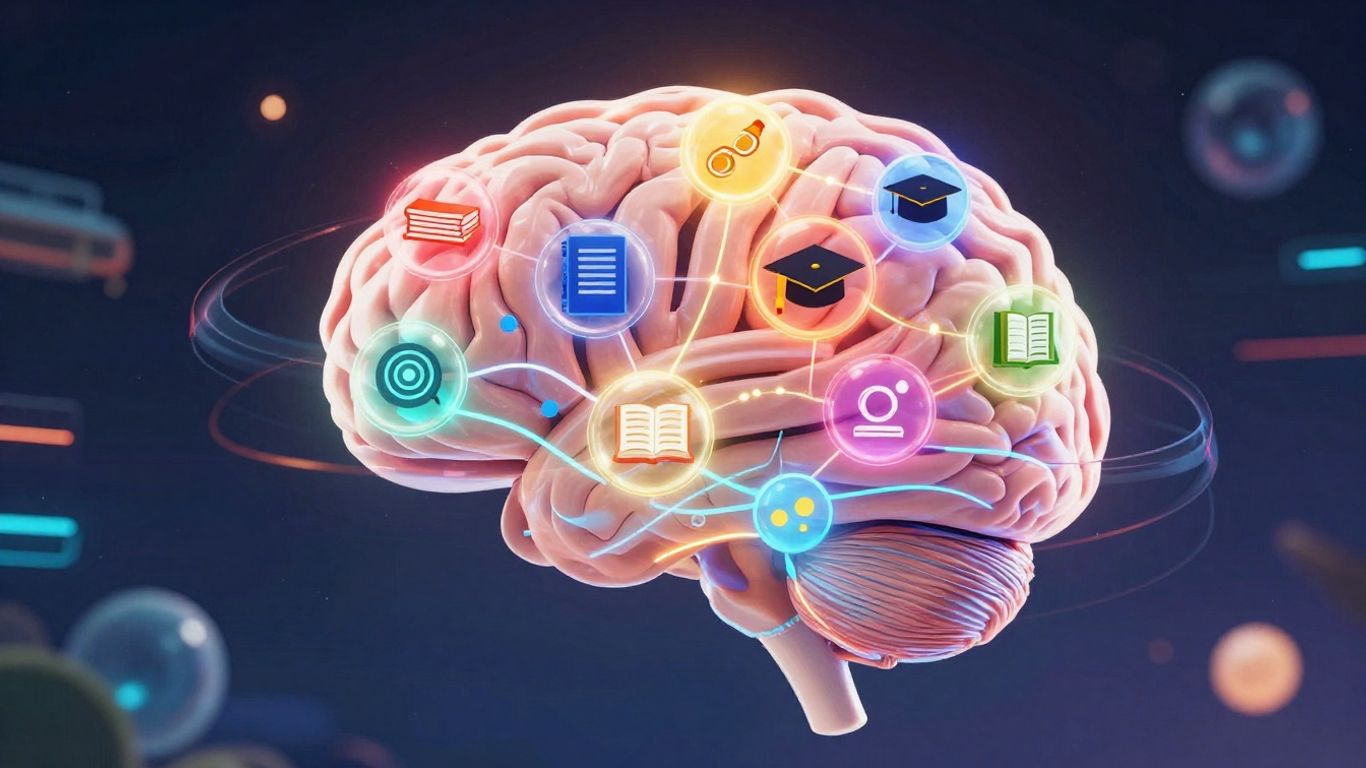
Magics AI is changing how we learn and teach. It’s not just about putting textbooks online; it’s about making education work better for everyone involved.
Delivering Personalized Learning Experiences
Think about how different people learn. Some grasp concepts quickly, while others need more time or a different approach. Magics AI can figure this out. It looks at how a student interacts with material – what they get right, where they struggle, and how fast they move. Based on this, it can adjust the lessons. This means a student who’s ahead won’t get bored, and someone needing extra help will get it without feeling singled out. This tailored approach helps students learn more effectively and at their own speed.
Supporting Educators With Intelligent Tools
Teachers have a lot on their plates. Grading papers, planning lessons, and keeping track of each student’s progress takes time. Magics AI can help with some of these tasks. It can automate grading for certain types of assignments, freeing up teachers to focus on more important things like one-on-one student interaction or developing creative lesson plans. AI can also help identify students who might be falling behind early on, so teachers can step in before problems get bigger.
Improving Access to Education Through Online Platforms
Online learning has opened doors for many, but Magics AI can make it even better. It can help create smarter online courses that adapt to the learner. It can also help organize vast amounts of educational resources, making it easier for students and teachers to find what they need. This means learning can happen anywhere, anytime, and be more effective for a wider range of people.
AI in education isn’t about replacing teachers; it’s about giving them and students better tools to make learning more effective and accessible for everyone.
Empowering the Workforce for the AI Era

Artificial intelligence is changing how we work, and the impact reaches across every profession. Some people are worried about job automation, but AI actually opens up new opportunities for those ready to learn and adapt. Instead of focusing on job loss, it’s more helpful to look at the skills that can help people work alongside AI and even use it to become more productive.
Cultivating AI Literacy and Upskilling
Learning about AI is now a must—not just for programmers or tech workers. Everyone can benefit from understanding how AI works and where it fits in their daily jobs. Here are practical steps:
- Take short courses about AI basics through online platforms.
- Explore how AI is used in your field by reading articles or watching webinars.
- Try small hands-on projects—like automating a simple task—with free AI tools.
| Approach | Description |
|---|---|
| Online Courses | Flexible learning for any schedule |
| Reading/Research | Keep up with trends and innovations |
| Hands-on Projects | Apply knowledge to real-world problems |
The best way to learn about AI is to try it out yourself, even on a small scale. You don’t need to be an expert; simple projects build confidence and spark ideas for applying AI at work.
Fostering Collaboration Between Human and Artificial Intelligence
AI is best used as a partner, not as a replacement for people. Working well with AI requires employees to use their judgment and creativity alongside the tool. Common tasks for collaboration include:
- Letting AI handle repetitive or data-heavy tasks.
- Reviewing AI suggestions, but making the final decisions yourself.
- Combining insights from AI with knowledge about your customers or projects.
This teamwork with AI often means smoother workflows and better outcomes, but it doesn’t remove the need for critical thinking or people skills.
Preparing for Continuous Change in the Workplace
The workplace will keep evolving. New AI tools and tasks will appear, and some old ones may disappear. Adapting to this means:
- Regularly reviewing what skills are in demand.
- Joining workplace or community learning groups.
- Giving feedback to employers about the support needed for learning new systems.
The most successful employees will be those who keep learning and stay open to change. AI isn’t about replacing people; it’s about shifting how work gets done, often making jobs more interesting as the routine parts are handled by machines.
Looking Ahead: The Ongoing AI Journey
So, we’ve seen how artificial intelligence isn’t just a futuristic idea anymore; it’s actively changing how businesses operate and how we live our lives today. It’s become a key tool, and its real impact comes down to how companies choose to use it. From making healthcare more precise to simplifying tasks in finance and making transportation smarter, AI is speeding things up and opening new doors. But just having the technology isn’t the whole story. It needs good leadership, careful thought about what’s right, and a workplace culture that’s open to new ways of doing things. That’s how AI can truly help industries and people move forward. The real challenge now is how leaders and teams can adapt to become more efficient without adding more stress. As AI continues to develop, staying curious and learning will be important for everyone. By using this technology thoughtfully, we can build a future that’s more efficient and works better for all of us.
Frequently Asked Questions
What is Magics AI and how is it changing industries?
Magics AI is a type of artificial intelligence technology that helps businesses work smarter and faster. It is used in many areas like healthcare, transportation, finance, and retail to make tasks easier, improve accuracy, and help people make better decisions.
How does Magics AI help doctors and hospitals?
Magics AI can help doctors find health problems sooner by looking at patient data and spotting patterns. It can also help hospitals run more smoothly by organizing patient records and making sure everyone gets the care they need.
Can Magics AI make transportation safer and more efficient?
Yes! Magics AI is used in self-driving cars and traffic systems to help reduce accidents and traffic jams. It can also plan better delivery routes, which saves time and fuel, and helps the environment.
How is Magics AI used in finance and banking?
In finance, Magics AI can quickly look through lots of data to spot trends, help with taxes, and even give people advice on how to manage their money. It also helps banks offer services that fit each customer’s needs.
Will Magics AI take over jobs or help workers?
While some simple tasks might be automated, Magics AI is mostly used to help workers do their jobs better. It can take over boring or repetitive tasks, so people can focus on more important and creative work.
How can students or workers get ready for a future with AI like Magics AI?
Students and workers can get ready by learning about how AI works, using online courses, and practicing new skills. It’s also important to keep learning and be open to new ideas, since technology keeps changing.