Anime isn’t just evolving, it’s exploding into a new era where VR worlds, AI-powered creativity, and interactive storytelling redefine what animation can be. Once a Japanese art form, anime is now a global, tech-driven universe without boundaries.

Anime has long been more than just a form of entertainment; it’s a cultural phenomenon, an art form, and a powerful medium for storytelling. From its humble beginnings in Japan to its global domination, anime has captivated the hearts and minds of millions.
But where is anime headed next?
As we stand at the threshold of groundbreaking technologies like virtual reality (VR), artificial intelligence (AI), and new forms of interactive storytelling, the future of anime seems limitless. Welcome to “The Infinite Canvas,” where anime’s eternal future unfolds.
Global confluence: Anime as a universal language
Anime’s charm lies in its ability to transcend borders. What began as a Japanese tradition has blossomed into a global language that unites diverse cultures and communities. Whether it’s the stunning visuals, the deep storytelling, or the richly developed characters, anime speaks to something deep within the human experience.
But what is it that makes anime so universally appealing?
At its core, anime is more than just animation, it’s an immersive experience. Its unique art style and bold storytelling techniques have created a space where stories from all walks of life can be told. And with the rise of global streaming platforms like Netflix, Crunchyroll, and Funimation, anime has become a bridge between cultures, offering audiences worldwide a chance to experience the richness of Japanese creativity.
In a world that’s becoming more connected than ever, anime serves as a universal language. It brings together people from different backgrounds, breaking down cultural barriers. As we witness the globalisation of anime, it is clear that its reach is not limited by borders—it’s a language that speaks to the universal human experience.
The intersection of technology and artistry
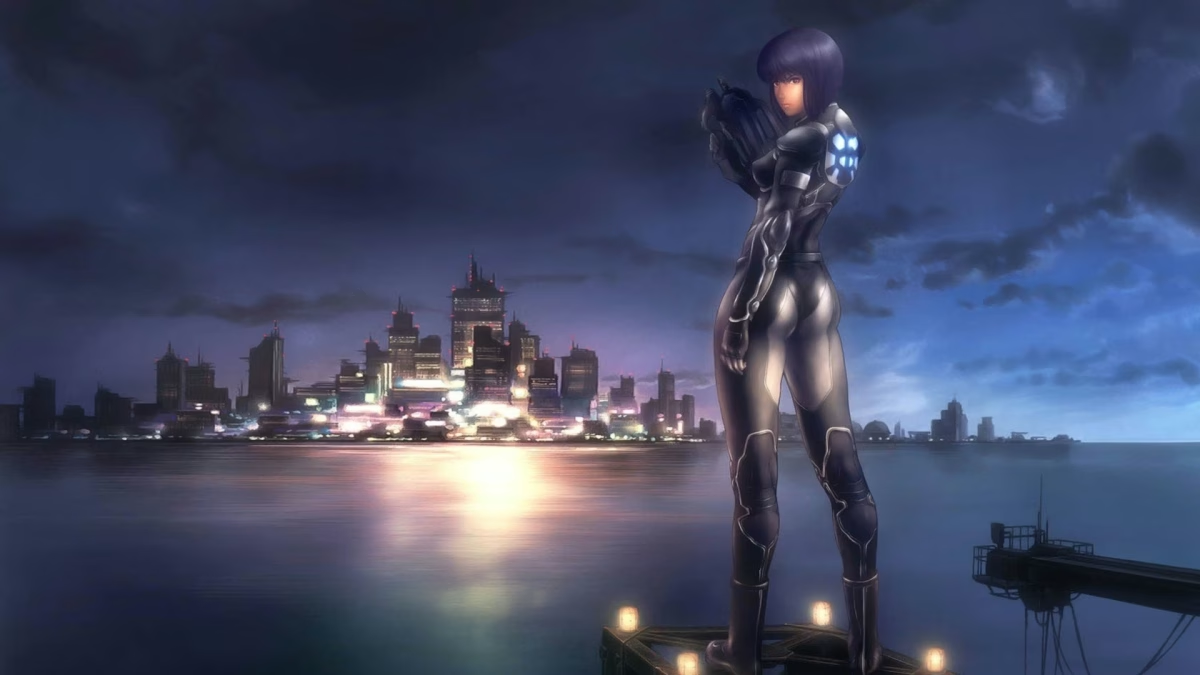
As technology continues to advance, it opens up new avenues for creativity in anime. The digital age has already made its mark on the medium, from the hand-drawn animation of the past to today’s stunning CGI-enhanced visuals. But the future holds even more promise.
Virtual Reality (VR) is one of the most exciting possibilities for anime’s future. Imagine stepping into the worlds of your favourite anime and experiencing them firsthand. VR technology has already started making its way into anime, with projects like Sword Art Online and Ghost in the Shell showing how immersive experiences can blur the line between fiction and reality. But this is only the beginning.
As VR technology improves, anime will become more than just something you watch, it will be something you live. With VR headsets becoming more affordable and accessible, we are on the cusp of a new era where anime fans can interact with their favourite characters and environments, creating an unprecedented level of immersion.
But it’s not just VR that’s changing the anime landscape. Artificial Intelligence (AI) is also having a profound impact on the way anime is created. AI-driven animation tools are already being used to streamline production processes, making it easier for studios to produce high-quality content at a faster pace.
Some AI systems are even capable of generating fully realised characters, backgrounds, and even entire scenes based on minimal input. While this raises questions about the role of human artists in the future of anime, it also opens up exciting possibilities for creativity. AI can be used as a tool to enhance the creative process, allowing artists to push the boundaries of what’s possible.
Anime and the rise of interactive media
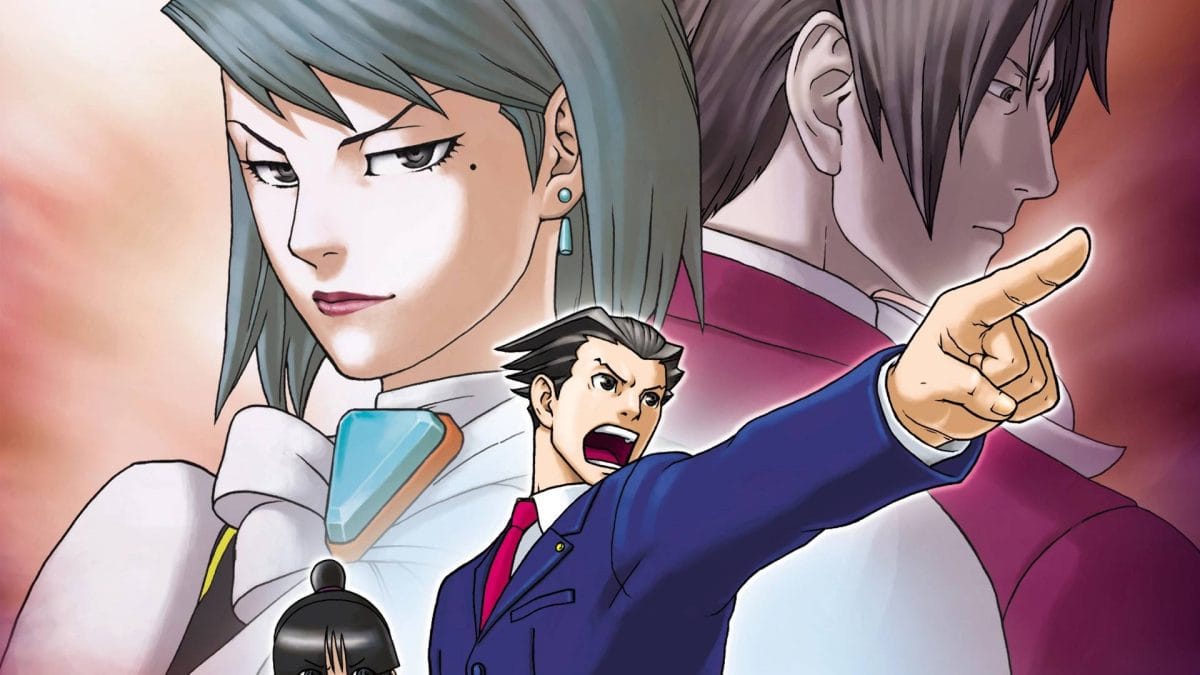
Another fascinating direction anime is headed towards is interactive media. Gone are the days when anime was something that audiences passively consumed. With the advent of interactive storytelling, anime is beginning to shift from being a passive experience to a participatory one. This evolution has been partially spurred by the rise of video games and interactive films, where audiences can take an active role in shaping the narrative.
Take Danganronpa and Phoenix Wright: Ace Attorney as examples of anime-inspired video games that offer players the chance to influence the story. These interactive experiences not only offer deeper engagement with the characters and plot but also offer a sense of agency. Viewers are no longer just watching; they are participants in the world of anime.
Imagine a future where anime series are fully interactive, where fans can make decisions that affect the story, and where every episode can branch into different directions based on the choices viewers make. This could redefine what it means to watch anime and create a completely new genre of interactive anime.
As AI and machine learning improve, the possibilities for interactive anime become even more exciting. Picture a series where the AI adjusts the plot based on your preferences, learning what type of stories resonate with you most.
The technology could evolve to such a degree that the anime adapts in real-time, crafting unique experiences for each viewer. This level of interactivity would take anime into uncharted territory, making it not just a form of entertainment but a deeply personalised experience.
The eternal human need for story
At the heart of anime’s appeal is its ability to tell stories that resonate with people on a deep, emotional level. From the vast universes of Naruto and One Piece to the intimate tales of Your Name and A Silent Voice, anime has the power to tap into universal themes of love, loss, friendship, and the search for identity.
Despite the rapid advancements in technology, anime’s greatest strength remains its timeless ability to tell stories that speak to the heart of the human experience.
Storytelling is an ancient tradition, one that spans across every culture and time period. It’s something that transcends technology, language, and geography. The power of a good story is universal, and anime is uniquely positioned to explore every facet of the human condition.
Whether it’s a story about a young boy dreaming of becoming the strongest, or a tale of two star-crossed lovers from different worlds, anime allows viewers to experience stories in a way that no other medium can.
In the future, as AI and VR continue to shape the anime landscape, one thing will remain constant: the human need for storytelling. Whether it’s through traditional hand-drawn animation or fully immersive virtual worlds, anime will continue to provide a canvas for human creativity, offering new ways for stories to be told, experienced, and shared.
Expanding the boundaries: Anime’s cultural impact
As we look ahead, anime’s cultural impact will continue to grow. No longer confined to Japan, anime is now a global phenomenon, with fans from every corner of the world. The influence of anime can be seen in various forms of art and media, from Western cartoons and films to video games and fashion.
As anime evolves, it will continue to shape and be shaped by global cultures, creating a rich, diverse tapestry of storytelling.
One of the most exciting possibilities is the potential for collaboration between anime creators and artists from around the world. With the advent of globalisation and interconnectedness, anime can now tap into the talents of creators from different cultural backgrounds.
This could lead to a fusion of anime with other storytelling traditions, creating a truly international form of art that reflects the diversity of human experience.
The future of anime is not just about the technology, the art, or the story, it’s about bringing people together. As anime continues to push the boundaries of what’s possible, it will remain a reflection of humanity’s greatest aspirations, dreams, and struggles. And as long as there are stories to tell, anime will continue to provide an infinite canvas for those stories to unfold.
The power of community: Fans as creators
A key element that makes anime so unique is its community. Fans of anime have always been passionate, but in the future, they could become creators themselves. Already, platforms like YouTube, FanFiction.net, and DeviantArt allow fans to engage with anime on a deeper level, creating their own fan art, fan fiction, and remixes.
As technology advances, fans may have even more opportunities to contribute to the creation of anime. With AI and user-generated content, it’s not hard to imagine a world where fans can co-create anime with professional studios, giving rise to a new era of fan-driven storytelling.
In this new future, anime fans could be the ones driving innovation, experimenting with new forms of storytelling, and finding new ways to interact with their favourite series.
This could lead to a democratisation of anime creation, where anyone with a passion for the medium can bring their ideas to life, whether it’s through animation, voice acting, or interactive storytelling. The line between creator and consumer will continue to blur, empowering fans to become part of the anime-making process.
The infinite canvas
The future of anime is as boundless as the stories it tells. From new technologies like VR and AI to interactive experiences and fan-driven creation, anime’s evolution is an exciting journey that promises to keep pushing the boundaries of what’s possible.
But beyond the technologies and innovations, anime’s true power lies in its ability to capture the heart of the human experience. It reminds us that, at the end of the day, we are all connected by the stories we tell.
As anime continues to evolve, it will remain an infinite canvas, one that adapts, grows, and expands, always reflecting the ever-changing human condition. And no matter where the future takes us, one thing is certain: anime will always be there, ready to capture the next great story, waiting for us to step inside and experience it.
In the end, anime’s greatest achievement isn’t its technology or artistry, but its unwavering belief in the transformative power of story. And as long as there are stories to tell, anime will continue to be the canvas on which they are painted, forever expanding, forever eternal.