Thinking about a job in entertainment? It’s a field that sparks a lot of interest for good reason. You see the movies, hear the music, play the games – and maybe you’ve wondered if you could be part of making all that happen. It’s a world that feels exciting, and it is, but like anything, it takes some planning to get your foot in the door. This guide is here to help you figure out how to get started and what to expect in the wild world of entertainment careers jobs.
Key Takeaways
- To get into entertainment careers jobs, understand the different parts of the industry, like film, music, or gaming, and know what skills are really needed. You’ll need to be creative and good at talking to people.
- School is important, but so is real-world practice. Think about college courses related to media or communication, and definitely try to get internships. This hands-on stuff really counts.
- Figure out what kind of job you want. There are tons of roles, so match your talents to the opportunities out there. Specializing can help you move up.
- When you’re ready to apply, know where to look for openings. Make sure your resume shows off what you can do, and write cover letters that grab attention.
- Entertainment careers jobs are always changing, especially with new tech. Staying curious and learning new things is how you’ll keep growing and find new chances.
Understanding the Dynamics of Entertainment Careers Jobs
Exploring Key Industry Sectors
The entertainment industry is a huge and varied place, not just one big thing. It’s made up of different parts, and knowing these can help you figure out where you might fit. Think about film and television – that’s where movies and shows get made, from writing the script to editing the final cut. Then there’s music, which covers everything from artists and songwriters to producers and live performances. Gaming is another massive area now, with video games, esports, and virtual reality experiences. Journalism is also part of this, focusing on news and information across different platforms. And don’t forget advertising and public relations, which are all about getting messages out and managing how people see brands or individuals.
- Film & Television: Production, distribution, and exhibition of visual stories.
- Music: Creation, performance, and production of audio content.
- Gaming: Development and distribution of video games and interactive experiences.
- Journalism: Reporting and disseminating news and information.
- Advertising & Public Relations: Crafting messages and managing public perception.
Each of these areas has its own way of working and its own set of jobs.
Recognizing Essential Skills and Traits
To do well in entertainment, you need a mix of abilities. Being able to communicate clearly, both in writing and speaking, is a big one. You also need to be creative and come up with new ideas. Thinking critically about problems and finding solutions is important too. Working well with others is key, as most projects involve teams. Adaptability is also a must; this industry changes fast, so being open to learning new things and adjusting to new technologies or trends is vital. People often think it’s all about talent, but being reliable, having a good work ethic, and being able to handle pressure are just as important.
The entertainment world moves quickly. What worked yesterday might not work tomorrow. Staying curious and willing to learn is your best bet for keeping up.
Assessing the Challenges and Rewards
Let’s be real, entertainment careers aren’t always easy. It’s a competitive field, meaning there are a lot of talented people going for the same spots. Entry-level jobs might not pay a lot at first, and the hours can be long and unpredictable, which can make balancing work and personal life tricky. You might face rejection often, and projects can sometimes fall apart. However, the rewards can be significant. There’s the satisfaction of creating something that entertains or informs people. You get to be part of projects that have a real impact on culture and connect with audiences. Plus, the chance to work with creative people and constantly learn new things makes it an exciting path for many.
| Aspect | Potential Challenges |
|---|---|
| Competition | High number of applicants for limited positions. |
| Work Hours | Long, irregular, and demanding schedules. |
| Compensation | Lower starting salaries in entry-level roles. |
| Rejection | Frequent setbacks and project cancellations. |
| Work-Life | Difficulty maintaining balance due to demanding nature. |
| Aspect | Potential Rewards |
|---|---|
| Creativity | Outlet for artistic expression and idea generation. |
| Impact | Shaping culture and influencing audiences. |
| Collaboration | Working with passionate and talented individuals. |
| Growth | Continuous learning and skill development. |
| Fulfillment | Seeing your work reach and affect others. |
Educational Foundations for a Career in Entertainment
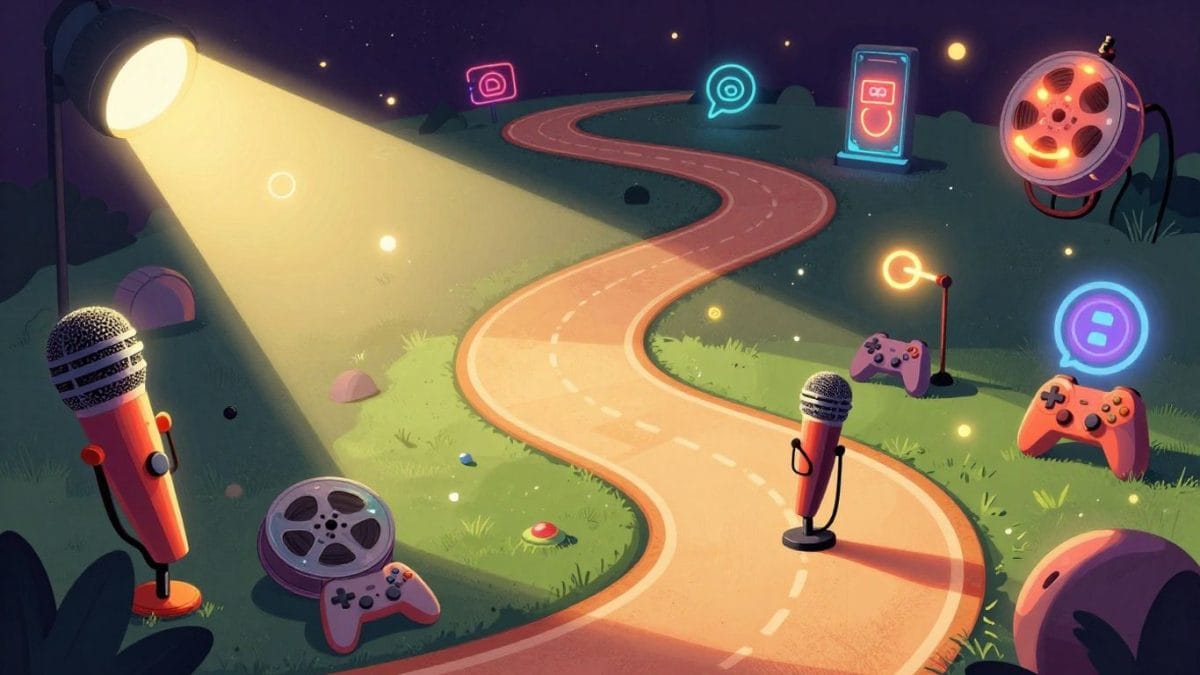
Getting a start in the entertainment world often feels like trying to find a secret map. While there’s no single path, a solid educational background can really help point you in the right direction. It’s not just about getting a degree; it’s about building a toolkit of knowledge and practical skills that the industry values. Think of it as laying the groundwork before you start building your dream career.
Recommended High School Courses
When you’re still in high school, you have a great chance to explore subjects that will serve you well later on. Don’t just focus on what seems easy; try to pick classes that challenge you and build core abilities. These foundational subjects can make a big difference when you start applying for jobs or further education.
- English Language Arts: Strong writing and reading comprehension are non-negotiable. You’ll be crafting scripts, writing press releases, or analyzing complex texts.
- Communications/Speech: Learning to speak clearly and persuasively is key, whether you’re pitching an idea or presenting your work.
- Visual Arts/Media Studies: Understanding visual storytelling, design principles, and how media works is important for many roles.
- Computer Science/Technology: With so much of entertainment being digital, basic tech skills are a huge plus.
- Drama/Theater Arts: This can build confidence, public speaking skills, and an understanding of performance and narrative.
Top College Majors to Consider
Once you’re looking at college, certain majors are more directly related to entertainment careers. However, don’t feel limited if your passion lies slightly outside these. Many successful people in entertainment studied subjects like history, psychology, or business and found ways to apply that knowledge.
- Film and Television Production: Covers everything from directing and cinematography to editing and sound design.
- Journalism/Communications: Focuses on reporting, media ethics, public relations, and mass media effects.
- Digital Media/New Media: Explores online content creation, social media strategy, web design, and interactive media.
- Marketing/Advertising: Teaches how to promote products, services, or creative works to specific audiences.
- Creative Writing/Screenwriting: Develops skills in crafting compelling narratives for various platforms.
The Value of Internships and Practical Experience
Formal education is one piece of the puzzle, but real-world experience is often what sets candidates apart. Internships are your chance to get your foot in the door, learn from professionals, and see how the industry actually operates. They can be competitive, but the payoff is huge.
Internships provide a low-risk environment to test out different roles, understand industry workflows, and build a professional network. They often lead directly to job offers or provide strong references for future applications.
Here’s why internships are so important:
- Gain Hands-On Skills: You’ll learn practical tasks that textbooks can’t teach.
- Build Your Network: You’ll meet people who can become mentors, colleagues, or future employers.
- Clarify Your Career Goals: You might discover a passion you didn’t know you had, or realize a certain path isn’t for you.
- Develop a Portfolio: Many internships allow you to contribute to actual projects, creating tangible examples of your work.
Identifying and Pursuing Your Ideal Path in Entertainment Careers Jobs
So, you’ve got a spark for the entertainment world, but where do you actually fit in? This industry is huge, covering everything from blockbuster movies and binge-worthy TV shows to chart-topping music, captivating video games, and the fast-paced world of digital media. Figuring out your specific niche is the next big step. It’s not just about having a passion; it’s about aligning that passion with your skills and the actual jobs available.
Mapping Different Career Roles
The entertainment landscape is incredibly diverse. Think about what aspects truly excite you. Are you drawn to the storytelling side, perhaps writing scripts or developing game narratives? Maybe you’re more interested in the technical side, like directing a film, editing footage, or designing soundscapes. Or perhaps you have a knack for connecting with people, which could lead you into public relations, marketing, or talent management.
Here’s a look at some broad categories and the types of roles within them:
- Film & Television: Director, Producer, Screenwriter, Cinematographer, Editor, Production Designer, Actor, Sound Mixer.
- Music: Artist, Songwriter, Producer, Sound Engineer, A&R Representative, Music Manager, Live Sound Technician.
- Gaming: Game Designer, Programmer, Artist, Animator, Writer, Producer, Quality Assurance Tester.
- Digital Media & Social Media: Content Creator, Social Media Manager, Digital Marketer, Video Editor, Graphic Designer, Web Developer.
- Journalism & Publishing: Reporter, Editor, Journalist, Photojournalist, Publisher, Copywriter.
- Public Relations & Advertising: Publicist, Media Relations Specialist, Advertising Account Executive, Copywriter, Brand Manager.
Aligning Skills with Job Opportunities
Once you have an idea of the roles that sound interesting, it’s time to get real about your abilities. What are you good at? What do you enjoy doing? Your unique blend of talents is your greatest asset in this competitive field. For instance, if you’re a natural communicator with a flair for organization, a role in production management or event planning might be a great fit. If you have a sharp eye for detail and a creative mind, screenwriting or visual effects could be your calling.
Consider these key skill areas:
- Creative Skills: Writing, visual arts, music composition, design thinking.
- Technical Skills: Software proficiency (editing suites, design programs, coding languages), camera operation, sound recording.
- Interpersonal Skills: Communication (written and verbal), teamwork, networking, negotiation, public speaking.
- Analytical Skills: Problem-solving, critical thinking, research, data analysis.
- Organizational Skills: Project management, time management, attention to detail, planning.
Look at job descriptions for roles that interest you. What skills do they consistently mention? Compare that list to your own strengths and identify any gaps you might need to work on.
Specializing for Career Growth
While it’s good to have a broad understanding, specializing often leads to deeper opportunities and career advancement. As you gain experience, you might find yourself drawn to a particular aspect of a role or a specific genre. For example, a general editor might decide to focus specifically on documentary editing, or a marketing professional might choose to specialize in music promotion.
Specialization allows you to become an expert in a particular area. This can make you more attractive to employers looking for specific talents and can open doors to more senior or niche positions. It’s a way to carve out your own unique space within the vast entertainment industry.
The entertainment industry moves fast. Being adaptable and willing to learn new skills, especially those related to emerging technologies and platforms, is not just beneficial—it’s often necessary for long-term success. Don’t be afraid to step outside your comfort zone and acquire new competencies.
The Application Process for Entertainment Careers Jobs
Finding Job Listings and Opportunities
Securing a position in the entertainment industry often starts with knowing where to look. Beyond the major company career pages, many specialized job boards focus on film, television, music, and digital media. Industry-specific publications and professional organizations are also excellent resources for discovering openings. Don’t underestimate the power of industry events and conferences; they can be goldmines for both advertised and unadvertised opportunities. Networking, even informally, can lead you to roles that are never publicly posted.
Building a Competitive Resume
Your resume is your first introduction, and in a competitive field like entertainment, it needs to stand out. Focus on tailoring it for each specific role, highlighting relevant experience and skills. Quantify your achievements whenever possible – instead of saying you "managed social media," say you "increased social media engagement by 25% in six months." Include any projects, even personal ones, that demonstrate your passion and capabilities. A strong resume clearly shows how you can add value to the employer.
Writing Effective Cover Letters
A cover letter is your chance to tell your story and connect your qualifications directly to the job requirements. Avoid generic templates. Research the company and the specific role, and then explain why you are a good fit. Mentioning a specific project or aspect of their work that excites you can make a big difference. Show your personality and enthusiasm, but keep it professional and concise. It should complement your resume, not just repeat it.
The entertainment industry moves fast, and so should your application. Be prepared to submit materials quickly when opportunities arise. Persistence and a polished presentation are key.
Growth Prospects and Career Pathways in Entertainment
Entertainment careers often start in fast-paced, entry-level positions, but there’s plenty of room for long-term advancement. Some people start out as assistants or production interns, while others may find themselves in support roles for live events or online content teams. Over time, you can move into middle management, creative direction, or even executive leadership, depending on your interests and the relationships you build.
Entry-Level to Leadership Progression
- Most people in entertainment begin as production assistants, junior editors, or event staff.
- As you gain experience, roles like coordinator, supervisor, or segment producer become options.
- Leadership and executive jobs open up to those who understand both the creative and business sides of the industry.
Advancement is rarely linear. You may have to switch companies or even career paths inside entertainment to make real progress. Staying flexible and proactive is usually more important than a perfect resume.
| Level | Typical Roles | Estimated Years Experience |
|---|---|---|
| Entry | Production Assistant, Runner | 0-2 |
| Mid-Level | Editor, PR Coordinator, Show Booker | 2-5 |
| Senior/Leadership | Creative Director, Producer | 5+ |
Transferable Skills Across Industries
You might start in music marketing and later move into TV, or begin in live theater and switch to digital advertising. Here are a few skills that move easily between entertainment jobs and other fields:
- Project management
- Public speaking and communication
- Creative problem-solving
- Networking and relationship building
If you can manage a team and deliver results with tight deadlines, these strengths will serve you well anywhere, from event planning to public relations.
Professional Development and Networking
Ongoing learning is common in entertainment. Platforms change, audiences shift, and new technologies pop up all the time. Here’s how professionals often stay ahead:
- Attend industry workshops and conferences (think NAB Show for video/TV, or SXSW for digital and music).
- Take online courses in the latest editing software or marketing tools.
- Expand your network both in person and online, joining professional groups or alumni associations.
Staying active in professional circles is just as important as building skills. People will often recommend you for new jobs or gigs based on these relationships.
Careers in entertainment rarely move in a straight line, but with the right mix of skills and connections, you can move quickly from entry-level to leadership roles—or even branch out into new, related industries.
Navigating Industry Trends and Future Opportunities
The entertainment world is always changing, and staying on top of what’s new is key to building a lasting career. Think about how much things have shifted even in the last few years. New technologies and how people consume media are constantly reshaping the landscape. It’s not just about keeping up; it’s about understanding where things are headed so you can position yourself for success.
Embracing Technological Advancements
Technology is a huge driver of change in entertainment. From the way content is made to how it reaches audiences, new tools are always popping up. Artificial intelligence (AI) is starting to play a role in everything from script analysis to special effects. Virtual reality (VR) and augmented reality (AR) are opening up new ways to experience stories and games. Keeping an open mind and a willingness to learn these new technologies will make you a more adaptable professional.
Understanding the Impact of Digital Media
Digital platforms have completely changed the game. Streaming services have replaced traditional broadcast models for many, and social media has become a powerful tool for promotion and audience engagement. This shift means that understanding digital marketing, content creation for online platforms, and data analytics is more important than ever. It’s not just about making great content; it’s about knowing how to get it seen and heard in a crowded digital space.
Staying Current with Emerging Entertainment Fields
Beyond the established areas like film, TV, and music, new fields are constantly emerging. The gaming industry, for example, has exploded with the rise of esports and interactive entertainment. Podcasting has become a major medium for storytelling and information. Even fields like immersive theater and location-based entertainment are growing. Identifying these developing areas and understanding their potential can lead to unique career opportunities.
Here are some areas to keep an eye on:
- Interactive Storytelling: Experiences that allow audiences to influence the narrative.
- Creator Economy: Platforms and tools that support independent content creators.
- AI-Generated Content: Exploring the possibilities and ethical considerations of AI in creative production.
- Metaverse Experiences: Developing content and virtual spaces for emerging metaverse platforms.
The ability to adapt and learn is perhaps the most important skill in the modern entertainment industry. What is cutting-edge today might be standard tomorrow, so a commitment to lifelong learning is not just beneficial, it’s necessary for long-term career growth.
Your Entertainment Career Journey
So, you’ve explored the exciting world of entertainment careers. It’s a field that thrives on creativity and connection. Remember, building a career here takes time and effort. Focus on developing your skills, whether that’s through school, internships, or just practicing your craft. Don’t be afraid to try different roles to see what fits best. The industry is always changing, so staying curious and adaptable will serve you well. Keep learning, keep creating, and you’ll be well on your way to finding your place in the world of entertainment.
Frequently Asked Questions
What kind of jobs are there in the entertainment world?
The entertainment world has tons of different jobs! You can work in movies and TV, making films or shows. There’s also music, video games, news reporting, advertising, and public relations. Think about being a director, actor, writer, producer, journalist, or even someone who helps plan events. It’s a big field with many cool options.
What skills do I need to work in entertainment?
To do well in entertainment, it helps to be a good communicator, both talking and writing. Being creative is super important, too! You also need to be able to think things through, solve problems, and work well with others. Being flexible and ready to learn new things as the industry changes is also key.
Do I need a special degree to get into entertainment?
While a college degree in things like film, communication, or marketing can be helpful, it’s not always the only way in. Many people succeed by getting hands-on experience through internships. Showing that you’re passionate and have practical skills can be just as important as a diploma.
Is it hard to get a job in entertainment?
It can be pretty competitive because a lot of talented people want to work in entertainment. Sometimes the hours can be long, and starting jobs might not pay a lot. But if you work hard, are persistent, and really love what you do, you can definitely make your mark and find success.
How can I find job openings in entertainment?
You can look for job listings on company websites, industry job boards, and professional networking sites like LinkedIn. Going to industry events and talking to people can also help you find out about openings. Don’t forget that internships can sometimes lead to full-time jobs!
What’s the future like for entertainment careers?
The future looks exciting! Technology is changing how we watch and interact with entertainment, with things like virtual reality and new online platforms. This means there will be new kinds of jobs and ways to tell stories. Staying curious and learning about new trends will help you stay on top of things.