Entertainment is always changing, right? It feels like just yesterday we were all glued to the TV for the big finale, and now we’ve got a million things to choose from on our phones. From epic movie blockbusters and binge-worthy TV shows to live concerts and video games that suck you in for hours, there are so many entertainment examples out there. It’s pretty wild how much it’s all evolved, especially with technology making things so accessible. Let’s take a look at some of the cool ways we get our entertainment fix these days.
Key Takeaways
- The world of entertainment offers a huge variety of choices, from classic movies and TV shows to live music and stage plays.
- Video games have become a major part of culture, offering deep stories and interactive fun, with esports drawing big crowds.
- Technology has changed how we make and watch entertainment, with streaming services and social media connecting artists and fans directly.
- New tech like VR and AR is creating more immersive ways to experience stories and performances.
- Entertainment does more than just entertain; it reflects our society, builds communities, and can even teach us things or help us feel better.
The Evolution of Entertainment Platforms
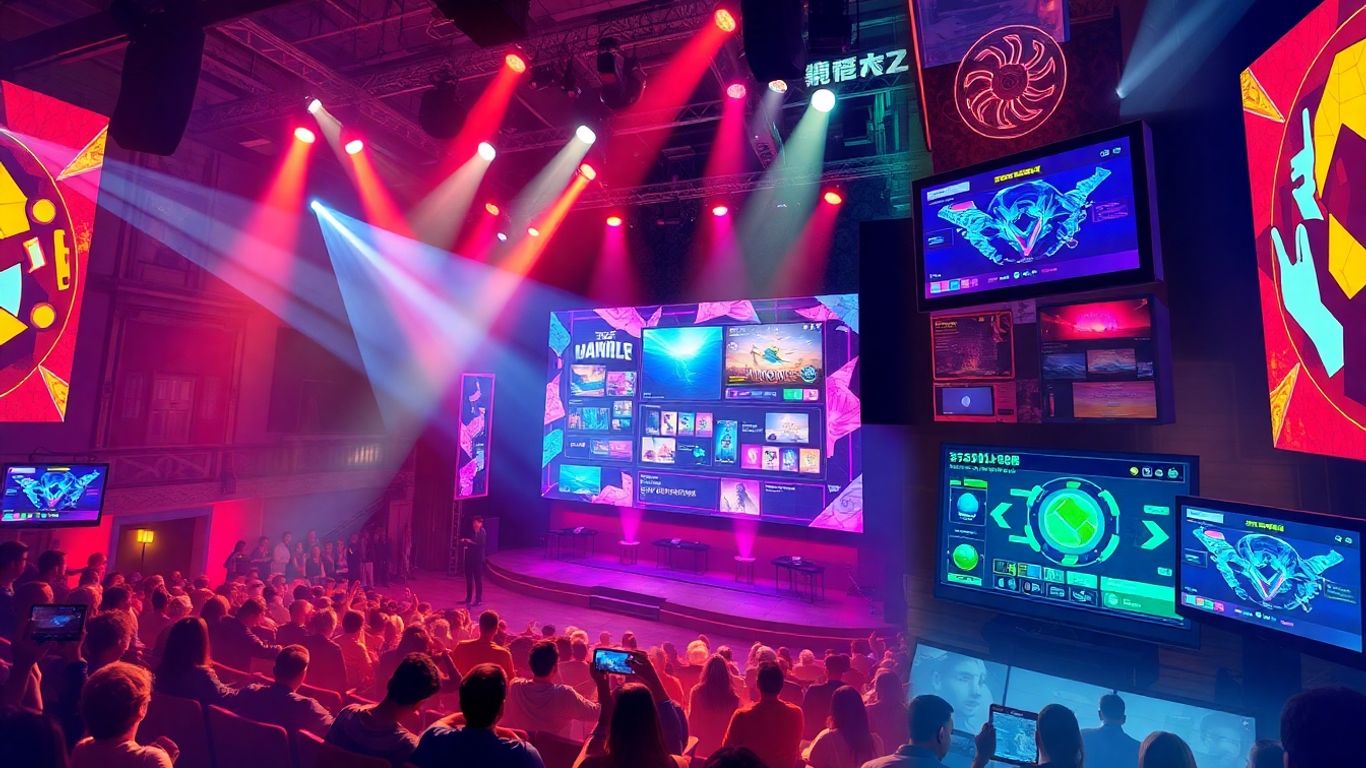
Entertainment has always been a big part of how we live, but the ways we get our fun have changed a lot over time. Think about it, we’ve gone from gathering around to hear stories to having entire movie theaters in our pockets. It’s a wild ride, and it’s all thanks to how technology and our own interests have shifted.
Movies and TV shows have been around for a while, and they’re still super popular. Movies, especially the big blockbusters, can bring people together from all over the world. They’re great for telling big stories and creating amazing visuals. Then there’s television. It used to be that everyone watched the same few shows at the same time. But now, with streaming services, it’s totally different. You can watch whatever you want, whenever you want. This has really changed how we think about TV.
The Renaissance of Television Series
Speaking of TV, the shows themselves have gotten way more complex. Instead of just short, simple stories, we now have these long, involved series. They let writers really dig into characters and build these detailed worlds. It’s almost like reading a really long book, but you get to see it all happen. This has made TV shows as good as, or even better than, movies for many people. It’s like we’re in a new golden age for television.
Music’s Universal Language and Genre Blending
Music is something everyone can connect with, no matter where they’re from. It’s always been a way to express feelings and bring people together. What’s cool now is how many different kinds of music are mixing together. You hear pop mixed with hip-hop, or electronic sounds blended with traditional instruments. It creates new styles that appeal to all sorts of listeners. It shows how music keeps changing and finding new ways to be interesting.
The way we consume entertainment is constantly being reshaped by new technologies and changing audience expectations. What was once a novelty can quickly become the standard, pushing creators and platforms to innovate continuously.
Live Performances and Communal Experiences
The Unmatched Energy of Live Entertainment
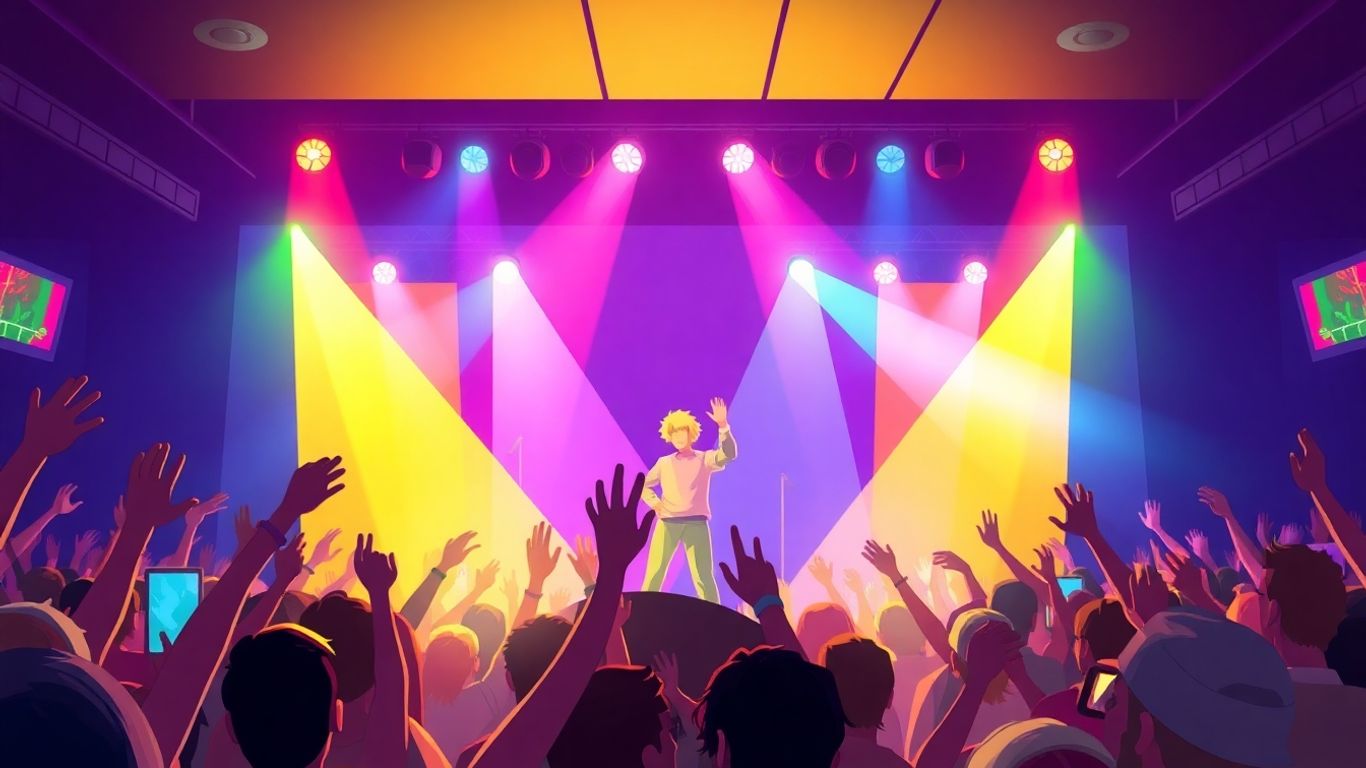
There’s something special about being in the same room, breathing the same air, and feeling the same energy as performers and fellow audience members. Live entertainment, whether it’s a concert, a play, or a dance performance, offers an immediate connection that digital formats can’t quite replicate. This shared presence creates a unique atmosphere, a collective experience that bonds everyone present. It’s this raw, unfiltered interaction that keeps people coming back for more, seeking out those moments of shared excitement and emotion.
Festivals, Tours, and Stage Productions
From massive music festivals drawing hundreds of thousands to intimate theater productions, live events come in all shapes and sizes. These gatherings are more than just entertainment; they’re often cultural touchstones. Think about the planning that goes into a major music tour or a Broadway show. It involves countless hours of rehearsal, technical setup, and logistical coordination to bring a vision to life on stage. These productions aim to transport the audience, offering a temporary escape from everyday life through compelling stories, stunning visuals, and powerful performances.
Shared Experiences in the Digital Age
Even with the rise of streaming and virtual events, the desire for communal experiences hasn’t faded. In fact, technology has opened new avenues for shared live entertainment. High-definition broadcasts of stage plays or concerts allow people to experience a live event from afar, often with interactive elements that let them feel more involved. While it’s not the same as being there, these digital adaptations offer accessibility and a way to connect with performances that might otherwise be out of reach. It’s a way to bridge the gap, allowing more people to participate in the magic of live performance, even if they’re watching from their own homes.
The core of live performance is its liveness – the sense that it is happening right now, in front of you, and will never happen in exactly the same way again. This ephemeral quality is what gives it a special power.
Here are some key aspects of live performances:
- Immediacy: The performance happens in real-time, with no delay or editing.
- Audience Interaction: The energy of the crowd directly influences the performers, and vice-versa.
- Uniqueness: Each performance is a singular event, influenced by the performers, the audience, and the environment.
- Sensory Engagement: Live shows engage multiple senses, from sight and sound to the physical feeling of the crowd’s energy.
Interactive Media and Gaming’s Rise
Once considered a niche hobby, video games have exploded into a massive cultural force, fundamentally changing the entertainment landscape. Modern games offer incredibly detailed worlds, compelling stories, and gameplay that can be just as engaging as any movie or book. It’s not just about playing anymore; it’s about experiencing.
Video Games as a Major Cultural Force
Video games have moved far beyond simple pixelated adventures. Today’s titles often feature stunning graphics, complex characters, and narratives that rival cinematic productions. They provide a unique form of engagement where the player is an active participant, not just a passive observer. This interactivity is a key part of their appeal.
Immersive Narratives and Sophisticated Gameplay
The depth found in contemporary video games is remarkable. Developers are crafting intricate storylines with branching paths that react to player choices, leading to vastly different outcomes. Gameplay mechanics have also become more sophisticated, demanding strategic thinking, quick reflexes, and problem-solving skills. This complexity draws in a wide audience, from casual players to dedicated enthusiasts.
Esports: A Spectator Phenomenon
What started as informal competitions among friends has evolved into a global spectacle. Esports, or competitive video gaming, now fills arenas and attracts millions of online viewers. Professional gamers compete in highly organized leagues and tournaments, complete with commentators, sponsorships, and dedicated fan bases. It’s a testament to how interactive media has become a legitimate spectator sport, mirroring the excitement and drama of traditional athletic competitions.
The Impact of Technology on Content Creation
The entertainment business today is shaped by rapid tech advances. From how we shoot a video to the way we share a song or connect with audiences, technology has reinvented what’s possible for creators of all sizes.
Digitalization and Democratized Production
The leap from analog to digital changed everything. Now, almost anyone with a phone and a bit of inspiration can put something out into the world. You no longer need expensive gear or a studio deal to make your mark. Digital tools make editing video, mixing music, or designing graphics faster and more affordable.
Key features of democratized content creation:
- Simple video and audio editing apps are available on most devices.
- Affordable equipment—like microphones, lights, and cameras—can now fit any budget.
- Platforms allow artists and fans around the world to discover each other quickly.
Tech isn’t just lowering the entry bar—it’s unlocking new types of creativity, like the surge in AI-powered short videos, that would have been impossible just a decade ago.
Streaming Services and Instant Access
Streaming platforms have upended how we access and enjoy entertainment. Where once you waited for a local screening of a film or went out to buy an album, now you stream, download, or watch on demand. This has made content much easier to consume but also changed the way creators think about distribution and rights.
Quick stats around streaming’s effect (2025):
| Platform Type | Average Monthly Users (Millions) | Content Uploaded Daily (Hours) |
|---|---|---|
| Video | 2,400 | 720,000 |
| Music | 1,000 | 48,000 |
| Gaming | 500 | 85,000 |
Streaming’s main perks:
- Content is available to anyone with an internet connection
- Artists and small studios bypass traditional gatekeepers
- Audiences pick exactly what, when, and how they watch or listen
Social Media’s Role in Artist-Fan Connection
Social media has become more than just a place to share updates—it’s a primary way artists talk to fans, tease new projects, and create trends instantly. Platforms like Instagram, TikTok, and Twitter let people respond to feedback in real-time, test ideas, and feel out what’s connecting, in a public space.
Important ways social media supports creators:
- Enables personal stories and behind-the-scenes content to build loyalty
- Allows for viral moments that can launch unknown creators into the spotlight
- Creates communities around artists, genres, or shows
Sometimes, a single tweet or video can lead to gigs, sponsorships, or even global recognition. Social media is now a central part of storytelling and marketing in the entertainment world.
Across the board, technology has pulled content creation out of well-guarded studios and into living rooms, bedrooms, and even city streets. That’s made the entertainment world more exciting—and more unpredictable—than ever.
Immersive Technologies Shaping Future Entertainment
The way we experience entertainment is changing, thanks to new technologies that pull us right into the action. Think beyond just watching; these tools let us step inside stories and interact with them. This shift is moving entertainment from something we passively consume to something we actively participate in.
Virtual and Augmented Reality Storytelling
Virtual Reality (VR) and Augmented Reality (AR) are at the forefront of this change. VR completely surrounds you in a digital world, making you feel like you’re actually there. AR, on the other hand, overlays digital elements onto our real world, adding a new layer to what we see. For example, AR can show song lyrics during a live concert or let you see how a piece of furniture would look in your room before you buy it. These technologies are not just for games; they’re creating entirely new ways to tell stories and connect with content. The development of devices like the Apple Vision Pro highlights how seriously the industry is taking these immersive experiences, pushing the boundaries of what’s possible in film, sports, and art.
Interactive Theater and Virtual Worlds
Interactive theater is breaking down the walls between performers and the audience. Instead of just sitting and watching, you might find yourself walking through different rooms, interacting with actors, or even making choices that change how the story unfolds. Each person’s experience can be unique, depending on their path and decisions. AR is also playing a role here, projecting digital scenery or providing extra story clues through your phone or special glasses. This makes performances more engaging and can even help make them accessible to more people by offering features like subtitles or sign language interpretation. Beyond the stage, virtual worlds are opening up, allowing people to explore, socialize, and experience entertainment in digital spaces that feel increasingly real. These platforms are becoming places where people can learn new things, like language acquisition through interactive media [4ee9].
360-Degree Videos in Music and Events
Thirty-sixty-degree videos offer another way to make content more immersive. By capturing a full spherical view, these videos allow viewers to look around in any direction, giving them a sense of presence. This is particularly impactful for live events like concerts and sports. Imagine watching a music festival from the middle of the crowd or seeing a game from a player’s perspective, all from your own home. This technology lets you choose where you look, making you feel more involved than with traditional video. It’s a step towards making digital experiences feel more like being there in person, offering a flexible way for fans to connect with their favorite artists and teams.
Entertainment’s Societal and Psychological Influence
Reflecting and Shaping Societal Values
Entertainment acts like a mirror, showing us who we are as a society, and also like a sculptor, helping to shape our views. Movies, music, and books often tackle big topics happening right now, questioning old ideas and starting important talks. Think about how comedies use jokes to point out funny or strange things in politics or how people act. Dramas, on the other hand, can help us understand different people’s feelings and lives, making us feel more connected to others.
Entertainment doesn’t just happen in a vacuum; it’s deeply tied to the world around us. What we watch, listen to, and play often reflects the current mood, concerns, and aspirations of a community or even the whole world. At the same time, the stories and messages we consume can subtly, or not so subtly, influence how we think about issues and interact with each other.
Fostering Community and Identity
It’s pretty amazing how entertainment can bring people together. When you’re a fan of a certain band, a movie series, or even a video game, you become part of a group. These groups, whether they meet up at conventions, chat online, or just talk about their shared interest, create a feeling of belonging. It’s a way for people to connect over something they love, forming friendships and identities that go beyond just watching or playing.
Here are a few ways entertainment builds community:
- Shared Experiences: Attending a concert, watching a live sports game, or even discussing the latest episode of a popular show creates a common ground.
- Fan Cultures: Dedicated fan bases develop their own traditions, language, and ways of interacting, often online but sometimes in person.
- Identity Formation: For many, interests in specific genres, characters, or artists become a part of how they see themselves and how they present themselves to the world.
Educational and Therapeutic Benefits
Beyond just being fun, entertainment can actually teach us things and help us feel better. Documentaries, for example, can open our eyes to new subjects and inspire us. Music has a well-known effect on mood, and playing certain games can even help improve our thinking skills. For many, engaging with stories or music is a way to process emotions, reduce stress from daily life, or simply find a moment of peace and enjoyment. It shows that entertainment is more than just a way to pass the time; it plays a real part in our well-being and learning.
Entertainment’s Ever-Changing Landscape
So, we’ve looked at a lot of different entertainment options, right? From the big screen and live shows to the games on our phones and the music we stream. It’s clear that entertainment isn’t just one thing anymore. It’s constantly changing, thanks to new technology and how we all like to consume content. What’s cool is that no matter how things change, entertainment still does what it’s always done: it connects us, makes us feel things, and lets us explore different worlds. It’s a big part of our lives, and it’s going to keep evolving in ways we can’t even imagine yet.
Frequently Asked Questions
What are the main types of entertainment today?
Today, entertainment comes in many forms! You have movies and TV shows, music you can listen to, video games you can play, and live events like concerts and plays. Plus, there’s lots of content online, like videos and social media.
How has TV changed over time?
TV used to be just a few channels you watched at certain times. Now, with streaming services, you can watch almost anything you want, whenever you want, on your own schedule. TV shows have also gotten more like movies, with longer stories and deeper characters.
Why are live performances still popular?
Even with all the digital options, live shows have a special energy you can’t get anywhere else. Being in the same place as performers and other fans creates a unique, shared feeling that many people love.
Are video games just for kids?
Not at all! Video games are a huge part of entertainment for people of all ages. Many games have amazing stories and graphics, and some even have big competitions called esports that people watch like regular sports.
How does technology affect entertainment?
Technology has changed everything! It makes it easier for anyone to create and share their own content. Streaming services give us instant access to tons of entertainment, and social media lets artists connect directly with their fans.
What is ‘immersive entertainment’?
Immersive entertainment uses new tech like virtual reality (VR) and augmented reality (AR) to make you feel like you’re really part of the story or event. It’s like stepping into a movie or a game world!