
Thinking about a career in entertainment? It’s a field that draws a lot of people, and for good reason. There’s so much going on, from making movies and music to putting on live shows. But like any job hunt, finding your spot can feel a bit overwhelming. This guide is here to help break down the different entertainment positions out there, what you might need to get started, and how to actually land that gig you’ve been dreaming about. We’ll cover everything from the skills that matter to what you can expect to earn.
Key Takeaways
- The entertainment industry has a wide range of jobs, from acting and music to production and marketing. Figuring out where your talents fit best is the first step.
- While formal education is helpful, practical skills, certifications, and even alternative paths can get you into entertainment positions.
- Success in entertainment requires a mix of creative talents, technical know-how, and people skills like adaptability and networking.
- The industry is changing fast with digital tech and remote work. Companies are also looking more at diversity and inclusion when hiring.
- To get hired, build connections, show off your work with a portfolio, and get hands-on experience through internships or entry-level roles.
Understanding the Diverse Entertainment Positions Landscape
Exploring Key Areas of Expertise
The entertainment industry is a vast and varied field, offering a wide range of roles for different talents and interests. It’s not just about being on screen or stage; there’s a whole world behind the scenes that makes the magic happen. Think about film and TV production, where directors, producers, camera operators, and editors bring stories to life visually. Then there’s theater production, which involves stage managers, set designers, and lighting experts making live performances possible. Beyond these, writing and content creation are huge, from scriptwriting for movies and shows to developing material for online platforms like YouTube and podcasts. Marketing and legal departments are also vital, promoting entertainment products and handling contracts and intellectual property.
- Performance: Acting, music (musicians, composers, producers), and dance (dancers, choreographers).
- Production & Direction: Film, TV, theater, music videos, and live events.
- Writing & Content Creation: Scriptwriting, digital content, journalism, and publishing.
- Technical Roles: Sound engineering, lighting design, visual effects, animation, and post-production.
- Management & Business: Talent agents, publicists, marketing managers, legal counsel, and finance.
Identifying Your Niche Within Entertainment
With so many different areas, figuring out where you fit best is a big first step. Do you love crafting stories, or are you more drawn to the technical side of making things look and sound great? Maybe you have a talent for organizing and managing projects, or perhaps you’re passionate about promoting artists and their work. Identifying your specific interests and strengths will help you focus your efforts and find a path that feels right for you. It’s about finding that sweet spot where your passion meets the industry’s needs.
The entertainment world is always looking for people who are good at something specific. Trying to do everything often means you don’t stand out. Find what you’re really good at and lean into it.
The Importance of Specialization
In such a competitive field, specializing can really make a difference. Instead of being a generalist, becoming an expert in a particular area, like animation for VR content or digital marketing for music releases, can make you a more attractive candidate. This focused approach allows you to develop deeper skills and knowledge, setting you apart from others. It means employers can see you as the go-to person for a specific need, which is incredibly beneficial for career growth and finding fulfilling work.
| Area of Specialization | Example Roles |
|---|---|
| Digital Content Creation | Social Media Manager, Video Editor, Podcaster |
| Virtual & Augmented Reality | VR Developer, AR Designer, 3D Modeler |
| Music Production & Sound | Sound Engineer, Music Producer, Audio Mixer |
| Film & Television Post-Production | Colorist, VFX Artist, Post-Production Supervisor |
Educational Pathways for Entertainment Careers

Getting into the entertainment industry doesn’t always follow a single, straight path. While some roles might require specific degrees, many opportunities value talent and practical experience just as much. It’s about finding the right mix of learning and doing that fits your chosen career.
Formal Education and Degrees
Many aspiring professionals start with formal education. Degrees in fields like film production, theater arts, music composition, or media studies provide a strong base. These programs often cover the history, theory, and practical aspects of the industry. They can also offer chances to work on projects and build a foundational understanding.
- Film and Television: Degrees in filmmaking, screenwriting, or broadcast journalism.
- Music: Programs in music performance, composition, music business, or audio engineering.
- Theater and Performing Arts: Degrees in acting, directing, stage management, or dance.
- Digital Media and Marketing: Courses in digital content creation, social media management, and entertainment marketing.
A degree can open doors, especially for roles that require a broad understanding of creative processes or business operations within the entertainment world.
The Value of Certifications and Workshops
Beyond traditional degrees, specialized training can be incredibly beneficial. Certifications in specific software, technical skills, or industry practices can make your resume stand out. Workshops and short courses are also great for picking up new skills or staying current with industry changes.
- Technical Skills: Certifications in editing software (like Adobe Premiere Pro or Final Cut Pro), sound mixing equipment, or lighting systems.
- Creative Skills: Workshops on screenwriting techniques, acting methods, or digital art.
- Industry Knowledge: Courses on entertainment law, copyright, or digital distribution strategies.
These focused learning opportunities allow you to gain practical, job-ready skills without committing to a multi-year degree program.
Alternative Routes to Industry Entry
It’s not all about degrees and certificates. Many people break into entertainment through other means. Building a strong portfolio of your work, whether it’s short films, music demos, scripts, or design samples, can speak volumes. Gaining experience through internships, volunteer work, or even starting your own projects can also demonstrate your passion and capabilities.
Sometimes, the most direct way to learn is by doing. Practical experience, even if it’s unpaid initially, can provide invaluable insights and connections that formal education alone might not offer. Showing initiative and a willingness to learn on the job is often highly regarded.
Networking is also key. Attending industry events, joining online communities, and connecting with people already working in the field can lead to unexpected opportunities. Talent and a strong work ethic can often pave the way, regardless of formal qualifications.
Essential Skills for Success in Entertainment
To really make it in the entertainment world, you need a mix of abilities. It’s not just about being creative, though that’s a big part of it. You also need to know how to get things done and work well with others. Think of it like building something; you need the design, the tools, and the team to put it all together.
Cultivating Creative and Performance Abilities
This is what many people think of first when they hear ‘entertainment.’ It’s about bringing ideas to life and connecting with an audience. Whether you’re an actor, musician, writer, or dancer, your ability to perform or create something original is key. This is the heart of what entertains people.
- Acting: Convincingly portraying characters in film, TV, or theater.
- Music: Composing, performing, or producing music for various projects.
- Writing: Crafting engaging stories for scripts, games, or digital content.
- Dance: Expressing ideas and emotions through movement and choreography.
Mastering Technical Production Skills
Behind every great show or movie is a lot of technical work. This is where you get into the nuts and bolts of making content. Knowing how to use the right software and equipment can make a huge difference in the final product. It’s about making sure everything looks and sounds its best.
- Digital Editing: Proficiency with editing software like Adobe Premiere Pro or Final Cut Pro.
- Sound Design: Creating and mixing audio for film, TV, or games.
- Lighting and Cinematography: Understanding how to light a scene and operate a camera effectively.
- Virtual Production: Skills in using technologies like LED walls and real-time rendering for immersive content.
The entertainment industry is always changing, especially with new technology. Staying up-to-date with the latest tools and techniques isn’t just helpful; it’s often necessary to keep up with industry trends.
Developing Crucial Soft Skills
These are the skills that help you work with people and handle the ups and downs of the industry. They might not seem as flashy as performing, but they are incredibly important for long-term success. Being able to adapt and communicate can open a lot of doors.
- Adaptability: Being flexible and open to changes in projects or technology.
- Collaboration: Working effectively with diverse teams to achieve a common goal.
- Communication: Clearly expressing ideas and listening to others.
- Problem-Solving: Finding solutions when unexpected issues arise.
- Networking: Building and maintaining relationships with other professionals in the field.
Navigating Current Hiring Trends in Entertainment
The entertainment industry is always changing, and knowing what’s happening now can really help you find a job. Think of it like trying to catch a wave – you need to know where the water is moving.
The Impact of Digital Transformation
Everything is going digital, right? Streaming services, online content, and social media platforms have completely changed how we watch and interact with entertainment. This means companies are looking for people who know their way around:
- Digital Content Creation: Making videos, podcasts, and interactive experiences for online audiences.
- Platform Management: Understanding how streaming services and social media work, and how to get content seen.
- Data Analysis: Figuring out what audiences like by looking at viewing habits and engagement.
The demand for skills in digital production and online distribution has never been higher. It’s not just about making cool stuff anymore; it’s about making sure people can find and enjoy it online.
Embracing Remote Work Opportunities
Remember when everyone had to be in the same office? That’s changing fast. The pandemic showed us that many entertainment jobs can be done from anywhere. This opens up a lot of doors:
- Location Independence: You don’t necessarily need to live in a major entertainment hub to work on exciting projects.
- Wider Talent Pool: Companies can hire the best person for the job, no matter where they are.
- Flexible Schedules: Many remote roles offer more flexibility, which can be great for work-life balance.
This shift means you can connect with opportunities that might have been out of reach before. It’s all about adapting to new ways of working.
Prioritizing Diversity and Inclusion in Hiring
Companies are realizing that making content for everyone means having people from all walks of life working behind the scenes. This is a big deal for job seekers:
- Reflecting Audiences: A diverse team can create stories and content that connect with a wider range of people.
- New Perspectives: Different backgrounds bring fresh ideas and approaches to projects.
- Fairer Opportunities: There’s a growing effort to make sure everyone has a chance to get a job, regardless of their background.
Being aware of and supportive of diversity and inclusion efforts can make you a more attractive candidate. It shows you understand the modern entertainment landscape and its audience.
Staying on top of these trends is key. It helps you understand what skills are in demand and where to focus your energy as you look for your dream job in entertainment.
Outlook and Compensation for Entertainment Positions
Thinking about a career in entertainment means looking at what the future holds and what you can expect to earn. The industry is always changing, which is part of what makes it exciting, but it also means things like job growth and pay can shift.
Projecting Future Job Growth
The entertainment sector is expected to see steady growth in the coming years. This is driven by a few things, like how people consume media now – think streaming services and online content – and the ongoing demand for new shows, movies, music, and games. While some areas might grow faster than others, the overall picture is positive for those looking to join.
Understanding Salary Expectations
Salaries in entertainment can vary a lot. It really depends on your role, how much experience you have, and where you are in your career.
- Entry-Level: Starting out, you might see salaries in the range of $30,000 to $45,000. This is common for assistant roles, junior production staff, or entry-level marketing positions.
- Mid-Level: With a few years of experience and a solid track record, salaries can climb to between $50,000 and $90,000. This could be for roles like producers, experienced editors, or marketing managers.
- Senior/Executive Level: Top professionals, directors, lead creatives, and executives can earn significantly more, often well into six figures, and sometimes much higher with bonuses and profit sharing.
The exact figures depend heavily on the specific niche within entertainment and the success of the projects you’re involved with.
Factors Influencing Compensation
Several things can affect how much you earn in the entertainment industry.
- Location: Major hubs like Los Angeles or New York City often have higher pay rates, but also a higher cost of living. Other cities are growing as entertainment centers too.
- Type of Company: Working for a large studio or network might offer different compensation structures than a smaller independent production company or a startup.
- Project Success: For many creative roles, compensation can be tied to the success of a project, with bonuses, royalties, or residuals coming into play.
- Skills and Specialization: Highly specialized skills, especially those in high demand like advanced digital effects or data analytics for media, can command higher salaries.
The entertainment industry is dynamic, and staying informed about current trends and compensation benchmarks is key. This knowledge helps in salary negotiations and long-term career planning, giving you a clearer picture of your earning potential as you advance.
Strategies for Landing Your Dream Entertainment Job
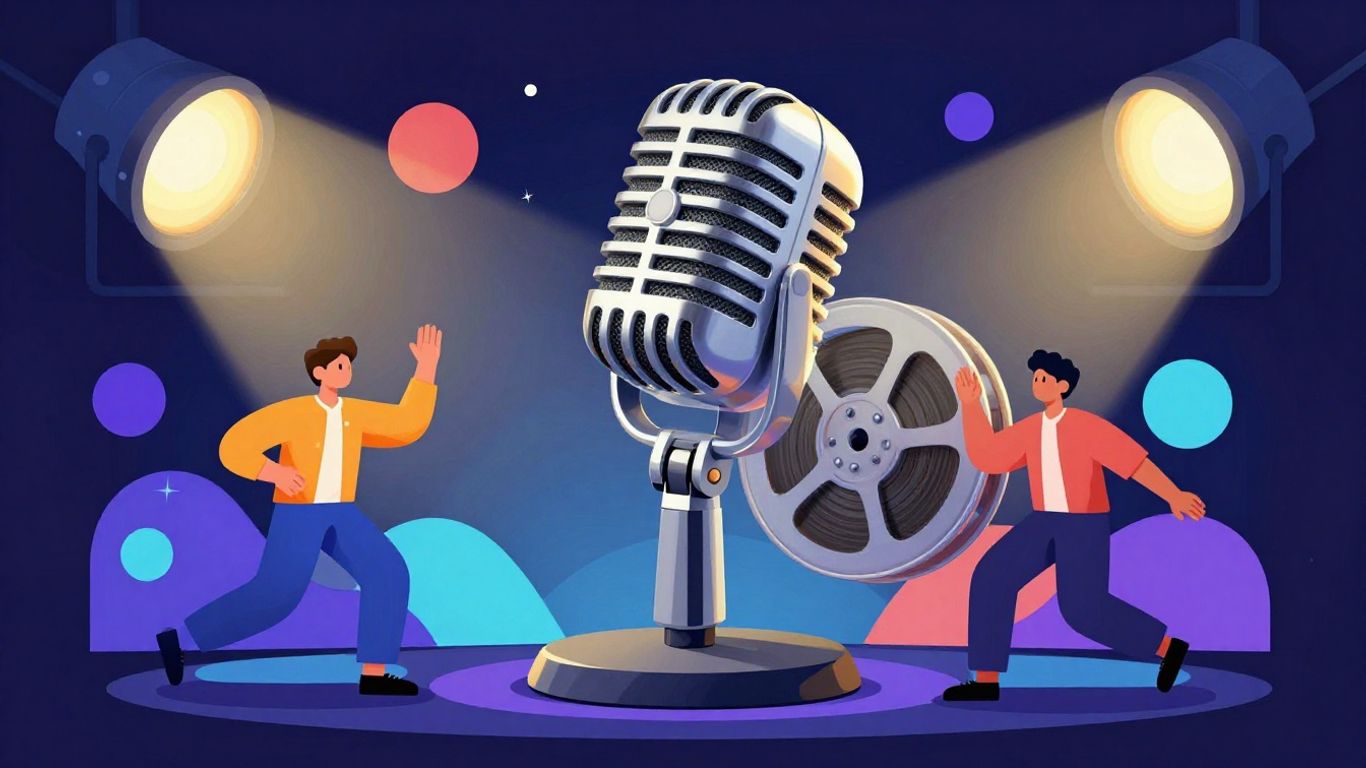
So, you’ve got the passion and the skills, but how do you actually get your foot in the door? Landing a job in the entertainment industry isn’t just about talent; it’s also about smart strategy. Think of it like producing a great show – you need a solid plan.
The Power of Networking and Collaboration
This industry thrives on connections. You’ve probably heard it before, but it’s true: who you know can open doors that talent alone might not. Start by attending industry events, workshops, and even local meetups. Don’t just collect business cards; aim to have genuine conversations. Follow up with people you connect with, and offer help where you can. Collaboration is also key. Working on projects with others, even unpaid ones initially, builds your network and your resume. It’s about being part of a creative community.
- Attend industry conferences and festivals.
- Join professional organizations related to your field.
- Engage actively on industry-specific social media platforms.
- Volunteer for film festivals or local theater productions.
Building a Strong Portfolio
Your portfolio is your visual resume. For actors, it’s headshots and demo reels. For writers, it’s scripts and writing samples. For technical roles, it might be examples of your editing work or production projects. Make sure your portfolio showcases your best work and is tailored to the types of jobs you’re seeking. If you’re aiming for digital content creation, having a well-produced demo reel or a collection of your video projects is a must. For those interested in data analysis within entertainment, presenting clear, interactive data visualizations can be very effective transforming raw market metrics.
Gaining Experience Through Internships
Internships are a fantastic way to get hands-on experience and make those all-important connections. Many companies offer internships specifically for students or recent graduates. Even if the internship isn’t paid, the experience and the people you meet can be incredibly beneficial. Look for opportunities that align with your specific interests, whether it’s in film production, music management, or digital marketing. Sometimes, a great internship can lead directly to a full-time offer.
The entertainment world is always looking for fresh talent and dedicated individuals. Don’t be discouraged by the competition; instead, use it as motivation to refine your approach and showcase what makes you unique. Persistence and a proactive attitude go a long way in this field.
Here’s a quick look at how different types of experience can help:
| Type of Experience | Benefits |
|---|---|
| Internships | Practical skills, industry contacts, resume building |
| Volunteer Work | Demonstrates commitment, expands network, provides project examples |
| Personal Projects | Showcases initiative, creativity, and specific skill sets |
| Freelance Gigs | Real-world client experience, portfolio pieces, income stream |
Wrapping Up Your Entertainment Career Journey
So, you’ve explored the many paths available in the entertainment world. It’s a field with a lot of different jobs, from being on screen to working behind the scenes. It can be tough to get into, for sure, but it’s also really rewarding if you love creating or performing. Remember to keep learning new things and meet people in the industry. Staying flexible and passionate about what you do is the main thing. We hope this guide has helped you see the possibilities and given you some ideas on how to start or move forward in your entertainment career. Good luck out there!
Frequently Asked Questions
Do I really need a college degree to get a job in entertainment?
Not always! While some jobs, like those in entertainment law or business, might need a specific degree, many jobs focus more on your talent, what you can do, and a strong collection of your work. Think of it this way: showing what you’ve made or performed can be just as important as a diploma.
How can I find my very first job in the entertainment world?
Meeting people is super important. Go to events where people in the industry hang out, join classes or workshops, and connect with others on social media. Also, try to get internships or help out on projects. This is how you get experience and meet people who can help you.
Is it really hard to get a job in entertainment?
Yes, it’s a very competitive field because so many people want to work in creative and exciting jobs. To stand out, you’ll need a good mix of talent, not giving up easily, and knowing the right people.
Besides Hollywood, where else can I find entertainment jobs?
While Los Angeles and New York are big spots for movies and TV, other cities are great too! Places like Atlanta, Nashville, and Austin have lots of chances, especially for music and live shows.
How did the pandemic change entertainment jobs?
The pandemic made more people work from home and watch shows online. This created more jobs in digital media and making content that you can do from almost anywhere.
Can I work from home in the entertainment industry?
Yes, definitely! Many jobs, especially those involving digital content, marketing, and editing, are now offered as remote work. This means you can have more flexibility and don’t have to live in a big city to work on cool projects.