
Ever wonder what goes on behind the cameras at a major entertainment news show? It’s a whirlwind of ideas, quick thinking, and making sure everything looks just right for the viewers. Being an entertainment tonight producer means you’re in the thick of it, shaping stories and making sure they hit the airwaves smoothly. Let’s take a peek behind the curtain and see what a typical day looks like for one of these busy professionals.
Key Takeaways
- An entertainment tonight producer juggles many tasks, from coming up with story ideas to making sure props are ready for segments.
- The job requires quick thinking and adapting to changes, especially when working with live television.
- Collaboration is key; producers work closely with many teams, including marketing, design, and on-air talent.
- Visual appeal is a big part of the job, making sure segments look good on screen.
- Despite the fast pace and challenges, the role offers rewarding moments when a segment comes together perfectly.
The Role of an Entertainment Tonight Producer
Understanding the Scope of Production
Being an Entertainment Tonight producer means you’re at the center of a whirlwind. It’s not just about finding out who’s dating whom or what movie is hitting the box office. You’re responsible for shaping the narrative, deciding what stories get told, and how they’re presented to millions of viewers. This involves a broad view of the entertainment landscape, from Hollywood blockbusters and celebrity gossip to music releases and trending cultural moments. You have to anticipate what the audience wants to see, often before they even know it themselves.
Key Responsibilities in Entertainment News
Your day-to-day tasks can vary wildly, but they generally revolve around several core duties. You’ll be involved in:
- Story Identification: Scouting for compelling news and features within the entertainment world.
- Content Development: Crafting the angle and structure for each segment, from interviews to package pieces.
- Logistics Management: Coordinating with camera crews, editors, talent, and publicists to make sure everything runs smoothly.
- Fact-Checking: Verifying information to maintain the show’s credibility.
- Team Collaboration: Working closely with writers, anchors, and other producers to create a cohesive broadcast.
The ultimate goal is to produce engaging, informative, and visually appealing content that keeps viewers tuned in.
Navigating the Fast-Paced Industry
This industry moves at lightning speed. What’s big news today might be old news by tomorrow. A producer needs to be adaptable, quick-thinking, and able to pivot when unexpected stories break or when a planned segment needs a last-minute change. It’s a constant balancing act between sticking to the schedule and being ready for anything. You’re always on, always looking for the next big thing, and always thinking about how to make the show better than the last.
The entertainment news cycle is relentless. Producers must be adept at managing multiple projects simultaneously, often under tight deadlines, while maintaining a keen eye for what will capture the public’s attention.
Morning Preparations and Idea Generation
Early Morning Routine and Information Gathering
The day for an Entertainment Tonight producer often kicks off before the sun is fully up. It’s a time for quiet focus, a chance to absorb the latest happenings in the entertainment world. This usually involves scanning a wide array of sources: breaking news alerts, industry publications, social media trends, and reports from stringers and correspondents. The goal is to get a comprehensive overview of what’s newsworthy and what’s capturing public attention. This initial information gathering isn’t just about noting events; it’s about identifying the potential stories that could form the backbone of the day’s broadcast.
Brainstorming Segment Concepts
Once the morning’s news is digested, the creative process begins. Producers gather to brainstorm segment ideas. This is where raw information transforms into potential television. The team discusses angles, potential guests, and the visual elements that would make a story compelling for the ET audience. Ideas are tossed around, built upon, and sometimes, completely reimagined. The aim is to find unique perspectives and narratives that haven’t been covered extensively elsewhere.
- Identifying trending topics and celebrity news.
- Developing unique story angles and hooks.
- Considering the visual potential of each story.
- Assessing the availability of talent and resources.
Collaborating on Creative Ideas
Collaboration is key during this phase. Producers work closely with segment producers, writers, and sometimes even editors to flesh out the concepts. This back-and-forth is vital for refining ideas and ensuring they align with ET’s brand and audience expectations. It’s a dynamic environment where constructive feedback helps shape the final segments. The most successful ideas often emerge from this collective creative energy.
The process involves a constant evaluation of what will be most engaging for viewers. It’s about finding the human element in celebrity stories and presenting them in a way that feels fresh and relevant, even for the most familiar faces.
Here’s a look at how segment ideas might be prioritized:
| Story Type | Potential Impact | Urgency | Production Feasibility |
|---|---|---|---|
| Major Award Show | High | High | Medium |
| Celebrity Breakup | High | High | High |
| New Movie Release | Medium | Medium | Medium |
| Viral Social Trend | Medium | Low | Low |
Segment Development and Prop Management
Once a segment idea gets the green light, the real work of bringing it to life begins. This stage is all about making sure the visual elements are just right for the broadcast. It involves a lot of coordination and attention to detail to make sure everything looks good on screen.
Securing and Preparing Segment Props
Gathering the right props is a key part of making a segment engaging. If the segment features a product that’s available for purchase, the marketing department for that product is usually contacted. They’ll often send samples to the studio, sometimes directly to the producer if they need to test it out first. For segments that involve DIY projects or items that can be found around the house, the producer might spend time at craft stores or discount shops. Everything needs to be collected and sent to the studio, often via courier, or sometimes packed in a suitcase if time is really tight. If food is involved, the design team usually handles the ingredients based on recipes provided.
Coordinating with Marketing and Design Teams
Effective collaboration with other departments is vital. This includes working with marketing teams to get product samples and information, and with the design and graphics teams to create any custom elements needed for the segment. These teams help with things that are hard to ship, like live plants or specific materials. It’s a group effort to make sure all the visual components are ready and fit the segment’s theme.
Ensuring Visual Appeal for Broadcast
Everything that appears on screen needs to be visually appealing. This means selecting props that are colorful, interesting, or tell a story. The goal is to create a look that captures the audience’s attention and complements the content of the segment. Even simple items need to be presented in a way that looks polished and professional for television.
Here’s a look at the typical prop acquisition process:
- Product Segments: Contacting brand marketing for samples and information.
- DIY Segments: Sourcing materials from retail stores.
- Food Segments: Design team prepares ingredients based on provided recipes.
The process of gathering and preparing props requires a keen eye for detail and a good understanding of what translates well on camera. It’s about more than just having the items; it’s about how they are presented.
On-Set Production and Live Execution
Pre-Show Briefings and Rehearsals
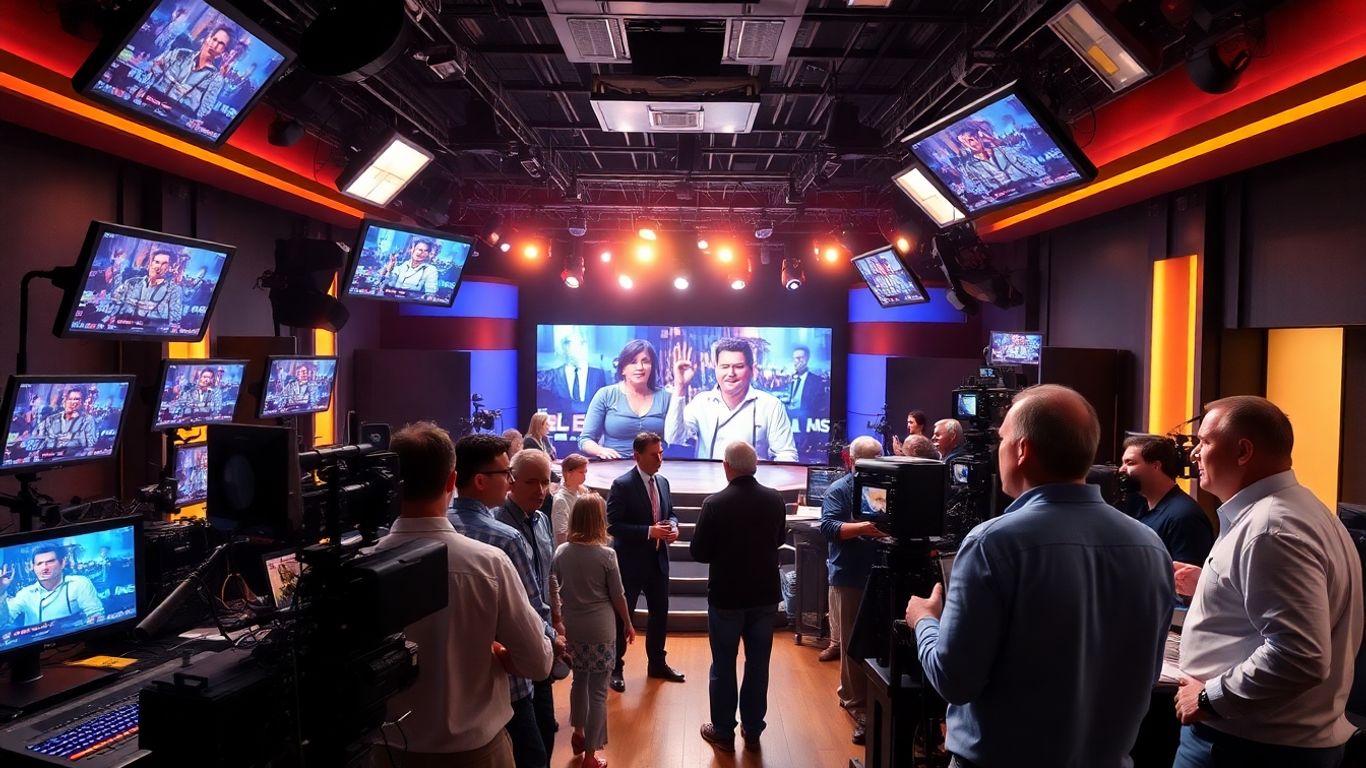
This is where the magic really starts to take shape. Before the cameras roll, there’s a period of intense preparation. Producers, directors, and the technical crew gather for "cue-to-cue" meetings. This isn’t just a casual chat; it’s a detailed walkthrough of the entire segment, often referred to as the "run sheet." Every camera angle, every sound cue, every graphic, and every piece of talent dialogue is mapped out. The goal is to make sure everyone involved, from the camera operators to the talent, knows exactly what’s happening and when.
Rehearsals are vital. For live television, there’s no room for error. Talent will run through their lines and actions, often multiple times. This is also when the technical team tests all the equipment. They’ll check microphones, lighting, video feeds, and any special effects. It’s a balancing act, making sure the entertainers and band all have time on stage to set up and prepare.
- Technical Checks: Ensuring all audio and video equipment is functioning correctly.
- Talent Run-Throughs: Practicing lines, movements, and interactions.
- Cue Coordination: Confirming that all cues are understood by the relevant teams.
The control room is the nerve center during this phase. Here, the technical director and their team meticulously go through every element to guarantee a smooth broadcast.
Managing Talent and On-Air Segments
Once rehearsals are complete, the focus shifts to managing the talent and the flow of the segment. Producers act as the central point of contact, guiding hosts, guests, and any other on-air personalities. This involves keeping everyone on schedule, providing last-minute instructions, and making sure they are comfortable and ready.
The producer’s role is to keep the segment on track, both in terms of timing and content. This might mean subtly prompting a host if they’re running long or reminding a guest about a specific point to cover. For segments involving multiple people, like interviews or panel discussions, the producer works to ensure the conversation is engaging and flows naturally.
- On-Set Coordination: Directing talent to their positions and ensuring they are mic’d and ready.
- Timing Management: Keeping a close eye on the clock to adhere to the broadcast schedule.
- Content Guidance: Providing subtle cues or reminders to talent as needed.
The Thrill of Live Television
There’s an undeniable energy that comes with live television. The stakes are high because there’s no second take. Producers are constantly monitoring the broadcast, ready to make split-second decisions if something unexpected occurs. This could be anything from a technical glitch to a talent misspeaking.
It’s a high-pressure environment, but for many, it’s also incredibly rewarding. The immediate feedback from viewers, the shared experience of creating something in real-time, and the satisfaction of a successful broadcast are what make the demanding nature of the job worthwhile. The adrenaline rush of knowing millions are watching, and that you’ve helped bring that content to them, is a unique aspect of this profession.
- Real-time Problem Solving: Addressing unforeseen issues as they arise.
- Audience Connection: Creating content that directly engages viewers.
- Momentum Building: Maintaining energy and flow throughout the live broadcast.
Post-Segment Wrap-Up and Future Planning
Immediate Post-Segment Procedures
Once the cameras stop rolling and the final soundbite is captured, the producer’s work isn’t quite done. The immediate aftermath of a segment involves a quick but thorough wrap-up. This often includes thanking the talent, crew, and any guests involved. It’s also the time to ensure all footage and audio recordings are properly logged and transferred to the editing team. A quick debrief with key personnel can help iron out any minor issues that arose during the segment, making sure everyone is on the same page before moving on.
Reviewing Segment Performance
After the initial wrap-up, a more in-depth review of the segment takes place. This isn’t just about watching the playback; it’s about critical analysis. Producers look at how the segment flowed, whether the story was told effectively, and if it met the intended goals. Key metrics might be considered, such as viewer engagement if available, or simply how well the segment fit within the overall broadcast. This review helps identify what worked well and what could be improved for future productions.
Here’s a look at common review points:
- Story Clarity: Was the main message easy to understand?
- Pacing: Did the segment move at an appropriate speed, keeping viewers interested?
- Visuals: Did the graphics, B-roll, and on-screen elements support the narrative?
- Talent Delivery: Was the on-air talent engaging and informative?
- Technical Execution: Were there any audio or video glitches?
Looking Ahead to Future Broadcasts
The insights gained from reviewing a segment directly inform future planning. Producers use this feedback to refine their approach for upcoming stories and segments. This might involve adjusting segment lengths, exploring new visual styles, or developing different interview techniques. The goal is continuous improvement, ensuring each broadcast is better than the last. This forward-thinking process is what keeps Entertainment Tonight fresh and engaging for its audience, anticipating trends and audience interests.
The cycle of production is constant. What happens after one segment concludes immediately sets the stage for the next. It’s a dynamic process of creation, evaluation, and adaptation, all aimed at producing compelling television.
Behind the Scenes: A Producer’s Daily Life
The Importance of Teamwork
Producing a daily news show like Entertainment Tonight isn’t a solo act. It’s a massive collaborative effort where everyone, from the camera operators to the makeup artists, plays a part. The control room buzzes with activity, a symphony of coordinated efforts to bring the show to air. Think of it like a well-oiled machine; each gear has to turn at the right time for the whole thing to function. Producers often find themselves acting as the central hub, connecting different departments and making sure everyone is on the same page. This means constant communication, whether it’s a quick chat in the hallway or a detailed email outlining segment needs. Without this shared understanding and mutual respect, the complex process of putting together a daily broadcast would simply fall apart.
Handling Unexpected Challenges
No two days are ever quite the same in live television. You can plan everything down to the minute, but something unexpected can always pop up. Maybe a major news story breaks just before airtime, or a guest has a last-minute scheduling conflict. Producers need to be quick thinkers, able to adapt on the fly. This often involves making split-second decisions that can significantly alter the show’s flow. It’s about having backup plans for your backup plans.
The ability to pivot is key. When a segment isn’t working as planned, or when a technical glitch occurs, a producer must remain calm and find a solution without disrupting the overall broadcast. This requires a cool head and a deep well of resourcefulness.
The Rewarding Aspects of the Job
Despite the pressure and the long hours, there’s a unique satisfaction that comes with producing a show like Entertainment Tonight. Seeing a segment you’ve worked on come to life on screen, knowing that millions of people will watch it, is incredibly fulfilling. It’s about telling stories, capturing the essence of entertainment, and sharing that with the audience. Plus, the fast-paced environment means you’re constantly learning and growing. You get to work with creative people, witness exciting events, and be at the forefront of pop culture news. It’s a demanding job, for sure, but the thrill of live television and the impact of the stories you help tell make it all worthwhile.
Wrapping Up a Day in the Life
So, that’s a glimpse into what goes into making a show like Entertainment Tonight happen. It’s a lot of moving parts, from the early morning ideas to the final touches right before going live. It really shows you that behind every segment, there’s a team working hard to bring the latest entertainment news and fun to your screens. It’s a fast-paced world, but one that clearly thrives on creativity and quick thinking. Thanks for joining us behind the scenes!
Frequently Asked Questions
What does an entertainment news producer actually do?
An entertainment news producer is like the director of a show, but for news about celebrities and entertainment. They help decide what stories to tell, plan how to film them, and make sure everything runs smoothly from start to finish. It’s a fast-paced job where they juggle many tasks to get the show on the air.
How do producers come up with story ideas?
Producers are always looking for interesting stories. They might get ideas from news happening in the entertainment world, what’s trending on social media, or even from their own lives and experiences. They then brainstorm with their team to pick the best and most exciting ideas for the show.
What kind of ‘props’ do entertainment producers work with?
Props in this context aren’t just for plays! Producers might need to gather items for a segment, like a cool gadget for a review, food for a cooking segment, or even decorations for a special theme. They make sure everything looks great on camera.
Is live television really as exciting as it looks?
Yes, live TV is super exciting and can be a bit nerve-wracking! Producers work hard to make sure everything goes perfectly, but there’s always a thrill because anything can happen. They have to stay calm and make quick decisions if something unexpected pops up.
What happens after a segment is filmed?
After a segment airs, the producer’s work isn’t totally done. They might review how the segment turned out, see what worked well, and start thinking about what stories to cover next. It’s all about learning and planning for future shows.
What’s the most rewarding part of being an entertainment producer?
Many producers find it really rewarding to be part of creating something that entertains and informs people. They enjoy the teamwork, the creativity involved in storytelling, and the satisfaction of putting on a great show, even with all the challenges.