
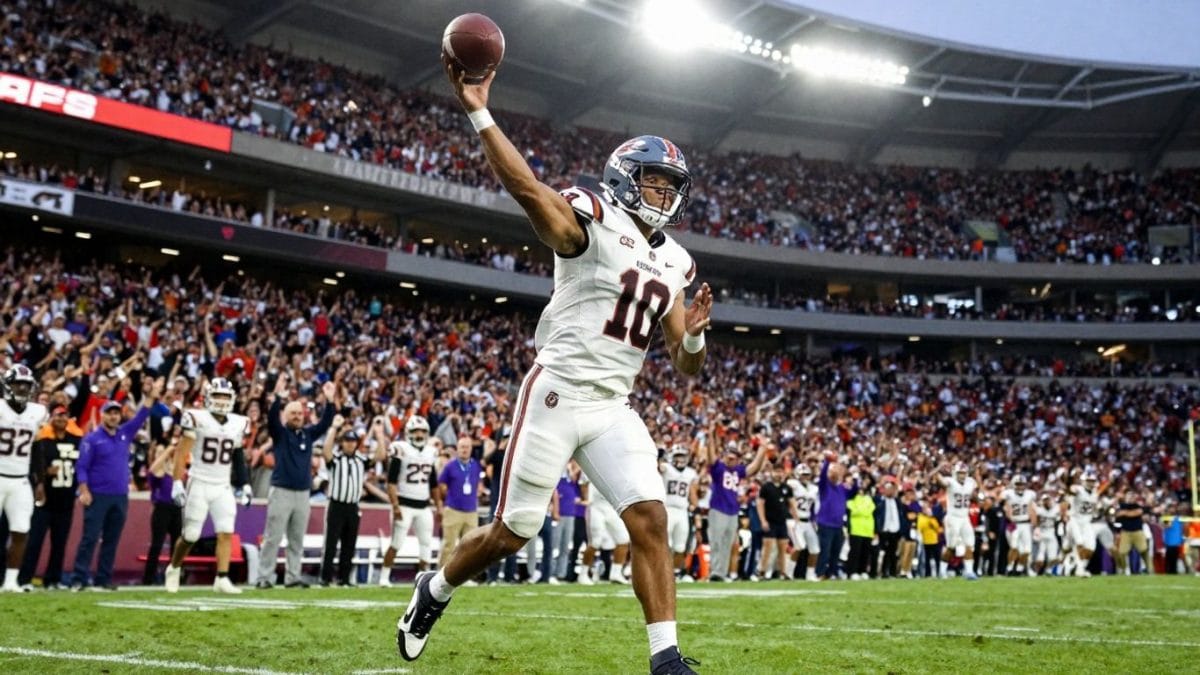
Hey everyone, ready to talk football? Whether you’re a seasoned fan or just dipping your toes into the world of the gridiron, this guide is for you. We’re going to break down what makes a football game so great, from understanding the rules to throwing the best game day party. So grab your snacks, get comfy, and let’s get into everything you need for an awesome football game experience.
Key Takeaways
- Understanding the basic rules and how points are scored is your first step to enjoying any football game.
- Professional and college football offer distinct atmospheres, each with its own unique appeal and traditions.
- Preparing for game day, whether at home or tailgating, makes the entire football game experience much more enjoyable.
- Knowing where to watch, from TV channels to streaming, and setting up your viewing space can greatly improve how you enjoy a football game.
- Football is more than just a sport; it builds community, reflects societal values, and is rich with traditions that connect fans.
Understanding The Football Game Experience
The Thrill of Football: Why We Love The Game
So, what’s the big deal with football? Why do so many people get so excited about it? It’s a mix of things, really. You’ve got the incredible athletes doing amazing things – the speed, the power, the sheer skill. It’s pretty cool to watch. Then there’s the thinking part, like a chess game between the coaches and the players. Every play is planned, and one wrong move can change everything. It’s a game where small gains matter a lot. The whole atmosphere on game day is a big part of it too. The noise from the crowd, hanging out with other fans, the parties before the game – it all adds to the fun. Whether you’re in the stadium or watching with friends, it feels like a shared event. And you never quite know what’s going to happen. Upsets happen, teams come back from behind, and anything can go down on any given day. This keeps you watching, wondering what’s next. Plus, there are all the traditions and rituals that come with football. From what teams do before a game to how they celebrate after, these things make you feel like you’re part of something bigger. Loving football is more than just liking a sport; it’s a way of life, a passion that brings people together.
The Allure of Professional Football
Professional football, especially the NFL, draws people in for a variety of reasons. It’s the highest level of the sport, showcasing incredible talent and athleticism. The games are often tightly contested, with complex strategies playing out on the field. Teams are made up of elite athletes who have dedicated their lives to the game, and their performances are a testament to that dedication. The stakes are high in professional leagues, with championships and bragging rights on the line each season. This intensity, combined with the widespread media coverage and marketing, creates a massive following. Fans connect with teams and players, developing loyalties that can last a lifetime. The drama of the season, from the regular games to the playoffs, keeps viewers engaged week after week. It’s a spectacle that combines athletic prowess with strategic depth, making it a compelling watch for millions.
College Football: A Unique Atmosphere
College football offers a different, yet equally captivating, experience. It’s often characterized by a strong sense of tradition and community, with passionate fan bases tied to their alma maters or local universities. The atmosphere in college stadiums can be electric, filled with student sections, marching bands, and time-honored traditions that create a unique game-day environment. The players, while perhaps not as polished as professionals, play with a raw passion and energy that many find infectious. There’s a sense of raw potential and the excitement of seeing future stars emerge. Rivalries in college football are often intense and deeply rooted, adding another layer of excitement to the games. It’s a celebration of school spirit and local pride, making it more than just a sporting event for many.
Understanding The Rules and Gameplay
To truly appreciate football, you need to grasp the basics of how the game is played. The main goal is simple: score more points than the other team. Points are earned in a few ways: a touchdown is worth six points, usually followed by a chance for an extra point kick (one point) or a two-point conversion (two points). Kicking the ball through the goalposts for a field goal gets you three points. The game happens on a field that’s 100 yards long, with an end zone at each end. Each team has 11 players on the field at a time. The team with the ball, the offense, tries to move it down the field by running or passing. The defense tries to stop them and get the ball back. The offense gets four chances, called downs, to move the ball at least 10 yards. If they make it, they get another set of four downs. If they don’t, the other team usually gets the ball. Plays are either runs or passes. Penalties can happen, like holding or offsides, and they usually result in losing yards. The game is split into four quarters, with a break at halftime.
Key Positions on The Field
Football involves many different player roles, each with specific jobs. On offense, the quarterback is the leader, calling plays and throwing passes. The running back carries the ball on running plays. Wide receivers catch passes. The offensive line protects the quarterback and blocks for runners. On defense, the defensive line tries to stop the run and pressure the quarterback. Linebackers are versatile, stopping runs and covering receivers. Defensive backs (cornerbacks and safeties) defend against passes. Special teams handle kicking and punting.
How Points Are Scored in Football
Scoring in football is straightforward once you know the main ways. The most exciting way is a touchdown, which is worth 6 points. This happens when a player carries the ball into the opponent’s end zone or catches a pass in the end zone. After a touchdown, the scoring team gets a chance for an extra point. They can either kick the ball through the goalposts for 1 point or try a riskier play to run or pass the ball into the end zone again for 2 points. If a team can’t get a touchdown but is close enough to the opponent’s goalposts, they can attempt a field goal, which is worth 3 points. This involves kicking the ball through the uprights. Finally, a safety is awarded 2 points to the defense if they tackle an offensive player with the ball in their own end zone. These are the primary ways teams put points on the board.
Mastering Football Game Fundamentals
To truly get into the spirit of football, you’ve got to know what’s happening on the field. It’s not just about watching the ball; it’s about understanding the flow, the strategy, and the individual efforts that make each play count. Let’s break down the core elements so you can follow along with confidence.
Understanding The Rules and Gameplay
At its heart, football is a game of territory and scoring. Two teams, each with 11 players on the field at a time, battle to move a ball down a 100-yard field (plus two 10-yard end zones) and score points. The team with the ball is on offense, trying to advance it. The other team is on defense, trying to stop them and get the ball back.
Here’s how a typical sequence works:
- The Snap: A play begins when the center passes the ball backward between his legs to the quarterback. This is the snap.
- Downs: The offense gets four chances, called downs, to move the ball at least 10 yards forward. If they succeed, they get a fresh set of four downs. If they fail to gain 10 yards after four downs, the ball usually goes to the other team at the spot where the fourth down ended.
- Advancing the Ball: The offense can move the ball by running plays (handing it off to a runner) or passing plays (throwing it to a receiver).
- Defense’s Goal: The defense aims to prevent the offense from gaining yards, force turnovers (like interceptions or fumbles), or stop them before they can score.
Penalties can also affect the game, leading to lost yards or other disadvantages for the offending team. The game is divided into four 15-minute quarters, with a break at halftime.
The objective is straightforward: outscore your opponent. How teams achieve this, through intricate plays and athletic feats, is where the real fascination lies.
Key Positions on The Field
Every player on the field has a specific job. Knowing these roles helps you appreciate the teamwork and individual skill involved.
- Offense:
- Quarterback (QB): The leader. Calls plays, throws passes, and makes quick decisions.
- Running Back (RB): Carries the ball on running plays, sometimes catches passes.
- Wide Receiver (WR) & Tight End (TE): Primarily catch passes.
- Offensive Line (OL): Five players who block for the QB and runners.
- Defense:
- Defensive Line (DL): Tries to stop runs and pressure the QB.
- Linebacker (LB): Play close to the line, involved in stopping runs and covering passes.
- Defensive Backs (DBs – Cornerbacks & Safeties): Cover receivers and defend against passes.
- Special Teams:
- Kicker (K): Handles field goals and extra points.
- Punter (P): Kicks the ball away on fourth down when the team doesn’t want to risk turning the ball over.
How Points Are Scored in Football
Scoring is what drives the game. Here are the ways teams put points on the board:
- Touchdown (6 points): The most significant score. Achieved when a player carries the ball into the opponent’s end zone or catches a pass while in the end zone.
- Extra Point (1 point): After a touchdown, the scoring team gets a chance to kick the ball through the goalposts from a short distance.
- Two-Point Conversion (2 points): Instead of kicking, the team can try to run or pass the ball into the end zone again from a short distance.
- Field Goal (3 points): A team can kick the ball through the goalposts during regular play, usually when they are close enough to the opponent’s end zone but don’t think they can score a touchdown.
- Safety (2 points): Awarded to the defense if they tackle an offensive player with the ball in their own end zone.
Understanding these basic rules, positions, and scoring methods will significantly deepen your appreciation for the strategic depth and exciting action of every football game you watch.
Elevating Your Football Game Day
Getting ready for football game day is half the fun, right? It’s about more than just watching the game; it’s about the whole experience. Whether you’re heading to the stadium, hosting friends at your place, or finding a local spot, a little planning goes a long way to make sure you have a great time.
Essential Preparations for Game Day
Before the kickoff, there are a few things you should sort out. First, decide where you’ll be watching. If you’re hosting, think about how many people are coming and make sure you have enough food and drinks. If you’re going to the stadium, grab your tickets early. It’s also a good idea to gather all your gear. Stock up on your favorite snacks and drinks, and don’t forget to wear your team’s colors. Depending on the weather, you might need sunscreen, a hat, or even a blanket. Getting into the game day spirit can start before you even leave the house. Maybe put on some team music or catch a pre-game show.
Creating The Perfect Home Viewing Setup
Watching from home can be just as exciting as being there. Make sure your TV is set up right and that you have a clear view. Comfortable seating is a must, so arrange your couches and chairs so everyone can see the screen. Prepare a spread of snacks and drinks that people can easily grab throughout the game. Think about setting up a little buffet. If you have a sound system, get it tuned up for the best audio. Adding some team decorations, like banners or flags, can really get everyone in the mood.
The Art of Tailgating: A Pre-Game Celebration
Tailgating is a classic part of the football experience. It’s a chance to hang out with friends, grill some food, and get hyped before the game. Planning is key here. Coordinate with your group on who’s bringing what, especially for food and drinks. Burgers, hot dogs, and easy-to-eat snacks are usually big hits. You’ll need some basic gear: a grill, a cooler, chairs, and maybe some games. Don’t forget the charcoal and utensils! Setting up some team flags and playing music adds to the festive vibe. Remember to clean up your spot afterward and follow any parking lot rules.
A well-prepared game day, whether at home or away, transforms a simple viewing into a memorable event. It’s about creating an atmosphere that matches the excitement of the sport itself.
Enhancing Your Football Game Viewing
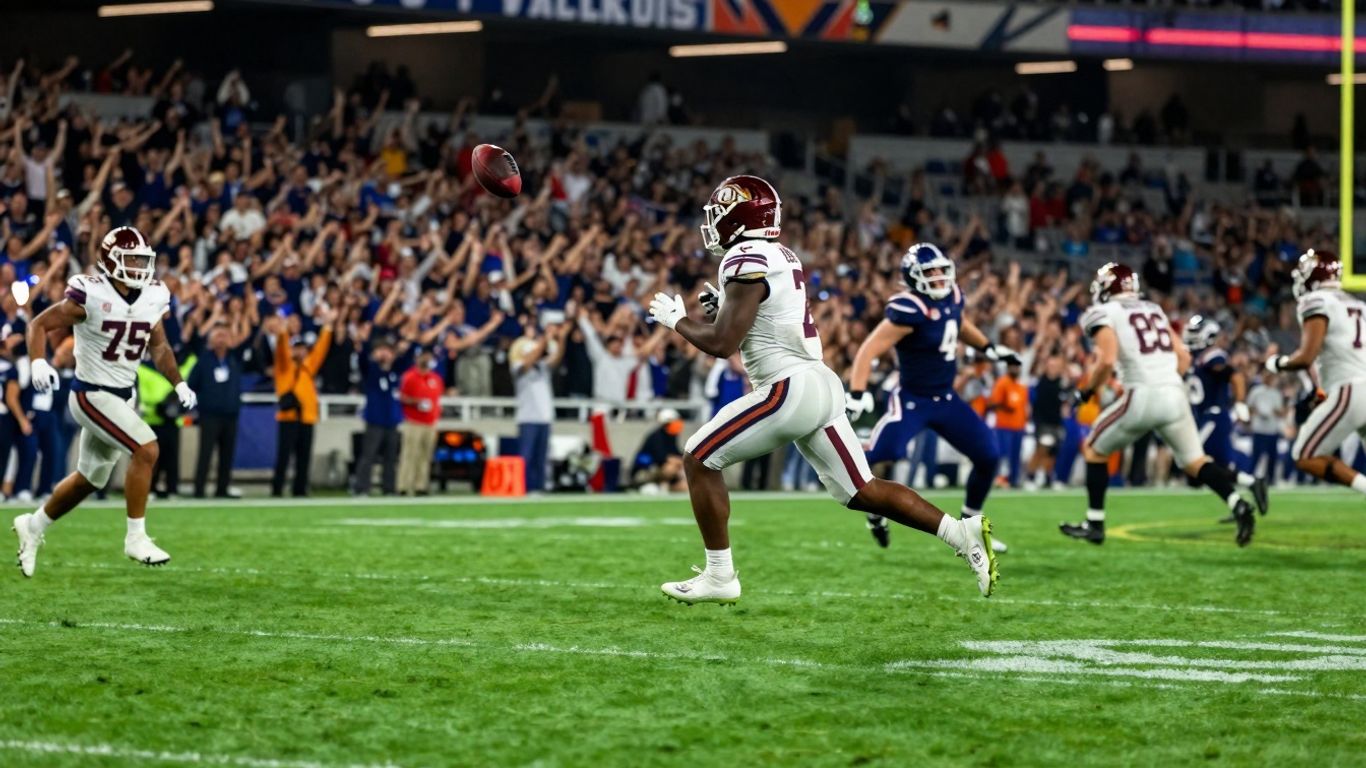
Watching football is more than just seeing the plays unfold; it’s about the whole experience. Whether you’re settled on your couch or out with friends, a few smart choices can make a big difference in how much you enjoy the game. Let’s look at how to make your viewing time better.
Where To Watch: TV Channels and Streaming Options
Gone are the days when you had to rely on just one or two channels to catch a game. Today, you have a lot of choices. Traditional TV still broadcasts many NFL and college games on networks like CBS, NBC, and ESPN. Your local channels might also have games, so it’s always a good idea to check your local listings.
Streaming services have really changed things. Services like ESPN+, Peacock, and Paramount+ give you flexible ways to watch. For serious NFL fans, NFL Sunday Ticket is an option that lets you see every Sunday game, no matter where you are. Just make sure you have a good internet connection for streaming.
Don’t forget about radio broadcasts, which are great if you’re on the move. Many websites and apps also provide live updates, scores, and highlights. Even social media can offer real-time info and commentary.
Here’s a quick look at some common ways to watch:
| Platform | Typical Content |
|---|---|
| Broadcast TV | Major NFL/College games, local games |
| Streaming Services | Specific league packages, on-demand content |
| Radio | Live play-by-play audio |
| Online Updates | Scores, highlights, news |
Optimizing Your Viewing Environment
Creating the right atmosphere at home can make watching the game much more enjoyable. Start with your TV. Make sure it’s set up properly and that you have a clear picture. Comfortable seating is also key. Arrange chairs or sofas so everyone has a good view and can relax.
Think about sound, too. If you have a sound system, check that it’s working well. Adjusting the volume can really pull you into the game. Adding some team decorations, like banners or colors, can also get everyone in the spirit.
A well-prepared viewing space helps everyone focus on the game and enjoy the shared experience. Small touches can make a big difference.
Gathering With Friends for The Football Game
Watching football with friends can be a lot of fun. Planning ahead helps make sure everyone has a good time. Decide on the menu beforehand – snacks and easy-to-eat foods are usually best. Make sure you have enough drinks for everyone.
When friends come over, it’s good to have a plan for seating so everyone can see the TV. Having some simple games or activities ready before the game starts can also be a nice touch. The main goal is to create a relaxed and fun setting where people can chat and enjoy the game together. The shared excitement of a close game is often best experienced with others.
The Deeper Impact of Football
Football Traditions and Rituals
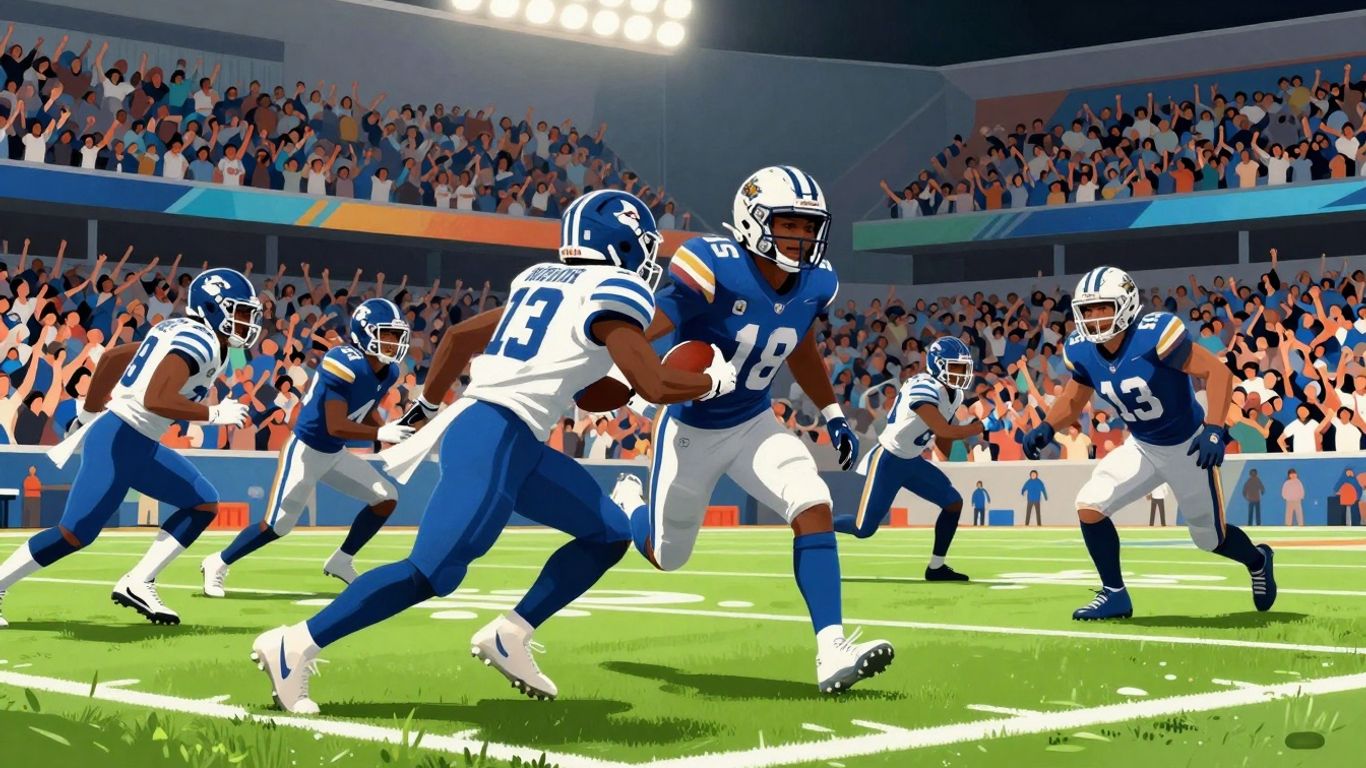
Football is more than just a game; it’s a tapestry woven with traditions and rituals that connect us. Think about tailgating – it’s not just about grilling burgers before kickoff. It’s a communal gathering, a chance to share stories and build excitement with fellow fans. Many teams have their own unique songs or pre-game routines that create a strong sense of identity. And who hasn’t heard about superstitions? From wearing the same lucky socks to specific seating arrangements, these personal rituals add a fun, almost mystical layer to the fan experience. These practices aren’t just quirky habits; they are the threads that bind fans together, season after season.
The Impact of Football on Society and Culture
Football’s influence stretches far beyond the stadium lights. It shapes local identities, with teams often serving as symbols of pride for entire communities. The sport also champions values like teamwork, discipline, and perseverance, lessons that translate directly into everyday life. Economically, football is a powerhouse, generating billions and supporting countless jobs. Culturally, it inspires fashion, music, and art, becoming a significant part of the broader social landscape. This widespread impact makes football a powerful force in connecting people and reflecting societal values.
Football acts as a social glue, bringing diverse groups of people together under a common banner of support for their team. This shared experience can bridge divides and create a sense of belonging that is often hard to find elsewhere.
Building Community Through Football
At its core, football is about community. Whether you’re cheering in a packed stadium or gathered around a TV with friends, the shared experience of watching a game creates powerful bonds. For many, football is a family affair, a tradition passed down through generations, creating lasting memories and connections. This sense of belonging is a huge part of why the sport remains so popular. It provides a common ground, a shared passion that can bring people from all walks of life together.
Here’s how football builds community:
- Shared Experience: Watching games together, win or lose, creates a collective memory.
- Local Identity: Teams often represent the heart and soul of a town or city, giving residents something tangible to rally around.
- Intergenerational Connection: Families bond over favorite teams, passing down traditions and knowledge.
- Social Gatherings: Game days become natural opportunities for friends and neighbors to connect.
Wrapping Up Your Football Game Day
So, we’ve covered a lot of ground, from understanding the game itself to planning the perfect watch party or tailgate. Whether you’re a seasoned fan or just getting into the sport, the goal is always to have a great time. Remember, football is more than just the plays on the field; it’s about the shared moments, the traditions, and the community that surrounds it. Use these tips to make your next game day memorable, whether you’re cheering from the stands or your own living room. Now, go out there and enjoy the game!
Frequently Asked Questions
What makes football so exciting to watch?
Football is exciting because of the amazing athletes who play it, showing off incredible speed and power. It’s also like a chess game with coaches making smart moves. Plus, the energy of the crowd, the fun of tailgating, and the fact that anything can happen keeps everyone on the edge of their seats!
What are the basic rules of football?
The main goal is to score more points than the other team. You score by getting the ball into the other team’s end zone (touchdown) or kicking it through the goalposts (field goal). Teams have four tries to move the ball 10 yards. If they don’t, the other team gets the ball. It’s played on a field 100 yards long, with 11 players on each side at a time.
What’s the difference between professional and college football?
College football has a really special vibe with super passionate fans, marching bands, and a strong sense of community. College towns get really lively on game days! Professional football (like the NFL) is where the top athletes play and has a huge national following, but college football often feels more like a tradition tied to schools and towns.
What is tailgating?
Tailgating is a fun party that happens before a football game, usually in the parking lot of the stadium. People bring grills, food, drinks, and games to hang out with friends and get excited for the game. It’s all about good food, good company, and team spirit!
How can I make watching football at home more enjoyable?
To have the best home viewing experience, make sure your TV is set up well and you have comfy seating. Stock up on your favorite snacks and drinks! You can also add some team decorations to get in the spirit. The most important thing is to relax and have fun with whoever you’re watching with.
Why are football traditions important?
Traditions like tailgating, wearing team colors, and even superstitions help create a sense of belonging and shared experience for fans. They connect people to the game and to each other, making football more than just a sport – it becomes a community event and a cherished part of culture.