
Anime is no longer a niche subculture, it’s a global emotional dialect. From Lagos to London, series like Demon Slayer and Attack on Titan now transcend language, creating a shared vocabulary of human experience. But how streaming, masterful localisation, and international co-productions transformed Japanese animation into the world’s most powerful visual storytelling medium, uniting millions in a single, emotional conversation.

Anime was primarily a Japanese export that often struggled to break through international barriers. Yet, between 2010 and 2025, anime’s evolution from a regional curiosity to a universal language of emotion, imagination, and creativity is a remarkable story of cultural confluence.
Streaming platforms, social media, and international collaborations have transformed anime into a worldwide phenomenon, one that speaks to the heart of the human experience, transcending geographical, linguistic, and cultural divides.
So, how did we get here? How did anime evolve into a global lingua franca that resonates with people from Tokyo to Tijuana, from London to Lagos?
The rise of global streaming
The first significant shift in anime’s journey from Japan to the world was the advent of streaming platforms. By 2010, the world was beginning to embrace the convenience of on-demand video, and companies like Netflix, Crunchyroll, and Hulu began offering anime to international audiences in a way that had never been done before. These platforms allowed fans to access hundreds, even thousands, of anime titles with just a click of a button.
Before streaming, anime’s reach was confined to niche audiences who relied on imports, fan translations, and a limited selection of titles on TV. This fragmented access meant that anime had limited exposure and appeal.
But streaming changed the game. Suddenly, anime wasn’t just for those with a deep interest in Japanese culture or language; it was available to anyone, anywhere, and in multiple languages.
Netflix, for example, had already begun its global expansion in 2010, but by the mid-2010s, anime titles like Naruto, Attack on Titan, and One Punch Man were joining their catalogues. By 2017, Netflix even made anime a central pillar of its global strategy, with exclusive shows like Castlevania and Devilman Crybaby attracting millions of new viewers.
This move was pivotal: it solidified anime’s place not just as a niche genre but as a mainstream entertainment category.
The global accessibility offered by streaming services, paired with their algorithmic recommendations, turned anime into a gateway for millions of people to explore Japanese culture. What was once a curiosity for a small subculture soon became a staple of everyday entertainment for millions worldwide.
Cultural translation and the art of subtitling and dubbing
While streaming platforms made anime widely accessible, another crucial factor in its global success was the art of cultural translation. Anime’s appeal isn’t just in its animation style; it’s in its deeply emotional storytelling, often tackling universal themes like love, loss, identity, and courage.
But to communicate these themes effectively across linguistic and cultural divides, the medium needed to evolve beyond simple subtitles and into something that could resonate deeply with foreign audiences.
The traditional method of subtitling anime was essential in maintaining the essence of the original Japanese dialogues, but it wasn’t always enough. Dubbing, for example, allowed anime to break language barriers and make it more accessible to people who didn’t want to read subtitles or couldn’t understand Japanese.
In recent years, dubbing has improved significantly, with voice actors giving characters emotions and inflexions that match the tone of the original Japanese.
But beyond the technicalities of translation, cultural adaptation became crucial. Fans of anime are well aware of the unique Japanese references, idioms, and cultural nuances that often make a direct translation challenging. For anime to resonate with international audiences, localisation teams needed to ensure that the essence of the narrative remained intact while making subtle changes that would make the story relatable in different cultural contexts.
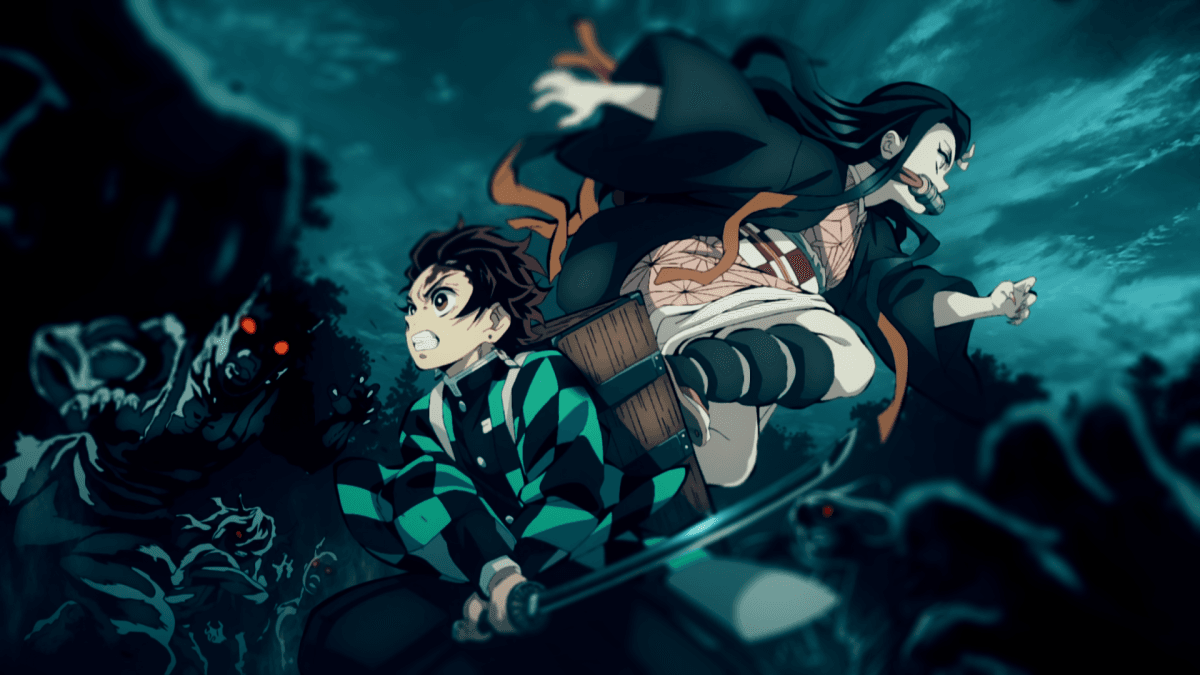
Shows like My Hero Academia or Demon Slayer were able to resonate deeply with Western audiences because their universal themes of heroism, friendship, and perseverance were skilfully adapted to align with global sensibilities.
More recently, anime has been embraced in countries with distinct cultural identities of their own. Demon Slayer, for instance, became a cultural touchstone in places like India, Brazil, and Mexico, where its themes of family, perseverance, and hope resonated with audiences in ways that transcended language. By understanding the core human emotions at play and interpreting them in culturally sensitive ways, anime has become more than just a foreign import; it’s become a universal experience.

International co-productions
As anime’s popularity soared in the 2010s, Japanese studios began to realise that there was an enormous opportunity in partnering with international companies to co-produce anime. These collaborations have opened new doors for creative diversity, technical innovation, and access to broader global audiences.
One prime example of this shift was The Defenders, a Netflix-exclusive anime series co-produced by Japan’s Studio Mir and the American studio, Toei Animation. This partnership wasn’t just a one-off event but part of a broader trend that saw Western companies investing heavily in anime production. In the process, international anime fans started to see the fusion of Japanese and Western creative sensibilities.
Through collaborations with companies like Studio Ghibli, Ghost in the Shell was adapted into a live-action film in 2017 with Scarlett Johansson, further expanding the boundaries of anime. Although the movie met with mixed reviews, it marked a critical point in anime’s transition from purely Japanese culture to a medium that could be appreciated and reinterpreted by international audiences.
Moreover, anime itself has expanded its storytelling boundaries through co-productions. Violet Evergarden (2018), co-produced by Netflix and Kyoto Animation, received global praise not only for its stunning animation but also for its emotionally impactful storytelling. By pooling resources and ideas from around the world, anime has become more cosmopolitan than ever, pushing the boundaries of what is possible with art, narrative, and technology.

Anime as soft power
Anime’s rise as a cultural powerhouse has also made it an important tool of soft power for Japan. Soft power refers to a country’s ability to influence others through culture, values, and policies rather than through coercion or military force. For Japan, anime has become a subtle yet highly effective tool for shaping global perceptions and creating positive cultural ties.
Consider the growing popularity of anime conventions and fan gatherings around the world. From San Diego Comic-Con in the United States to Anime Expo in Europe, these events are now major cultural touchstones where fans celebrate not only Japanese animation but also Japan’s broader cultural contributions, including food, fashion, and technology. In this way, anime has become an ambassador for Japan, offering a cultural bridge that fosters understanding and appreciation across the globe.
Even Japan’s government has begun to embrace anime as an instrument of diplomacy. The Japan Foundation, a government-affiliated organisation, actively supports anime screenings and cultural exchanges around the world, helping to further globalise the medium.
By making anime available in museums, public libraries, and cultural centres, Japan has been able to engage with new generations of international audiences, all while promoting a more nuanced and dynamic image of Japanese culture.
At the same time, international co-productions have allowed anime to retain its cultural roots while also adopting global perspectives. This balance of international collaboration and cultural preservation is an essential part of anime’s success as a medium of universal communication.
Anime and the human experience
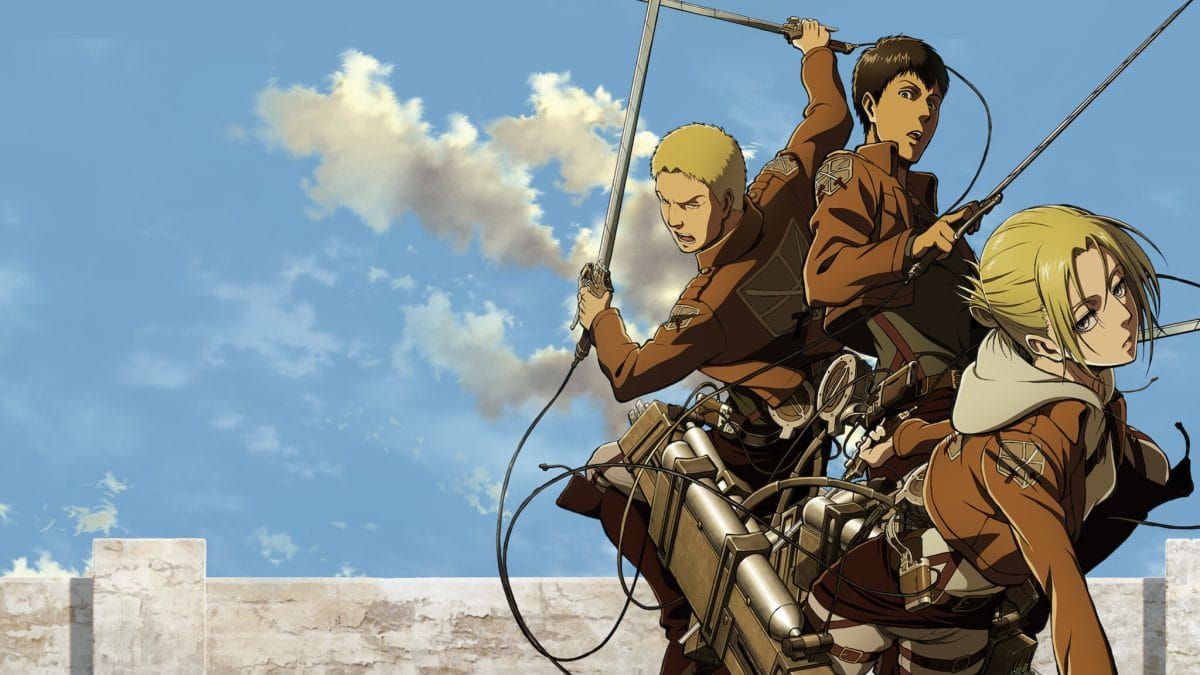
Ultimately, the globalisation of anime is about more than just business, co-productions, or streaming platforms. At its core, anime has succeeded because it speaks to the shared human experience. Whether it’s the thrill of a battle in Attack on Titan, the poignant loss of innocence in Your Name, or the bittersweet longing for connection in Violet Evergarden, anime taps into deep emotional currents that unite people across continents.
Through its storytelling, anime has proven that no matter where we come from, we all dream, fear, love, and suffer in similar ways. Its universality lies not only in its fantastical worlds or action-packed sequences but in the deeply human stories that resonate with audiences everywhere. It allows people to confront their personal struggles, explore their identities, and reflect on their values, all while being entertained.
By transcending cultural and linguistic barriers, anime has become more than just entertainment; it has become a universal language of emotion. It’s a language that speaks directly to the heart and allows us to connect with others — even when the only thing we may share in common is the emotion we feel while watching the screen.
The Future of Anime
As we look ahead to 2025 and beyond, anime’s role in global culture will only continue to grow. With new technologies like virtual reality, augmented reality, and even artificial intelligence beginning to take root in the anime industry, there’s no telling how the medium will continue to evolve.
But one thing is certain: anime will remain a powerful force for global connection, inspiring countless new fans and creators, while continuing to remind us all that we are united in the universal language of human emotion and imagination.