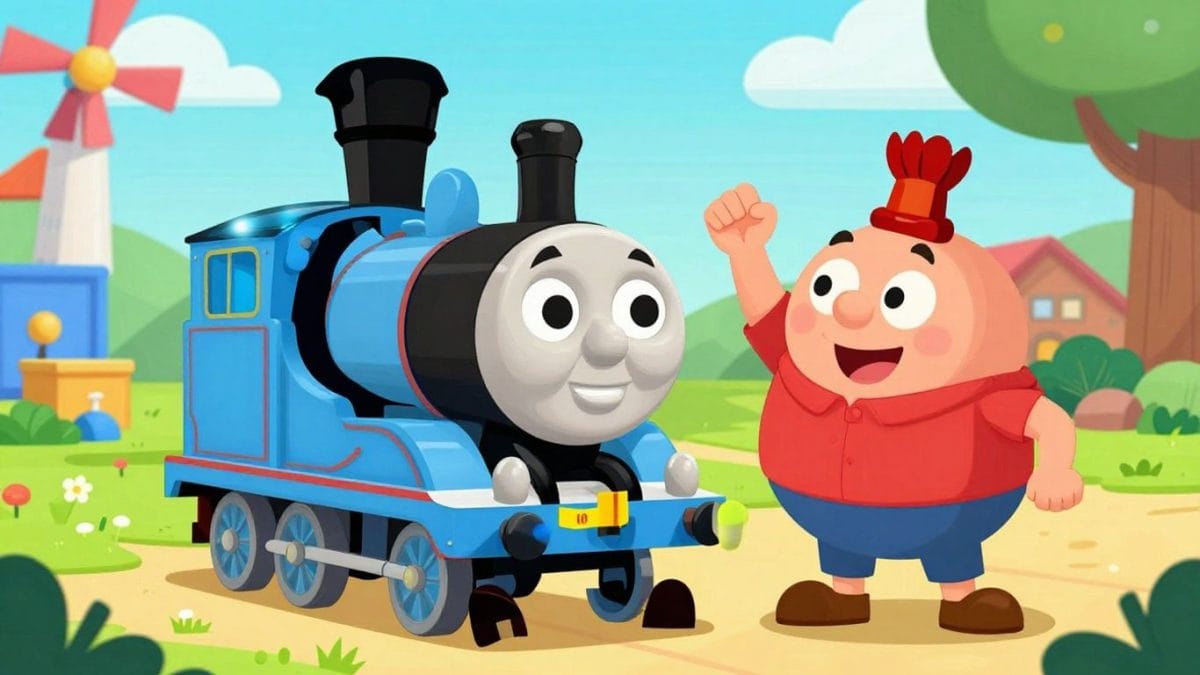
When you think of kids’ TV, chances are Thomas the Tank Engine pops into your head. For decades, this little blue engine has been chugging along, bringing stories to life for millions. But behind the cheerful whistles and familiar faces, there’s a whole business story. This is about how a company called HIT Entertainment took Thomas from a simple book character to a global phenomenon, and what that journey looked like.
Key Takeaways
- HIT Entertainment’s involvement really kicked off a new era for Thomas & Friends, bringing a fresh direction after the early days.
- Under HIT Entertainment, Thomas & Friends saw significant changes, including a move to computer animation and new voices, which helped it reach more kids.
- Beyond the TV show, HIT Entertainment was huge in expanding Thomas through merchandise, making it a household name worldwide.
- The company went through big changes, including being bought by private equity and eventually becoming part of Mattel, showing the business side of beloved characters.
- Even with new versions and reboots, the core appeal of Thomas & Friends, built partly by HIT Entertainment’s work, continues to connect with families across generations.
The Genesis of Hit Entertainment and Thomas & Friends
Early Television Attempts and Origins
The story of Thomas & Friends really begins with a series of children’s books by Reverend W. Awdry, called ‘The Railway Series’. These books, first published in 1945, introduced the world to the Island of Sodor and its many train characters. It wasn’t until 1984 that these beloved stories made their way to television screens in the UK. The original series, filmed with detailed model sets at Shepperton Studios, was a charming adaptation that captured the imagination of young viewers. Narrated initially by Ringo Starr, the show focused on the adventures of Thomas the Tank Engine and his friends, quickly becoming a hit.
The Britt Allcroft Company Era
Britt Allcroft was the driving force behind bringing Thomas to television. Her company, The Britt Allcroft Company, produced the initial television series. She saw the potential for Thomas to be more than just a book character, envisioning him as a beloved figure on screen. The early years of the show were marked by meticulous model work and engaging storytelling, laying a strong foundation for the franchise. This period established the core characters and the unique world of Sodor that would become so familiar to audiences worldwide.
Transition to Hit Entertainment
In 2002, a significant shift occurred when Gullane Entertainment, which had acquired Britt Allcroft’s company, was itself bought by Hit Entertainment. This marked the beginning of a new chapter for Thomas & Friends. Hit Entertainment had a different vision for the franchise, aiming to expand its reach and appeal. They saw Thomas & Friends not just as entertainment, but as a valuable educational tool for preschoolers. This led to changes in production and a renewed focus on making the series accessible to a global audience. Hit Entertainment’s acquisition was a turning point, setting the stage for the brand’s massive international growth.
The transition to Hit Entertainment brought a strategic focus on the preschool market, aiming to blend entertainment with gentle educational elements. This approach would prove instrumental in the brand’s subsequent global expansion and enduring popularity.
Evolution of Thomas & Friends Under Hit Entertainment
Making Tracks to Great Destinations
When Hit Entertainment took the reins, they saw Thomas & Friends not just as entertainment, but as a learning opportunity. This shift in perspective brought significant changes. After the seventh series, many familiar faces behind the scenes, like director David Mitton and composers Mike O’Donnell and Junior Campbell, moved on. Steve Asquith stepped in as director, bringing in new digital cameras, while Robert Hartshorne took over the music, introducing a fresh theme song. Michael Brandon became the new voice of the narrator in the US. The eighth series, which started appearing on home video in May 2004, really showed these changes. For TV, these episodes were grouped into longer, thirteen-episode broadcasts, airing on channels like Nick Jr. in the UK and PBS in the US starting in September 2004. The individual episode length also increased, and educational segments were added between them.
This period also marked important milestones. In 2005, Thomas & Friends celebrated the 60th anniversary of the first book in The Railway Series. That same year saw the release of the ninth series and the first full-length direct-to-video movie, Calling All Engines!. It was also in 2005 that Hit Entertainment was acquired by a private equity firm called Apax Partners. The tenth series in 2006 was a bit longer, featuring twenty-eight episodes instead of the usual twenty-six. By 2007, the eleventh series was being filmed with new high-definition cameras, and the final episodes were released straight to DVD. The big screen (and DVD) got The Great Discovery in 2008, with Pierce Brosnan lending his voice as the narrator.
Embracing Computer Animation
The transition to computer-generated imagery (CGI) was a major step for the franchise. While early seasons used detailed model sets, the desire for new visual possibilities and a more modern feel led to this change. The first significant move towards CGI was with the special Hero of the Rails, released in 2009. This marked a departure from the traditional live-action model filming that had defined the series for decades. The thirteenth season, which aired in 2010, fully embraced this new CGI style, showcasing Thomas and his friends in a completely redesigned visual format. The animation continued to evolve, with Arc Productions in Toronto taking over the CGI work starting with the King of the Railway special in 2013. This allowed for more dynamic storytelling and character expressions, keeping the show fresh for a new generation of viewers.
New Narrators and Voice Talent
As the series evolved visually and narratively, the voices behind the characters also saw changes. The shift to CGI and new production teams often brought in new voice actors and narrators. In the US, Michael Brandon took over narration duties starting with the eighth series. Later, for the special The Great Discovery in 2008, Pierce Brosnan stepped in as the narrator, bringing a well-known Hollywood presence to the Island of Sodor. These changes in voice talent aimed to refresh the series’ sound and appeal to contemporary audiences while maintaining the core charm that fans expected. The introduction of new characters and storylines also meant expanding the voice cast to bring these new personalities to life.
The move to CGI and the introduction of new voice talent were key strategies Hit Entertainment employed to keep Thomas & Friends relevant and engaging for successive generations of young viewers. These changes, while sometimes met with initial surprise from long-time fans, ultimately helped the franchise adapt to changing media landscapes and audience expectations.
Expanding the World of Sodor: Beyond the Rails
Merchandise and Global Reach
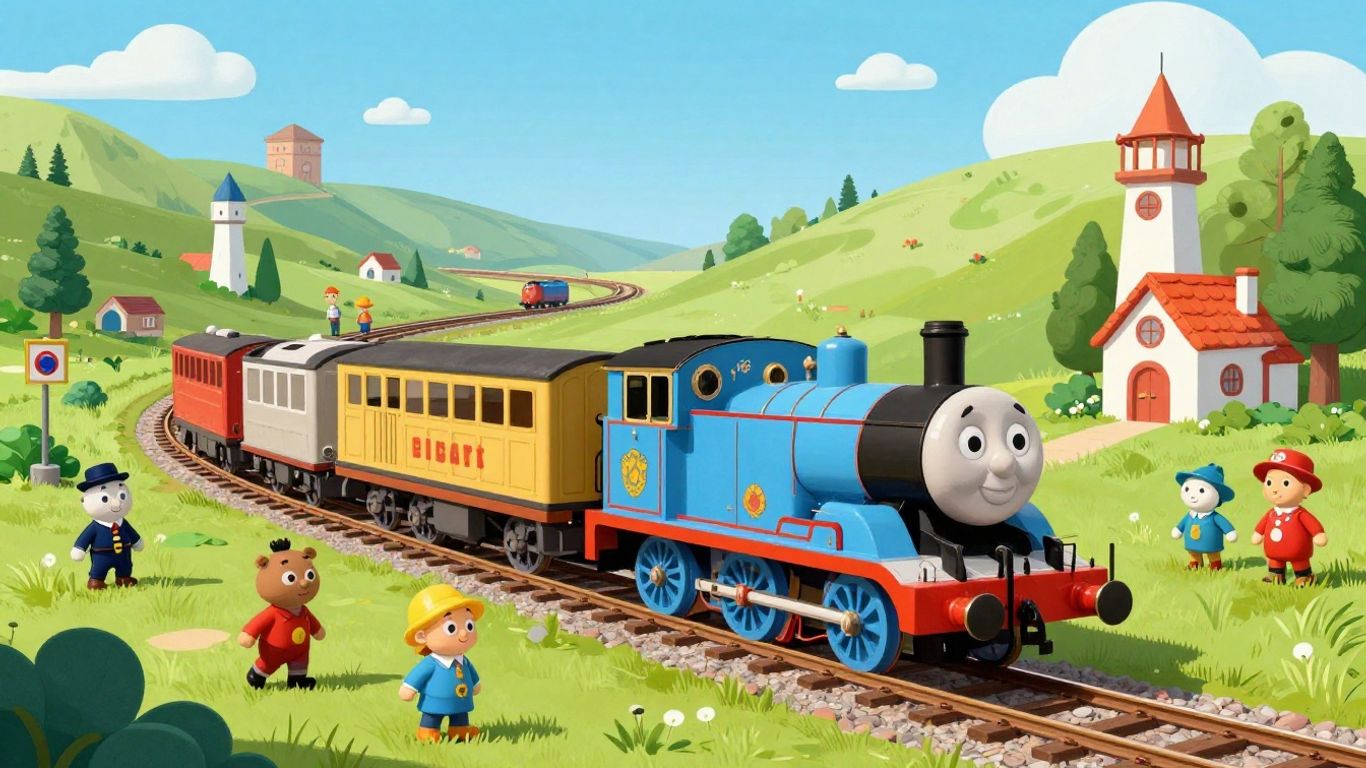
While the television series was the heart of HIT Entertainment’s success, the world of Thomas & Friends extended far beyond the screen. The brand became a merchandising powerhouse, with toys, books, and clothing reaching children across the globe. HIT Entertainment understood that to maintain the show’s popularity, they needed to make Thomas and his friends a tangible part of a child’s everyday life. This strategy involved a vast array of products, from the iconic wooden railway sets that allowed kids to recreate Sodor at home, to educational books that reinforced the show’s gentle lessons. The global reach was immense, with the franchise translated and adapted for numerous international markets, making Thomas a familiar face in households worldwide.
Spin-Off Series and Mini-Series
HIT Entertainment didn’t just rely on the main Thomas & Friends series; they actively developed spin-offs and mini-series to explore different facets of the Thomas universe and appeal to varied age groups. These ventures allowed for creative experimentation and expanded the narrative possibilities. Some notable examples include:
- Shining Time Station: This live-action series, primarily for the US market, introduced Thomas and his friends through the stories told by a stationmaster, bridging the gap between the animated world and live-action viewers.
- Jack and the Pack: A direct-to-DVD series focusing on a group of construction vehicles, offering a different perspective on problem-solving and teamwork on Sodor.
- Thomas Creator Collective: This initiative allowed fans to create their own Thomas stories using animation software, showcasing a more modern, community-driven approach to content creation.
These varied formats demonstrated HIT’s commitment to keeping the Thomas brand fresh and engaging for different audiences.
The Impact of Thomas & Friends on Popular Culture
Thomas & Friends has left an undeniable mark on popular culture, particularly within children’s entertainment. It’s more than just a show; for many, it represents a significant part of their childhood. The simple yet effective storytelling, focusing on themes of friendship, hard work, and learning from mistakes, has resonated with generations. The distinctive visual style and memorable characters have made Thomas instantly recognizable, appearing in everything from school plays to themed birthday parties.
The enduring appeal of Thomas & Friends lies in its ability to present complex social and emotional lessons in a format that young children can easily grasp. The trains themselves, with their distinct personalities and roles, serve as relatable characters navigating the challenges of their world, mirroring the experiences of children as they grow and learn.
This cultural penetration means that Thomas & Friends isn’t just a television program; it’s a cultural touchstone that has shaped the early years of millions of children and continues to be a beloved part of family entertainment.
Hit Entertainment’s Strategic Shifts and Acquisitions
As HIT Entertainment grew, especially with the massive success of Thomas & Friends, the company began to make some significant moves. It wasn’t just about making more episodes; it was about expanding the business and securing its future in the competitive children’s entertainment market. This period saw the company change hands and bring other popular brands into its fold.
Private Equity Investment
In 2005, HIT Entertainment became a target for private equity firms looking to invest in successful media companies. Apax Partners, a major player in this field, acquired HIT Entertainment that year. This kind of investment often brings new capital and a focus on financial performance, which can lead to changes in how a company operates and grows. The goal for private equity is typically to improve the company’s value before eventually selling it.
Acquisition of Other Brands
HIT Entertainment didn’t just rest on its laurels with Thomas. The company actively looked to acquire other children’s entertainment properties to diversify its portfolio. This strategy helped them become a more robust media entity. Some notable acquisitions included:
- Fireman Sam: A popular animated series about a Welsh firefighter and his colleagues.
- Guinness World Records: While not a television series, acquiring the rights to this brand allowed HIT to create content and merchandise around record-breaking achievements.
These acquisitions broadened HIT’s reach and appeal to different audiences within the children’s market.
Integration into Mattel Creations
The landscape of children’s entertainment shifted significantly when Mattel, the global toy giant, acquired HIT Entertainment. This major move happened in 2011, and the integration process took some time. By March 31, 2016, HIT Entertainment was fully absorbed into Mattel’s structure, becoming part of Mattel Creations. This meant that Thomas & Friends and its associated brands were now under the umbrella of one of the world’s largest toy manufacturers. This integration aimed to combine Mattel’s global reach and toy expertise with HIT’s established content library and production capabilities, creating new opportunities for cross-promotion and product development.
The acquisition by Mattel marked a new chapter, bringing the beloved characters and stories into a larger corporate framework. This often means a renewed focus on global distribution, toy tie-ins, and adapting the content to fit evolving market trends and consumer demands. It’s a common path for successful children’s brands to end up as part of larger conglomerates.
The Enduring Legacy and Future of Thomas & Friends
Reception and Critical Acclaim
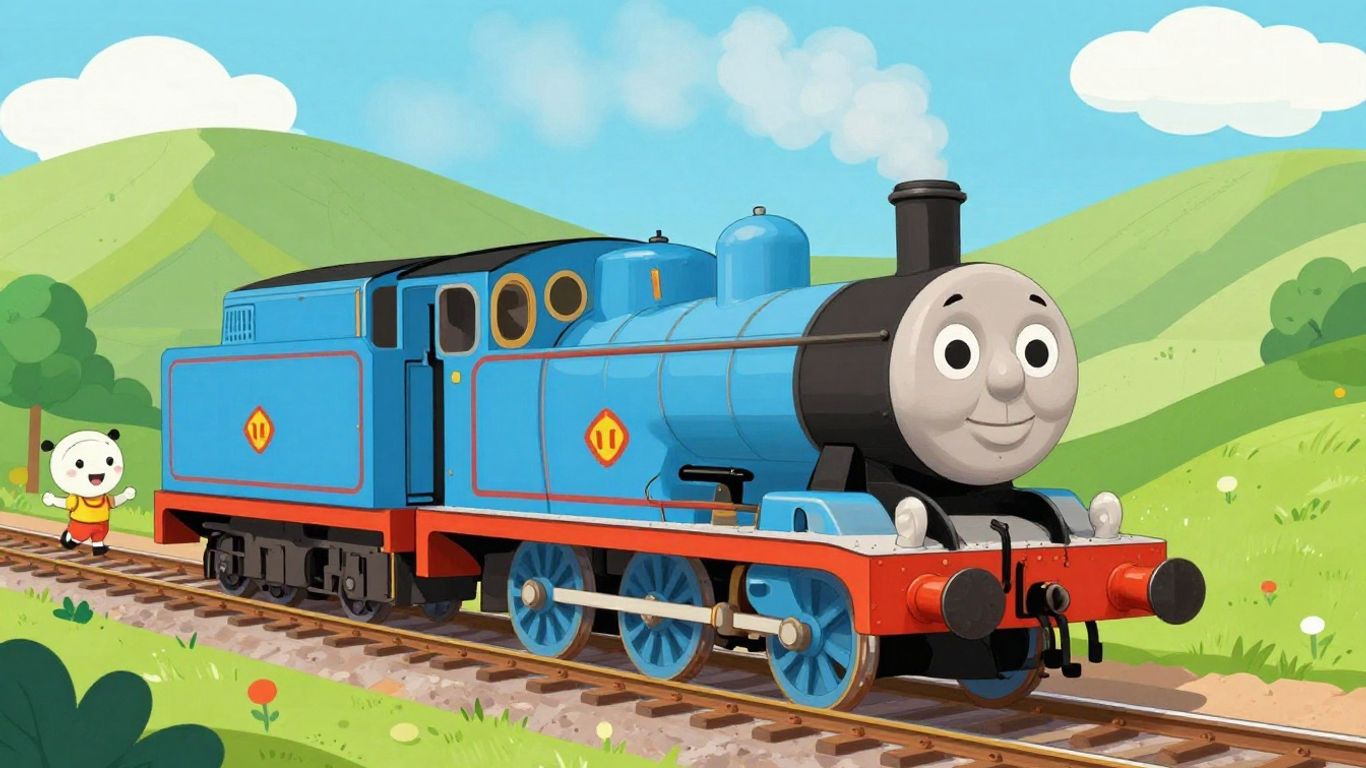
For decades, Thomas & Friends has held a special place in the hearts of children and families worldwide. The show’s ability to connect with young audiences through simple yet meaningful stories about friendship, hard work, and problem-solving has been a constant. It’s not just about trains; it’s about learning life lessons in a gentle, engaging way. This consistent appeal led to the series being recognized in various polls, like ranking 26th on Channel 4’s poll of The 100 Greatest TV Kids’ Shows in 2001 and 34th on Channel 5’s list of the 50 Greatest Kids TV Shows in 2013. These accolades highlight how the show has been a steady presence in children’s television.
The core of Thomas & Friends’ lasting appeal lies in its relatable characters and the timeless themes they explore. Even as animation styles and storytelling techniques evolve, the fundamental messages of cooperation and learning from mistakes remain constant, providing a comforting and educational experience for each new generation.
Reboots and New Generations
As with any long-running franchise, Thomas & Friends has seen its share of reinventions to keep pace with changing times and audience preferences. A notable shift occurred with the "All Engines Go" series, which debuted in 2021. This iteration introduced a 2D animation style and a fresh take on the characters, aiming to capture a contemporary audience. However, this move also sparked discussion among long-time fans. Looking ahead, Mattel announced in early 2026 the upcoming launch of a new television series for autumn 2026. This new series is set to feature a 3D computer animation style that aims to be closer to the original look of the show, alongside a refreshed franchise logo. This move suggests a desire to blend modern animation techniques with the classic aesthetic that many viewers grew up with.
Here’s a look at some key developments:
- Original Series (1984-2021): Established the beloved characters and world of Sodor using model animation, later transitioning to CGI.
- Thomas & Friends: All Engines Go (2021-2025): Introduced a 2D animation style and a separate continuity, aiming for a modern feel.
- Upcoming 3D Series (Autumn 2026): Aims to return to a 3D animation style reminiscent of earlier seasons, with a new logo.
A Cherished Family Tradition
What truly underscores the legacy of Thomas & Friends is its role as a multi-generational family tradition. Many parents who watched the original series are now sharing their favorite engine, Thomas, and his friends with their own children. This continuity creates a shared experience, a common language of stories and characters that bridges generational gaps. The merchandise, from toys to books, has also played a significant part in this, allowing families to bring the world of Sodor into their homes and create their own adventures. The franchise’s ability to adapt while holding onto its core values has cemented its status not just as a television show, but as a cherished part of childhood for millions, continuing to steam ahead into the future.
A Lasting Impression
Looking back, HIT Entertainment’s work with Thomas & Friends really shows how a simple idea can grow into something huge. From its early days as a model train show, it became a global hit, reaching kids everywhere. Even with changes in animation and new stories, the core of what made Thomas special – the characters and their lessons – seems to stick around. It’s clear that the world of Sodor has left a big mark, not just on children’s television, but on many of our childhoods too. The journey from those first model trains to the many different shows and products we see today is quite a story in itself.
Frequently Asked Questions
When did Thomas & Friends first start?
Thomas & Friends first chugged onto screens in the United Kingdom on October 9, 1984. It quickly became a worldwide hit, telling the stories of Thomas the Tank Engine and his pals on the Island of Sodor.
What was HIT Entertainment’s role with Thomas & Friends?
HIT Entertainment took over Thomas & Friends after its seventh season. They had big ideas for the show, changing the way episodes were made and even bringing in new music and voice actors. They also focused a lot on making Thomas toys and other cool stuff.
Did Thomas & Friends always look the same?
No, Thomas & Friends has changed a lot over the years! It started with real model trains, then moved to computer animation in 2009. More recently, there have been new versions like ‘All Engines Go’ with a different cartoon style, and another new series is planned with updated 3D animation.
What kind of things have been made because of Thomas & Friends?
So many things! Besides the TV shows, there are tons of books, music, video games, toys, clothes, and even food. Thomas has become a huge brand, appearing everywhere from toy stores to movie theaters.
Has Thomas & Friends been popular with everyone?
For the most part, yes! It’s been loved by kids and families for decades and has won awards. While some newer changes have gotten mixed reactions, the show has consistently been a major part of children’s television.
What happened to HIT Entertainment?
HIT Entertainment was eventually bought by a company called Apax Partners and later fully joined up with Mattel Creations, the company that makes Barbie and Hot Wheels. So, Thomas is now part of the bigger Mattel family.