We often think of entertainment as just a way to pass the time, something for kids or a guilty pleasure for adults. But honestly, it’s way more than that. The importance of entertainment really goes deep, touching pretty much every part of our lives, from how we grow as people to how we get along with others and even how we do at work. It’s easy to get caught up in the daily grind and forget that fun and games have a real purpose. Let’s unpack why letting loose and having some fun is actually a pretty big deal.
Key Takeaways
- Play isn’t just for kids; it’s vital for adults too, helping us de-stress and connect with ourselves.
- Entertainment provides a safe space to explore different aspects of our personality and meet deeper psychological needs.
- Societal pressure and a focus on productivity can push adults away from play, leading to a less fulfilling life.
- Reclaiming playfulness can strengthen relationships, especially with younger generations, and bring more joy into daily life.
- Engaging with entertainment offers numerous benefits, including improved social skills, better teamwork, and a boost to mental and physical health.
The Enduring Significance of Play in Adulthood
Historical Perspectives on Play
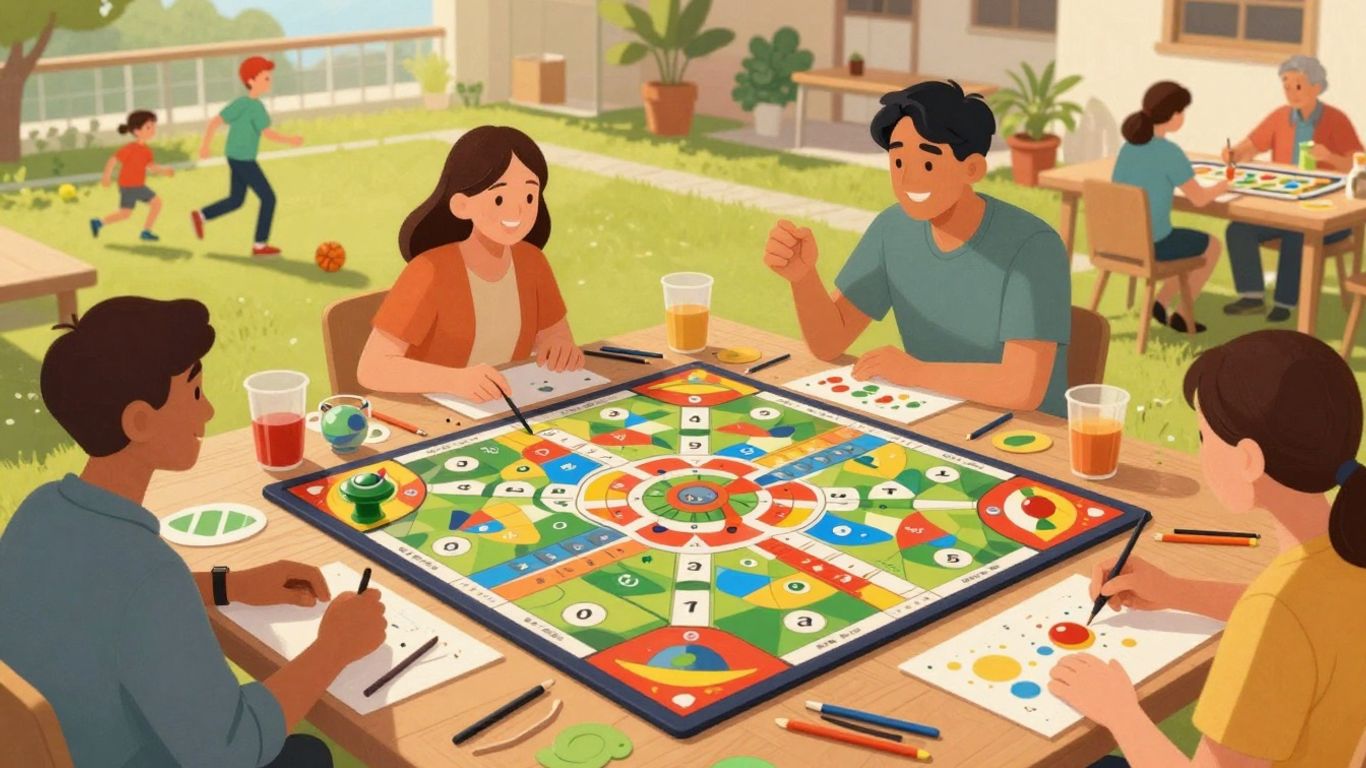
It’s easy to think of play as something just for kids, but looking back, adults have always found time for games. Ancient Egyptians, like Queen Nefertari, played board games. Even ancient Greek heroes like Achilles and Ajax were depicted playing dice. Across the globe, from Tang Dynasty China to the temples of Cambodia and the Aztec empire, adults engaged in various forms of play. These historical examples show that play isn’t a modern invention for grown-ups; it’s a long-standing human activity.
Modern Misconceptions About Adult Play
Today, many people see play as a waste of time, something we should outgrow. We often associate being an adult with being serious and productive, and anything that doesn’t directly contribute to work or responsibilities gets pushed aside. This view can make us feel guilty for wanting to relax and have fun. It’s like we’re told that the only acceptable reasons for adults to play are if they’re professional athletes or parents entertaining their children. This narrow perspective misses the bigger picture of why play matters.
The Intrinsic Value of Play
Play has value all on its own. It’s not just about learning a new skill or winning a prize; it’s about the experience itself. When we play, we’re often motivated by pure enjoyment and curiosity. This intrinsic motivation is key. It allows us to explore, experiment, and connect with ourselves and others without the pressure of external goals. Finding joy in the activity itself is a powerful force for well-being.
Here are some characteristics often found in play:
- Self-chosen and self-directed: We decide what we want to do.
- Intrinsically motivated: We do it because it feels good.
- Guided by rules: There’s a structure, but it’s flexible.
- Imaginative: We can create new worlds or scenarios.
- Active but not stressed: We’re engaged without feeling overwhelmed.
The pressure to be constantly productive can make us forget that activities done purely for enjoyment have their own deep importance. They help us stay balanced and connected to what makes us feel alive.
Entertainment as a Catalyst for Personal Growth
It might seem counterintuitive, but the time we spend on entertainment isn’t just about passing the hours. It’s actually a powerful way we can learn more about ourselves and even develop new skills. Think about it: when we engage with games, stories, or creative activities, we’re often stepping into different shoes or facing challenges we wouldn’t encounter in our daily routines.
Exploring Personality Through Simulated Experiences
Many forms of entertainment allow us to safely test the waters of different behaviors and personalities. In video games, for instance, you can make choices that have consequences, explore moral dilemmas, or even embody characters with traits vastly different from your own. This isn’t about condoning negative actions; it’s about understanding the why and how behind them in a consequence-free environment. You might find yourself strategizing like a general, empathizing with a character’s struggles, or even discovering a hidden knack for leadership within a virtual team.
- Role-playing games let you step into the shoes of a hero, a villain, or anything in between.
- Simulation games can teach you about managing resources, building cities, or even flying planes.
- Interactive stories allow you to make choices that shape the narrative and reveal your own values.
Fulfilling Hierarchical Needs Through Play
When we look at human motivation, Maslow’s Hierarchy of Needs is often brought up. While we typically associate meeting these needs with work and relationships, entertainment can play a surprising role, especially in the higher tiers. Achieving goals in a game, mastering a new skill in a creative pursuit, or being recognized for a clever solution in a puzzle can contribute to our sense of self-esteem. Furthermore, the act of engaging in these activities can tap into our drive for self-actualization – the desire to become the best version of ourselves, to be creative, and to find meaning.
The drive to achieve, to be recognized, and to express our unique selves doesn’t disappear after childhood. Entertainment provides a low-stakes arena where these fundamental human desires can be explored and satisfied.
The Role of Immersion in Escapism and Well-being
One of the most potent aspects of entertainment is its ability to immerse us. When we’re truly absorbed in a book, a movie, or a game, the outside world fades away. This isn’t just a temporary distraction; it’s a form of healthy escapism that can significantly benefit our mental well-being. By stepping out of our everyday worries and into a different reality, we give our minds a chance to rest and recharge. This immersion can help reduce stress, combat feelings of boredom, and even provide a sense of purpose or adventure that might be lacking in our daily lives.
The Societal Pressure Against Adult Play
It seems like once we hit a certain age, the world expects us to put away our toys and focus solely on ‘serious’ matters. This pressure to be constantly productive and responsible can make adults feel guilty or even ashamed for engaging in activities that are purely for enjoyment. We’re often told that play is for children, and that adults should be focused on work, family obligations, and other ‘productive’ pursuits. This mindset can lead to a life that feels more like a chore than a joy.
The Instrumental View of Life
Many societies, particularly in the West, have developed a view of life that is heavily focused on utility and output. Success is often measured by career advancement, financial gain, and tangible achievements. In this framework, activities that don’t directly contribute to these goals, like playing games or pursuing hobbies, can be seen as frivolous or a waste of precious time. This instrumental approach reduces individuals to their productivity, overlooking their need for rest, joy, and personal fulfillment. It’s a perspective that can leave people feeling like cogs in a machine, rather than whole human beings.
This constant emphasis on ‘doing’ rather than ‘being’ can create a deep-seated anxiety about leisure. If we’re not actively working towards a goal, we might feel like we’re falling behind or not living up to our potential, even if that potential is defined by a narrow, societal standard.
Kafka’s Depiction of a Playless Existence
Franz Kafka’s "Metamorphosis" offers a stark literary example of what a life devoid of play and joy can become. The protagonist, Gregor Samsa, is a traveling salesman whose existence is entirely dedicated to his work, supporting his family. His life is purely instrumental; he has superficial connections and no personal fulfillment. Kafka famously described Gregor as turning into a "monstrous vermin," a powerful metaphor for a person who has lost their sense of self and humanity due to a lack of joy and spontaneity. This literary portrayal highlights how an overly utilitarian existence can lead to a profound loss of personhood.
Underlying Reasons for Playless Adulthood
Several factors contribute to why adults often stop playing. One significant reason is the pervasive societal expectation that adulthood equals constant seriousness and responsibility. This is compounded by:
- Stress and Fatigue: Modern life is often demanding, leaving adults drained. Engaging in play requires energy, which can be hard to muster when one is already exhausted from work and daily life.
- Lack of Time: Juggling careers, family, and other commitments leaves little room for leisure. Even simple activities can require significant planning and coordination, especially when coordinating with others.
- Perceived Lack of Peers: As people age, their social circles may shrink or become similarly time-constrained, making it harder to find others available for playful activities.
- Misunderstanding of Play’s Value: Many people simply don’t recognize the importance of play for adult well-being, viewing it as childish or unproductive. This can lead to a self-imposed restriction on engaging in enjoyable, non-goal-oriented activities.
Reclaiming Playfulness in Daily Life
It’s easy to get caught up in the daily grind, where responsibilities pile up and the idea of ‘play’ feels like a distant memory from childhood. But reclaiming that sense of playfulness isn’t just about nostalgia; it’s about actively bringing more joy, creativity, and connection into our adult lives. It requires a conscious effort to push back against the pressures that tell us to be serious all the time.
The Benefits of Engaging with Younger Generations
Spending time with children can be a powerful way to reconnect with our own sense of play. Kids approach the world with a natural curiosity and a willingness to experiment that adults often lose. By joining in their games, whether it’s building a fort, playing pretend, or simply engaging in a silly dance, we can rediscover simple pleasures and learn to be more present.
- Observe their uninhibited approach: Children often don’t worry about looking foolish or failing. This can be a great lesson for adults.
- Encourage imaginative scenarios: Ask ‘what if’ questions and go along with their wildest ideas.
- Participate actively: Don’t just watch; get involved in the game. Your enthusiasm is contagious.
Strengthening Familial and Social Bonds
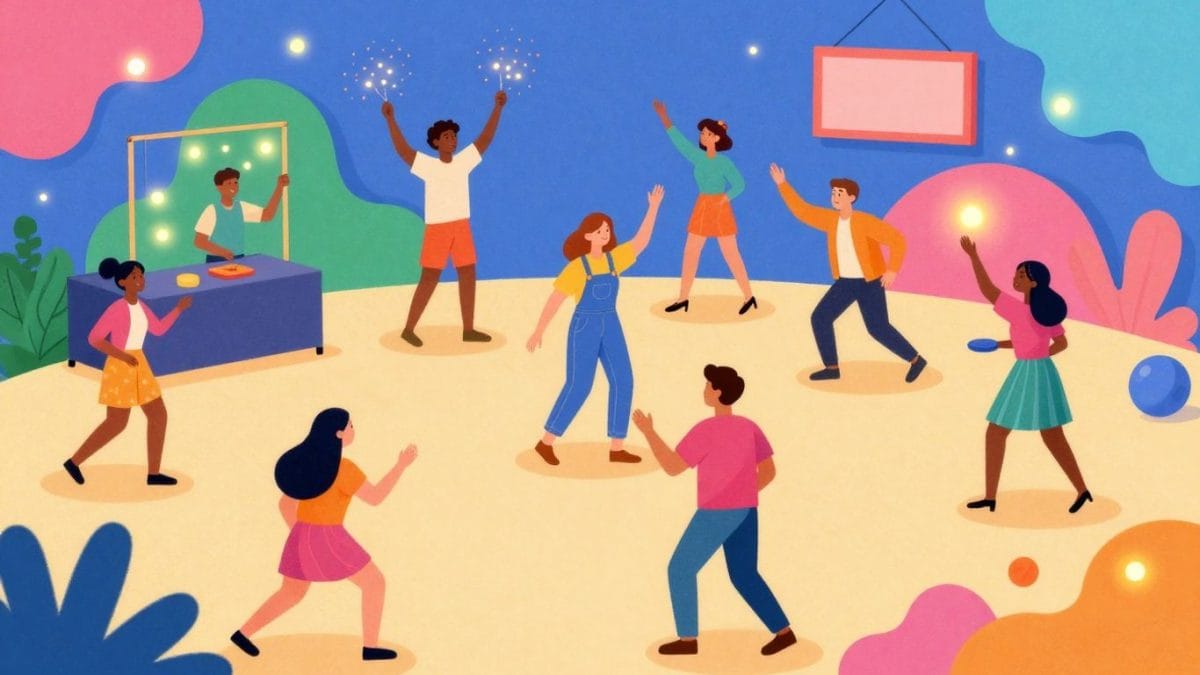
Play isn’t just a solitary activity; it’s a fantastic way to build and reinforce relationships. Shared playful experiences create positive memories and a sense of camaraderie. Whether it’s a board game night with friends, a family outing to an amusement park, or even just a spontaneous tickle fight, these moments of lighthearted interaction can significantly deepen connections.
When we engage in play with others, we signal trust and openness. It breaks down barriers and allows for more authentic interactions, making relationships stronger and more resilient.
The Joy of Being the ‘Fun Adult’
There’s a unique satisfaction in being the person who brings levity and enjoyment to a group. This doesn’t mean being a clown, but rather someone who is comfortable being a little silly, who can initiate lighthearted activities, and who doesn’t take themselves too seriously. This attitude can be infectious, making social gatherings more enjoyable for everyone.
Being the ‘fun adult’ often means being the one who remembers to bring the games, suggests a spontaneous outing, or simply has a good joke ready. It’s about creating an atmosphere where others feel comfortable letting loose and enjoying themselves too.
The Multifaceted Benefits of Entertainment
Entertainment is often seen as a simple way to pass the time, but its impact goes much deeper. It’s not just about having a good laugh or a distraction; it actively shapes how we interact with others and even how we see ourselves. Think about it: when you’re engrossed in a game or a story, you’re not just passively consuming it. You’re often making choices, reacting to situations, and engaging with characters or other players. This active participation is where the real benefits start to show.
Enhancing Social Skills and Emotional Intelligence
When we engage with entertainment, especially in group settings, we’re constantly practicing social cues. Whether it’s a board game night, a multiplayer video game, or even discussing a popular show, these activities require us to communicate, cooperate, and sometimes, to compromise. We learn to read the room, understand different perspectives, and manage our own reactions. This kind of practice is invaluable for building stronger relationships and becoming more empathetic individuals. It’s a low-stakes environment to try out different social approaches and see what works.
- Recognizing and responding to others’ emotions: Through character interactions or observing fellow players, we get better at understanding feelings.
- Developing cooperation: Many games require teamwork to succeed, teaching us to work together towards a common goal.
- Improving communication: Explaining strategies, sharing ideas, or even just chatting during a game sharpens our ability to express ourselves clearly.
Developing Healthy Competition and Teamwork
Entertainment provides a unique arena for learning about competition and collaboration. In competitive games, we learn to strive for goals, handle wins with grace, and more importantly, learn from losses. This isn’t just about winning; it’s about the process of trying, adapting, and improving. When teamwork is involved, we learn to rely on others, contribute our strengths, and support our teammates. These are skills that translate directly into our personal and professional lives, making us more effective collaborators and resilient individuals. It’s a safe space to test our limits and learn how to work with others, much like how new technologies like AI are changing how we collaborate.
Fostering Communication and Connection
At its core, entertainment is a social lubricant. Shared experiences, whether it’s laughing at a comedy, cheering for a sports team, or puzzling over a mystery together, create bonds. These shared moments give us common ground and provide easy conversation starters. They satisfy our innate need to connect with others, reducing feelings of isolation and building a sense of community. It’s through these shared activities that friendships are often forged and existing relationships are strengthened.
Entertainment offers a vital escape from the pressures of daily life, allowing us to recharge and return to our responsibilities with renewed energy and perspective. It’s a necessary component of a balanced life, not a frivolous indulgence.
These activities, from playing games to enjoying performances, are more than just pastimes. They are active training grounds for social interaction, emotional understanding, and personal resilience. By engaging with entertainment, we are, in essence, investing in our own well-being and our ability to connect with the world around us.
Entertainment’s Impact on Professional Life
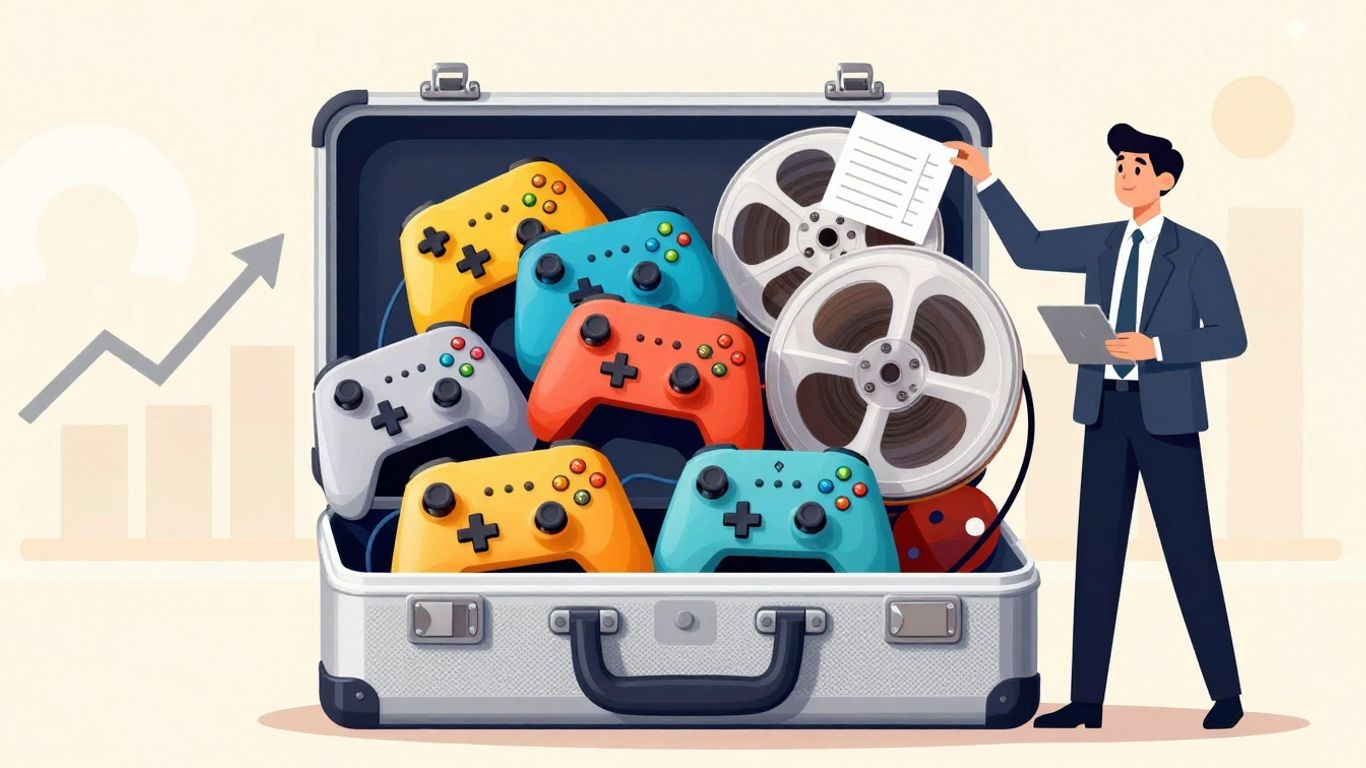
It might seem counterintuitive, but taking time for entertainment and play can actually boost your performance at work. Many successful people in business point to their experiences with games and playful activities as shaping their professional skills. It’s not just about having fun; it’s about developing abilities that are directly applicable to the workplace.
Cultivating Quick Thinking in Stressful Situations
When you’re playing a game, especially one that’s fast-paced or requires strategy, you’re constantly making decisions under pressure. Think about a quick round of a strategy board game or an intense video game. You have to assess the situation, consider your options, and act fast, often with incomplete information. This kind of practice translates directly to handling unexpected challenges or high-stakes moments at work. You learn to stay calm and make sound judgments even when things get hectic.
Nurturing Teamwork and Collaboration
Many forms of entertainment, from team sports to cooperative video games or even escape rooms, require people to work together towards a common goal. You learn to communicate effectively, understand different roles, and rely on others. This builds a sense of camaraderie and teaches you how to collaborate efficiently. These collaborative experiences are invaluable for building strong, productive teams in any professional setting.
Encouraging Innovative Problem-Solving
Play often involves thinking outside the box and trying new approaches. Games can present unique problems that don’t have a single right answer. This encourages creativity and experimentation. When you’re used to approaching challenges with a playful mindset, you’re more likely to come up with novel solutions to complex work-related issues. It’s about seeing possibilities where others might see roadblocks.
Engaging in activities that require strategic thinking and quick responses can significantly improve one’s ability to handle workplace pressures. The skills honed in these recreational pursuits often manifest as greater adaptability and resourcefulness when facing professional challenges.
The Importance of Entertainment for Mental and Physical Health
Stress Reduction and Relaxation Techniques
Life can get pretty hectic, right? Between work, family, and just the general chaos of daily living, it’s easy to feel overwhelmed. Entertainment offers a much-needed escape hatch. Think about getting lost in a good book, watching a funny movie, or listening to your favorite music. These activities aren’t just time-fillers; they actively help lower stress hormones like cortisol. Engaging with entertainment can be a powerful tool for unwinding and finding a moment of peace. It’s like hitting a reset button for your brain, allowing you to step away from worries and recharge.
Sometimes, the simplest forms of entertainment provide the most profound relief. A quiet evening with a puzzle or a casual game with friends can do wonders for a stressed mind.
Physical Activity Through Interactive Entertainment
It’s a common misconception that all entertainment means sitting still. While that’s true for some forms, many modern entertainment options actually get you moving. Video games, for instance, have evolved far beyond the joystick. Think about motion-controlled games that get you dancing, boxing, or even playing virtual sports. These can be a fun way to sneak in some exercise without feeling like you’re doing a chore. Even something like a brisk walk to a park to play frisbee with friends counts as entertainment that benefits your body.
Here are a few ways interactive entertainment can get you active:
- Active Video Games: Games that require physical movement, like dancing or sports simulations.
- Augmented Reality (AR) Games: Games that blend the digital world with your physical surroundings, often encouraging exploration.
- Outdoor Games: Activities like frisbee, volleyball, or even a simple game of tag.
Combating Boredom and Existential Dread
Boredom is more than just feeling a bit restless; it can sometimes lead to a deeper sense of unease or existential dread. When we lack stimulation or a sense of purpose, our minds can wander into less productive territory. Entertainment provides that much-needed stimulation. It gives us something to focus on, something to look forward to, and a way to connect with interests and passions. Whether it’s learning a new skill through an online course, engaging in a creative hobby, or simply exploring new stories, entertainment keeps our minds active and engaged, pushing back against feelings of emptiness.
More Than Just a Pastime
So, as we’ve seen, entertainment is far from just a way to pass the time. It touches on so many parts of our lives, from how we handle stress and connect with others to how we learn and even how we approach our work. Whether it’s a board game with friends, a video game online, or even just a good book, these activities help us explore different sides of ourselves and find a bit of balance in our busy lives. It’s about more than just fun; it’s about staying well-rounded and engaged with the world around us. So next time you’re thinking about playing a game or enjoying some downtime, remember it’s a pretty important part of being human.
Frequently Asked Questions
Why do adults stop playing games as they get older?
Many adults stop playing because they think it’s just for kids. Society sometimes makes us feel like we should always be serious and focused on work. We might also worry about what others think if they see us having fun. It’s like we forget that playing is important for everyone, not just children.
Can playing games help me grow as a person?
Absolutely! Games let you try out different roles and make choices you wouldn’t normally make in real life. This can help you understand yourself better. Also, games often give you challenges to overcome, which can boost your confidence and help you feel like you’re achieving something important.
How does playing games affect my social life?
Playing games, especially with others, is a great way to connect with people. It helps you learn how to work together, talk things out, and understand how others are feeling. Whether it’s a board game with family or an online game with friends, it builds stronger relationships.
Is there any benefit to playing games for my job?
Surprisingly, yes! Playing games can help you think faster when things get tough at work. It also teaches you how to be a good team player and come up with new ideas to solve problems. Many successful people say that playing games helped them develop these important skills.
How can playing games help with stress and health?
Games can be a fantastic way to relax and forget about your worries for a while. Some games even get you moving, which is good for your body. By keeping your mind active and giving you a break from daily stress, playing can really improve your overall well-being.
What’s the difference between playing for fun and playing to learn?
Playing just for fun means you’re doing it because it feels good and you enjoy it, with no other goal. Playing to learn means you’re trying to gain a skill or knowledge from the activity. While learning can be a side effect, the real value of play comes from the pure enjoyment and relaxation it brings.