
Ever wondered what your emotions reveal about you? Inside Out Characters explores Joy, Sadness, Anger, Fear, and Disgust, providing unexpected insights into our emotional lives. Discover what each character can teach us about self-awareness and emotional intelligence.
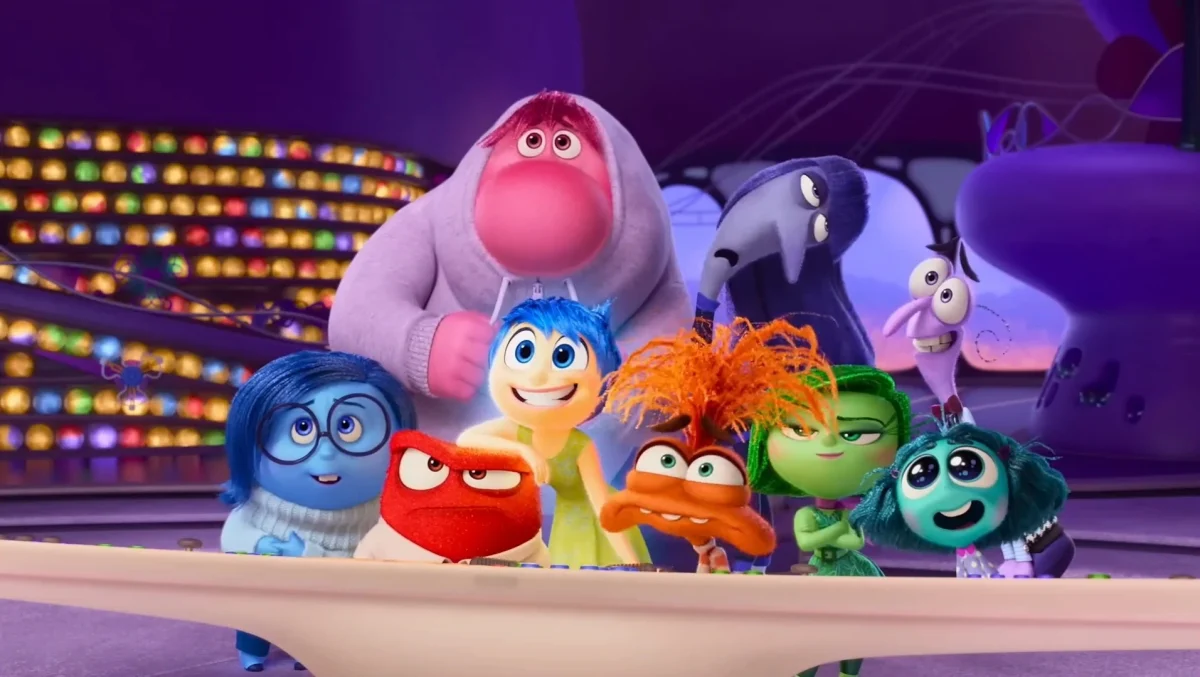
Pixar’s Inside Out (2015) takes us on a journey inside the mind of an 11-year-old girl, Riley, as she navigates the complex emotional shifts of growing up. At its core, Inside Out is about emotions, how they govern our decisions, shape our experiences, and ultimately make us human. By introducing us to five primary emotions – Joy, Sadness, Anger, Fear, and Disgust—the film cleverly personifies the internal emotional landscape in a way that resonates with audiences of all ages.
But beyond its surface-level fun, Inside Out characters has a deeper message about emotional intelligence and self-awareness. Each character offers profound insights into how we can better understand our emotions and, by extension, ourselves. Let’s dive into these characters and what each emotion teaches us about the human experience.
1. Joy

Joy, voiced by Amy Poehler, is the first emotion we meet in Inside Out. She represents positivity. Her mission is clear: to keep Riley happy, regardless of the situation. In the emotional world, Joy takes the lead. She is always ready to bring a smile to Riley’s face, no matter how tough things get.
What Joy teaches us:
- Optimism is important, but balance is key: Joy’s constant pursuit of happiness shows us that positivity can be strong. However, Inside Out characters also reminds us that happiness isn’t the only valid emotion. Joy’s journey reveals that, while being optimistic is important, it’s just as vital to accept other emotions like sadness to fully experience life.
- Acknowledge the present: We often get so focused on chasing future happiness that we forget to appreciate the present. Joy teaches us to celebrate the small moments of joy in our daily lives and to embrace them fully.
2. Sadness

Sadness, voiced by Phyllis Smith, is often seen as a contrasting emotion to Joy. At first, Sadness appears to be a nuisance and something to avoid. However, as the story unfolds, it becomes clear that Sadness is a vital part of Riley’s emotional makeup.
What Sadness teaches us:
- Embracing vulnerability leads to healing: Sadness may seem counterintuitive, but Inside Out characters shows that feeling sorrow and grief is necessary for personal growth. Sadness helps Riley process the loss of her old life when her family moves to a new city. This emotional understanding enables Riley to move forward, as she truly grasps her feelings.
- Grief and connection: Sadness also teaches us that experiencing negative emotions doesn’t isolate us; it connects us to others. In the film, Riley’s parents reach out to her with empathy when they see her struggle. This shared vulnerability helps Riley heal, showing us that expressing sadness invites support and strengthens relationships.
3. Anger

Anger, voiced by Lewis Black, is a strong and intense emotion. People often feel it when things seem unfair, unjust, or frustrating. In Inside Out, Anger’s job is to protect Riley by making sure her boundaries are respected. While he may appear to be the most destructive of the emotions, his role is important.
What Anger teaches us:
- Channeling anger into action: Anger teaches us that feeling upset isn’t always a bad thing. Instead of pushing anger down, we can use it in a positive way. In Riley’s case, Anger helps her stand up for herself when things go wrong, whether she is facing the unfairness of moving away or feeling overlooked. When handled well, anger can spark change.
- Setting boundaries and standing firm: One of the main lessons Anger teaches is that it’s okay to be firm in your beliefs and assert your boundaries. Anger reminds us that speaking up for what we believe is a crucial part of maintaining personal integrity. However, it’s also crucial to express anger in a way that doesn’t hurt others.
4. Fear
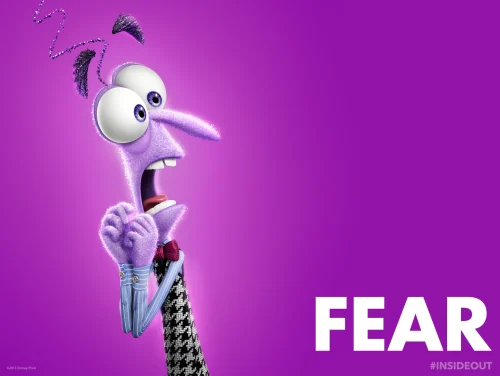
Fear, voiced by Bill Hader, is perhaps the most cautious of all the emotions. Fear is always worried about what might go wrong. His main job is to protect Riley from harm by alerting her to potential danger, and he takes this role seriously.
What Fear teaches us:
- Fear is a natural response to uncertainty: Fear shows us that it’s normal to be scared of the unknown. His reactions, though sometimes exaggerated, remind us that fear is a natural part of stepping out of our comfort zones. Fear often stops us from making risky decisions without thinking through the possible outcomes.
- Embrace caution, but don’t let fear rule you: Fear plays an important role in keeping us safe, but Inside Out characters shows us that we must not let fear paralyze us. It’s important to acknowledge fear but also to recognize when it’s holding us back. Overcoming our fears, step by step, is a vital part of personal growth.
5. Disgust

Disgust, voiced by Mindy Kaling, may seem like the simplest of emotions, but her role is essential. Disgust helps Riley avoid harmful or unpleasant things, whether it’s food she doesn’t like or people who make her uncomfortable.
What Disgust teaches us:
- Protecting your well-being: Disgust teaches us to trust our instincts when we need to avoid things that feel wrong or harmful. Whether it’s a toxic relationship or a bad habit, Disgust warns us when something is off.
- Self-respect and boundaries: Just as Disgust helps Riley steer clear of unappetizing foods, she reminds us to set healthy boundaries. By embracing Disgust’s perspective, we learn to respect our needs and not settle for less than we deserve.
Final thoughts
In the end, Inside Out characters is not just a film about an 11-year-old girl facing a big move. It’s a story about how we, as humans, handle the complexities of emotions. By giving each of Riley’s emotions a distinct personality, Pixar shows us an important lesson in emotional intelligence. It reminds us that every emotion plays a part in shaping who we are.
So, the next time you feel overwhelmed by strong feelings, remember Inside Out’s lesson: emotions are not enemies. They are guides. By listening to them, we can learn to navigate the shifting landscape of our inner world with grace, understanding, and wisdom.