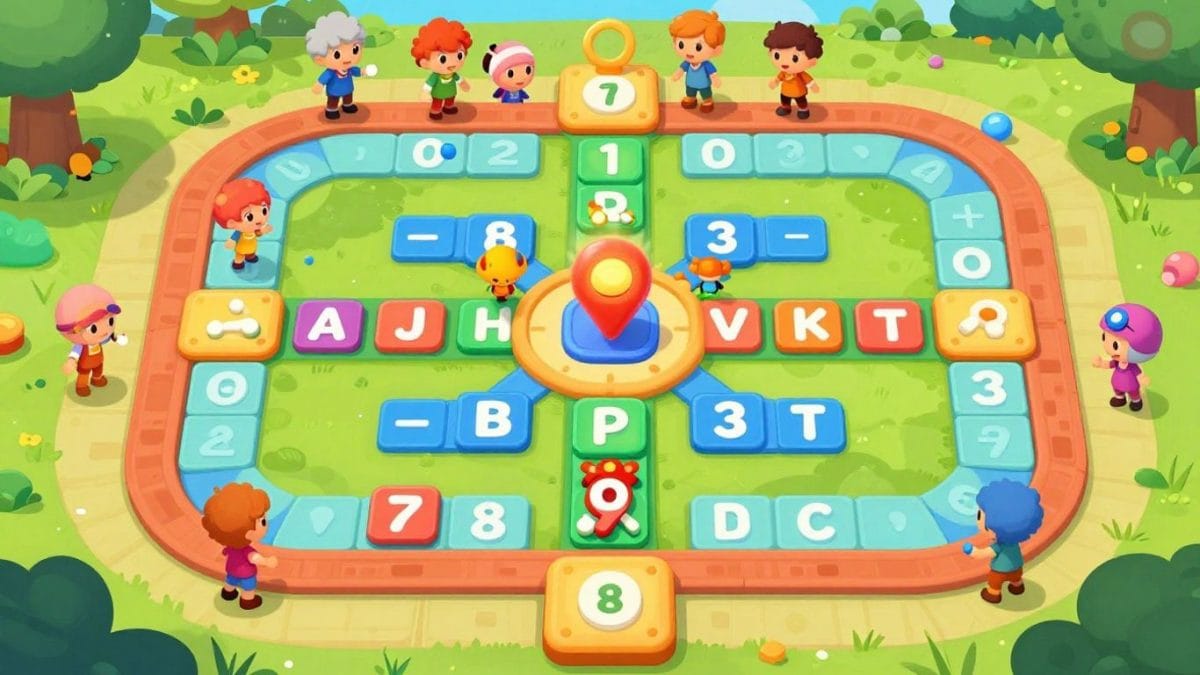
Looking for a way to make learning the alphabet fun for your little ones? The ‘a to z game online’ is a fantastic option. It’s not just about memorizing letters; it’s about playing games that actually help kids learn. These online games offer a whole world of activities, from tracing letters to matching them up. It’s a great way for kids to get a head start on reading and writing, all while having a good time. Think of it as screen time that actually teaches something useful, without feeling like a chore.
Key Takeaways
- The ‘a to z game online’ provides a playful approach for young children to learn the alphabet.
- Interactive games help build early reading and writing skills through engaging activities.
- These online resources make learning letters, sounds, and writing forms enjoyable.
- Playing these games can improve cognitive skills and prepare children for school.
- Diverse game options cater to different learning styles and can even include multiple languages.
Discover the ‘A to Z Game Online’ for Early Learners
Getting young children ready for school can feel like a big task, but it doesn’t have to be complicated. The ‘A to Z Game Online’ is a fantastic way to introduce little ones to the alphabet in a way that feels more like play than work. These games are designed specifically for preschoolers and kindergarteners, focusing on making the first steps of learning letters fun and memorable.
Engaging Alphabet Games for Preschoolers
Preschoolers learn best when they’re having a good time. Online alphabet games tap into this by using bright colors, cheerful sounds, and interactive challenges. Instead of just looking at flashcards, kids can actively participate. They might match uppercase and lowercase letters, trace shapes to form letters, or even pop bubbles containing specific letters. This active involvement helps keep their attention and makes the learning process much more effective.
Interactive Learning Through Play
Play is a child’s natural way of exploring the world, and these games build on that. They turn potentially dry subjects, like letter recognition, into exciting adventures. For example, a game might ask a child to find all the ‘A’s hidden in a picture or to trace the curves and lines needed to draw a ‘B’. This hands-on approach helps children understand letter shapes and sounds without feeling like they’re being tested. It’s all about discovery and building confidence with each successful interaction.
Building Foundational Reading and Writing Skills
These games are more than just fun; they lay the groundwork for future academic success. By consistently practicing letter identification and formation, children start to build the skills needed for reading and writing. They learn to associate letters with their sounds, a key step in decoding words. Similarly, tracing and drawing letters helps develop the fine motor skills necessary for handwriting. Starting with these interactive tools early can make a significant difference in a child’s readiness for formal schooling.
The digital world offers a unique playground for learning. When designed well, online games can provide personalized experiences that adapt to a child’s pace, offering gentle encouragement and celebrating small victories. This approach helps build a positive association with learning right from the start.
Mastering Letters with Online Games
Online games provide a dynamic way for young learners to get a solid grip on their letters. These digital tools go beyond simple memorization, offering interactive experiences that cater to different learning paces and styles. The goal is to make the process of learning letters feel less like a chore and more like an exciting adventure.
Learning Uppercase and Lowercase Letters
Many online games focus on the distinction between uppercase (capital) and lowercase letters. Children can engage in activities where they match pairs of letters, like ‘A’ and ‘a’, or sort them into the correct categories. This repetition in a fun context helps solidify their understanding of letter forms and their variations. Some games even use visual cues, like making uppercase letters appear larger or bolder, to help children differentiate them.
Tracing and Writing Letter Forms
Before children can write letters independently, they need to practice forming them. Online tracing games are excellent for this. They often provide guided paths for children to follow with their finger or a stylus, showing them the correct strokes and direction. These games can be designed for specific letters, focusing on the unique shapes and lines that make them up, such as the straight lines in ‘I’ or the curves in ‘S’.
Letter Recognition and Sound Association
Beyond just recognizing the shape of a letter, it’s important for children to connect it with its sound. Many ‘A to Z’ games online incorporate this by having children identify letters that make a specific sound, or by presenting a letter and then playing its corresponding sound. This dual approach helps build the foundation for phonics and early reading skills. For instance, a game might show the letter ‘B’ and then play the "buh" sound, asking the child to confirm the match.
These interactive games are designed to build confidence. When a child successfully identifies a letter or traces it correctly, they often receive positive feedback, like cheerful sounds or animations. This immediate reinforcement encourages them to keep trying and learning.
Here’s a look at how different games approach these skills:
- Matching Games: Pairing uppercase with lowercase letters (e.g., ‘G’ with ‘g’).
- Sorting Games: Placing letters into ‘uppercase’ and ‘lowercase’ bins.
- Tracing Activities: Following dotted lines to draw letters, with feedback on accuracy.
- Sound Association: Clicking on a letter to hear its sound or matching letters to pictures of objects that start with that sound.
Enhancing Literacy Through Playful Activities
Reading Games for Letter Identification
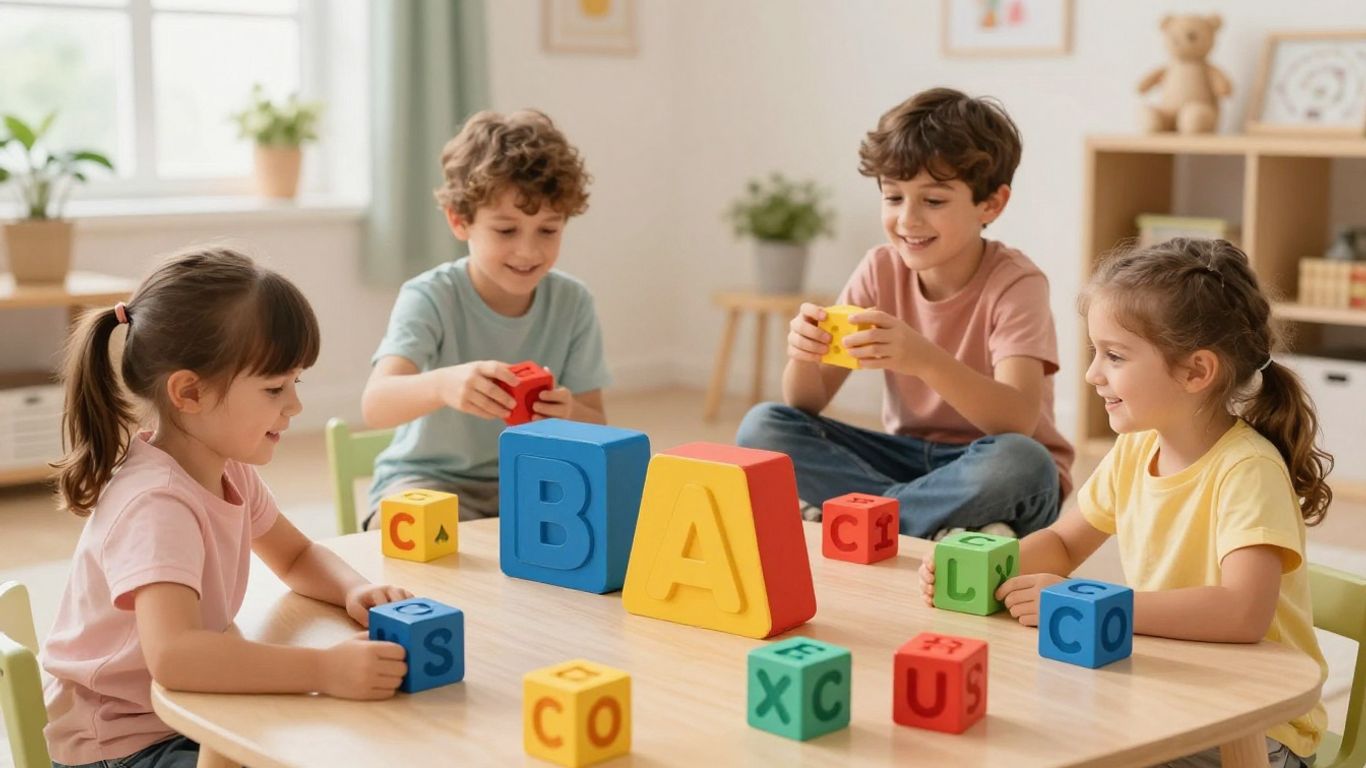
Online games make learning letters a real adventure for young children. Instead of just looking at flashcards, kids can actively participate in matching uppercase and lowercase letters, like finding pairs of ‘a’s. These activities help them recognize letters quickly and build a solid base for reading. It’s all about making that first step into reading feel like a game, not a chore. These interactive sessions turn passive observation into active engagement.
Writing Games for Fine Motor Skill Development
Getting ready to write involves more than just knowing letters; it’s about developing the physical skills to form them. Tracing games are fantastic for this. Children can practice drawing lines and curves, which are the building blocks of letters. Games that focus on tracing big letters with specific line types, like sleeping and slanting lines for ‘A’, ‘V’, ‘W’, ‘X’, ‘Y’, and ‘Z’, help little hands get stronger and more coordinated. This practice is key for when they start forming letters on their own.
Vocabulary Expansion Through Interactive Play
Beyond just recognizing letters, online games can introduce children to new words and concepts. Some games focus on specific word families, like the ‘-ar’ sound, helping kids not only read the words but also understand their meaning. This kind of playful exploration introduces new vocabulary in a context that makes sense, making it easier for children to remember and use new words. It’s a fun way to broaden their language skills.
Play is not just a way to pass the time; it’s a vital part of how children learn and grow. Through games, they develop skills that will help them throughout their lives, from reading and writing to problem-solving and creativity. The digital world offers many new ways to make this play both fun and educational.
These types of activities are great for developing different skills:
- Letter Recognition: Games that require matching or identifying specific letters.
- Phonics Skills: Activities that connect letters to their sounds.
- Early Writing Practice: Tracing and drawing games that build hand-eye coordination.
- Vocabulary Building: Games that introduce new words and their meanings.
Using tools like educational technology can make these learning moments even more dynamic and effective for young learners.
The Educational Benefits of the ‘A to Z Game Online’
Playing the ‘A to Z Game Online’ does more than just pass the time; it actively helps young minds grow. These games are designed to build important skills that kids will use for years to come. It’s a fun way to get a head start on learning.
Cognitive Skill Development
These games really get kids thinking. They have to remember letter shapes, sounds, and how they fit together. This kind of mental workout helps with memory and problem-solving. When kids match letters or identify them in words, they’re practicing focus and attention. It’s like a gym for their brains, making them sharper and more ready to learn new things.
Preparation for Formal Schooling
Starting school can be a big step, but games like these make it much smoother. Kids who play alphabet games often already know their letters and sounds when they enter kindergarten. This means they can jump right into reading and writing activities without feeling left behind. It builds confidence and makes the whole school experience more positive.
Fostering a Love for Learning
When learning feels like playing, kids are more likely to enjoy it. The ‘A to Z Game Online’ uses bright colors, fun sounds, and interactive challenges to keep children interested. This positive association with learning can last a lifetime. Instead of seeing schoolwork as a chore, they might see it as an exciting adventure.
The interactive nature of these games means children are actively involved in their learning process. They aren’t just passively receiving information; they are making choices, solving puzzles, and seeing the results of their actions. This hands-on approach makes the learning stick.
Here’s a look at some of the skills being developed:
- Memory: Recalling letter names, shapes, and sounds.
- Problem-Solving: Figuring out letter patterns or matching games.
- Attention: Focusing on the game to complete tasks.
- Fine Motor Skills: Practicing tracing or clicking on letters.
- Auditory Processing: Listening to letter sounds and words.
Exploring Diverse Alphabet Learning Experiences
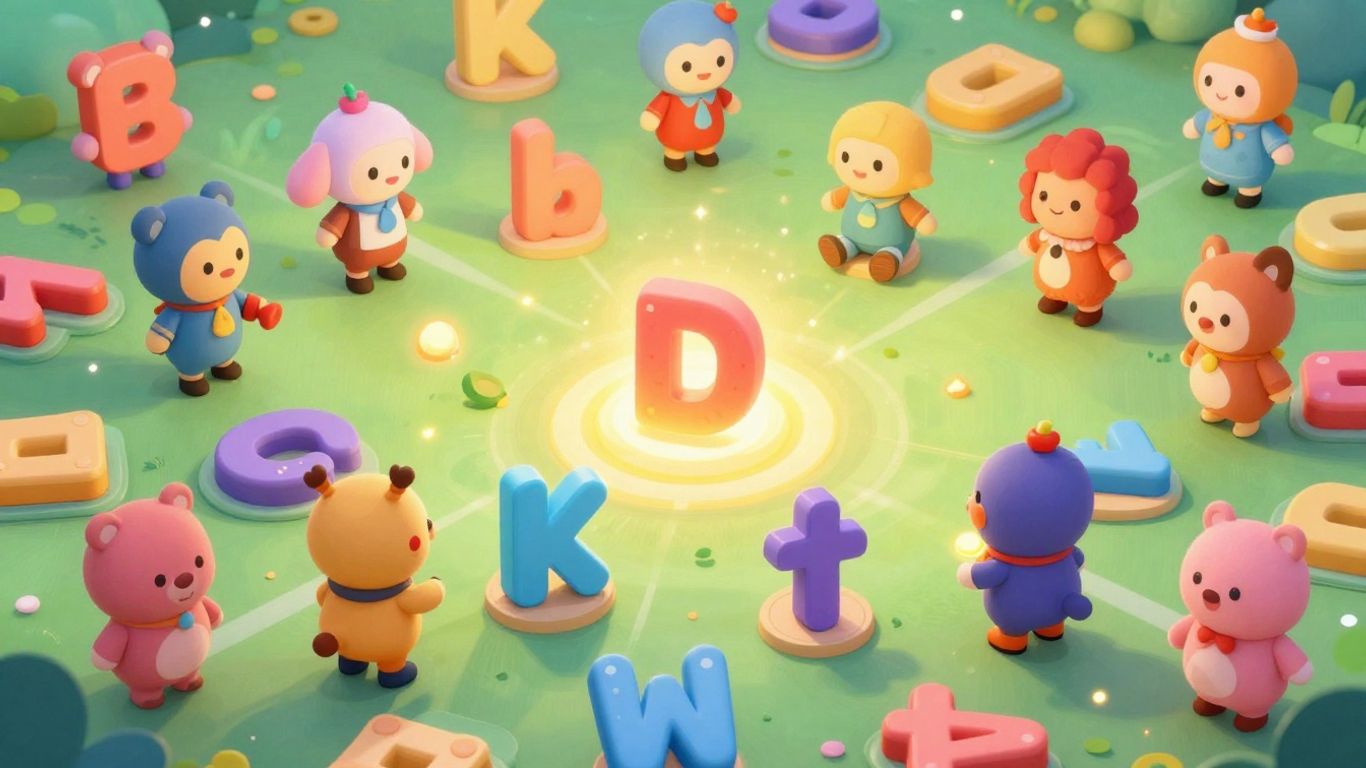
Not all kids learn the same way, and that’s perfectly fine. The ‘A to Z Game Online’ understands this, offering a variety of ways to explore letters. This means there’s something for every child, no matter their learning style or how they best connect with new information.
Games Focused on Specific Letters
Sometimes, focusing on one letter at a time can be really helpful. Instead of trying to learn all 26 at once, these games zero in on individual letters. You might find games that help a child recognize the letter ‘A’, learn its sound, and even find words that start with it. This targeted approach can make learning feel less overwhelming and more achievable, building confidence with each letter mastered.
Activities for Different Learning Styles
Think about how your child learns best. Do they love seeing things? Hearing them? Or maybe they learn by doing? Online alphabet games cater to these different preferences. Some games use bright visuals and animations, perfect for visual learners. Others rely on clear audio, with characters or narrators saying letter sounds and names, which is great for auditory learners. And then there are the interactive games where kids have to click, drag, or trace letters – these are fantastic for kinesthetic learners who need to be physically involved.
The key is variety. When learning materials match a child’s natural way of taking in information, they tend to stay more interested and absorb more. It’s like giving them the right tool for the job.
Multi-Language Alphabet Exploration
For families interested in more than one language, the ‘A to Z Game Online’ can be a gateway. Many platforms allow you to switch between different languages. Imagine your child learning the English alphabet one day and then exploring the Spanish alphabet, or even the Cyrillic alphabet, the next. This not only broadens their linguistic horizons but also helps them see how different cultures represent sounds and words, which is a pretty neat skill to develop early on.
Interactive Features of Online Alphabet Games
Visual and Auditory Learning Aids
Online alphabet games really shine when they bring letters to life. Many games use bright colors and fun animations to keep young learners interested. You’ll often find characters that guide children through the lessons, making it feel more like playing with a friend than doing homework. Plus, hearing the letters and words spoken aloud helps kids connect the visual form of a letter with its sound. This combination of seeing and hearing is a powerful way for children to start recognizing and remembering letters.
Progress Tracking and Unlocking Content
One of the great things about these games is how they show kids their progress. Usually, there’s a way to see which letters or activities have been completed. Often, completing tasks leads to unlocking new levels or new letters. This gives children a sense of accomplishment and motivates them to keep going. It’s like a little reward system built right into the game. Some games might even let parents see how their child is doing, which can be helpful for understanding where a child might need a little extra practice.
Safe and Engaging Play Environments
Parents often worry about what their children are exposed to online. Good alphabet games are designed with safety in mind. They typically don’t have ads that lead to other sites, and they keep the content focused on learning. The goal is to create a space where kids can play and learn without distractions or risks. The games aim to be fun enough that children want to play them, making learning feel less like a chore and more like an adventure. This keeps them coming back for more alphabet fun.
- Engaging Graphics: Bright, colorful visuals capture attention.
- Clear Narration: Spoken pronunciations aid sound association.
- Reward Systems: Unlocking new content provides motivation.
- Kid-Friendly Interface: Easy-to-use controls for little hands.
The best online alphabet games make learning feel natural. They blend educational goals with the kind of fun and interaction that kids naturally enjoy, making the process of mastering letters both effective and enjoyable.
A World of Learning Awaits
So, the ‘A to Z Game Online’ really is a neat place for kids to learn. It’s got games and activities that make learning letters, reading, and even writing feel more like playing. You can find things for different ages and subjects, which is pretty handy. It seems like a good way for children to get a head start on their schoolwork without it feeling like a chore. It’s all about making education fun and accessible, which is a win-win for everyone involved.
Frequently Asked Questions
What is the ‘A to Z Game Online’?
The ‘A to Z Game Online’ is a collection of fun and interactive games designed to help young children learn their letters, sounds, and basic reading and writing skills. It makes learning feel like playing, which is great for keeping kids interested and engaged.
Who is this game for?
This game is primarily for early learners, like preschoolers and kindergarteners, who are just starting to explore the alphabet. It’s also a fantastic tool for parents and educators looking for engaging ways to teach foundational literacy skills.
How does it help kids learn?
It helps kids learn through play! They can practice recognizing letters, matching uppercase and lowercase letters, tracing letter shapes, and associating letters with their sounds. These activities build important skills for reading and writing.
Are there different types of games available?
Yes, there are many different kinds of games. Some focus on specific letters, while others help with letter recognition, writing practice, or even building vocabulary. There are also games designed for different ways kids learn best.
What are the benefits of playing these games?
Playing these games helps kids develop their thinking skills, improves their ability to focus, and gets them ready for school. Most importantly, it makes learning fun, which can help them develop a lifelong love for learning and reading.
Is the online environment safe for children?
Absolutely. These online games are typically designed with safety in mind. They often include visual and sound aids to help learning, track progress, and provide a secure space for children to explore and learn without distractions.