
Alright, so 2016 was a pretty wild year for video games, wasn’t it? It feels like just yesterday we were all glued to our screens, exploring new worlds and getting our butts kicked in epic battles. If you’re looking to revisit some of the best games in 2016 or just curious about what made the cut, you’ve come to the right place. We’ve put together a list of titles that really stood out and are still worth checking out. Let’s get into it!
Key Takeaways
- Overwatch brought a fresh take to the shooter genre with its colorful characters and team-based action.
- Uncharted 4 delivered a cinematic adventure with a gripping story and stunning visuals.
- Doom revitalized the classic franchise with fast-paced, brutal combat.
- Inside offered a dark, atmospheric puzzle-platformer experience that left a lasting impression.
- Titanfall 2 surprised many with its engaging single-player campaign and fluid multiplayer.
1. Overwatch
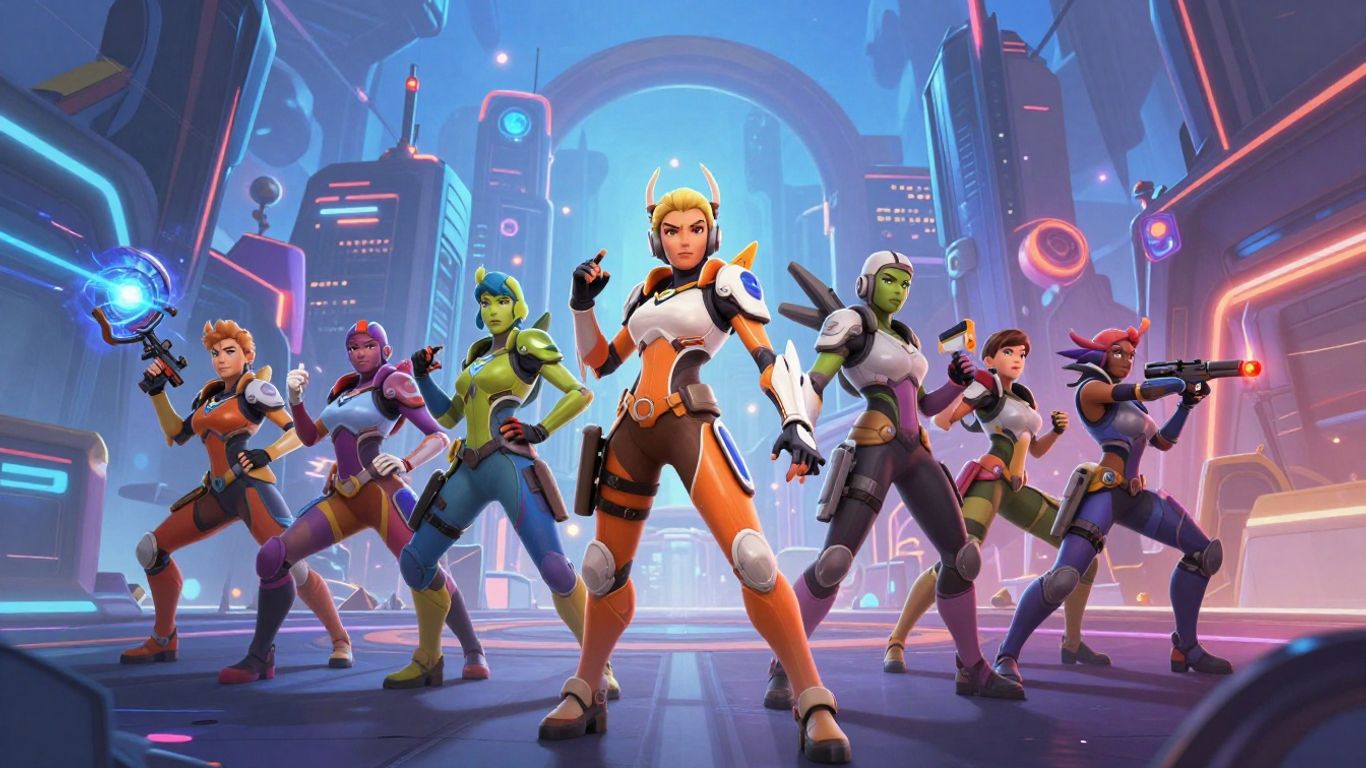
When Overwatch dropped in 2016, it felt like a breath of fresh air in the shooter genre. Blizzard Entertainment managed to create a game that was both accessible and incredibly deep, drawing players in with its vibrant characters and fast-paced action. It’s a team-based shooter where you pick a hero, each with their own unique abilities and role, and work together to complete objectives.
Overwatch quickly became a phenomenon, celebrated for its diverse cast and engaging gameplay. It wasn’t just about shooting; it was about strategy, coordination, and understanding how each hero fit into the bigger picture. The game won multiple awards, including Game of the Year and Best Game Direction at The Game Awards 2016, which really says something about its impact.
Here’s a look at what made Overwatch stand out:
- Hero Variety: From tanks like Reinhardt to healers like Mercy and damage dealers like Tracer, there’s a hero for almost any playstyle. Learning their abilities and how they interact is key.
- Objective-Based Gameplay: Matches revolve around specific goals, like capturing points or escorting payloads, which keeps the action focused and requires teamwork.
- Constant Updates: Blizzard kept the game fresh with new heroes, maps, and events, which kept the community engaged for a long time.
The game’s art style is bright and colorful, a stark contrast to some of the grittier shooters out there. This made it appealing to a wider audience, and the character designs themselves are memorable and full of personality.
It’s easy to jump into a quick match and have fun, but there’s also a high skill ceiling for those who want to master the game. The synergy between different heroes and the split-second decisions players have to make are what make Overwatch so compelling.
2. Uncharted 4: A Thief’s End
Naughty Dog really outdid themselves with Uncharted 4: A Thief’s End. This game felt like a proper send-off for Nathan Drake, wrapping up his story in a way that was both exciting and surprisingly emotional. The visuals were stunning for 2016, making the exotic locations feel incredibly real. Exploring ancient ruins and lush jungles was a treat for the eyes.
What really stood out was the character development. We got to see a more mature Nathan, dealing with his past and his relationships, especially with his brother Sam. It added a lot of depth to the usual treasure-hunting adventure. The story had plenty of twists and turns, keeping you guessing right up to the end.
Here’s a look at some of the awards and nominations it received:
- The Game Awards 2016:
- Won: Best Narrative, Best Performance (Nolan North as Nathan Drake), Best Music/Sound Design
- Nominated: Game of the Year, Best Game Direction, Best Art Direction
- Multiple Nominations: Received 8 nominations in total across various award shows.
The gameplay itself was polished, with smooth shooting mechanics and engaging traversal. Whether you were swinging across chasms or engaging in firefights, the action felt fluid and responsive. It was a masterclass in how to blend cinematic storytelling with interactive gameplay.
The set pieces were absolutely incredible, pushing the boundaries of what we thought was possible in a video game at the time. From massive explosions to daring escapes, every moment felt epic. It’s a game that really sticks with you long after you’ve finished playing.
3. Doom
When id Software decided to bring Doom back in 2016, many wondered if they could recapture the magic of the original. They absolutely did. This reboot isn’t just a fresh coat of paint; it’s a full-throttle, high-octane return to form that respects its roots while feeling completely modern. Doom (2016) is a masterclass in fast-paced, visceral combat.
The game throws you into the boots of the Doom Slayer, a nameless, faceless force of pure destruction, on Mars. Your mission? Rip and tear through hordes of demons. And that’s exactly what you do, with a satisfyingly brutal arsenal of weapons and a combat loop that encourages aggressive play. Standing still is a death sentence; you need to constantly move, dodge, and switch weapons to survive.
Here’s a look at what makes the combat so engaging:
- Glory Kills: Performing a melee finisher on a weakened demon rewards you with health and ammo. This mechanic forces you into close-quarters combat, adding a layer of risk and reward.
- Weapon Switching: Each weapon has its strengths and weaknesses. Mastering the quick switching between your shotgun, plasma rifle, rocket launcher, and more is key to dealing with different enemy types effectively.
- Mobility: Double jumps, dashes, and mantling keep you constantly on the move, allowing you to evade attacks and reposition yourself on the battlefield.
The game also features a fantastic heavy metal soundtrack that perfectly complements the on-screen chaos. It’s loud, it’s aggressive, and it makes every demon encounter feel epic. The level design is intricate, offering plenty of verticality and opportunities for strategic combat.
While the story is fairly minimal, focusing on the Slayer’s relentless pursuit of demons, it serves its purpose. The true narrative unfolds through the gameplay itself, through the sheer act of survival and the overwhelming power fantasy it provides.
Doom (2016) isn’t just a good shooter; it’s a statement. It proves that old-school sensibilities can still thrive in today’s gaming landscape, offering an experience that is both challenging and incredibly fun.
4. Inside
Playdead, the studio behind Limbo, brought us Inside in 2016, and it’s a game that sticks with you long after the credits roll. It’s a puzzle-platformer, but that label doesn’t quite capture the feeling of playing it. You control a young boy, silent and alone, moving through a world that feels both familiar and deeply unsettling. The game doesn’t hold your hand; it just drops you into its dark, atmospheric environments and lets you figure things out.
The real magic of Inside lies in its atmosphere and its subtle storytelling. You’re piecing together what’s happening through visual cues and environmental details, which makes the experience feel very personal. There are no spoken words, no lengthy cutscenes explaining everything. It’s all about what you see and what you infer.
As you progress, you’ll encounter a variety of challenges:
- Environmental Puzzles: These often involve manipulating objects in the world to open new paths or bypass obstacles. Think levers, switches, and moving platforms.
- Stealth Sections: Sometimes, you need to avoid detection by guards or strange creatures. Staying hidden and moving carefully is key.
- Physics-Based Challenges: Many puzzles rely on understanding how objects interact with each other and the environment.
The game’s visual style is striking, with a muted color palette that enhances the somber mood. The sound design is also top-notch, using ambient noises and subtle musical cues to build tension and guide your attention. It’s a masterclass in how to create a mood without being overbearing.
The journey through Inside is one of constant discovery, where each new area presents a fresh set of questions and a unique visual or mechanical twist. It’s a game that respects your intelligence and rewards your curiosity with its unfolding mysteries.
It’s not a long game, but every moment feels deliberate. Inside is a testament to the power of minimalist design and evocative atmosphere in video games. If you appreciate games that make you think and feel, this one is definitely worth your time.
5. Titanfall 2
Respawn Entertainment really outdid themselves with Titanfall 2. This game took the fast-paced, pilot-versus-pilot action from the first one and added a surprisingly deep and engaging single-player campaign. The bond between the pilot, Jack Cooper, and his Titan, BT-7274, is the heart of the story, and it’s something you don’t often see in shooter games. The campaign is full of clever level design and unique mechanics that keep you on your toes, making you feel like a super-soldier one minute and a giant robot pilot the next.
Beyond the campaign, the multiplayer is where Titanfall 2 truly shines. It’s a chaotic ballet of wall-running, double-jumping, and giant robot combat. The variety of Titans, each with their own abilities and playstyles, means there’s always a new way to approach a match. The movement system alone is incredibly satisfying, allowing for a level of freedom and agility that few other games can match.
Here’s a quick look at what makes the multiplayer so good:
- Fluid Movement: Master the art of parkour with wall-running, sliding, and double-jumping to outmaneuver your opponents.
- Titan Variety: Choose from a diverse roster of Titans, each offering a distinct combat role and ultimate ability.
- Engaging Game Modes: From classic team deathmatch to objective-based modes, there’s plenty to keep you coming back.
The integration of Titans into the core gameplay loop, both in single-player and multiplayer, feels incredibly well-executed. It’s not just a gimmick; it’s a fundamental part of the experience that adds a whole new layer of strategy and excitement to every encounter.
6. Battlefield 1
Battlefield 1 took players back to World War I, a setting not often explored in big-budget shooters. It really felt like a fresh take on the genre. The game focused on large-scale battles, with massive maps and a variety of vehicles, from tanks to biplanes, that you could jump into. It wasn’t just about running and gunning; there was a real sense of being part of a huge conflict.
One of the standout features was the introduction of "War Stories." These were short, single-player campaigns that put you in the boots of different soldiers from various fronts of the war. They offered a more personal look at the conflict, showing the human side of such a brutal event. These stories were a significant departure from the typical military shooter narrative, providing emotional weight and historical context.
The multiplayer was, as expected from the Battlefield series, a huge draw. It featured several game modes, but the classic Conquest mode, with its large player counts and objective-based gameplay, was a major highlight. The destruction physics were also impressive, allowing players to alter the battlefield dynamically.
Here’s a look at some of the key elements:
- War Stories: Engaging single-player missions focusing on individual soldier experiences.
- Vehicles: A wide array of WWI-era vehicles, including tanks, planes, and horses, adding tactical depth.
- Large-Scale Multiplayer: Massive maps supporting up to 64 players, with iconic game modes like Conquest.
- Destruction: Environmental destruction that changed the landscape of battles.
The sound design in Battlefield 1 was particularly noteworthy. The roar of artillery, the chatter of machine guns, and the distant cries of soldiers all contributed to an immersive and intense atmosphere that truly captured the chaos of the Great War.
7. Firewatch

Stepping into the Wyoming wilderness as a fire lookout might not sound like the most thrilling premise for a video game, but Firewatch turns this quiet setting into a surprisingly engaging narrative experience. You play as Henry, a man escaping his complicated life by taking a summer job in the Shoshone National Forest. Your only human contact is through a crackling walkie-talkie with your supervisor, Delilah, who is stationed miles away. The game masterfully uses this isolation to build a sense of mystery and growing unease.
What starts as a simple job of watching for fires quickly evolves into something much more complex. The story unfolds through conversations with Delilah and Henry’s own thoughts, creating a deeply personal journey. The dialogue feels incredibly natural, and the voice acting for both Henry and Delilah is top-notch, making their developing relationship feel genuine.
Firewatch is also a visual treat. The art style is striking, with vibrant colors and a distinct look that makes the wilderness feel both beautiful and a little bit foreboding. It’s not a game about action or combat; it’s about exploration, choice, and the unfolding story.
Here’s a look at some of the key elements:
- Setting: The vast, beautiful, and sometimes lonely Shoshone National Forest.
- Gameplay: Primarily exploration and dialogue choices that shape the narrative.
- Characters: Henry (the player) and Delilah (his supervisor), whose relationship is central to the story.
- Themes: Escapism, isolation, mystery, and the complexities of human connection.
The game excels at making you feel the weight of Henry’s decisions, even small ones. It’s a story that sticks with you long after the credits roll, prompting reflection on the choices we make and the people we connect with, even from a distance.
8. Dishonored 2
Dishonored 2 takes players back to the dark, atmospheric world of Dunwall and Karnaca, offering a masterclass in immersive sim gameplay. You can choose to play as either Emily Kaldwin, the Empress, or Corvo Attano, the Royal Protector, each with their own unique set of powers and perspectives on the unfolding narrative. The game truly shines in its intricate level design, presenting players with multiple paths and creative solutions to overcome obstacles. Whether you prefer a stealthy approach, a ghosting through levels unseen, or a more direct, action-oriented playstyle, Dishonored 2 accommodates your choices.
The freedom to approach objectives in countless ways is what makes Dishonored 2 such a standout title. The world itself is a character, filled with rich lore, environmental storytelling, and a compelling plot that sees Emily and Corvo fighting to reclaim the throne from a usurper.
Key features that make Dishonored 2 a must-play:
- Dual Protagonists: Play as either Emily Kaldwin or Corvo Attano, each with distinct abilities and narrative arcs.
- Unparalleled Level Design: Explore meticulously crafted environments that encourage experimentation and replayability.
- Flexible Gameplay: Choose between lethal or non-lethal, stealth or combat, and a wide array of supernatural powers to suit your playstyle.
- Compelling Narrative: Unravel a story of betrayal, power, and family as you fight to restore order.
The attention to detail in the environments, from the bustling streets of Karnaca to the opulent interiors of the Grand Palace, is simply astounding. Every corner holds a secret, every character has a story, and the world feels alive and reactive to your presence. It’s a game that rewards curiosity and careful observation, making each playthrough a unique experience.
Dishonored 2 builds upon the foundation of its predecessor, refining the mechanics and expanding the scope to create an even more ambitious and satisfying experience. It’s a game that respects player agency, allowing for a truly personal journey through its beautifully realized world.
9. Hyper Light Drifter
Hyper Light Drifter is a game that really sticks with you. It came out in 2016 and immediately grabbed attention for its striking visual style and challenging gameplay. You play as a drifter, a character dealing with a mysterious illness, exploring a world filled with ruins and secrets. The game doesn’t hold your hand; it expects you to figure things out on your own, which can be tough but also very rewarding.
What makes Hyper Light Drifter stand out is its wordless storytelling. The narrative unfolds through visuals and environmental details, letting you piece together the history of this broken world and the drifter’s quest for a cure. It’s a quiet game, but it speaks volumes through its art and atmosphere. The combat is fast-paced and requires quick reflexes, blending melee attacks with ranged energy blasts. Mastering the different weapons and dodges is key to survival.
Here’s a quick look at some of its key features:
- Exploration: Discover hidden paths, secret areas, and lore scattered throughout the vibrant yet desolate world.
- Combat: Engage in fluid, challenging battles that test your timing and strategy.
- Atmosphere: Immerse yourself in a unique world brought to life by a beautiful pixel art style and a memorable soundtrack.
- Storytelling: Experience a narrative told purely through visuals and environmental cues.
The game’s aesthetic is a major draw, with its neon-drenched landscapes and detailed character sprites creating a world that feels both futuristic and ancient. It’s a world that begs to be explored, even with the constant threat of danger lurking around every corner.
While the difficulty can be a hurdle for some, the sense of accomplishment after overcoming a tough boss or solving a tricky puzzle is immense. Hyper Light Drifter is a journey that rewards patience and observation, offering a truly unique experience that was a highlight of 2016.
10. The Witness
Stepping onto the island in The Witness feels like entering a serene, yet deeply mysterious, world. Developed by Jonathan Blow, this game presents players with a seemingly endless array of line and maze puzzles scattered across a beautifully rendered, uninhabited landscape. At first glance, the puzzles might appear simple, but they quickly evolve, demanding a new way of thinking and a keen eye for patterns. The true genius of The Witness lies in its ability to teach you its own language of logic without ever explicitly telling you anything.
As you explore, you’ll discover that each area introduces a new puzzle mechanic or a twist on existing ones. These mechanics build upon each other, creating a complex system of challenges that are as rewarding as they are difficult. It’s a game that respects your intelligence, gradually equipping you with the mental tools needed to overcome its increasingly intricate obstacles. The satisfaction of finally cracking a tough puzzle, after hours of contemplation, is immense.
Here’s a look at how the game unfolds:
- Exploration: Wander freely through diverse environments, from lush forests to stark deserts, each hiding its own set of puzzles.
- Observation: Pay close attention to the environment; clues and solutions are often subtly integrated into the world around you.
- Deduction: Apply learned rules and logic to solve new and more complex puzzle variations.
- Discovery: Uncover hidden areas and secrets that reveal more about the island’s enigmatic nature.
The Witness doesn’t hold your hand. It trusts you to figure things out, to experiment, and to learn from your mistakes. This approach creates a unique sense of accomplishment when you finally overcome a challenge that once seemed impossible.
Looking Back at 2016’s Gaming Landscape
As we wrap up our look at the standout games of 2016, it’s clear that this year offered a rich and diverse collection of experiences. From groundbreaking narratives to innovative gameplay mechanics, the titles we’ve highlighted represent the best of what the industry had to offer. Whether you’re a seasoned gamer or just getting started, these games provide a fantastic glimpse into the creativity and passion that drives game development. We hope this list helps you discover some new favorites or revisit some beloved classics from a truly memorable year in gaming.
Frequently Asked Questions
What makes these games stand out from 2016?
These games were chosen because they were super fun and exciting! Many of them brought new ideas to gaming or were just really well-made, making them unforgettable experiences for players.
Is Overwatch really that good?
Yes! Overwatch was a huge hit because it’s a team-based shooter with cool heroes, each having unique powers. It’s super popular for playing with friends and has a big competitive scene.
Why is Uncharted 4 on this list?
Uncharted 4 tells an amazing story with a character named Nathan Drake. It looks incredible, has thrilling action sequences, and feels like you’re playing through a blockbuster movie.
What’s so special about Doom?
Doom brought back fast-paced shooting with a heavy metal soundtrack! It’s all about blasting demons in a really intense and satisfying way. It’s pure, adrenaline-pumping action.
Are indie games like Inside and Hyper Light Drifter worth playing?
Absolutely! Inside is a moody puzzle game with a mysterious story, and Hyper Light Drifter is a stylish action game with a captivating world. Indie games often offer unique experiences you won’t find anywhere else.
Why were these games considered the best in 2016?
These games were the cream of the crop because they were innovative, fun to play, and left a big impression on gamers. They represent some of the best gaming had to offer that year.