
Alright, so 2016 was a pretty solid year for video games, right? It feels like just yesterday we were all diving into new worlds and getting hooked on fresh mechanics. Looking back, it’s tough to pick just a few, but we’ve gone through our backlog and picked out some of the absolute best games in 2016 that really stuck with us. Get ready to reminisce!
Key Takeaways
- Overwatch brought a fresh take to team-based shooters with its diverse cast and engaging gameplay.
- Battlefield 1 impressed with its gritty war setting and strong single-player campaign.
- Pokémon Sun and Moon revitalized the franchise with smart updates and charming new creatures.
- Doom delivered a no-nonsense, high-octane return to form for the classic shooter.
- Uncharted 4: A Thief’s End provided a cinematic conclusion with thrilling action and a compelling story.
1. Overwatch
When Overwatch first arrived in 2016, it felt like a breath of fresh air in the shooter genre. Blizzard managed to create a game that was easy to pick up but offered a lot of depth for those who wanted to master it. The core of the game is its diverse cast of heroes, each with unique abilities and roles.
The real magic of Overwatch lies in its team-based gameplay. Whether you were playing offense, defense, support, or tank, coordinating with your teammates was key to victory. This focus on cooperation made every match feel dynamic and engaging.
Here’s a look at the different hero roles:
- Offense: Heroes focused on dealing damage and pushing objectives.
- Defense: Heroes designed to control areas and slow down enemy advances.
- Support: Heroes who heal allies and provide utility.
- Tank: Heroes built to absorb damage and protect their team.
Beyond the core gameplay, Overwatch also presented a vibrant world with a growing cast of characters, each with their own backstory and personality. This attention to detail helped build a strong connection with players.
While the game was praised for its fun and accessible mechanics, some players found the reward system, particularly the loot boxes, to be a point of contention. Despite this, the overall experience was overwhelmingly positive, cementing its place as a standout title of the year.
2. Battlefield 1
Battlefield 1 took players back to World War I, a setting not often explored in big-budget shooters. DICE really leaned into the gritty, brutal reality of the conflict, and it paid off. The game felt different from its predecessors, focusing on a more grounded, visceral experience.
One of the standout features was the introduction of the single-player War Stories. These weren’t just generic missions; they were personal narratives that put you in the boots of different soldiers, each with their own struggles and perspectives. These stories did a remarkable job of showing the human cost of war, making the conflict feel less like a game and more like a somber historical account. It was a bold move that added a lot of weight to the overall package.
Beyond the campaign, the multiplayer continued the Battlefield tradition of large-scale battles. The maps were designed to reflect the WWI setting, with muddy trenches, destroyed villages, and open fields. The introduction of new mechanics, like the behemoths (massive vehicles that could turn the tide of a losing match), added an exciting layer of chaos and strategy. The game also brought back the classic class system, encouraging teamwork and tactical play.
Here’s a quick look at some key aspects:
- War Stories: Personal, impactful narratives focusing on individual soldiers.
- Multiplayer: Large-scale battles with a focus on WWI authenticity.
- Vehicles: Introduction of behemoths and refined vehicle combat.
- Atmosphere: A strong sense of place, capturing the grim mood of the era.
The decision to set Battlefield 1 in World War I was a significant departure, and it allowed the developers to explore themes and environments rarely seen in the genre. This historical focus, combined with polished gameplay, made it a memorable entry in the series.
3. Pokémon Sun And Moon
The year 2016 brought us Pokémon Sun and Moon for the Nintendo 3DS, and it was a significant entry in the long-running series. Game Freak made some bold choices here, moving away from some established traditions to keep the franchise feeling fresh. This was a smart move, as it made the game feel as engaging as it did when Pokémon first appeared decades ago.
The Alola region, where Sun and Moon take place, felt vibrant and alive. The developers put a lot of effort into making the world seem natural. Some of the new creature designs were particularly memorable, with Pokémon like Mimikyu and Rowlet quickly becoming fan favorites. These new designs showed a willingness to experiment, which was a welcome change.
One of the standout aspects was the departure from traditional Gym battles. Instead, players participated in Island Trials, which offered a different kind of challenge and exploration. This change, along with the introduction of Z-Moves, added new layers to the combat system.
Sun and Moon really didn’t need to be as good as they were. Eschewing long-standing designs for new improvements really makes the franchise feel as much alive today as it was 20 years ago.
Here are some of the key changes introduced:
- Island Trials: Replaced traditional Gyms with a series of challenges and battles against powerful Totem Pokémon.
- Z-Moves: Powerful, once-per-battle attacks that added a new strategic element to combat.
- Poké Ride: Replaced HMs (Hidden Machines) with rideable Pokémon that helped players traverse the region.
- New Pokémon Designs: Introduction of many unique and creative new Pokémon.
Overall, Pokémon Sun and Moon successfully revitalized the core gameplay loop, offering a familiar yet distinct experience that appealed to both long-time fans and newcomers.
4. Doom
Remember when shooters were just… shooters? 2016 brought back a legend with the revival of Doom, and it was a glorious, bloody return. Instead of trying to reinvent the wheel with modern shooter trends, id Software went back to what made Doom great in the first place: fast-paced action, intense combat, and a healthy dose of demonic carnage. This game is pure, unadulterated fun, and it knows it.
The gameplay loop is incredibly satisfying. You’re dropped into arenas, demons pour in, and you have to move constantly, blasting everything in sight. It’s a dance of death, and the game encourages aggressive play. Killing demons up close isn’t just for show; it’s how you regain health and ammo, pushing you to stay in the thick of the fight. It’s a brilliant design choice that keeps the adrenaline pumping.
Here’s a quick look at what made Doom stand out:
- Relentless Pace: The game never lets up. From start to finish, you’re constantly on the move, facing overwhelming odds.
- Satisfying Combat: The weapons feel powerful, and the glory kills (brutal melee finishers) are incredibly rewarding.
- Killer Soundtrack: Mick Gordon’s heavy metal score is the perfect accompaniment to the on-screen chaos, driving the action forward.
- Visceral Presentation: The visuals are gory and intense, perfectly capturing the hellish atmosphere.
Doom isn’t just a reboot; it’s a statement. It proves that sometimes, going back to basics with a focus on core mechanics and pure enjoyment is the best way to create a memorable experience. It’s loud, it’s violent, and it’s an absolute blast from start to finish.
5. Uncharted 4: A Thief’s End
Naughty Dog really outdid themselves with Uncharted 4: A Thief’s End. This game felt like a proper send-off for Nathan Drake, wrapping up his story in a way that was both satisfying and emotional. The visuals were absolutely stunning for 2016, making every jungle, ruin, and exotic location look incredibly real. You could practically feel the humidity in the air or the grit under Drake’s boots.
What really stood out was the character development. Drake wasn’t just a treasure hunter anymore; he was a guy dealing with his past and trying to find a balance between his adventurous life and settling down. His interactions with his long-lost brother, Sam, added a whole new layer to the narrative, creating some genuinely tense and heartfelt moments. The dialogue felt natural, and the performances were top-notch, making you really care about what happened to these characters.
Gameplay-wise, it was the Uncharted we all know and love, but refined. The climbing sections were more intricate, the gunfights were intense and varied, and the puzzle elements were well-integrated without being frustrating. They even added some stealth options, which was a nice change of pace.
The blend of cinematic set pieces, engaging exploration, and a compelling personal story made Uncharted 4 a standout title that year. It wasn’t just about the next big treasure; it was about the journey and the people on it.
Here’s a quick look at some of the highlights:
- Stunning Visuals: Incredible detail in environments and character models.
- Compelling Narrative: A mature story focusing on family and Nathan Drake’s legacy.
- Refined Gameplay: Smoother controls, more varied combat, and engaging traversal.
- Memorable Characters: Deepened relationships and strong voice acting.
Even the multiplayer mode, which was added later, offered a solid experience that kept players coming back for more, adding significant replay value to an already fantastic single-player adventure.
6. Final Fantasy XV
Final Fantasy XV arrived after a development cycle that felt like it lasted an eternity, but when it finally landed in 2016, it brought a fresh perspective to the long-running series. Instead of the traditional turn-based combat, players were thrown into a more action-oriented system that felt fluid and exciting. The game centers on Prince Noctis and his three loyal companions, Ignis, Gladiolus, and Prompto, as they embark on a road trip across the vast continent of Eos. This journey is more than just a quest; it’s a story about friendship, duty, and facing overwhelming odds.
One of the most striking aspects of Final Fantasy XV is its open world. Eos is a massive place, filled with diverse environments, from sprawling cities to desolate plains. Driving around in the Regalia, the group’s iconic car, felt like a genuine adventure. Discovering hidden dungeons or stumbling upon massive creatures in the distance added a sense of wonder and exploration that many games struggle to capture.
The dynamic between Noctis and his friends is a real highlight. Their banter, shared meals, and support for each other make the long journey feel personal and engaging. It’s this focus on camaraderie that truly sets FFXV apart.
The combat system, while action-packed, also offered strategic depth. Players could warp to different locations, chain attacks with their allies, and utilize a variety of weapons and magic. Learning enemy patterns and coordinating attacks with the party was key to overcoming the game’s challenging boss encounters.
While the main story had its ups and downs, the sheer scale of the world and the strong character relationships made Final Fantasy XV a memorable experience for many players in 2016. It wasn’t afraid to try new things, and that willingness to experiment is what made it stand out.
7. Inside
Playdead’s Inside is a game that sticks with you long after the credits roll. It’s a puzzle-platformer that masterfully blends atmosphere, environmental storytelling, and unsettling gameplay into a truly memorable experience. You control a young boy navigating a dark, dystopian world filled with dangers, from patrolling guards to strange, mutated creatures. The game doesn’t hold your hand; it expects you to observe, experiment, and figure things out on your own.
What makes Inside stand out is its minimalist approach. There’s no dialogue, no explicit exposition, just the environment and your actions. This forces you to piece together the narrative, creating a sense of mystery and personal investment. The puzzles are cleverly designed, often requiring you to manipulate the environment or use the game’s unique physics to progress. The game’s oppressive atmosphere and ambiguous story are its greatest strengths, leaving players with plenty to think about.
Key elements that define the Inside experience:
- Atmospheric World-Building: The bleak, industrial environments are rich with detail, hinting at a larger, disturbing story.
- Environmental Puzzles: Challenges are integrated directly into the world, requiring observation and creative problem-solving.
- Unsettling Tone: The game consistently maintains a sense of dread and unease, amplified by its sound design and visual style.
- Ambiguous Narrative: The story is open to interpretation, encouraging players to form their own conclusions about the events unfolding.
The way Inside uses its mechanics and environment to tell its story is remarkable. It proves that games don’t need lengthy cutscenes or dialogue to convey powerful themes and create a lasting impact. It’s a masterclass in subtle storytelling and atmospheric design.
8. Titanfall 2
Respawn Entertainment really surprised us with the single-player campaign in Titanfall 2. While the first game was all about its multiplayer, this sequel managed to weave a compelling narrative that kept players hooked from start to finish. The relationship between Jack Cooper and his Titan, BT-7274, was surprisingly well-developed, adding a lot of heart to the fast-paced action.
The fluid movement and combat mechanics, a hallmark of the series, were refined even further, making every encounter feel dynamic and exciting. Piloting Titans felt powerful, and the integration of Titan abilities with pilot abilities created some truly unique gameplay moments. It wasn’t just about shooting; it was about using the environment and your full arsenal to outmaneuver opponents.
Here’s a look at some of the standout elements:
- Fluid Movement: Wall-running, double-jumping, and sliding were all incredibly responsive, allowing for creative traversal.
- Titan Combat: Each Titan felt distinct, with unique weapons and abilities that changed the flow of battle.
- Campaign Narrative: A surprisingly emotional story that explored the bond between pilot and Titan.
- Multiplayer Innovation: New modes and refined mechanics kept the online experience fresh and engaging.
Titanfall 2 proved that a strong single-player experience could stand alongside its robust multiplayer offering, creating a complete package that felt both innovative and incredibly fun to play.
9. Ratchet & Clank
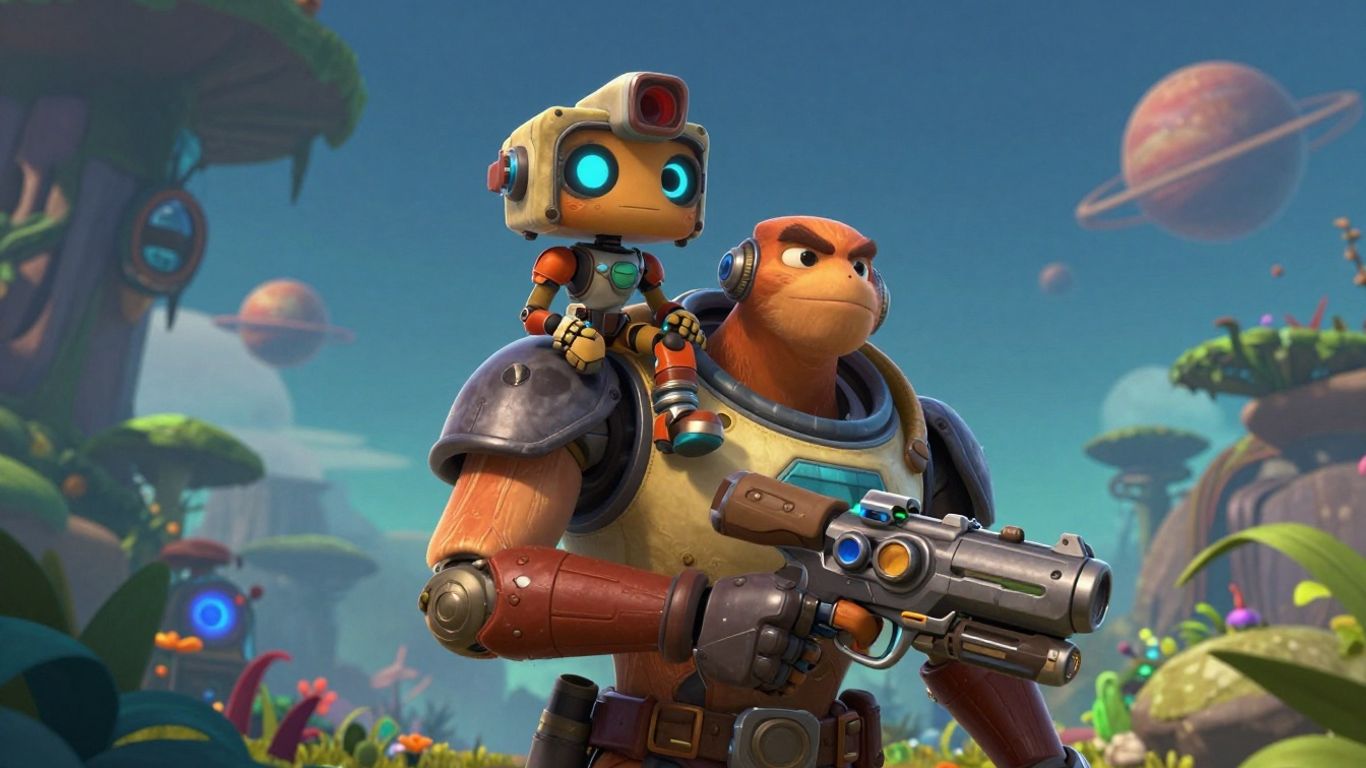
It’s not often that a game based on a beloved cartoon character manages to be one of the year’s most visually impressive titles, but Insomniac Games pulled it off with Ratchet & Clank. This PlayStation 4 release serves as a fantastic reimagining of the original PlayStation 2 game, bringing the classic adventure to a new generation with stunning graphics and updated gameplay. For those who never had the chance to play the original, this is the perfect entry point.
The game truly shines with its vibrant art style and fluid animations, making every planet and character pop with life. The developers clearly put a lot of effort into making the world feel alive, from the detailed environments to the expressive character models. It’s a visual treat that holds up remarkably well.
Beyond the looks, the gameplay loop is incredibly satisfying. Players get to blast their way through hordes of enemies using an arsenal of creative and often hilarious weapons. The upgrade system for these weapons is also quite deep, encouraging players to experiment and find their favorites. It’s a classic action-platformer formula, but executed with such polish that it feels fresh.
Here’s a look at some of the standout features:
- Visually Stunning: A complete graphical overhaul that makes the game look like a playable Pixar movie.
- Creative Weaponry: A wide array of unique and upgradeable weapons, from the standard RYNO to the Groovitron.
- Engaging Story: A fun narrative that retells the original story with added depth and humor, featuring Captain Qwark as a narrator.
- Tight Controls: Responsive and precise controls that make platforming and combat a joy.
While Ratchet & Clank revisits familiar territory, it does so with such confidence and flair that it feels like a brand-new experience. It’s a testament to how a well-loved formula can be revitalized with modern technology and a clear passion for the source material. This game is a perfect example of how to make a family-friendly title that appeals to players of all ages.
10. Forza Horizon 3
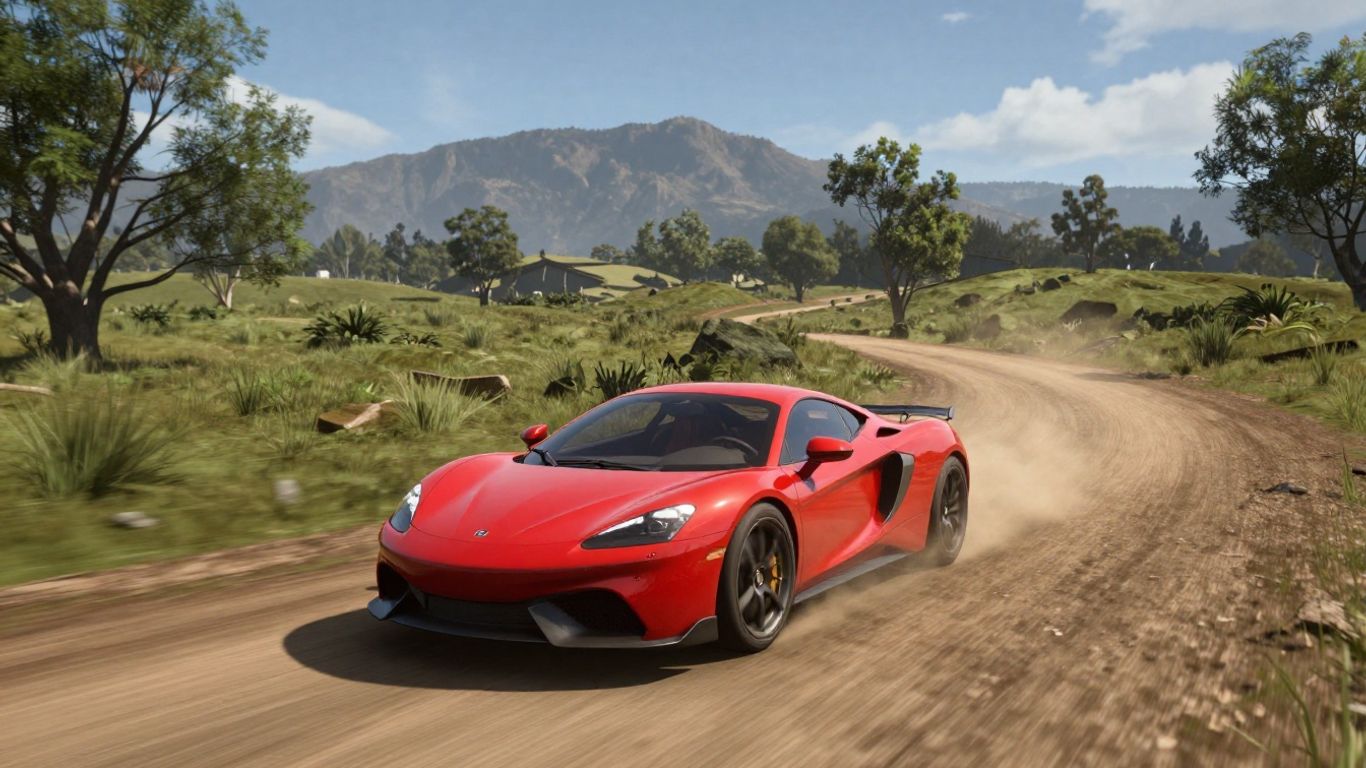
Forza Horizon 3 really took the open-world racing genre and put it on a whole new level. Set in Australia, the game offered a massive map with diverse environments, from sunny beaches and dense rainforests to dusty outback roads and bustling cities. This variety meant you were always finding something new to explore, whether you were cruising along the coast or tackling challenging off-road trails.
One of the standout features was the sheer number of cars available. The game boasted an impressive roster of vehicles, covering everything from classic muscle cars and exotic supercars to rugged off-road buggies and trucks. Each car felt distinct, with detailed handling models that made driving them a genuine pleasure. The ability to customize these vehicles extensively, both visually and in terms of performance, added a huge amount of replayability.
Forza Horizon 3 also introduced the concept of "Horizon Festival" expansion, allowing players to build and manage their own festival sites. This gave a sense of progression and ownership, as you unlocked new events and areas by gaining fans. The addition of the Blizzard Mountain expansion later in the year, which brought snow-covered peaks and icy roads, further expanded the gameplay possibilities, offering a completely different kind of driving challenge.
Here’s a look at some of the key aspects:
- Vast Open World: A beautifully realized Australia with varied landscapes.
- Extensive Car List: Hundreds of vehicles from various classes, all with unique handling.
- Deep Customization: Modify your cars’ performance and appearance.
- Festival Expansion: Build and manage your own racing festival.
- Dynamic Weather: Experience changing weather conditions that affect driving.
The game managed to strike a great balance between arcade fun and realistic simulation, making it accessible to newcomers while still offering depth for racing enthusiasts. The soundtrack was also top-notch, with multiple radio stations catering to different tastes, making every drive an enjoyable experience.
Looking Back at 2016’s Gaming Landscape
As we wrap up our look back at 2016, it’s clear the year offered a wide variety of experiences for gamers. From massive, action-packed shooters like Doom and Battlefield 1 to the charming worlds of Pokémon Sun and Moon and Ratchet & Clank, there was something for nearly everyone. Titles like Overwatch and Dead by Daylight showed the strength of online multiplayer, while games such as Inside and Ys: Memories of Celceta provided deeply engaging single-player adventures. Even smaller, unique titles like Pony Island and The Westport Independent found their audience, proving that innovation can come in many forms. It was a year filled with memorable moments and strong contenders, reminding us why we love to play.
Frequently Asked Questions
What made 2016 such a great year for video games?
2016 was packed with amazing games across many different styles. From big action-packed shooters and adventure games to unique indie titles, there was something for everyone. Many developers tried new things or perfected existing ideas, leading to a really memorable year for gamers.
Which games were considered the best shooters of 2016?
Several shooters stood out in 2016. ‘Doom’ made a huge comeback with its fast-paced, gory action. ‘Overwatch’ brought a fresh take on team-based multiplayer with its diverse characters. ‘Battlefield 1’ impressed with its realistic World War I setting and strong single-player story, while ‘Titanfall 2’ offered an engaging campaign and solid multiplayer.
Were there any standout role-playing games released in 2016?
Absolutely! ‘Pokémon Sun and Moon’ revitalized the beloved Pokémon series with new features and creatures. ‘Final Fantasy XV’ offered a massive open world and a unique, character-driven story that many players loved.
What were some of the most talked-about adventure or action games?
‘Uncharted 4: A Thief’s End’ delivered a thrilling cinematic experience with its engaging story and impressive graphics. ‘Ratchet & Clank’ was praised for being a beautiful and fun game for all ages, proving that classic characters can still shine.
Did 2016 have any memorable indie games?
Yes, the indie scene was strong! ‘Inside’ offered a captivating and atmospheric puzzle-platformer with a memorable story and design. Many smaller titles also surprised players with their creativity and unique gameplay mechanics.
How did games like ‘Overwatch’ and ‘Battlefield 1’ compare?
‘Overwatch’ focused on hero-based team combat with unique abilities, while ‘Battlefield 1’ offered large-scale warfare with a strong emphasis on historical setting and vehicle combat. Both were highly praised, but for different reasons, showing the variety in the shooter genre that year.