What if kids begged to do their math homework? Sounds impossible, right? Boddle’s game-based learning platform makes this a reality. Discover how its adaptive AI transforms screen time into growth, delivering 25+ minutes of daily saved teaching time and proven engagement for millions of students. See why this isn’t just another EdTech app.
Did you know that the global gaming industry is worth over $159 billion, outpacing both music and movie industries combined? Imagine combining that level of excitement with education, that’s exactly what Boddle does.
By turning learning into a game, Boddle is not just making kids excited about math and science, it’s also creating an innovative space where education and fun go hand in hand.
Why Boddle was born
Let’s start with the problem.
Traditional schooling often treats all learners the same: one teacher, one lesson, one pace. But of course each child learns differently. When kids feel discouraged, disengaged or left behind, learning becomes harder.
That’s where Boddle steps in.
The founders of Boddle, Edna Martinson and Clarence Tan, spotted that many of the tools for schools simply weren’t meeting the needs of students and teachers. They saw a gap: children love games, yet many digital tools feel like worksheets in disguise. They wanted something that felt fun, but was still serious about learning.
Boddle’s mission is straightforward: help kids grow their love for learning, make it fun, accessible and high quality.
What Boddle actually does
So what is Boddle in practice? Here’s a breakdown of how it works:
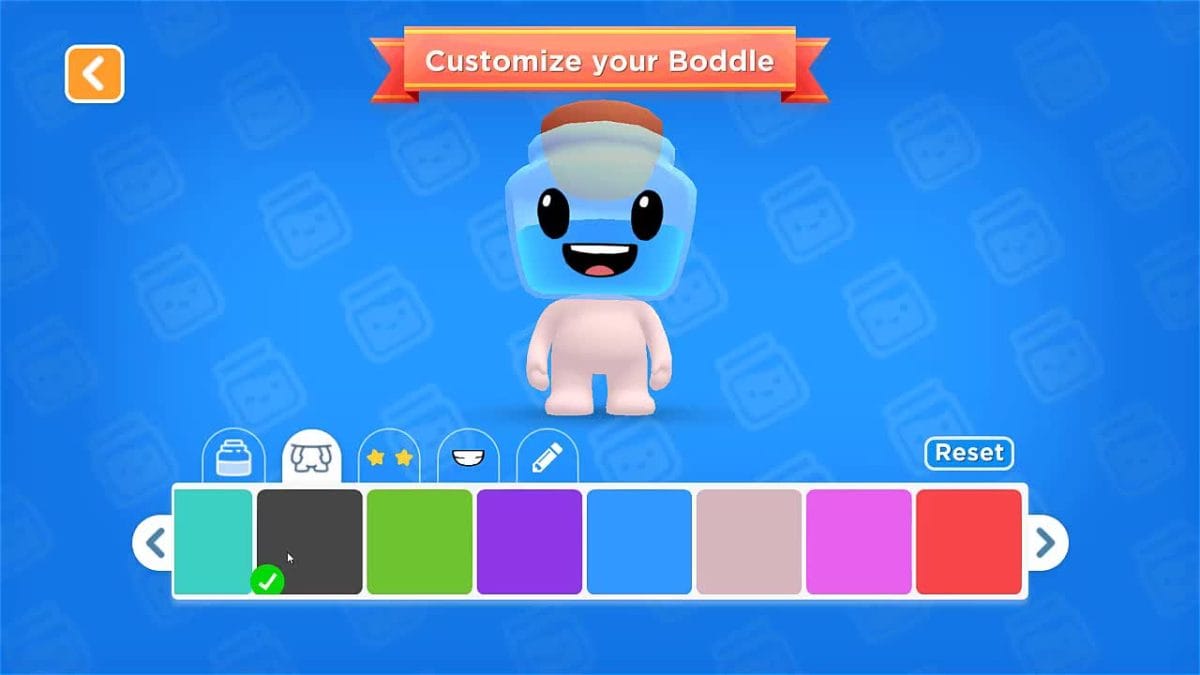
- The platform is built as a game‑environment where children play via engaging avatars (the “bottle‑headed” characters) and progress by answering math (and some reading or science) questions.
- Questions and practice tasks are aligned to standards (so schools through grades K‑6 can adopt it).
- It uses adaptive technology: meaning the platform tailors the learning path to the student’s current level. If a child struggles, the system steps in; if they fly ahead, the system moves them forward.
- Teachers and parents get dashboards or reports to monitor student progress, identify gaps, and assign specific tasks when needed.
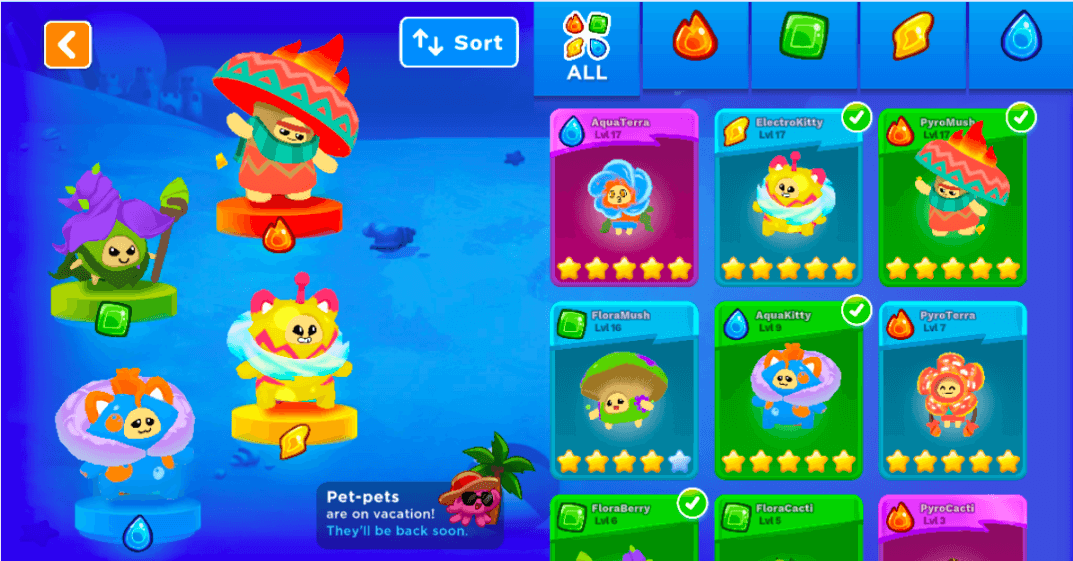
- It’s designed to feel like play, not drill: collecting rewards, building characters, decorating worlds — all while practising. The idea: learning doesn’t get boring.
In short: Boddle blends gameplay + education + analytics.
What makes Boddle different
There are plenty of EdTech platforms. So what makes this one stand out?
1. Game first, education second
Many educational apps feel like worksheets with a sprinkle of gamification. Boddle turns that around: the game is central, but underneath lies the learning. When kids believe they’re playing, they engage more deeply. Research shows that higher engagement leads to better outcomes. Boddle taps into that.
2. Accessibility & equity built in
The founders designed Boddle with accessibility in mind. This means all students, regardless of background or device, can access the core content. For example, older hardware or shared devices still work. That matters especially in under‑resourced schools or homes.
3. Tech + teacher working together
Boddle isn’t aiming to replace teachers. The message is: this tool supports teachers. It saves time (by automating assignments or tracking) and gives teachers insights so they can focus on what humans do best: connect, motivate, adapt.
4. Backed by data & research
Boddle isn’t just fun. It’s evidence‑based. It’s being studied and has shown positive results in engagement and learning growth. That gives schools confidence.
5. Strong founding team & investor confidence
The backgrounds of the Boddle team combine game design and education. Investors recognise this: for example, one investment note said Boddle sits at the “intersection of education, gaming and adaptive learning”.
Use cases in the real world
Let’s look at how Boddle is used in classrooms and homes.
In the classroom
Teachers adopt Boddle to supplement their lessons. For example, after teaching a new concept, a teacher might assign Boddle tasks as centres or independent work. Because the game monitors performance, teachers can see who’s struggling with a concept and step in. One educator said they got up to 25 minutes back each day because of time saved.
At home
Parents want screen time their children can benefit from. Boddle offers that: kids often choose to play because it’s fun, thus extending their learning beyond classroom hours. According to its own messages, children ask to play at home.
Mixed learning & mixed devices
Because Boddle works on web, mobile and older devices (and uses login methods like QR codes or class codes) it fits into different contexts: classrooms, homes, blended environments, even on the move.
The impact & the numbers
Let’s walk through some of the impact that Boddle has had.
- The platform has over 5 million downloads on Google Play alone.
- It had hundreds of thousands of registered users when early investors reviewed it.
- Engagement rises: students who might have been disengaged are now playing, practising, rising in and confidence. Teachers report better growth.
- While the exact scores and long‑term academic results may still be gathering, the initial feedback is very positive.
Challenges & what to watch
No solution is perfect. Even with Boddle, there are things to keep in mind.
- Device / Internet access: Though Boddle works on older hardware, some students may still have low‑quality devices or unstable internet, this affects usability.
- Screen time balance: Even if it’s educational, it’s still screen time. Schools and parents must balance with offline learning and interaction.
- Integration with curriculum: For best effect, Boddle should tie into what the teacher is doing. If left as a “side activity” it may not yield full benefit.
- Teacher training & buy‑in: Tools only succeed if teachers use them well. Training or support may be needed to use Boddle’s features (dashboards, assignments, analytics).
- Long‑term proof of impact: While early results are positive, long‑term studies across many contexts will strengthen the case further.
Why this matters for EdTech generally
What Boddle shows isn’t just about one platform. It shows a shift in how we think about learning. A few broader takeaways:
- Engagement matters. If a child doesn’t care, learning stops. Game‑based platforms like Boddle show one route to higher engagement.
- Personalisation is key. One‑size‑fits‑all just doesn’t cut it any more. Adaptive tools help tailor learning.
- Support for teachers counts. EdTech that burdens teachers or competes with them fails. Tools that save time and support will succeed.
- Equity must be built in. If high‑tech tools only work in well‑resourced schools, we risk widening gaps. Platforms like Boddle that design for access are important.
- Data and evidence builds trust. Schools buy tools based on what works. Showing that the platform is both fun and effective is essential.
What we can expect next
Looking ahead, here are some of the directions we might see from Boddle and similar platforms:
- Expanded subjects: Though Boddle currently focuses strongly on maths (and some reading/ELA) for K‑6, we may see science, social studies, even older grades. The founders have indicated expansion.
- More home‑school and blended‑learning support: With schooling shifting between in‑school and at‑home modes, platforms like Boddle can play a bigger role.
- Better analytics & teacher tools: As data accumulates, clearer insights and predictions will help teachers intervene earlier.
- Global expansion: While many references are U.S.‑based, tools like Boddle are well placed to go international, with localisation.
- Integration with other tools: Seamless login, LMS integration, device‑agnostic play will increase uptake.
- Gamification beyond simple scoreboards: Deeper game mechanics, social interaction (safe), peer learning and community features may grow.
Final thoughts
If we’re honest, much of the EdTech space has promised revolutionary change but often delivered incremental tweaks. What makes Boddle more than just a tweak is that it re‑imagines how children interact with learning.
Instead of boring drills, instead of passive worksheets, children step into a playful world where each question matters, each reward leads to progress, and the system adapts to them, not the other way round.
As educational demands shift, as schools and homes look for tools that truly engage, Boddle is a strong example of how game‑development principles can serve education. If you’re a teacher, parent or policy‑maker looking for a platform that puts enjoyment, growth and accessibility at the centre, Boddle is worth a look.
And for students? They just might learn without realising it, because to them, it’s play.