
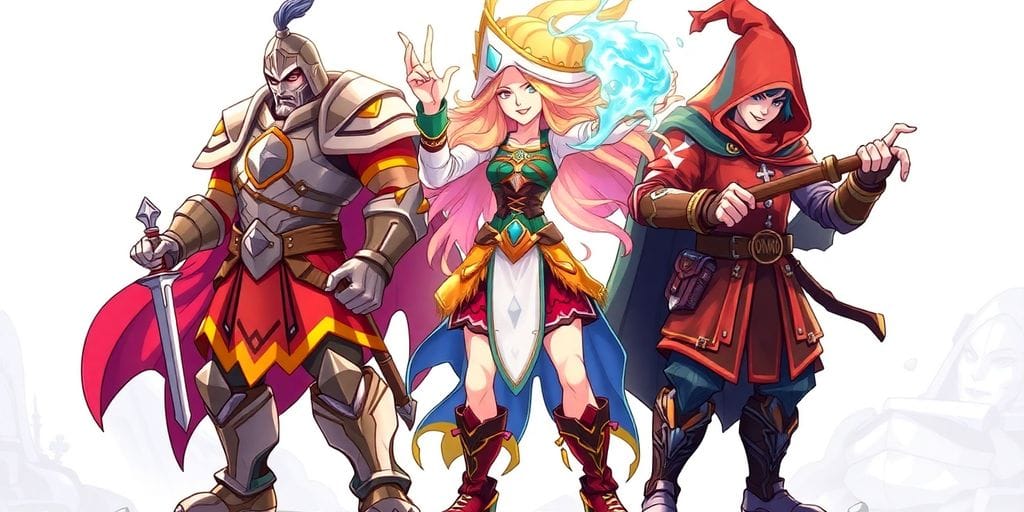
Picking the right character class in any RPG can feel like a big deal. It really shapes how you play and what you can do in the game world. Think about it: your character class is basically your main job or role. It determines your abilities, what gear you can use, and how you interact with everything around you. So, making a smart choice early on can make your whole gaming experience way more fun and effective. This article will help you figure out the best character class for your playstyle.
Key Takeaways
- Every character class has its own strengths and weaknesses, so pick one that fits how you like to play.
- Consider if you prefer fighting up close, from a distance, or using magic when choosing your character class.
- The Fighter character class is great for direct combat, balancing strong attacks with good defense.
- Rogue character classes are all about being sneaky and precise, perfect for players who like to outsmart enemies.
- Magician character classes use powerful spells, letting you control elements or support your team from afar.
Understanding Character Class Archetypes
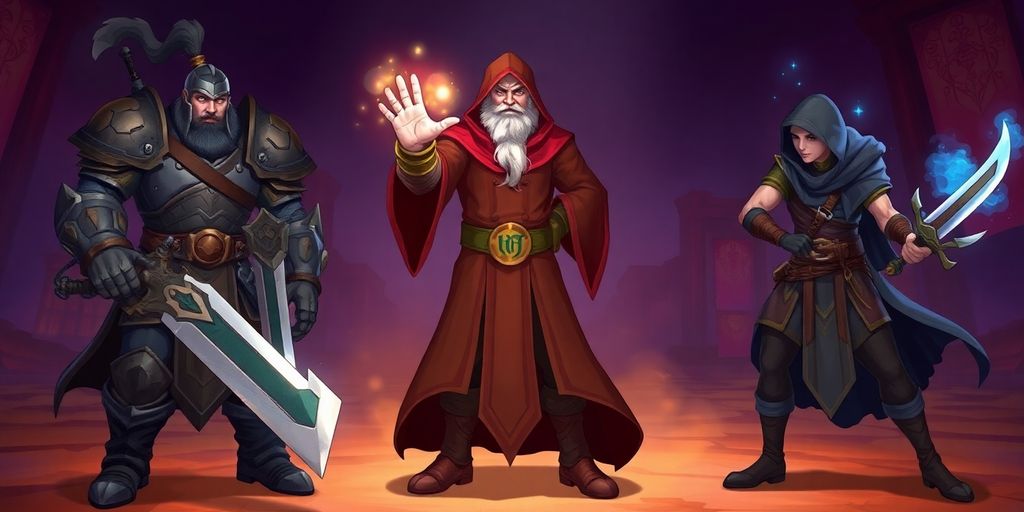
Character classes are a staple in role-playing games. Picking the right one can really make or break your experience. It’s not just about stats; it’s about finding a class that fits how you like to play. Let’s break down the basics.
Defining Core Character Class Roles
Every character class usually has a main job in the game. These roles often include damage dealing, tanking (absorbing damage), healing, and support. Think of it like a sports team; you need different players for different positions to win. Some classes might focus on doing a lot of damage quickly, while others are better at taking hits and protecting their teammates. Healers keep everyone alive, and support classes might buff allies or debuff enemies. Understanding these roles helps you pick a class that matches your preferred style of contributing to the group.
Exploring Common Character Class Categories
Character classes can be grouped into categories based on their play style and abilities. Here are a few common ones:
- Melee Fighters: These classes excel in close combat, using swords, axes, and other hand-to-hand weapons.
- Ranged Combatants: They prefer to attack from a distance, using bows, crossbows, or even thrown weapons.
- Magic Users: These classes wield magical powers, casting spells for offense, defense, or support.
- Stealth Experts: They rely on stealth and trickery, sneaking past enemies or striking from the shadows.
It’s important to remember that these categories aren’t always strict. Some classes might blend elements from multiple categories, creating hybrid play styles. For example, a ranger might be proficient in both ranged combat and wilderness survival skills.
Recognizing Character Class Strengths and Weaknesses
Each character class has its own set of strengths and weaknesses. Knowing these can help you make informed decisions about which class to play and how to approach different situations in the game. For example:
- A fighter might have high health and strong armor but lack ranged attack options.
- A rogue might deal massive damage but be vulnerable in direct combat.
- A magician might control powerful spells but have low health.
Understanding these trade-offs is key to playing your chosen class effectively. It also helps you work with your teammates to cover each other’s weaknesses and capitalize on strengths. Choosing a class isn’t just about what looks cool; it’s about understanding what you’re good at and what you’ll need help with.
Aligning Character Class With Playstyle
Choosing a character class isn’t just about picking the coolest abilities; it’s about finding a class that fits how you like to play. Do you charge headfirst into battle, or do you prefer to hang back and support your team? Maybe you like sneaking around and causing chaos. Whatever your style, there’s a class that will feel like a natural fit.
Assessing Personal Combat Preferences
Think about what you enjoy most during combat. Do you like dealing massive damage, or do you prefer to control the battlefield? Are you more comfortable up close and personal, or do you like to keep your distance? Consider these questions:
- Do you prefer offense or defense?
- Do you like to be in the thick of things, or do you prefer to support from the rear?
- Do you enjoy using special abilities, or do you prefer simple, direct attacks?
Understanding your preferences is the first step in finding a class that you’ll truly enjoy playing. It’s about more than just winning; it’s about having fun while you do it.
Considering Preferred Engagement Distances
Your preferred engagement distance plays a big role in class selection. Some classes excel at melee combat, while others are better suited for ranged attacks or spellcasting. Here’s a quick breakdown:
- Melee: Fighters, Rogues, and Clerics (sometimes) often thrive in close-quarters combat.
- Ranged: Rangers and Magicians typically prefer to keep their distance, using bows, spells, or other ranged weapons.
- Mid-Range: Some classes, like certain types of Clerics or Rangers, can effectively engage at mid-range, using a mix of melee and ranged abilities.
Matching Character Class to Strategic Approach
Your strategic approach to combat should also influence your class choice. Do you prefer a straightforward, head-on approach, or do you like to use tactics and strategy to outsmart your opponents? Some classes are better suited for certain playstyles:
- Direct Approach: Fighters are great for players who like to charge into battle and deal damage.
- Tactical Approach: Rogues and Rangers excel at using stealth, traps, and other tactics to gain an advantage.
- Supportive Approach: Clerics are ideal for players who prefer to support their team with healing and buffs.
Choosing a class that aligns with your strategic approach will make you a more effective and enjoyable player.
The Fighter Character Class
The Fighter is a staple in many RPGs, known for their prowess in combat. They are often the first line of defense, charging into battle with sword and shield. If you enjoy a direct, action-oriented playstyle, the Fighter might be for you. They are masters of weaponry and armor, making them a force to be reckoned with on the battlefield.
Mastering Melee Combat
Fighters excel in close-quarters combat. Their training focuses on weapon proficiency, allowing them to wield a variety of arms effectively. They learn to strike with precision and power, often dealing significant damage to their foes. Fighters also develop skills in defense, enabling them to withstand attacks and protect their allies.
Balancing Offense and Defense
One of the Fighter’s key strengths is their ability to balance offensive and defensive capabilities. They are not simply damage dealers; they can also serve as protectors, absorbing damage and drawing enemy attention. This balance makes them versatile and adaptable to different combat situations. Fighters can choose to specialize in offense, becoming powerful damage dealers, or focus on defense, becoming nearly impenetrable walls.
Optimal Scenarios for the Fighter Character Class
The Fighter shines in a variety of scenarios. They are well-suited for:
- Frontline combat, engaging enemies directly.
- Protecting weaker party members from harm.
- Dealing consistent damage to single targets.
- Leading the charge in tactical engagements.
Fighters are reliable and effective in most situations. Their straightforward approach to combat makes them easy to learn but difficult to master. A well-played Fighter can be the backbone of any party, providing both strength and stability.
Here’s a simple comparison of Fighter specializations:
| Specialization | Focus | Playstyle |
|---|---|---|
| Offense | Damage | Aggressive, high-risk |
| Defense | Survivability | Cautious, protective |
| Balanced | Versatility | Adaptable, well-rounded |
The Rogue Character Class
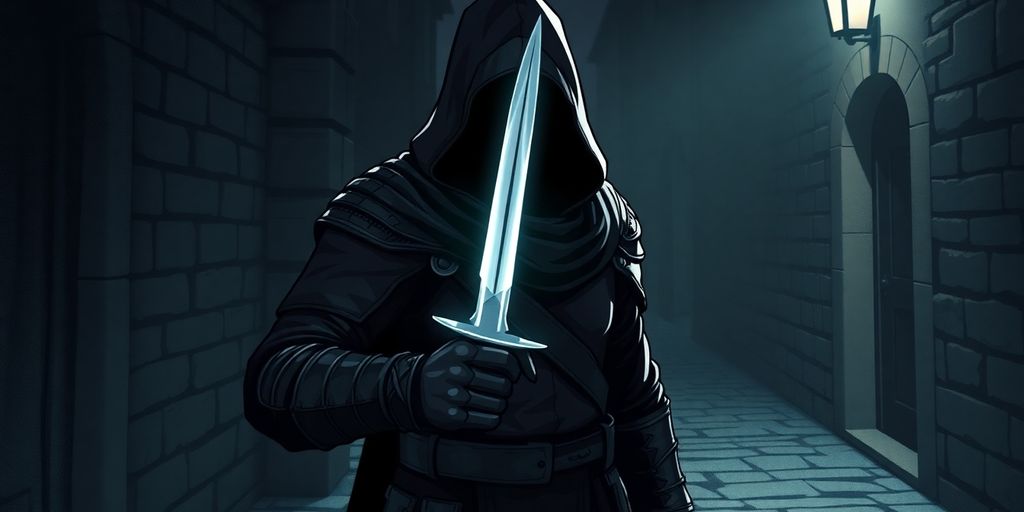
The Rogue is a classic character class found in many RPGs. They’re often thought of as sneaky types, skilled in the arts of deception, stealth, and getting into places they shouldn’t. But there’s more to them than just lockpicking and backstabbing. Rogues are versatile characters who can adapt to a variety of situations, both in and out of combat.
Embracing Stealth and Subterfuge
Stealth is a Rogue’s best friend. They excel at moving unseen, whether it’s slipping past guards, setting up ambushes, or simply gathering information without being detected. Subterfuge goes hand-in-hand with stealth; Rogues are masters of disguise, manipulation, and using words as weapons. A well-placed lie or a cleverly crafted distraction can be just as effective as a dagger in the dark.
Utilizing Dexterity and Precision
Forget heavy armor and brute strength; Rogues rely on agility and finesse. Dexterity is their primary attribute, influencing everything from their ability to dodge attacks to their skill with ranged weapons and finesse-based melee weapons. Precision is key – Rogues aim for weak spots, delivering critical hits and debilitating blows. They might not be able to take a lot of punishment, but they can certainly dish it out.
Strategic Advantages of the Rogue Character Class
Rogues bring a unique set of skills to any party. Their ability to scout ahead, disarm traps, and unlock doors makes them invaluable for exploration. In combat, they can control the battlefield with well-timed stuns, poisons, and debuffs. Plus, their high damage output against single targets makes them excellent assassins. Here’s a quick look at some common Rogue skills:
- Stealth
- Lockpicking
- Trap Disarming
- Pickpocketing
Playing a Rogue isn’t just about being sneaky; it’s about being smart. It’s about using your wits and skills to outmaneuver your opponents and achieve your goals, whether those goals are noble or nefarious. It’s about knowing when to fight, when to hide, and when to talk your way out of trouble. The Rogue is a master of improvisation, always ready to adapt to the situation at hand.
The Magician Character Class
Magicians are a staple in many RPGs, often trading physical prowess for immense magical power. They typically rely less on weapons and more on manipulating the elements and casting spells to overcome their enemies. Magicians are often seen as "glass cannons", possessing great offensive capabilities but lacking in defense.
Harnessing Arcane Powers
Magicians draw their power from various sources, depending on the game’s lore. This could be from a connection to the elements, a pact with a higher power, or innate magical abilities. The source of their magic often dictates the types of spells they can learn and the overall playstyle of the character. Some common types of magicians include:
- The Generalist: Studies various types of magic without specializing.
- The Theurgist: Makes a pact with a higher spirit for magical powers.
- The Illusionist: Casts illusions to trick and misdirect enemies.
Specializing in Elemental or Support Spells
Magicians often specialize in a particular school of magic, such as elemental magic (fire, water, earth, air), support magic (healing, buffs), or offensive magic (damage spells). This specialization allows them to become masters of their chosen field, but it can also limit their versatility. Choosing a specialization depends on your preferred playstyle and the needs of your party.
Maximizing Magical Character Class Effectiveness
To maximize a magician’s effectiveness, it’s important to understand their strengths and weaknesses. Magicians typically excel at dealing damage from a distance, controlling the battlefield with crowd control spells, and providing support to their allies. However, they are often vulnerable in close combat and can be easily defeated if caught off guard. Here are some tips for playing a magician effectively:
- Maintain distance from enemies.
- Utilize crowd control spells to control the battlefield.
- Coordinate with your party to maximize your effectiveness.
Playing a magician can be a rewarding experience, but it requires careful planning and execution. By understanding the strengths and weaknesses of the class and choosing the right spells and abilities, you can become a powerful force on the battlefield.
The Ranger Character Class
Rangers are often seen as the bridge between civilization and the wild. They’re skilled woodsmen (or woodswomen!) who use their knowledge of nature, archery, and sometimes even a bit of magic to survive and protect the areas they call home. Think of them as the ultimate outdoors experts, ready to face any challenge the wilderness throws their way.
Excelling in Ranged Combat
Rangers are masters of ranged combat, often favoring the bow and arrow. Their accuracy and skill allow them to take down enemies from a distance, providing crucial support to their party. But it’s not just about having a good aim. Rangers understand trajectory, wind conditions, and the best types of arrows to use for different situations. They can pick off enemies from afar, weaken them before a melee engagement, or even set up ambushes with well-placed shots.
Leveraging Terrain and Traps
Rangers aren’t just about shooting arrows; they’re also incredibly resourceful when it comes to using their environment to their advantage. They can navigate difficult terrain with ease, set traps to ensnare unsuspecting foes, and use the landscape to conceal themselves. This makes them excellent scouts and ambushers. A ranger might use their knowledge of the land to:
- Set up tripwires that alert the party to approaching enemies.
- Create camouflaged pits to trap larger creatures.
- Use natural choke points to funnel enemies into kill zones.
- Identify safe routes through dangerous areas.
Versatility of the Ranger Character Class
One of the great things about the Ranger class is its versatility. You can build a Ranger to be a master archer, a skilled tracker, a beastmaster with an animal companion, or even a melee fighter who uses nature magic to enhance their abilities. This flexibility allows you to adapt your Ranger to fit your playstyle and the needs of your party. Some common Ranger builds include:
- The Archer: Focuses on ranged combat, using bows and arrows to deal damage from a distance.
- The Beastmaster: Forms a bond with an animal companion, fighting alongside it in battle.
- The Trapper: Specializes in setting traps and using the environment to control the battlefield.
Rangers are often the first line of defense against threats from the wild, protecting settlements and ensuring the balance of nature. They are skilled hunters, trackers, and survivalists, making them valuable assets in any adventuring party.
The Cleric Character Class
Drawing Upon Divine Power
Clerics stand apart from other magic users in RPGs. Their power doesn’t come from study or innate talent, but from a deity or a strong faith. This connection shapes their abilities and role in the game world. Think of them as conduits, channeling divine energy to aid their allies and combat their foes. It’s a pretty cool concept, if you ask me.
Focusing on Healing and Support
While clerics can definitely hold their own in a fight, their main strength usually lies in healing and support. They can mend wounds, cure diseases, and even bring characters back from the brink of death. Plus, they often have spells that buff allies, making them stronger and more resistant to damage. If you like playing a character who keeps everyone alive and kicking, the cleric might be right up your alley.
The Role of Faith in the Cleric Character Class
Faith isn’t just a background detail for clerics; it’s the source of their power. A cleric’s beliefs and actions directly influence their abilities. This can lead to some interesting roleplaying opportunities, as you have to consider how your character’s faith affects their decisions. Do they follow their deity’s teachings to the letter, or do they interpret them in their own way? It’s all part of the fun.
Playing a cleric often means making tough choices. Do you use your healing magic to save a wounded ally, or do you unleash a powerful spell to smite a dangerous enemy? Balancing these options is key to mastering the cleric class.
Here are a few common types of Clerics:
- The Healer: Focuses almost exclusively on keeping the party alive.
- The Battle Priest: A mix of healing and offensive abilities, ready to wade into the thick of combat.
- The Support Caster: Uses buffs and other spells to aid allies and hinder enemies.
Picking Your RPG Class
So, we’ve talked a lot about how to pick your character class in RPGs. It really comes down to what you like to do in games. Do you enjoy being up close in a fight, or do you prefer to hang back and use magic? Maybe you like to sneak around and surprise enemies. Thinking about your past gaming experiences can help too. What kinds of characters did you have fun with before? The right class makes the game more enjoyable for you. Just remember, there’s a class for almost every play style out there. Have fun playing!
Frequently Asked Questions
Why is choosing a character class so important?
Picking the right character class is super important in RPGs! It decides what your character is good at, what gear they can use, and how they play the game. Think of it like choosing a job for your character – it sets them up for success.
What are the main types of character classes?
There are a few main types: Fighters (strong in close combat), Rogues (good at sneaking and quick attacks), Magicians (use spells), Rangers (skilled with bows and traps), and Clerics (heal and support others). Each one has a special way of playing.
How do I know which class is right for me?
You should pick a class that matches how you like to play games. Do you like to be in the thick of the fight, or do you prefer to sneak around and plan? Do you like using magic or a sword? Your personal style will guide you.
Are some classes only for advanced players?
No, not at all! While some classes are easier to learn, even a simple Fighter can be played in many different ways. The game often lets you pick special abilities or paths within your class to make it unique.
Can I mix different character classes together?
Yes, many games let you combine classes, but it can get tricky! It’s usually better for players who know the game well. For beginners, sticking to one class helps you learn the ropes without getting confused.
What’s the best way to figure out my favorite class?
The best way to learn is to just play! Try out different classes in a game and see what feels good. Think about what you enjoy most in games – that’s often a good hint about your ideal class.